


A karaoke selection for men in their 60s that brings back the youth of the Showa era.
Relive summer memories with Yosui Inoue’s “Shonen Jidai,” the ache of love with Chiharu Matsuyama’s “Koi,” and let Koji Tamaki’s vocals express mature allure to the fullest.
The timeless hits you hummed in your youth will shine anew at karaoke today.
From folk to J-pop, these are songs loved across generations.
Sing a nostalgic tune, and emotions you’d nearly forgotten will vividly return, filling your time with comfort.
Use this article as a guide for your song choices and enjoy wonderful moments with your friends.
- Karaoke songs that are sure to get a 60-something man fired up
- [For People in Their 60s] Ranking of Easy-to-Sing Karaoke Songs [2026]
- [2026 Edition] Songs Loved by People in Their 60s: Classic Hits from Their Youth
- Japanese karaoke songs that are easy for men in their 60s to sing
- Uplifting Japanese songs recommended for men in their 60s
- Popular Japanese songs among men in their 60s: recommended masterpieces and classic tracks
- Interesting Japanese songs recommended for men in their 60s
- A love song that makes a man in his sixties relive his youth. Timeless classics that rekindle the romances of those days.
- [Men in Their 50s, Gather Up!] Classic Karaoke Crowd-Pleasers & Easy-to-Sing Hits
- [Men in their 60s] Even if you're not good at singing, it's okay! Easy-to-sing songs for karaoke
- [For Men] These Songs Will Make You a Better Singer! Tracks That Are Effective for Karaoke Practice
- Must-see for men: Songs that look cool if you can sing them at karaoke—numbers that women can’t help but be captivated by.
- [60s] Karaoke Popularity Rankings by Generation [2026]
Recommended Japanese karaoke songs for men in their 60s (1–10)
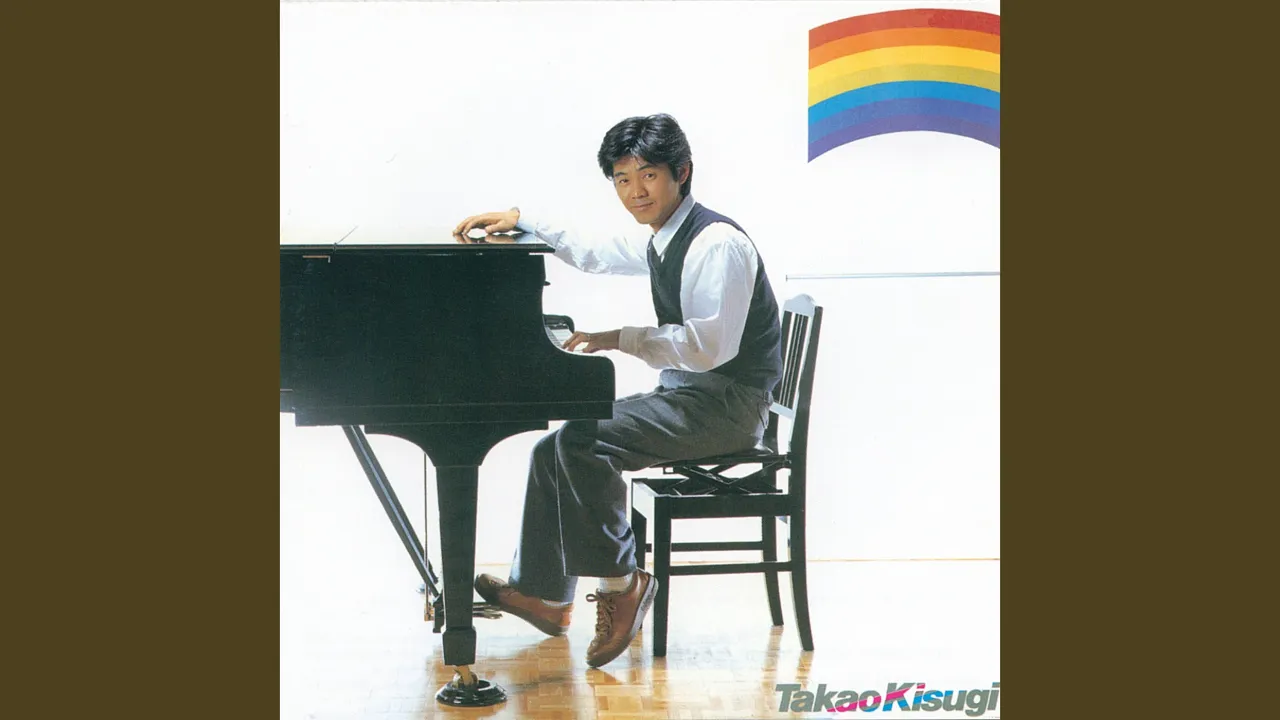
In the Middle of a DreamKisugi Takao

A lyrical love song that delicately portrays the themes of parting and reunion, distinguished by its gentle, melodious tone.
Takao Kisugi’s distinctive vocal style and his sister Etsuko Kisugi’s poetic lyrics blend beautifully, making it renowned as a masterpiece that deeply resonates with listeners.
Released in November 1981, it was included on the album “Yume no Tochū,” which came out in December of the same year.
The album was a major hit, reaching No.
2 on LP and No.
1 on cassette, and ranking 11th in annual sales for 1982.
The song is also famous for being covered by Hiroko Yakushimaru as the theme song for the film Sailor Suit and Machine Gun.
It’s a piece you’ll want to sing slowly at a gathering with friends or coworkers, reminiscing about memories with someone dear.
KanadeSukima Suichi

This song centers on themes of parting, growth, and bonds, depicting a relationship between two people separated by physical distance.
Its lyrics, which suggest that music can keep a bond alive, are sure to resonate with many listeners.
Released in June 2004, the track is widely known as an insert song for the film “Rough” and the theme song for the drama “Sotsu Uta.” It was also used in a commercial for Tokio Marine Nichido Anshin Life Insurance.
The song enjoys strong popularity in karaoke and has been covered by various artists.
It’s a track especially recommended for those who have experienced a farewell with someone important or are in a long-distance relationship.
Why not sing it while letting Sukima Switch’s gentle vocals soothe you, and fill it with your feelings for someone dear?
FriendsRebekka

A classic that gently wraps you in bittersweet memories of youthful love.
REBECCA’s signature song vividly captures a secret romance from younger days, the memories you couldn’t tell your parents, and the sparkle of time spent with someone special.
NOKKO’s powerful yet delicate vocals blend beautifully with the memorable melody line.
Released in October 1985, it became a massive hit as the ending theme for the drama “Half Potato na Oretachi.” It was also included on the album “REBECCA IV ~Maybe Tomorrow~,” which achieved the extraordinary milestone of over 1.3 million copies sold at the time.
Evoking warm nostalgia, this song is perfect for moments when you want to look back on precious times with a lover or friends.
Why not sing it with all your heart, soaking in the feelings of those days?
As time goes bysawada kenji

After The Tigers disbanded, Kenji Sawada went solo, pairing his top-tier looks with a string of hit songs.
This track, which served as the theme song for a drama he starred in, was also a major hit.
Since Julie is still going strong and touring nationwide, it’s worth adding a few of his songs to your repertoire.
Stardust StageChekkāzu

The Checkers’ classic song about the bittersweet feelings of youthful love is etched in many people’s hearts along with fluttering memories.
Its beautiful lyrics paint a world where the sour-sweet parting of a romance is overlaid with the sparkle of stars in the night sky.
Released in August 1984, the track was used as the theme song for the TV drama “Uchi no Ko ni Kagitte…” and became beloved across generations.
The following year, it was also chosen as the entry march for the 57th National High School Baseball Invitational Tournament, earning even more attention.
With Fumiya Fujii’s clear, transparent vocals and the refined harmonies performed by all the members, the piece achieves a perfect balance.
As you look back on memories with someone special, why not sing it from the heart?
I LOVE YOUOzaki Yutaka

A signature song by Yutaka Ozaki that portrays deep, passionate love and the conflicts of youth.
This ballad, centered on piano performance, was included on the 1983 album “Seventeen’s Map.” It was later re-released as a single in March 1991, reaching No.
5 on the Oricon charts.
Selling 484,000 copies, it became Ozaki’s biggest single hit during his lifetime.
The song was also used in a JR Tokai commercial.
While empathizing with the bittersweet feelings of young lovers, why not try singing it at karaoke?
The Last RainYasushi Nakanishi

A ballad that captures the poignant moment of parting, this song resonates deeply with listeners.
The lyrics conjure vivid scenes of lovers in the rain, perfectly matched by Yasushi Nakanishi’s richly emotive vocals.
Released in September 1992, the track became a massive hit, selling over 800,000 copies, and is now known as one of Nakanishi’s signature songs.
It’s recommended not only for those confident in their singing ability, but also for anyone who has experienced heartbreak.
When singing it at karaoke, try to visualize the scenes described in the lyrics and pour emotion into your performance.
Using Nakanishi’s vocals as a reference to evoke a gentle, bittersweet mood will further enhance the song’s appeal.