

Karaoke songs that are sure to get a 60-something man fired up


If you’re a man in your 60s, you probably have plenty of chances to go to karaoke with coworkers or friends.
One of the biggest challenges at karaoke is choosing the right songs, isn’t it?
Many people may feel, “I know tons of songs, but I can’t recall them on the spot,” or “Among the songs from our generation, which ones are broadly easy to listen to?”
In this article, we’ve gathered lots of songs that men in their 60s love and that are great picks to sing at karaoke!
Younger readers can also use this as a reference when enjoying karaoke with older people, such as your boss or family members.
It’s packed with timeless classics that defined their eras!
- [For People in Their 60s] Karaoke Songs That Get the Crowd Going: Ranking [2026]
- Recommended Japanese karaoke songs for men in their 60s
- [Men in their 60s] Even if you're not good at singing, it's okay! Easy-to-sing songs for karaoke
- Popular Japanese songs among men in their 60s: recommended masterpieces and classic tracks
- [2026] Japanese karaoke songs that get men in their 50s pumped up
- [60s] Karaoke Popularity Rankings by Generation [2026]
- Japanese karaoke songs that are easy for men in their 60s to sing
- Karaoke songs you’ll want to sing for men in their 70s: Enka and nostalgic Showa-era pop
- Best Karaoke Songs and Popular Band Rankings for Lively Fun in Your 60s [2026]
- Songs Women Want Men to Sing: Popular Karaoke Picks Chosen by Girls
- A love song that makes a man in his sixties relive his youth. Timeless classics that rekindle the romances of those days.
- Interesting Japanese songs recommended for men in their 60s
- Iconic songs men will want to sing! Karaoke tracks recommended for Gen Z
Karaoke songs that 60-something men will love and get the crowd going (111–120)
loadTHE toraburyū
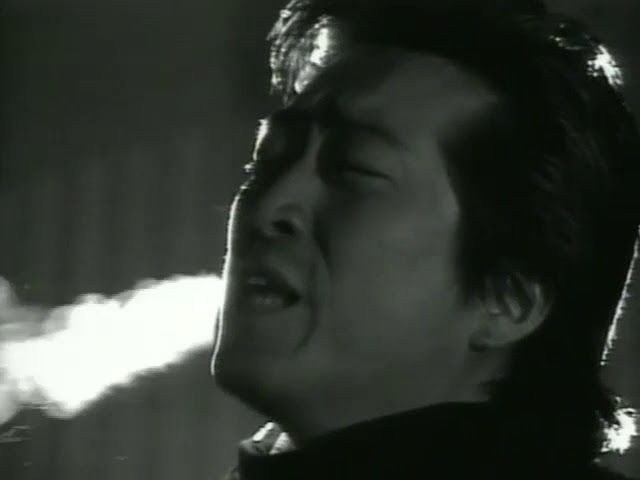
The signature work of THE Toraba-ryu is a masterpiece that portrays the path of life unfolding serenely on an epic scale.
Powerfully voicing the resolve to face adversity and loneliness, this song depicts a stance of overcoming setbacks and moving forward, leaving a deep imprint on many listeners’ hearts.
Its lyrics, which symbolically express life’s journey, resonate with listeners and offer courage and hope.
First released in May 1992 and re-released in 1993, it achieved an astonishing 2.2 million sales.
It was also used as the theme song for a film of the same name released in 1997 and won an Excellence Award at the Japan Cable Radio Awards.
It’s a perfect pick not only for livening up gatherings with friends but also for karaoke with older audiences.
Be sure to showcase this powerful classic that invites everyone to sing along and share in the moment.
Karaoke Songs That Liven Up the Party Recommended for Men in Their 60s (121–130)
Don’t give upZARD

This hit song by ZARD, emblematic of the 1990s, is an uplifting anthem marked by Izumi Sakai’s gentle vocals and positive message.
Its lyrics, which convey compassion and courage, and its up-tempo yet warmly embracing melody resonate deeply.
Released in January 1993, it was chosen the following year as the entrance march for the Spring High School Baseball Tournament, and it has been broadcast annually on Nippon TV’s “24-Hour Television.” This track is a go-to favorite for livening up karaoke with friends.
Its universally known melody and Sakai’s clear voice evoke moving feelings that transcend generations.
The Song of KemekoZa Dātsu

This work transforms a poem about feelings for a ninth-grade classmate into a charming yet bittersweet pop song.
Sung from the perspective of someone enamored with a girl who excels at chemistry, the song’s unique appeal lies in its twist: the love confession initially succeeds, only to take an unexpected turn.
The intro, which boldly quotes the scat from a Neil Sedaka classic, is also striking.
The Darts’ version, released by Nippon Columbia in February 1968, reached No.
2 on the Oricon chart and sparked a major craze, being featured on Fuji TV’s “Owarai Tag Match” and even adapted into a film.
It’s a perfect pick for those who want to bask in sweet-and-sour memories or liven up a party.
And, KobeUchiyamada Hiroshi to Cool Five

This is the 14th single by the mood kayō chorus group Hiroshi Uchiyamada and Cool Five.
It was released on November 15, 1972.
The lead vocal is Kiyoshi Maekawa, who has performed this song several times on the Kōhaku Uta Gassen after going solo.
It is also one of Maekawa’s signature songs and won the 6th Japan Cable Radio Awards.
Although it’s a song about Kobe, all the original members are from Kyushu.
spring’s dry windIzumiya Shigeru

Spring is the season when it feels like something new is about to happen, and this song seems like a perfect fit for such a time.
As spring arrives, it portrays—accompanied by just a single guitar—a young person whose heart still feels like winter, struggling to live in a difficult world.
This song by Shigeru Izumiya was included on his 1973 album “Light and Shadow,” and was also released that same year as his third single.
It’s a hidden gem that has been covered by several artists.

CheersNagabuchi Tsuyoshi

This is a renowned song that has continued to resonate with many as an anthem celebrating life’s new beginnings.
Originally released in September 1980 on the album “Kampai,” it vividly depicts a celebratory scene lit by candlelight and carries a warm message of encouragement for a friend taking their first step forward.
Tsuyoshi Nagabuchi’s powerful vocals deliver hope and courage for the future.
In 1988, it was re-recorded and released as a single, becoming a major hit that reached No.
1 on the Oricon charts.
In the early 1990s, it was also featured in commercials for Kirin Lager Beer, further boosting its recognition.
To this day, it remains a timeless song passed down through the years, often chosen to convey heartfelt feelings to loved ones at important milestones in life, such as weddings and graduation ceremonies.
National Sake-Drinking Festival Song of Japanbarakūda

A heartwarming comic song that celebrates the joy of drinking, themed around annual events and regional specialties.
Originally released independently by Baracuda in December 1979, the track gained popularity on cable radio and was officially reissued by Toshiba EMI, reaching No.
11 on the Oricon chart and selling around 700,000 copies.
With a warm musical style that incorporates regional dialects, it is a classic deeply etched in the hearts of the Japanese people.
In 2021, an arranged version with a “hot pot” theme was featured in a Mizkan commercial, winning the hearts of a new generation.
It’s a song that brings smiles to everyone—perfect for livening up banquets and parties, or sharing joyful moments with close friends.