

[Snake Trivia] Things you actually don’t know about snakes. Packed with astonishing facts!

Snakes, with their slithery and amusing movements, are hugely popular with children! Since some snakes are venomous, adults probably avoid approaching them carelessly, but I imagine there are both kids and adults who feel, “I want to learn more about snakes!” In this article, we’ll share trivia and fun facts about snakes.
We cover their ecology from various angles, so please take a look if you’re interested.
You’ll likely discover many surprising facts about snakes!
- [Snake Quiz] Surprisingly fascinating once you know! Snake ecology & characteristics
- Trivia quiz with useful tips to know: fun facts that come in handy at school or at home [for kids]
- [For Kids] January Trivia Quiz & Fun Facts: Learn About the New Year in a Fun Way
- Didn't want to know?! Fascinating and scary trivia & fun facts
- [Trivia] Do you know the answers? A roundup of animal quizzes
- Handmade snake toy. A fun idea you can move and play with!
- Trivia you think you know but surprisingly don’t? August trivia and fun facts quiz!
- A quiz of fun trivia: bite-sized knowledge that leads to new insights.
- [For Elementary School Students] Animal Quiz to Learn Knowledge and Fun Facts
- A roundup of insect trivia: fun facts you'll want to share
- English will become more fun! A collection of trivia and fun facts about the English language.
- Insect trivia quiz: A collection of fun facts and questions about bugs for children.
- Fun facts you’ll want to share! January trivia and tidbits special
[Snake Trivia] Things about snakes you actually didn't know. Packed with surprising facts! (1–10)
Because they have no eyelids, snakes sleep with their eyes open.
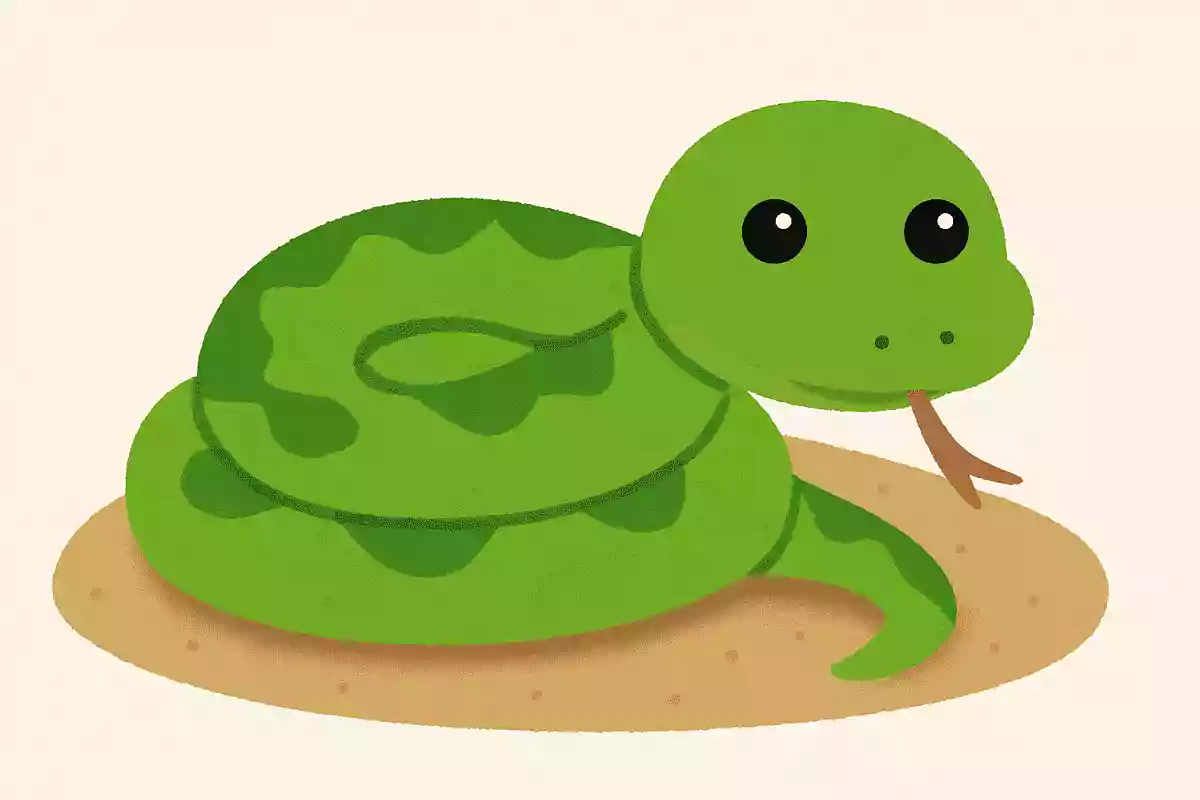
Have you ever noticed that you’ve never seen a snake blink? That’s because snakes don’t have eyelids, so they can’t blink—or even close their eyes.
They keep their eyes open even when they sleep.
Instead of eyelids, snakes have a transparent scale called a spectacle that covers and protects the eye.
There’s a theory that this developed when the ancestors of snakes, which lived underground, moved above ground and needed vision; the membrane that once covered and sealed the eye became transparent through evolution.

A snake’s hissing is a form of intimidation.
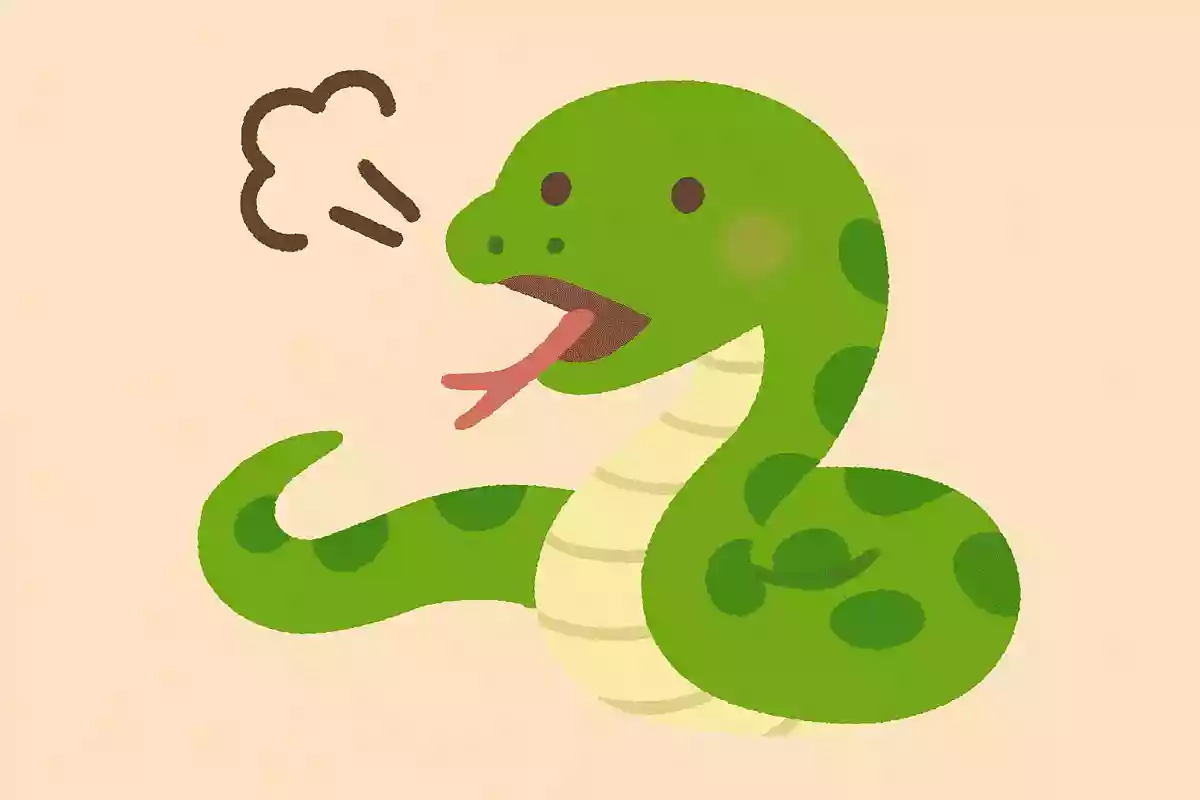
Snakes make a “hiss” sound to threaten and ward off potential threats.
This sound is produced by forcefully expelling air, signaling their presence to enemies or predators and warning of danger.
Species with particularly defensive temperaments tend to use this sound more often.
The hiss does not indicate an intention to attack; it’s a warning that says, “Don’t come any closer.” In nature, many animals keep their distance when they hear this sound, helping to avoid conflict.
If you hear it, the safest response is to leave the area immediately.

Snakes can move in ways described as ‘wiggling’ or ‘slithering’ because they have a large number of vertebrae.

Snakes move differently from many other animals, with motions like “wriggling” and “slithering.” They can move in such a peculiar way because they have so many vertebrae—roughly 200 to 400.
With so many joints, they can bend their bodies into those sinuous movements.
From the freely slithering motion, you wouldn’t think they have that many bones.
Perhaps that mysterious structure is part of why some people find snakes a little frightening.

[Snake Trivia] Things You Actually Don’t Know About Snakes. Packed with Astonishing Facts! (11–20)
A snake’s tail is defined as the portion from the cloaca to the tip below it.
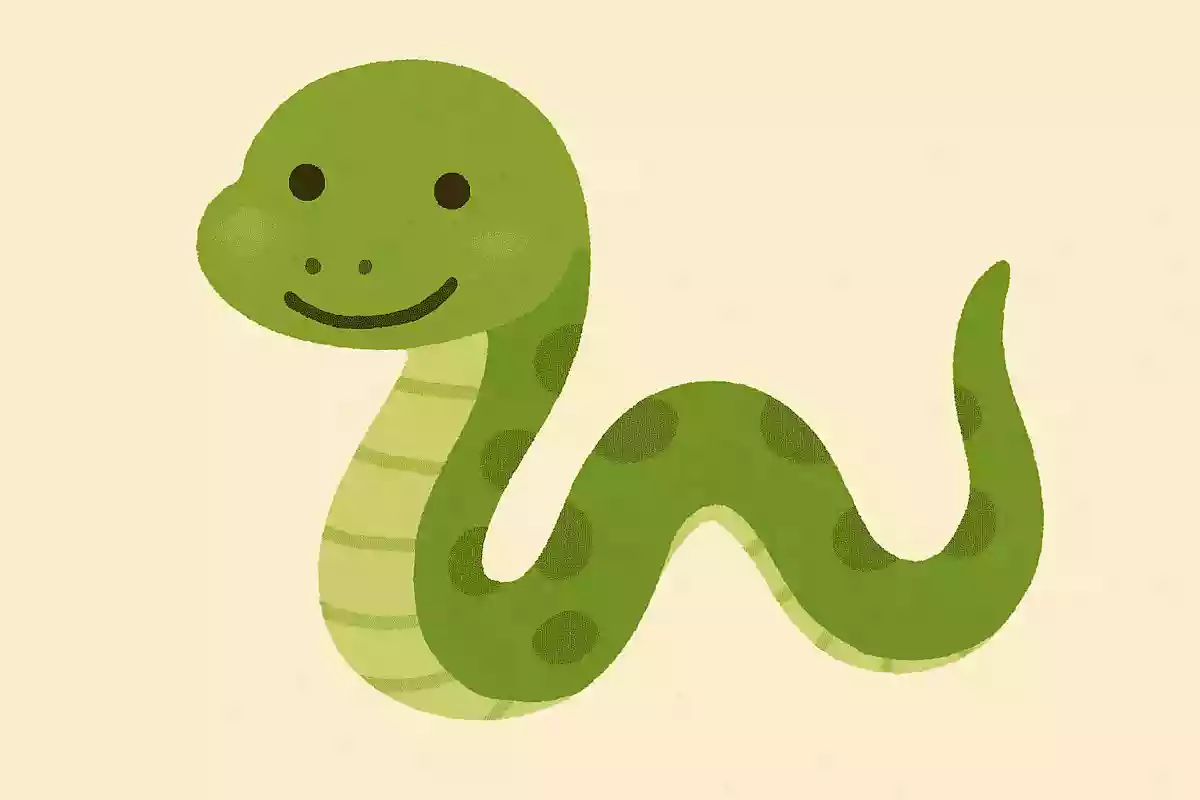
Unlike humans and other animals, it’s hard to tell a snake’s body parts apart.
Even if someone asks, “Where’s the tail?” many people can’t quickly say where the tail begins.
A snake’s tail is defined as the part of the body beyond the cloaca—what we commonly call the anus.
Conversely, the portion from the cloaca toward the head is the torso.
Around the cloaca, there are remnants of vestigial hind limbs, which also indicate that everything beyond that point is the tail.
Incidentally, male snakes typically have longer, thicker tails, while females have shorter, thinner ones.
Most snake species are non-venomous.

We tend to think snakes are venomous, but in fact, non-venomous snakes are more common! Most snake species found in Japan are said to be non-venomous.
However, that doesn’t mean you can let your guard down.
Japan is also home to venomous snakes such as the mamushi (Japanese pit viper), the yamakagashi (tiger keelback), and the habu.
When you go to places where snakes are likely to appear, such as during camping or mountain climbing, you must exercise plenty of caution.
Don’t be overly reassured by the idea that many are harmless—pay attention to your clothing, and avoid approaching any snake you encounter.
The “paradise flying snake” is known as a snake that can glide through the air.
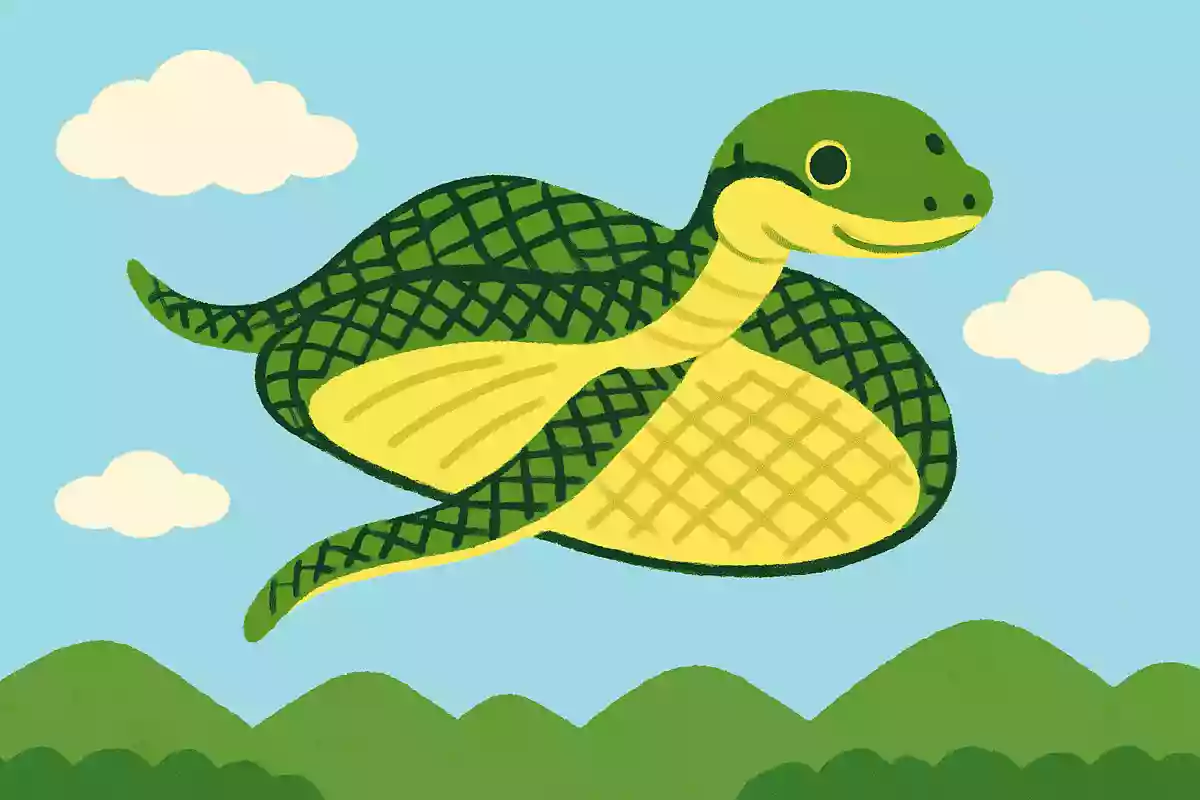
It’s hard to imagine a snake flying through the air, isn’t it? But in Southeast Asia, there are actually snakes that can fly! They’re called paradise flying snakes, and they glide by wriggling their bodies.
Some have even been observed gliding between branches that are 100 meters apart.
They seem to descend while flying in a wavy motion, tracing an “S” shape, and the mechanism behind this has been studied by research institutions in the United States.
By the way, snakes known as flying snakes are mostly nonvenomous, so they don’t fly toward humans or attack them.
Snakes are known to hibernate in winter, but some snakes also aestivate in summer.
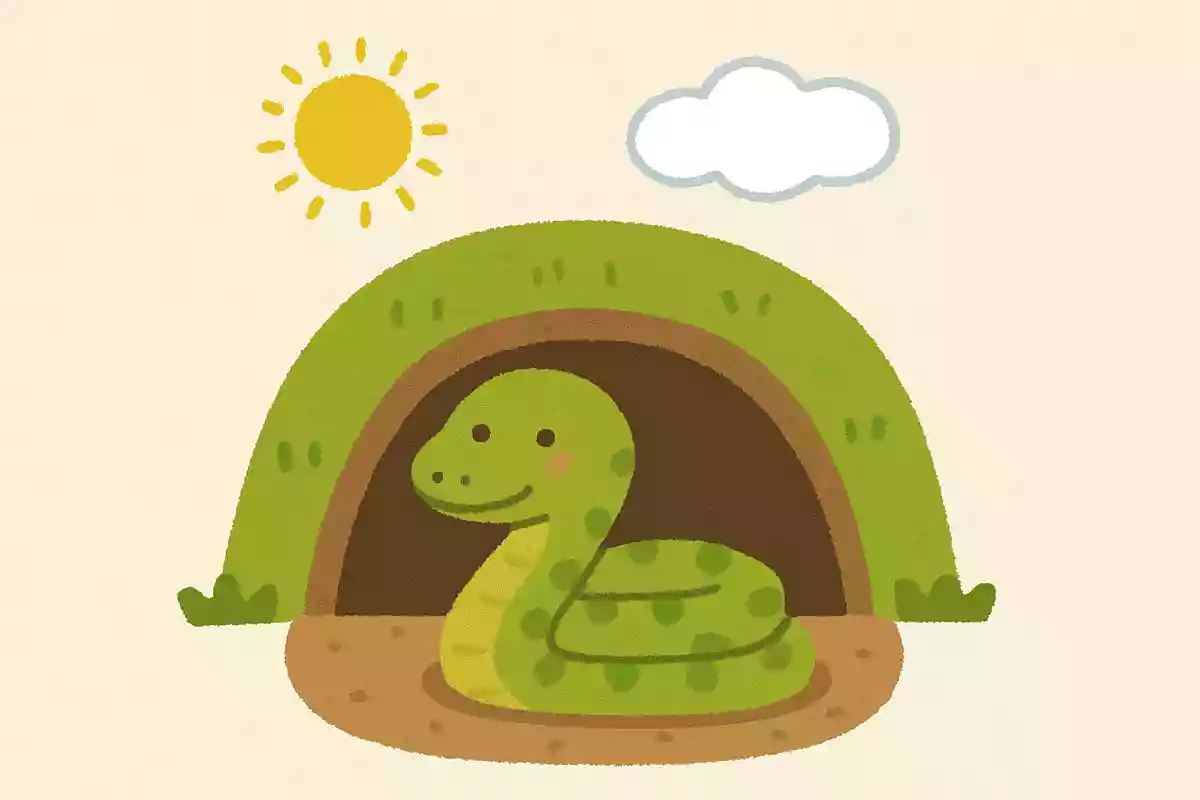
Because snakes are ectothermic and their body temperature changes with the environment, they hibernate in winter when it’s cold and their body temperature drops.
This is also seen in animals like bears and chipmunks, so many people are familiar with it.
However, some snakes actually enter a state of “aestivation,” sleeping during the hot summer much like islanders do—well, like some animals do in summer.
Since their body temperature depends on the environment, snakes living in hot regions such as deserts aestivate to protect themselves from high temperatures and the drying effects of the heat.
By aestivating, they conserve energy and regulate their body temperature.