

How many can you read? Test your general knowledge with a spring flower kanji quiz

When spring comes, beautiful flowers color the towns and the fields and mountains.
When those flowers are written in kanji, you might unexpectedly find yourself thinking, “Which flower was that again?” Even flower names we usually see in katakana or hiragana can feel completely different when written in kanji.
So in this article, we present a general-audience kanji quiz about spring flowers! It’s a quiz where you answer the readings, so try solving it while picturing spring flowers.
Now then, how many can you get right?
- How do you read this? Check your general knowledge with a kanji reading quiz about flowers!
- [For Elementary Students] Flower Kanji Quiz! How many flowers do you know?
- [Trivia] Challenge! Spring General Knowledge Quiz
- Brain training with spring kigo! A collection of ideas for common words you can use in haiku and conversation
- How many can you solve? Test your spring knowledge with a trivia quiz about March!
- How many can you read? A quiz on difficult kanji for foods
- A quiz of interesting obscure kanji: characters that look easy but are hard to read
- Can You Read These? Quiz on Kanji with Many Strokes
- [Hard-to-Read Quiz] Single-character difficult kanji — including surprisingly simple ones!
- [Sakura Quiz] Trivia & Fun Facts Quiz about Cherry Blossoms for Kids
- A quiz on how to read obscure kanji: words that become difficult when written in kanji.
- Trivia about cherry blossoms: a roundup of fun facts to make springtime hanami even more enjoyable
- How many can you read? Test your trivia skills with a brain-twisting ateji quiz!
How many can you read? Test your general knowledge with a spring flower kanji quiz (1–10)
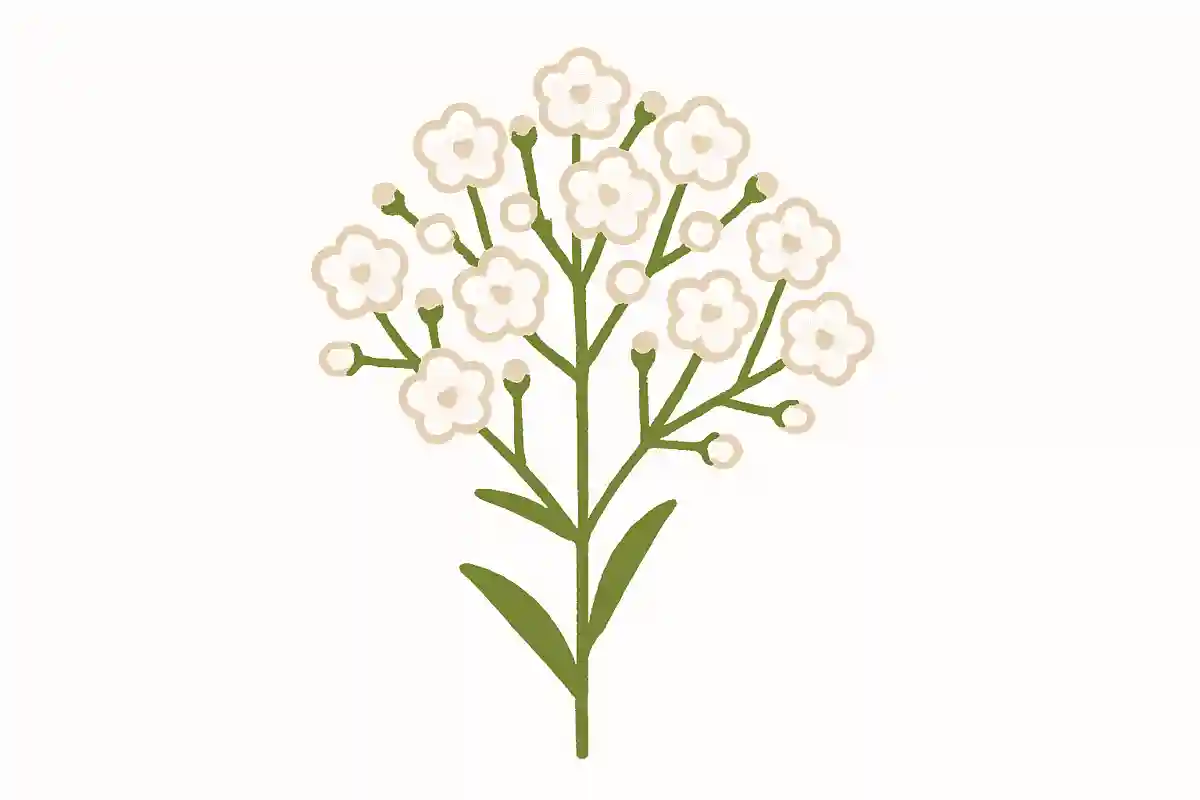
How do you read “霞草”?
See the answer
baby’s breath
It bears many small white or pale pink blossoms, a gentle flower that makes it look as if a spring haze has settled in the air. Its flower meanings are “pure heart” and “gratitude,” and it is often used as a supporting accent in bouquets and arrangements. Modest yet charming, it’s a spring flower that soothes just by looking at it, an endearing presence that quietly blooms in gardens and fields.

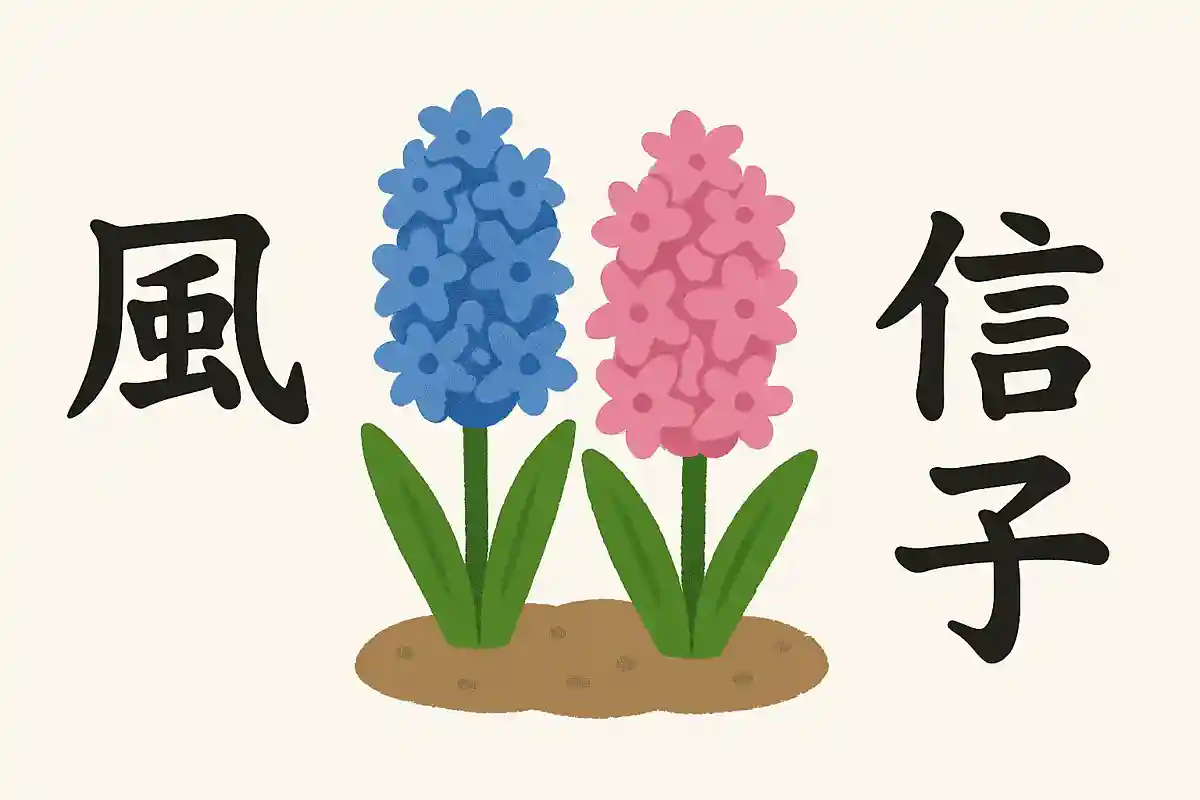
How do you read “風信子”?
See the answer
Hyacinth
Hyacinths are bulbous plants that bloom in spring with sweet fragrance and vibrant colors. They come in purple, blue, pink, and white, and can be enjoyed for both their scent and appearance. Their flower meanings are “sport,” “unchanging love,” and “modest love,” and they brighten spring gardens and flower beds. Even though the blossoms are small, their dense clusters and gentle fragrance lift the spirits of those who see them, making them a quintessential spring flower.
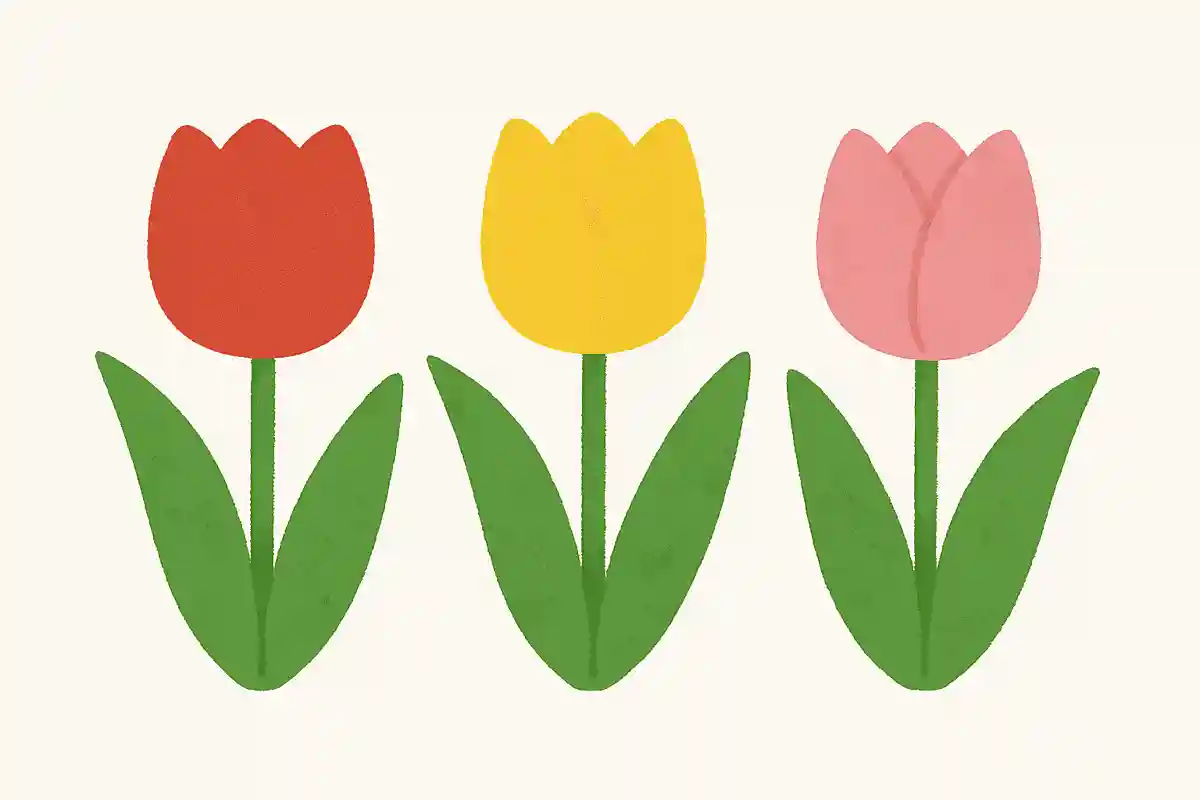
How do you read “鬱金香”?
See the answer
Tulip
Tulips are bulbous plants that produce brightly colored flowers in spring and come in a variety of hues such as red, yellow, pink, and white. Although their meanings in the language of flowers vary by color, they generally represent compassion, fame, and a confession of love. With their neat form and vivid colors, tulips brighten gardens and parks, enlivening the spring landscape and offering a cheerful sight that lifts the spirit just by looking at them.
How many can you read? Test your general knowledge with a spring flower kanji quiz (11–20)
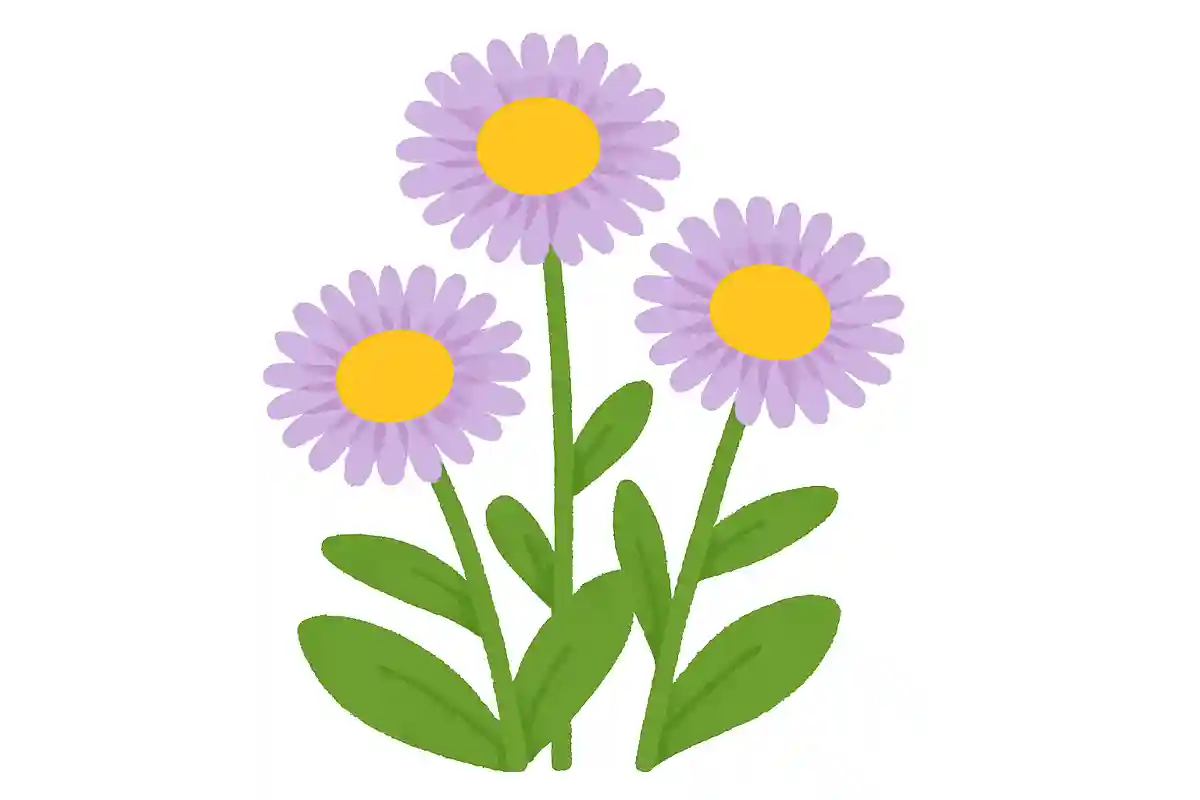
How do you read “春紫苑”?
See the answer
Philadelphia fleabane
These are small purple flowers that bloom in fields and along roadsides from spring to early summer. As their name suggests, they are a type of aster that blooms in spring, modest yet charming. Their flower language is “reminiscence” and “unforgettable feelings,” and their quietly blooming presence gently lingers in the hearts of those who watch over them. They are a familiar, lovable flower that offers a moment of calm amid the springtime landscape.
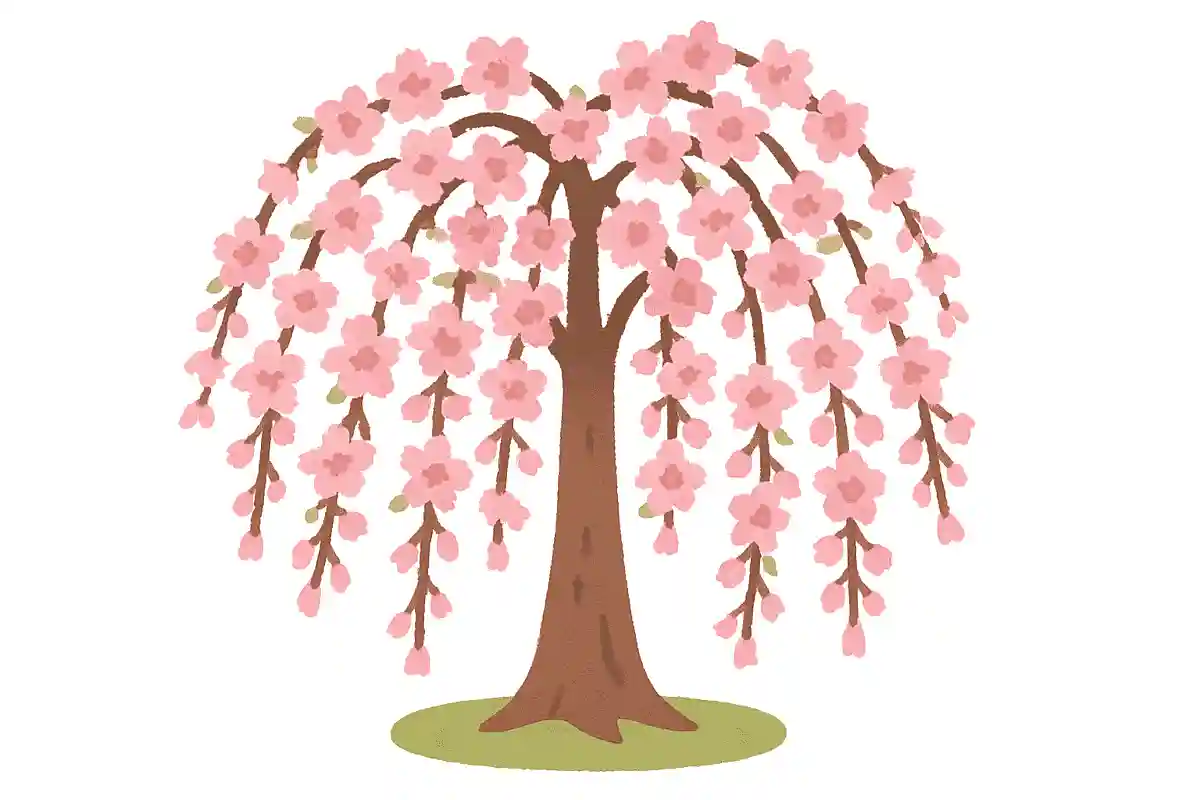
How do you read “枝垂桜”?
See the answer
weeping cherry (tree)
It is a type of cherry tree that produces pink blossoms on long, drooping branches in spring. The elegantly swaying flowers resemble a spring haze and bring a sense of calm to those who see them. Its flower meanings are “grace,” “purity,” and “spiritual beauty,” and it brightens spring landscapes in gardens and along rivers. Modest yet striking, it is a beautiful flower that symbolizes spring in Japan, and simply seeing it in bloom brings peace to the heart.
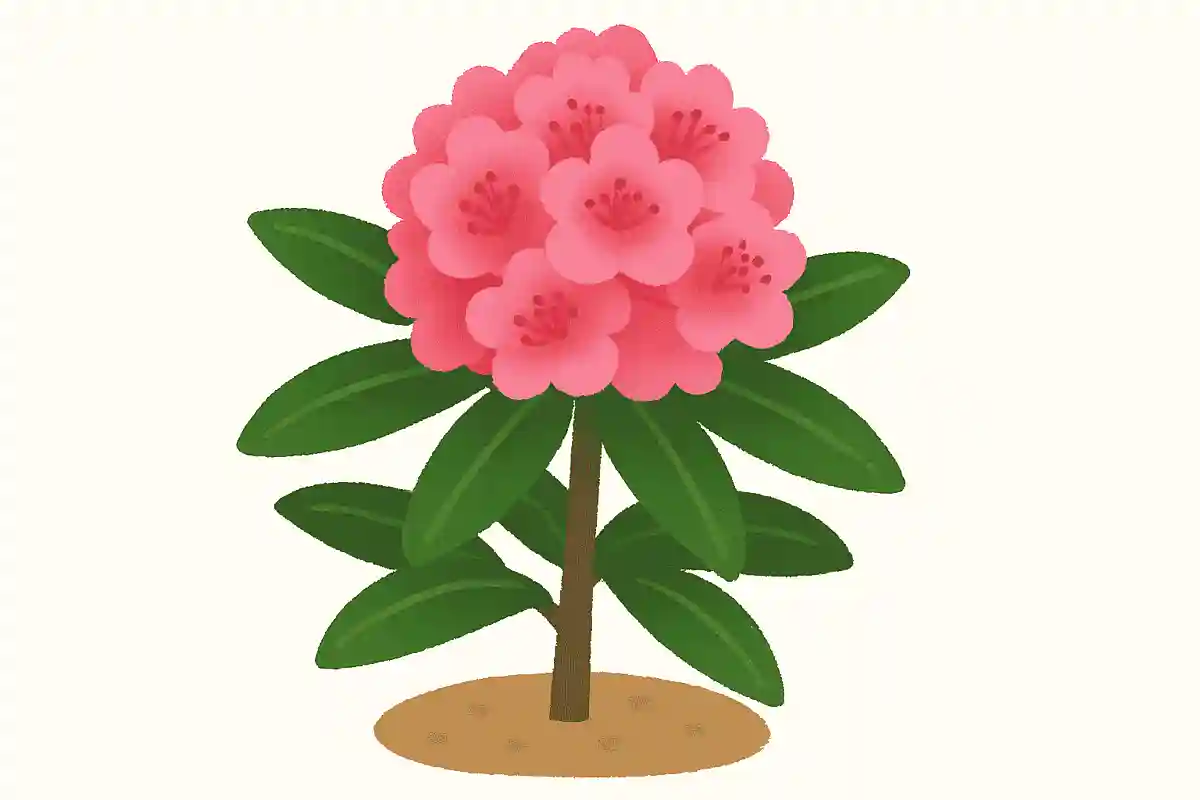
How do you read “石楠花”?
See the answer
rhododendron
Rhododendrons are evergreen shrubs that produce large, showy blossoms from spring to early summer. Their vivid colors—red, pink, white, and purple—make them a common sight in gardens and in the wild. Their flower language is “dignity,” “prudence,” and “wariness,” reflecting their captivating beauty. With a luxurious appearance and commanding presence, these flowers brighten the spring landscape the moment you look up at them.
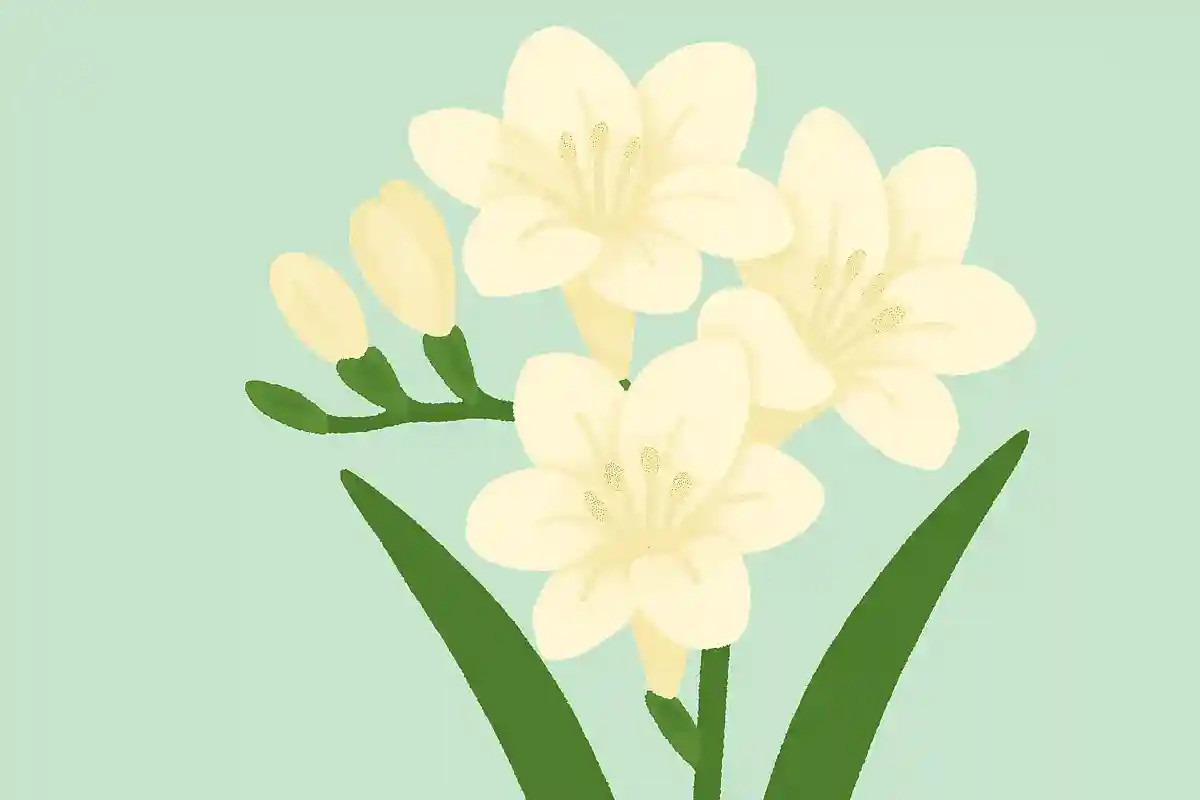
How do you read “香雪蘭”?
See the answer
freesia
Known in Japanese as freesia, it’s a charming plant that blooms in spring with small, white, bell-shaped flowers. The blossoms have a gentle air, and their subtle swaying is captivating. Its flower meanings are “pure heart” and “calmness,” and planting it in a garden or flower bed evokes the feeling of spring’s arrival. Modest yet refreshingly fragrant and graceful, it brings a sense of comfort to those who look at it.