


When spring comes, beautiful flowers color the towns and the fields and mountains.
When those flowers are written in kanji, you might unexpectedly find yourself thinking, “Which flower was that again?” Even flower names we usually see in katakana or hiragana can feel completely different when written in kanji.
So in this article, we present a general-audience kanji quiz about spring flowers! It’s a quiz where you answer the readings, so try solving it while picturing spring flowers.
Now then, how many can you get right?
- How do you read this? Check your general knowledge with a kanji reading quiz about flowers!
- [For Elementary Students] Flower Kanji Quiz! How many flowers do you know?
- [Trivia] Challenge! Spring General Knowledge Quiz
- Brain training with spring kigo! A collection of ideas for common words you can use in haiku and conversation
- How many can you solve? Test your spring knowledge with a trivia quiz about March!
- How many can you read? A quiz on difficult kanji for foods
- A quiz of interesting obscure kanji: characters that look easy but are hard to read
- Can You Read These? Quiz on Kanji with Many Strokes
- [Hard-to-Read Quiz] Single-character difficult kanji — including surprisingly simple ones!
- [Sakura Quiz] Trivia & Fun Facts Quiz about Cherry Blossoms for Kids
- A quiz on how to read obscure kanji: words that become difficult when written in kanji.
- Trivia about cherry blossoms: a roundup of fun facts to make springtime hanami even more enjoyable
- How many can you read? Test your trivia skills with a brain-twisting ateji quiz!
How many can you read? Test your general knowledge with a spring flower kanji quiz (1–10)
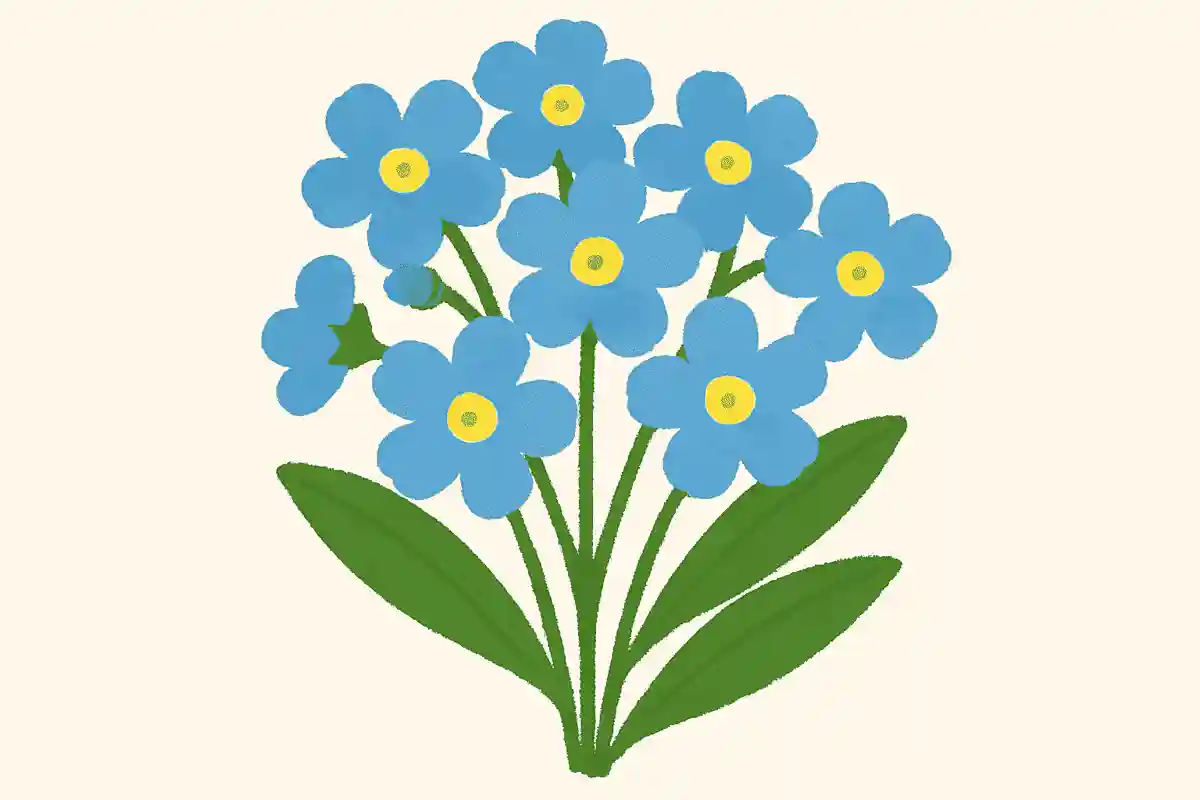
How do you read “勿忘草”?
See the answer
Forget-me-not
The charming forget-me-not, which blooms with small blue flowers in spring. As its name suggests, it carries the meaning “don’t forget,” and is sometimes given as a symbol of friendship and love. Its flower meanings are “Forget me not” and “true love.” Though small, it has a strong presence, and its quietly blooming姿 leaves a gentle impression on the heart. It’s a spring flower that, when spotted in a garden or field, brings a calm, comforting feeling.

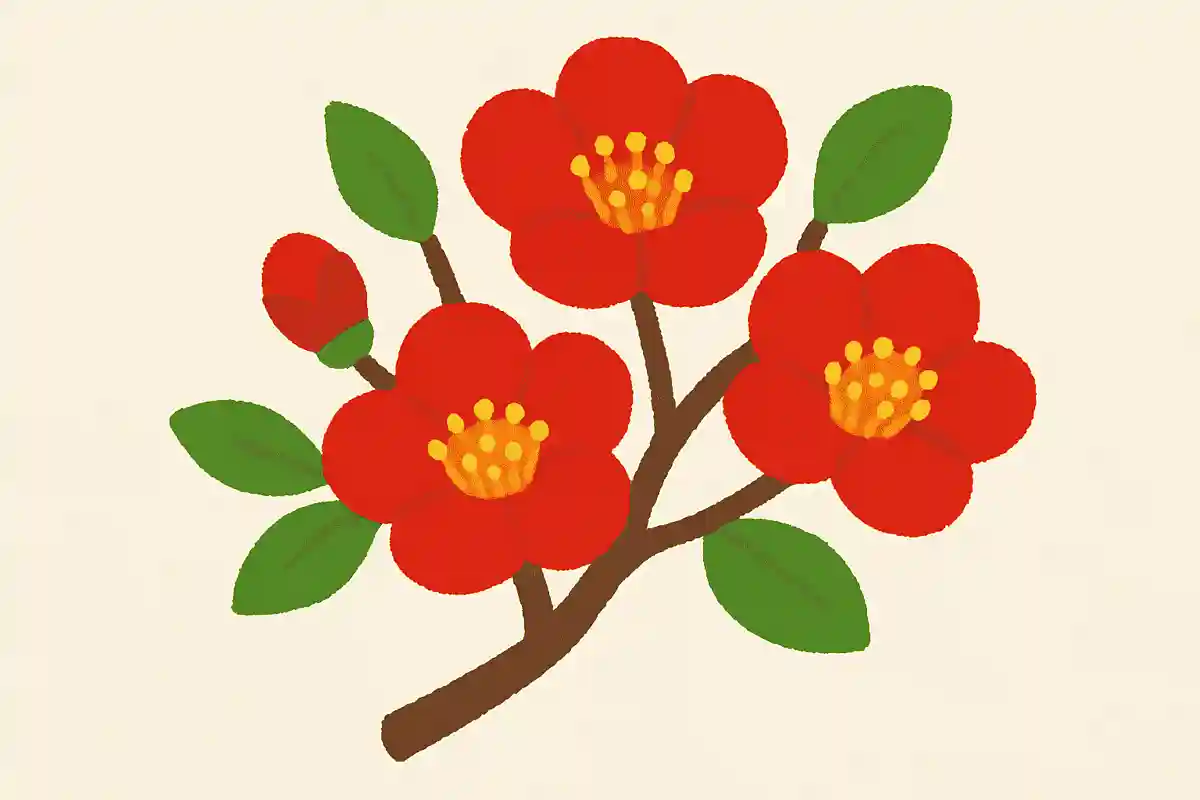
How do you read “木瓜”?
See the answer
bokeh
Quince is a small, low-growing shrub that blooms with vivid red and pink flowers in spring. Its name comes from the fruit “mokka” (Japanese quince), but it is cherished for the beauty of its blossoms. Its flower meanings are “guidance,” “mediocrity,” and “precocity,” and it stands out in spring gardens and parks. Modest yet bright and glamorous, it’s a familiar flower that heralds the arrival of spring and warms the heart just by looking at it.
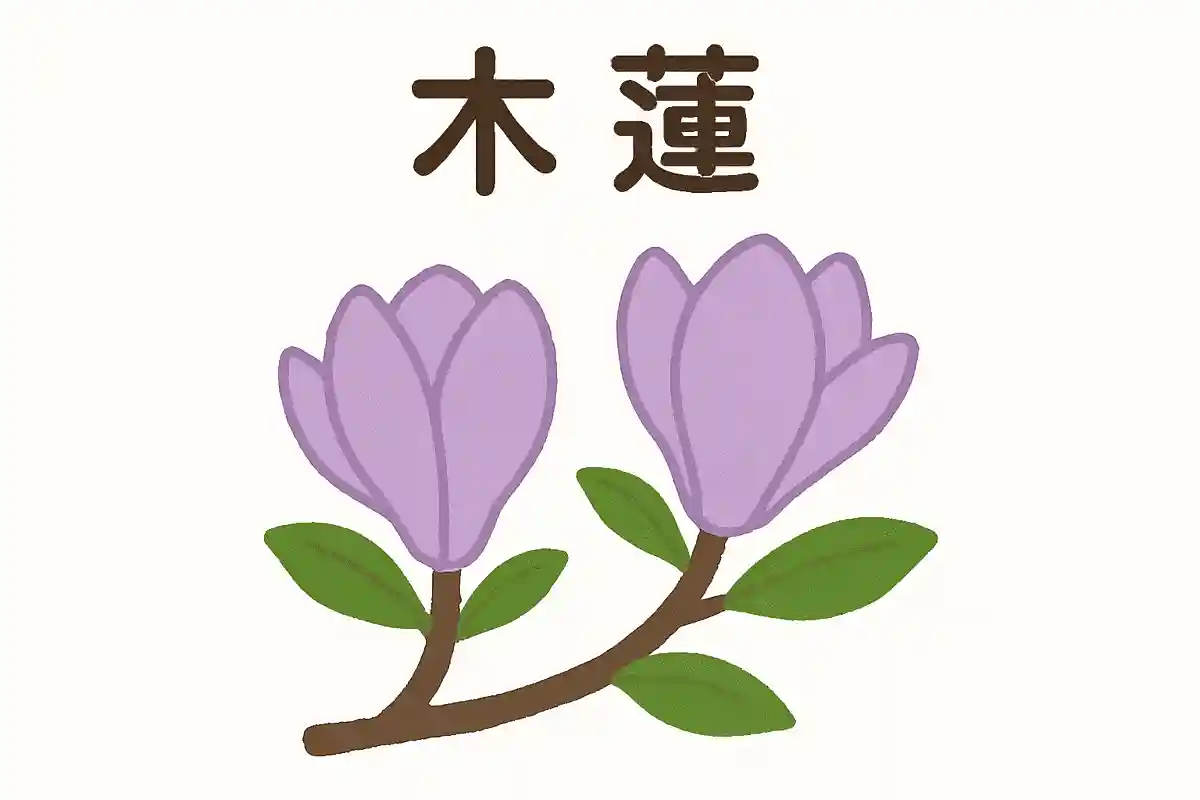
How do you read “木蓮”?
See the answer
magnolia
Magnolias are trees whose large, striking blossoms bloom in spring. Their white, pink, and purple flowers open all along the branches, announcing the arrival of spring in a dazzling display. Their flower language signifies “nobility” and “love of nature,” leaving a memorable impression of beauty. Often seen in gardens and as street trees, these stately symbols of spring lift the spirit when you look up at them.
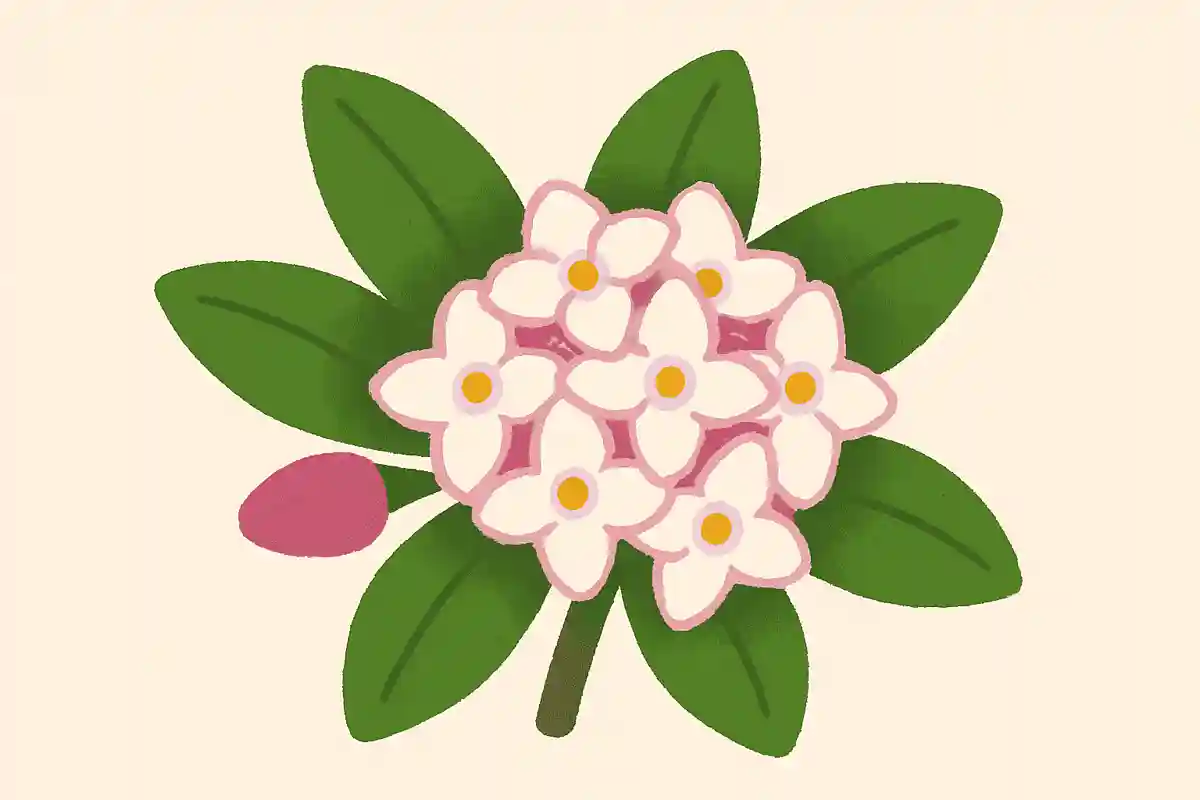
How do you read “沈丁花”?
See the answer
Daphne odora
It is a flower that blooms in tight clusters in spring and releases a sweet, strong fragrance. The flowers come in white and reddish purple, and their scent evokes the arrival of spring. Its flower language is “glory” and “eternal love,” and it has long been cherished as a garden shrub. Small yet striking, it is a beloved, familiar harbinger of spring that brings calm to the heart when enveloped in its fragrance.
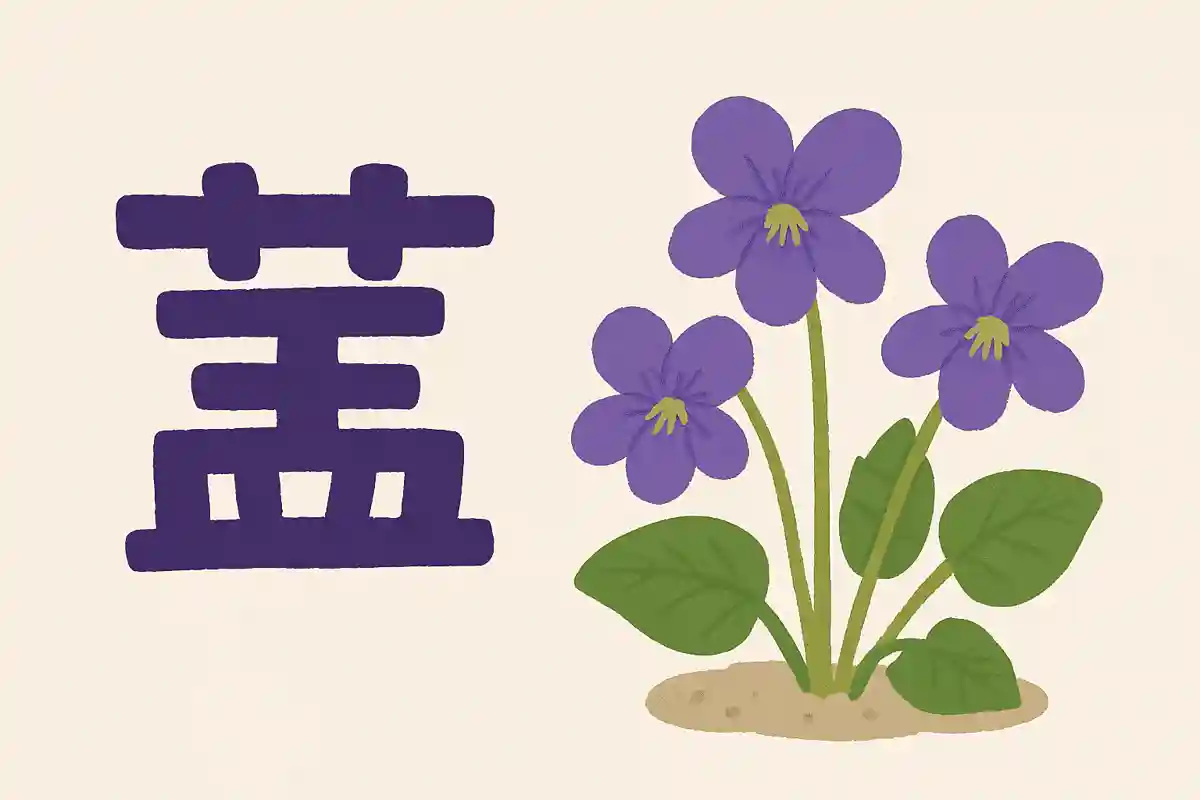
How do you read “菫”?
See the answer
Violet
The small and charming spring flower, the violet. It blooms quietly in fields and gardens, in shades of purple, white, and yellow. Its name has ancient origins and often appears in classical Japanese poetry such as waka and haiku. Its flower meanings are “humility” and “sincerity,” making it a modest yet memorable presence. As a herald of spring, it’s familiar to everyone, and spotting it on a walk brings a gentle moment of happiness.
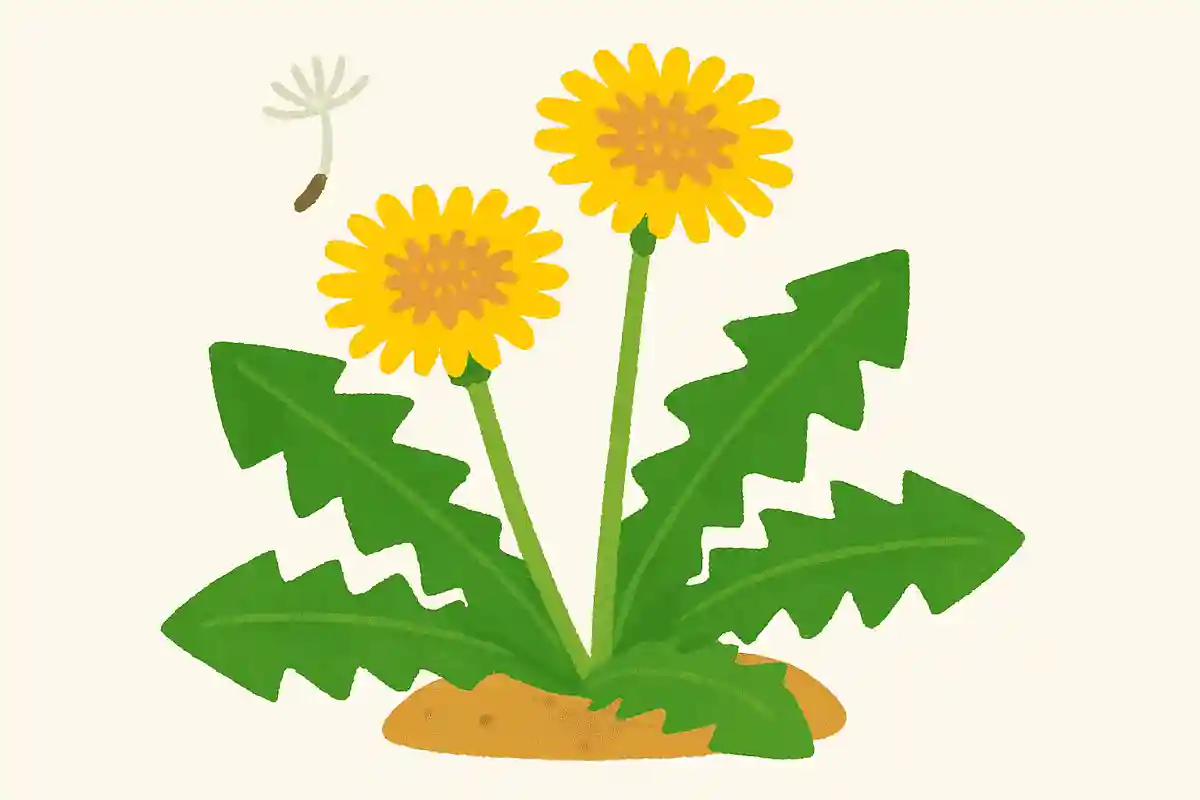
How do you read “蒲公英”?
See the answer
dandelion
Dandelions are familiar flowers that bloom with yellow blossoms in fields and along roadsides when spring arrives. Their seeds turn into fluffy tufts that ride the wind and travel far, and children sometimes blow on them for fun. Their flower language meanings are “thoughtfulness” and “parting,” giving them a lively and bright image. As a hardy, familiar spring flower, they bring small joys to everyday life and signal the changing seasons.
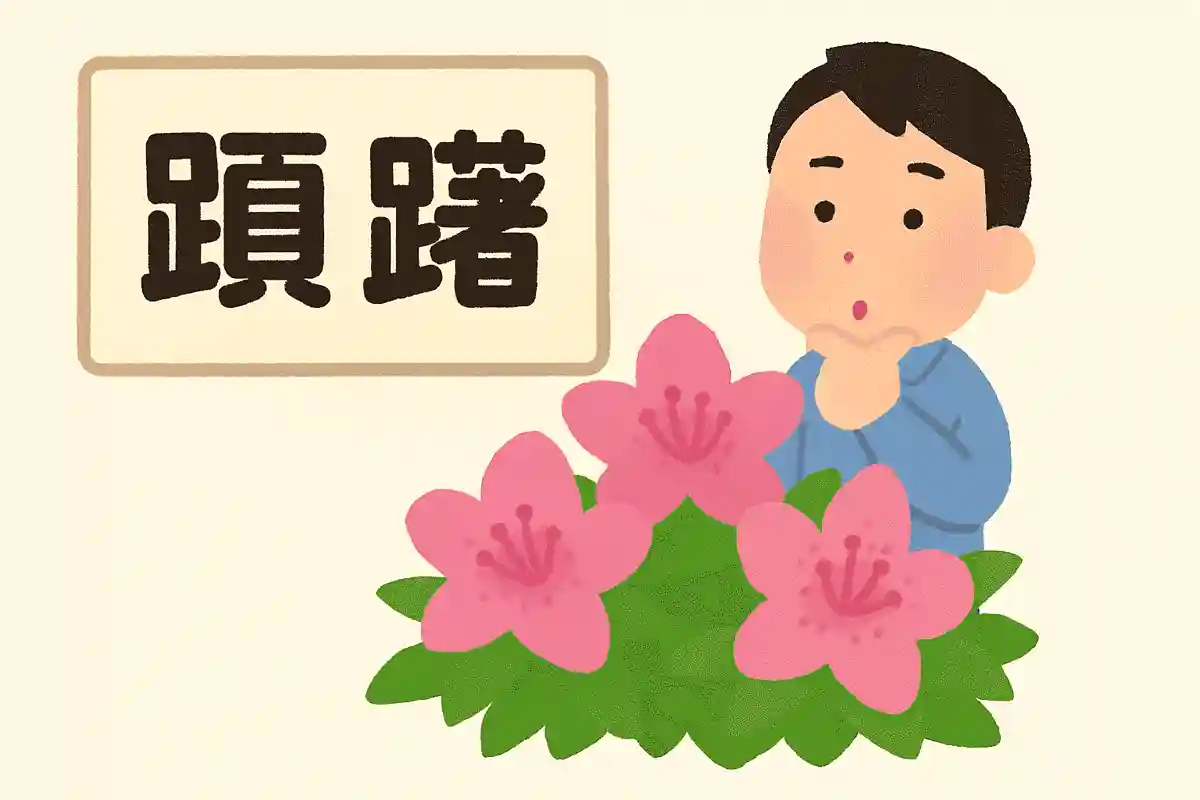
How do you read “躑躅”?
See the answer
azalea
Azaleas are low-growing shrubs that burst into vibrant blooms in spring. They come in a variety of colors—red, pink, white, and purple—adding a lively touch to gardens and parks. Their flower language signifies “temperance” and “the joy of love,” making them a symbol of spring’s arrival. Though their appearance is showy, their soft petals and delicate branches are part of their charm, and spotting them on a walk or in a front yard can brighten your mood.