

How many can you read? Test your general knowledge with a spring flower kanji quiz

When spring comes, beautiful flowers color the towns and the fields and mountains.
When those flowers are written in kanji, you might unexpectedly find yourself thinking, “Which flower was that again?” Even flower names we usually see in katakana or hiragana can feel completely different when written in kanji.
So in this article, we present a general-audience kanji quiz about spring flowers! It’s a quiz where you answer the readings, so try solving it while picturing spring flowers.
Now then, how many can you get right?
- How do you read this? Check your general knowledge with a kanji reading quiz about flowers!
- [For Elementary Students] Flower Kanji Quiz! How many flowers do you know?
- [Trivia] Challenge! Spring General Knowledge Quiz
- Brain training with spring kigo! A collection of ideas for common words you can use in haiku and conversation
- How many can you solve? Test your spring knowledge with a trivia quiz about March!
- How many can you read? A quiz on difficult kanji for foods
- A quiz of interesting obscure kanji: characters that look easy but are hard to read
- Can You Read These? Quiz on Kanji with Many Strokes
- [Hard-to-Read Quiz] Single-character difficult kanji — including surprisingly simple ones!
- [Sakura Quiz] Trivia & Fun Facts Quiz about Cherry Blossoms for Kids
- A quiz on how to read obscure kanji: words that become difficult when written in kanji.
- Trivia about cherry blossoms: a roundup of fun facts to make springtime hanami even more enjoyable
- How many can you read? Test your trivia skills with a brain-twisting ateji quiz!
How many can you read? Test your general knowledge with a spring flower kanji quiz (11–20)
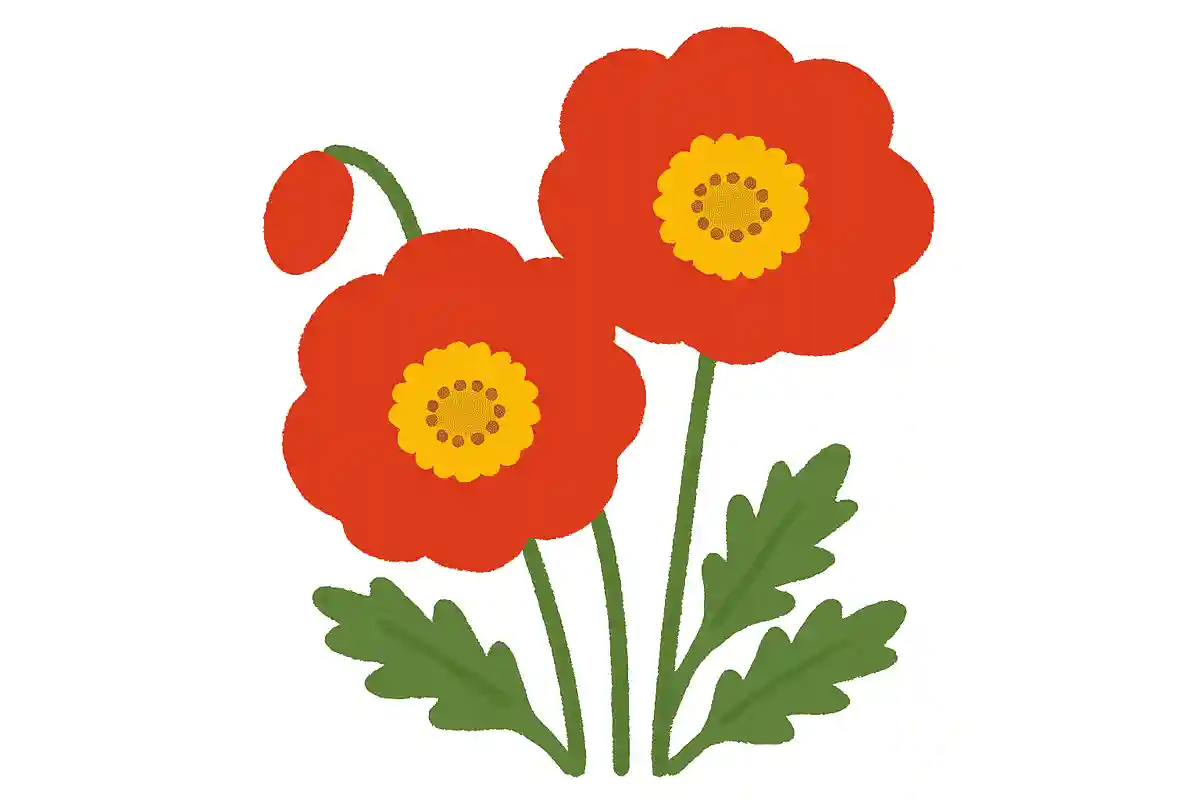
How do you read “雛罌粟”?
See the answer
poppy
It’s a charming plant that blooms with vivid red and orange flowers in spring. The petals are thin and soft, and the way they sway in the wind is truly beautiful. Its floral meanings are “comfort,” “compassion,” and “sleep,” leaving a gentle, lingering impression. When you come across it in fields or gardens, it brightens your mood and energy—a familiar flower that colors the spring season.

In conclusion
How many questions did you get right on the general spring flowers kanji quiz? Even flowers we see every day can feel fresh and surprising when written in kanji—“So that’s how it’s written!” This kind of knowledge can also help spark and broaden conversations. When you spot flowers with the arrival of spring, try picturing their kanji too!