


When you feel the arrival of spring, certain seasonal words naturally slip off the tongue, don’t they? The “seasonal words of spring,” which can be casually woven into haiku, letters, and everyday conversation, are filled with a uniquely Japanese sense of beauty.
In this article, we’ll introduce a wide range of commonly used spring kigo.
From familiar expressions to surprising discoveries that make you think, “Is that a seasonal word too?”, you’ll find plenty of hints for savoring the season.
Try incorporating them into your daily life.
- [For Elementary School Students] Spring Kigo for Haiku Writing! A Collection of Fun, Easy-to-Memorize Ideas
- [For Middle School Students] Also Helpful for Haiku Writing! A Collection of Famous Haiku Using Spring Seasonal Words
- For elementary school students! A recommended collection of famous haiku using spring kigo
- How many can you read? Test your general knowledge with a spring flower kanji quiz
- Let's enjoy learning winter seasonal words! A collection of easy-to-use word ideas for elementary school students
- Makes you want to compose a haiku! A roundup of commonly used autumn kigo (seasonal words)
- [Spring Quotes] Glamorous words perfect for adding color to a new beginning
- [For General Readers] List of Summer Kigo: Evocative Everyday Words of Summer
- Surprisingly little-known winter season words! A collection of everyday, easy-to-use vocabulary ideas
- [Trivia] Challenge! Spring General Knowledge Quiz
- How many can you solve? Test your spring knowledge with a trivia quiz about March!
- [For Elementary School Students] Trivia About April
- [For Elementary Students] A Collection of Beautiful Four-Character Idioms to Know
Brain training with spring kigo! A collection of ideas for common words you can use in haiku and conversation (1–10)
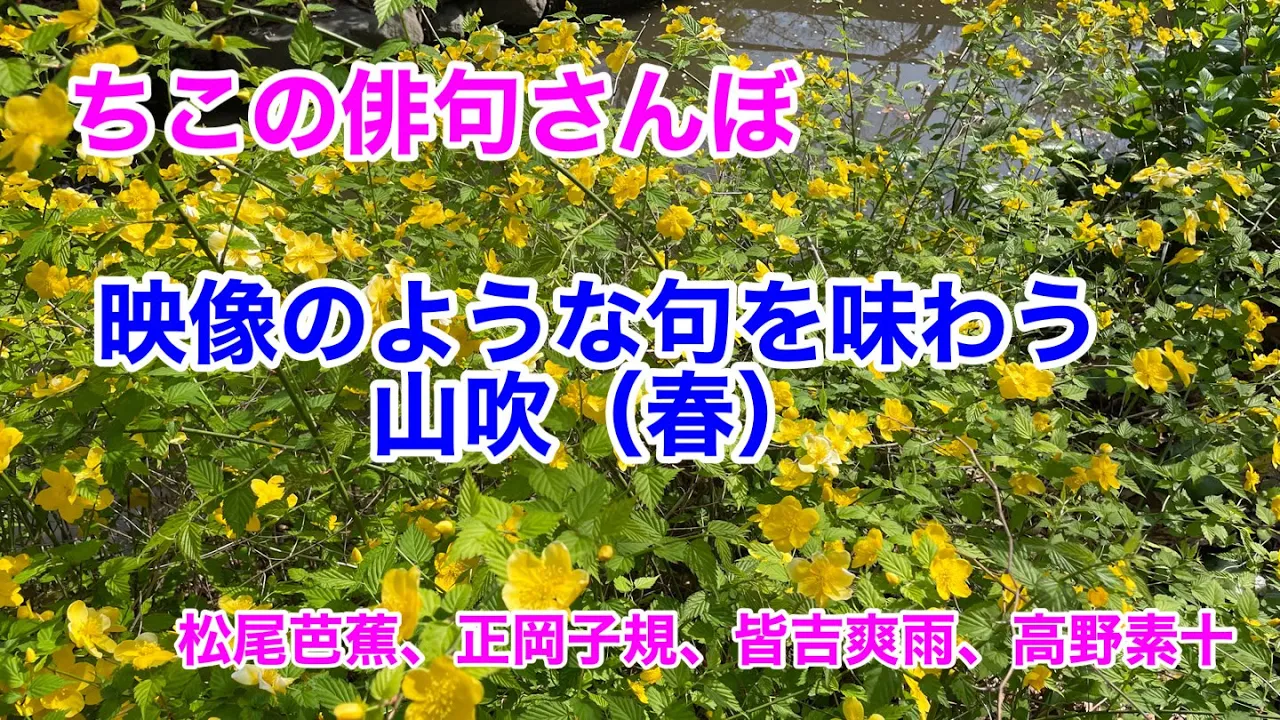
Japanese kerria

It refers to small wild herbs and shrubs that bloom with vivid yellow flowers in spring.
They blossom in mountain villages, along rivers, and by roadsides, and their modest yet eye-catching hue conveys the brightness and joy of spring.
In haiku, the word is often used to express the arrival of spring, the breath of life, and the colors of nature shining in gentle sunlight.
If you look at kerria blooming by the roadside, or picture the flowers swaying in the wind and the yellow glowing in soft light as you write, a springlike scene will naturally unfold.

spring soil

It’s a word that describes the earth loosening after being frozen through the winter, the soil turning soft.
As the snow melts and the sun warms the ground, you can sense a gradual warmth and dampness, and a hint of life spreads as if grasses and flowers are preparing to sprout.
In haiku, it’s often used to express the arrival of spring, the beginning of new life, and nature awakening.
You might gently feel the change of seasons by saying, “Even the soil in the fields has become spring soil.” When you use it while picturing the softness underfoot and nature waiting to bud, a springlike scene naturally unfolds.
spring mountain

These are words that describe a spring mountain scene where the winter snow is gradually melting and fresh greens and buds begin to appear on the slopes.
There may still be a faint trace of winter, but the sunlight and the air clearly carry the gentleness of spring, giving the whole mountain the feeling of slowly coming back to life.
In haiku, it is often used to depict the arrival of spring, nature’s awakening, and quiet, peaceful landscapes.
If you use it in conversation while picturing the budding of mountains and trees, a springlike scene will naturally unfold.
Spring Day

It’s a phrase that describes a calm day wrapped in the gentle sunshine of spring.
The sharp chill of winter eases, and the light feels warmly softened.
Step outside and even the air is tender—you might feel your heart loosen and relax.
In haiku, it’s often used to evoke tranquil scenery and the quiet flow of springtime.
It’s a word that gently conveys the season’s kindness.
Picture bright light that makes you want to take a walk and a laid‑back state of mind, then try putting that feeling into words.
Spring Star

It’s a gentle expression for the stars seen in the spring night sky.
Unlike the sharp brilliance of winter constellations, spring’s hazier air makes the stars feel calmer and softer.
In haiku, it’s often used to evoke the quiet atmosphere of a spring night and the unhurried flow of time.
It’s also nice to enjoy a relaxed conversation while gazing up at the night sky, imagining spring’s tranquil air and stillness.
Put into words, the sense of the season comes through naturally.
Spring Moon

“The spring moon” refers to the moon that gently floats in the spring night sky.
Compared to the winter moon, it appears softer and faintly hazy, and gazing at it brings a calm, unhurried feeling to the heart.
In haiku, it is often used to depict quiet nighttime scenes or the gentle, tranquil mood of spring.
Even just saying, “The spring moon is beautiful tonight,” adds a tender, seasonal touch to a conversation.
Without overthinking it, you can use the phrase naturally by putting into words the feeling you get when you happen to look up at the sky on a spring night.
Spring Mud
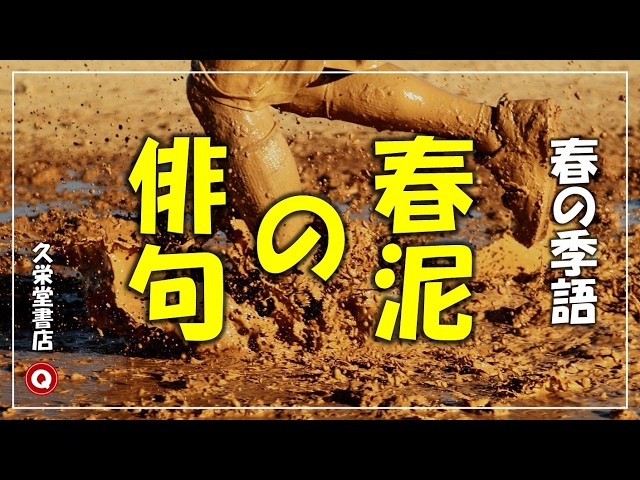
It refers to mud that has become waterlogged and soggy as the ground absorbs meltwater and spring rain.
Soil that was frozen hard through winter softens, and with melted snow and rainwater mixed in, roads and fields turn pliant.
When you walk, mud may stick to your shoes, and it can feel a bit harder to get around, yet that very scene conveys that winter has ended and the season is shifting into spring.
In haiku, it is often used to depict the landscapes around the time of snowmelt and the beginnings of spring in people’s everyday lives.