

![[Tanabata Quiz] Three-choice questions to enjoy trivia and fun facts](https://media.ragnet.co.jp/img/1200__png__https://www.studiorag.com/files/2025/05/f990fd55af3ea5800966cf73000aab4f.webp)

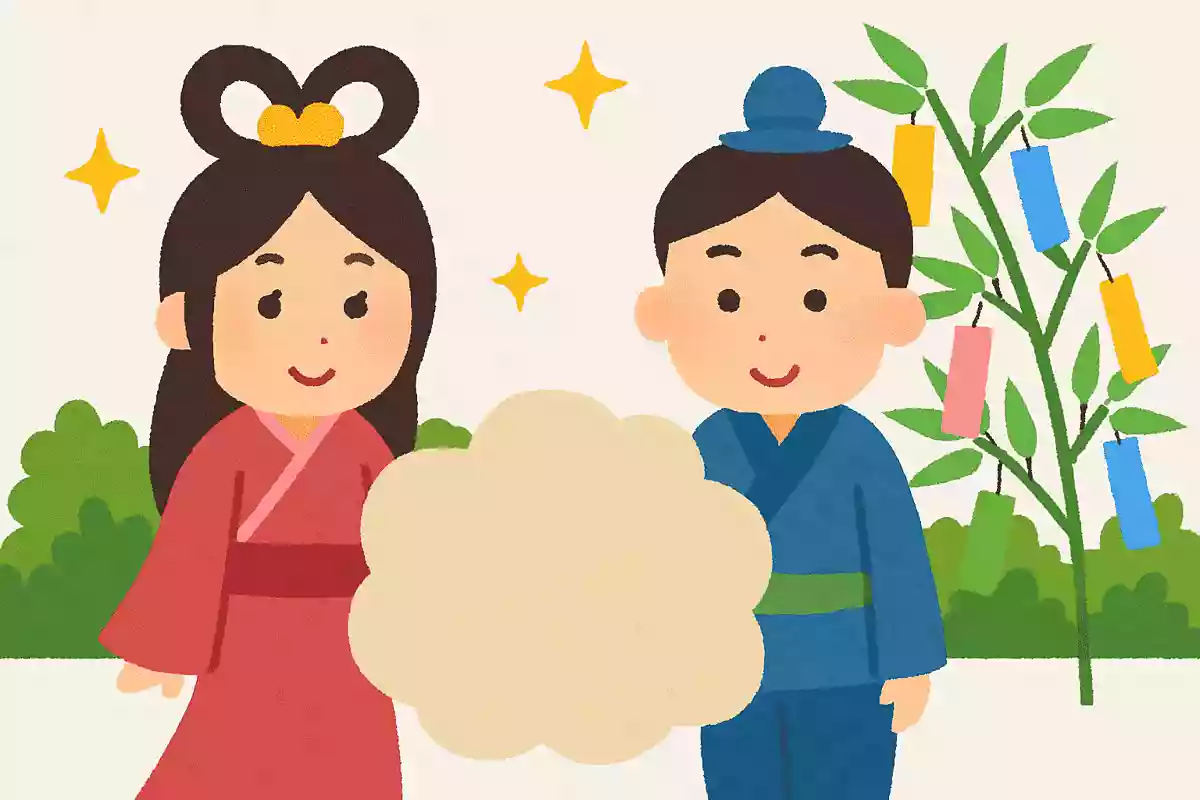
Tanabata is a festival where a romantic story unfolds about Orihime and Hikoboshi, who can meet only once a year on a special night.
It’s also cherished as a traditional celebration, with a bittersweet yet heartwarming tale passed down through generations.
Some of you may want to delve deeper into the romantically tinged atmosphere of Tanabata.
In this article, we’ve compiled a quiz themed around the history and trivia of Tanabata.
We’ll present many questions that teach fun facts, such as why we write wishes on tanzaku strips and decorate bamboo.
Give these quizzes a try to make your Tanabata festivities even more enjoyable!
- Surprisingly unknown? Trivia Quiz [Multiple Choice: 3 Options]
- Collection of trivia and fun facts about stars shining in the night sky
- Fun facts about the Moon. A rapid-fire quiz!
- Become a trivia master with a multiple-choice quiz for elementary schoolers! A fun problem collection that captivates both kids and adults
- Trivia and fun facts about July, including tidbits about Tanabata.
- [For Elementary School Kids] A New Year’s Quiz Everyone Can Enjoy! Learn surprising fun facts with multiple-choice questions
- Make your summer festival even more fun! Trivia quizzes and fun facts for kids
- Space trivia quiz: Multiple-choice questions about the planets of the solar system and astronauts
- How many can you get right? A tricky 3-choice trivia quiz you'll want to tell someone about
- Enjoy summer festivals even more! Trivia quiz & fun facts collection
- February trivia quiz: three-choice questions on seasonal fun facts like Setsubun and Valentine’s Day
- How many can you solve? A three-choice trivia quiz about Halloween
- A multiple-choice quiz with three options for upper elementary students. Fun questions that build thinking skills.
[Tanabata Quiz] 3-Choice Questions to Enjoy Fun Facts and Trivia (1–10)
What do the five colors of Tanzaku (wish strips) for Tanabata mean?

- Based on the Yin-Yang and Five Elements theory
- It represents the change of seasons.
- Symbols of the Seven Lucky Gods
See the answer
Based on the Yin-Yang and Five Elements theory
The five colors used for Tanabata tanzaku (paper strips) are based on the ancient Chinese theory of yin-yang and the five elements. In this theory, the elements of the universe are classified into five—wood, fire, earth, metal, and water—and are believed to have a profound influence on the natural world and human life. Each tanzaku color symbolizes one of these elements and is said to represent harmony and balance.

In which country did Tanabata originate?
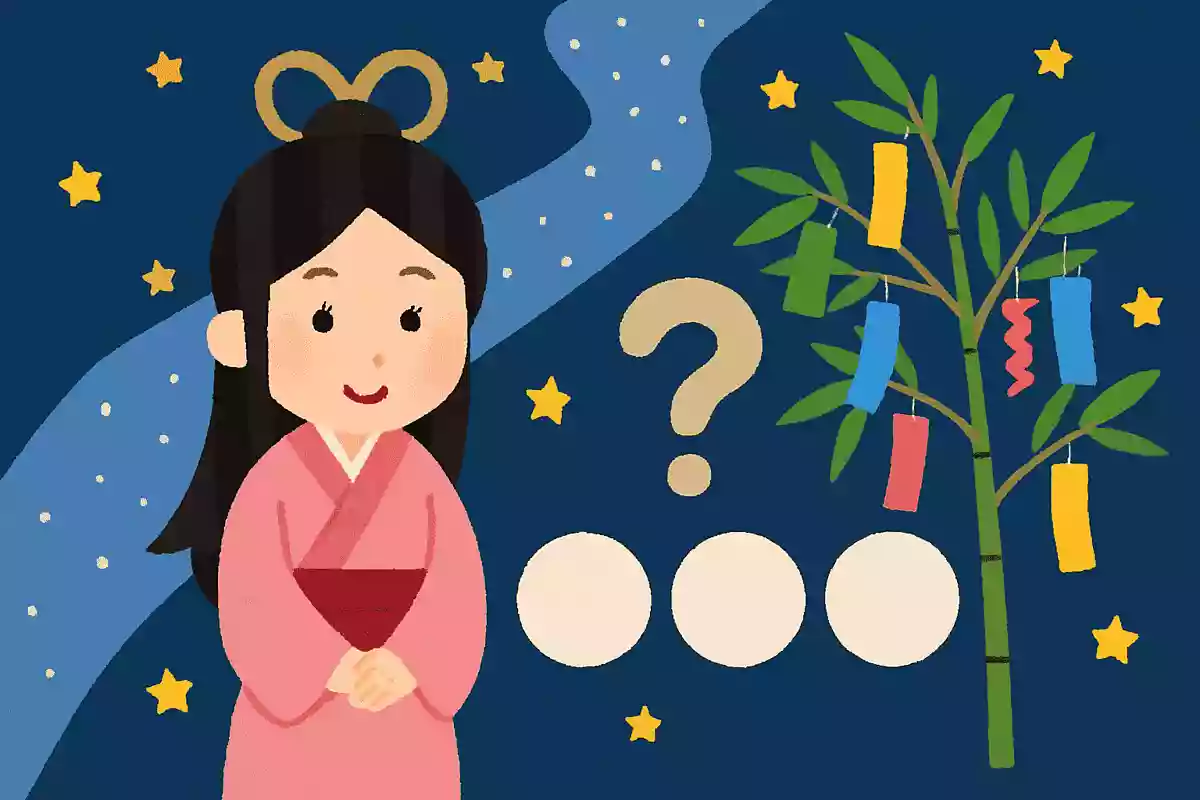
- China
- Japan
- South Korea
See the answer
China
The Tanabata Festival has its origins in an ancient Chinese legend. This legend tells the story of Altair (Hikoboshi) and Vega (Orihime), who are separated by the Milky Way and can meet only once a year. It derives from the Chinese observance known as Qixi (Qiqiao Festival).
What is the relationship between Orihime and Hikoboshi?
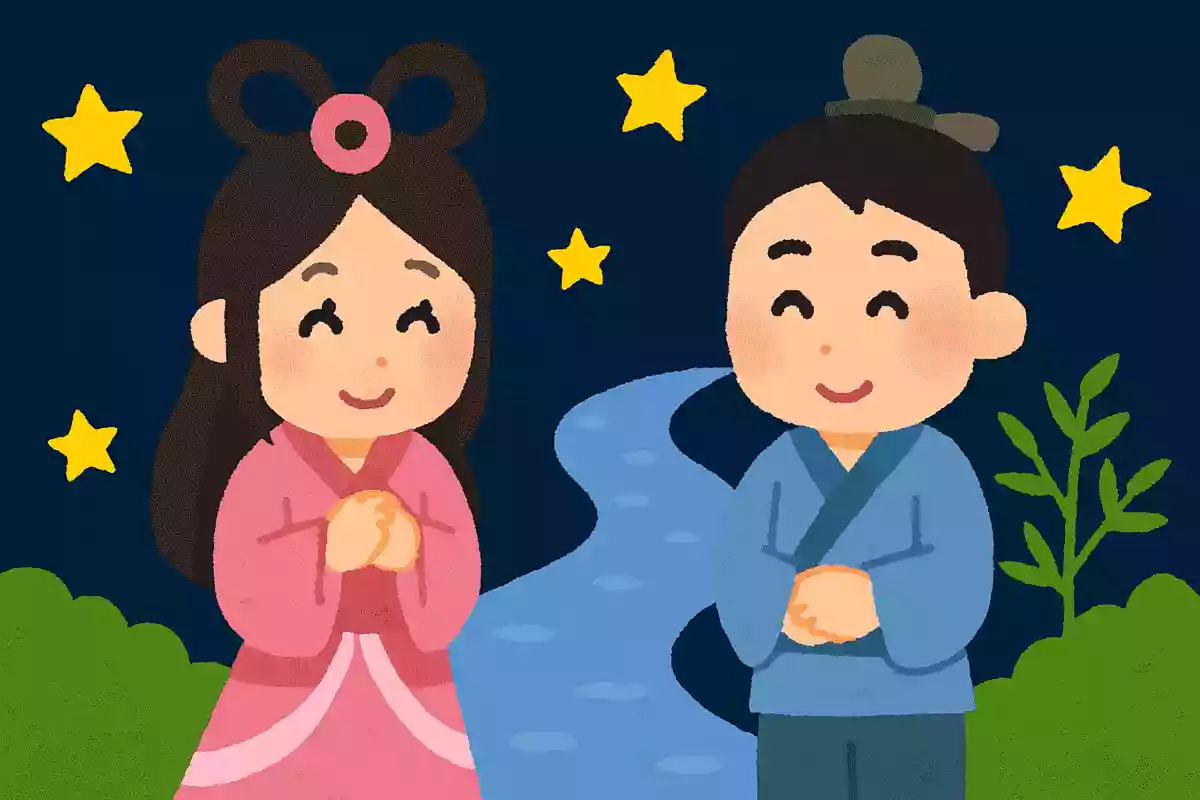
- Friend
- siblings (older brother and younger sister)
- married couple
See the answer
married couple
Orihime and Hikoboshi are husband and wife in the legend of Tanabata. This legend originates from an old Chinese tale and spread in Japan during the Heian period. Although the two are separated by the Milky Way, it is said that they can meet once a year on the night of July 7.
Why can Orihime and Hikoboshi meet only once a year?

- Because work is too busy
- Because the relationship between the two worsened
- Because the enraged Heavenly Emperor tore the two apart.
See the answer
Because the enraged Heavenly Emperor tore the two apart.
According to the Tanabata legend in question, Orihime and Hikoboshi originally lived happily, but they became so absorbed in their romance that they neglected their work, for which the Heavenly Emperor severely rebuked them. Enraged, the Emperor separated them to opposite banks of the Milky Way. Since then, it is said that they are allowed to cross the Milky Way and meet only once a year, on the day of Tanabata. This is the background to making wishes during Tanabata each year.
What do you call the rain that falls on Tanabata?
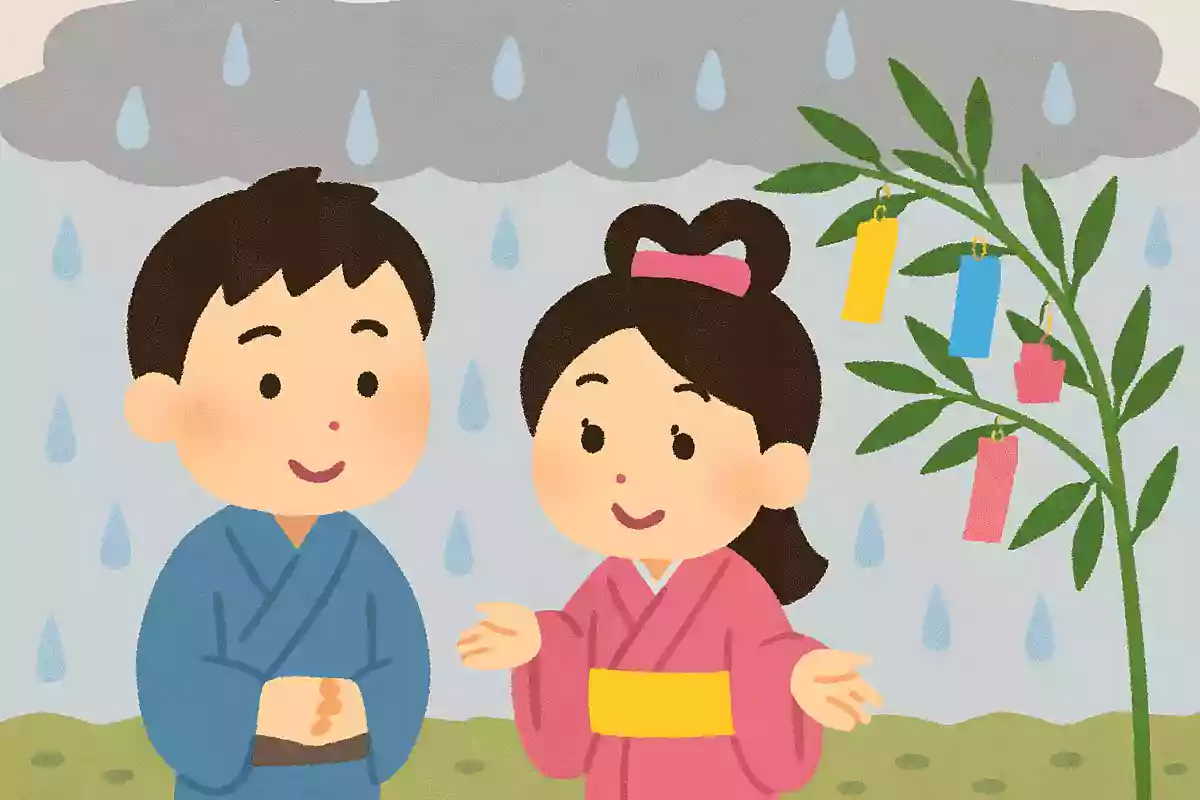
- Love Rain
- Love Rain
- tears-inducing rain (literally “tear-evoking rain”; often used poetically for rain that seems to bring tears or is associated with sorrow)
See the answer
tears-inducing rain (literally “tear-evoking rain”; often used poetically for rain that seems to bring tears or is associated with sorrow)
The rain that falls on Tanabata is called “tear-bringing rain.” This expression depicts Orihime and Hikoboshi weeping in sorrow when they cannot reach each other on their once-a-year rendezvous. It is said that their tears become the falling rain, giving the scene a poetic atmosphere.
What is the origin of the name Tanabata?
- Intersection of the Stars
- A night when wishes come true
- A machine that weaves the gods’ kimono
See the answer
A machine that weaves the gods’ kimono
It is because the machine used to weave the gods’ garments was called tanabata (棚機), and the women who did the weaving were called tanabatatsume (棚機女). There is also a theory that the festival is called Tanabata because the event was held every year on the evening of July 7.
When do you start putting up Tanabata decorations?

- Evening to night on July 1
- From the evening to the night of July 6
- On July 7
See the answer
From the evening to the night of July 6
It’s said that Tanabata decorations should be put up from the evening to the night of July 6 to welcome the deities, and taken down on the 7th. The gods return on the 7th, taking your wishes back with them at that time.
