

Recommended for elementary school students! Science fair topics & craft ideas


Speaking of summer vacation, choosing a topic for the independent research project can often be tough.
Science experiments and crafts are both fun! If your child is good at crafts, we recommend crafts because they can enjoy the process as they go.
When they get absorbed in it, they might even finish in just a few days.
Here, we’ll introduce a variety of ideas for independent research and crafts! If you’re struggling to pick a theme, please use these as a reference.
To create fun summer memories, make a one-of-a-kind project of your own!
- For summer vacation homework! Simple and amazing crafts for elementary school students that you’ll want to make after seeing them
- Simple yet amazing crafts: craft ideas that elementary school students will want to make
- Elementary School Students: Simple One-Day Science Project and Craft Ideas
- DIY science projects that elementary school boys will love: ideas you can make with everyday materials
- [For Upper Elementary Students] Simple but Awesome! A Collection of Summer Vacation Craft Ideas
- For upper-grade boys! Simple yet awesome craft project [Don’t call it lazy]
- Fun crafts using straws
- Recommended for lower elementary school students! A collection of plastic bottle craft ideas made with everyday materials.
- Simple and cute summer project crafts! A collection of ideas for girls that will make you want to create
- [Middle School Students] Easy One-Day Science Projects and Crafts Ideas
- Toys you can make from cardboard crafts! Authentic ideas you can build and play with
- Simple but awesome! Craft ideas for upper-grade girls
- Crafts parents and kids can enjoy together. Recommended craft ideas to keep children entertained.
For lower grades (21–30)
Let’s make a squishy.

A popular toy among young children: squishies.
Wouldn’t it be amazing if you could make food-lookalike squishies yourself? Try different ideas, like using potpourri to recreate a crunchy texture, or putting slime inside to make it stretchy like cheese.
If you also research the materials you use, it can make a great independent study project.
Let’s make a marble maze

Haven’t we all played a maze where you roll a small ball to the goal without falling into pits? With a marble and some cardboard, you can make one yourself as a craft project.
The more pits you add, the harder it gets.
It’s fun for the whole family, and it might be interesting to keep track of how many times you can reach the goal.
Peeking Planetarium
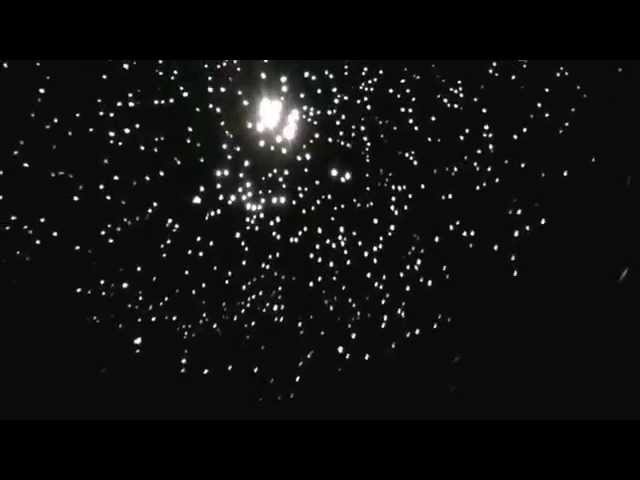
Let’s make a star-filled sky—something we rarely see nowadays—using a tube and trays! Prepare two food trays and one black tube sized to fit the trays.
Use a needle to poke holes in one of the trays to represent the stars.
The key to recreating a realistic night sky is to make the holes with spacing and brightness (size) that match real stars.
In the other tray, make a peephole.
Attach the trays to the ends of the tube, and you’re done! You can decorate the outside of the tube, or attach silhouettes of trees and buildings inside to depict the night sky as seen from a town.

Let’s make pressed flowers

In the past, people made pressed flowers by sandwiching them in tissues and weighing them down, but these days there are many easier ways to make them look even nicer.
There are kits for pressed flowers that use a microwave or come with special drying sheets.
Still, if you want to try the traditional method, it’s appealing because you can use things you already have at home—like tweezers, tissue paper, cardboard, and weights.
And you don’t have to go out of your way to buy flowers; you can simply pick some growing along the roadside.

underwater soap bubbles
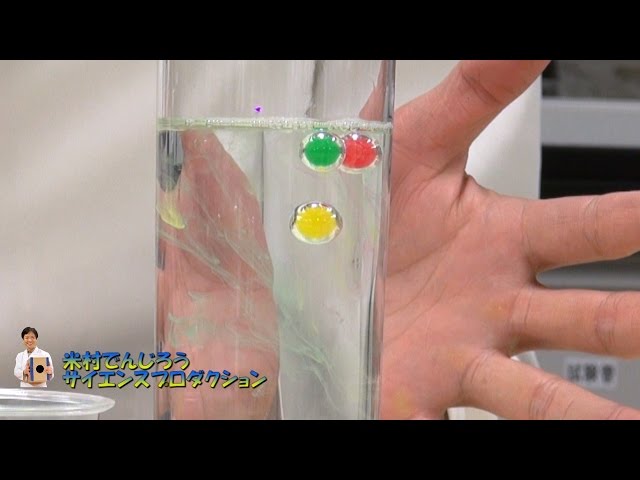
Make soap bubbles underwater.
Here’s how: Fill a cup with water, add just a tiny bit of detergent, and mix well.
Insert the lower end of a straw about 5 centimeters into the water, and cover the hole at the top end of the straw with your finger.
Lift the straw out of the water, hold it about 1 centimeter above the water’s surface, then remove your finger from the top hole.
This will create soap bubbles underwater.
It’s safe and requires no strength, so it’s an easy and highly recommended science project for lower elementary school students—fun for anyone, regardless of gender!

Secret piggy bank

This is a piggy bank made using a clear plastic container you can find around the house.
Even when you put money in, you can’t see it, making it feel like the money has disappeared—such a mysterious piggy bank! Since many people make piggy banks as a summer vacation project, I think it would be fun to try something a little different like this.
Let’s make a herbarium

Herbarium, which is popular among women as interior decor, originally refers to “plant specimens.” Even if you make one with familiar wildflowers, it can serve as an excellent independent research project.
While it’s common to use dried or preserved flowers as materials, it could also be interesting to experiment by putting freshly picked flowers and plants from places like parks directly into the bottle to see what happens.