



Speaking of summer vacation, choosing a topic for the independent research project can often be tough.
Science experiments and crafts are both fun! If your child is good at crafts, we recommend crafts because they can enjoy the process as they go.
When they get absorbed in it, they might even finish in just a few days.
Here, we’ll introduce a variety of ideas for independent research and crafts! If you’re struggling to pick a theme, please use these as a reference.
To create fun summer memories, make a one-of-a-kind project of your own!
- For summer vacation homework! Simple and amazing crafts for elementary school students that you’ll want to make after seeing them
- Simple yet amazing crafts: craft ideas that elementary school students will want to make
- Elementary School Students: Simple One-Day Science Project and Craft Ideas
- DIY science projects that elementary school boys will love: ideas you can make with everyday materials
- [For Upper Elementary Students] Simple but Awesome! A Collection of Summer Vacation Craft Ideas
- For upper-grade boys! Simple yet awesome craft project [Don’t call it lazy]
- Fun crafts using straws
- Recommended for lower elementary school students! A collection of plastic bottle craft ideas made with everyday materials.
- Simple and cute summer project crafts! A collection of ideas for girls that will make you want to create
- [Middle School Students] Easy One-Day Science Projects and Crafts Ideas
- Toys you can make from cardboard crafts! Authentic ideas you can build and play with
- Simple but awesome! Craft ideas for upper-grade girls
- Crafts parents and kids can enjoy together. Recommended craft ideas to keep children entertained.
For lower grades (1–10)
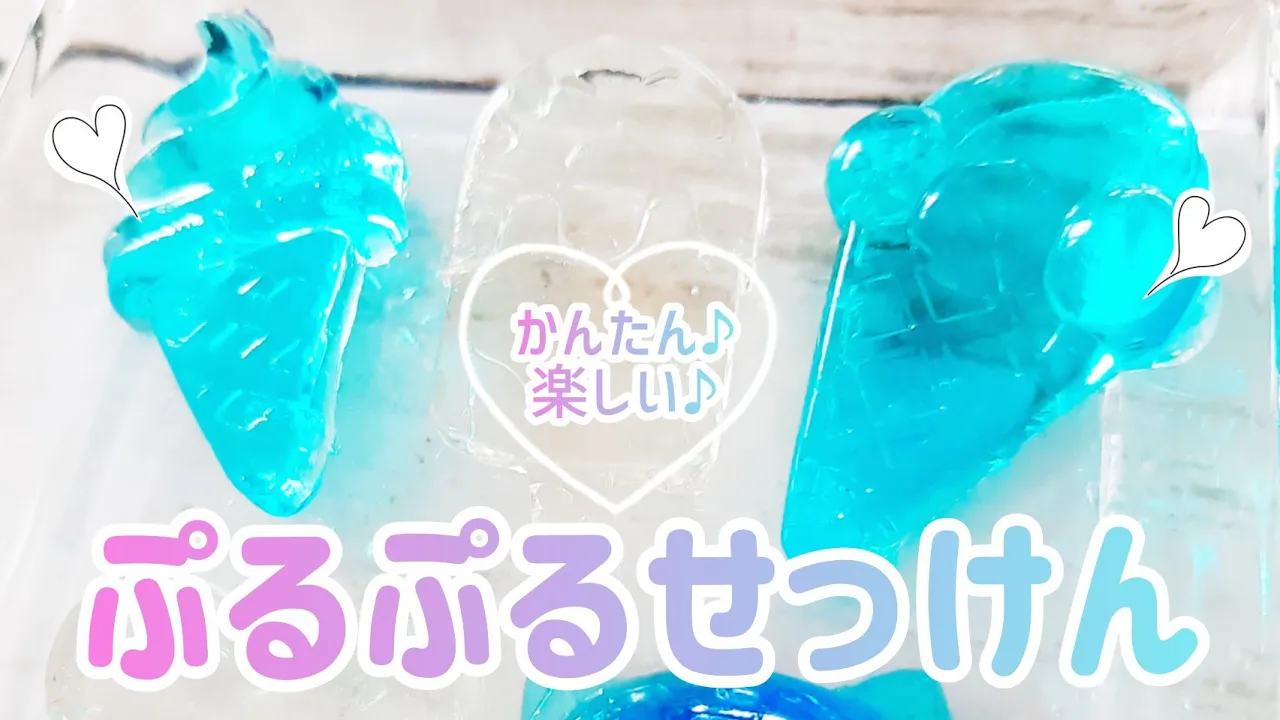
Let’s make jiggly soap

This is an experiment to make soap—an essential part of daily life for things like washing your hands.
And if that soap looks cute and has a jiggly texture, using it might be even more fun.
What you need: liquid hand soap, gelatin and hot water to dissolve it, plus food coloring and silicone molds if you have them.
It’s a simple process of adding gelatin to hand soap so it sets, then decorating it.
As long as you can measure the needed amounts, anyone can easily make jiggly soap.

Portable mysterious water

You can even make Ooho!, the portable water that makes you blurt out “Ooho!” from the incredible texture, right at home.
All it takes is mixing water, sodium alginate, and calcium lactate for a surprisingly magical experience.
If you’re thinking, “Where on earth do you buy that?” don’t worry—you can get a kit online.
You can also use juice instead of water to create stylish drinks.
Adults are sure to get hooked too! Why not try experiencing this eco-friendly, future form of water at home?

Aurora Jewelry

Like magic! Let’s make a mysterious aurora jewelry piece that changes color with temperature.
This time, we’ll use a gemstone kit that shifts color with heat.
First, put the gemstone powder and 6 ml of water into a sealable bag reinforced with tape, using a dropper.
Knead the bag to thoroughly mix the water and powder.
After about 10 minutes of kneading, you’ll see a faint color appear.
Leave it as is overnight, then snip off 5–10 mm from a corner of the bag with scissors, squeeze the mixture into a capsule, thread a chain through, and you’re done.
Warm it up or cool it down and carefully observe the color differences.
Attach it to your everyday bag as a keychain, and you can enjoy the color changes throughout the seasons.
Let’s observe how ice melts.

This is another simple experiment that uses ice and can easily be done at home.
Try sprinkling salt on the ice or adding a little water to change the conditions slightly, and observe how each one melts at different speeds.
You could also compare the results by placing the ice in different locations.
Let’s make Colorful Joy!

Here’s a science project idea using dishwashing detergent that both kids and adults can enjoy! Let’s make “Colorful Joy” using the well-known dishwashing detergent Joy from the commercials.
The key to this project is combining the heavier “W Antibacterial” Joy with the lighter regular Joy.
Pour the heavier one into a glass or plastic bottle first, then carefully add the lighter one afterward to create beautiful layers! Try different color combinations, or add dried flowers beforehand for a herbarium-like look.
The best part is that you can use it as dish soap at home after you’re done—what a delightful science project!

Specimen preparation

A great science project for kids who love insects is making specimen displays! Creating specimens can seem a bit challenging, but it’s sure to become a special summer vacation memory.
Some steps are tough for children to do alone, so it’s perfect for a parent–child challenge.
The key is to first collect insects in good condition.
Next, to shape them properly, soak the insects in hot water to soften them.
After soaking for about 30 minutes, arrange the shape, pin them to a base with dressmaker’s pins, and let them dry—that’s it! They’ll make a fine specimen as is, but if you encase them in resin, it will look even more professional.
Choose the method that suits your child’s age and give it a try!
Let’s make a snow globe.

Let’s make a snow globe using materials you can get at a 100-yen shop! Snow globes usually bring to mind winter and Christmas, but around the world there are unusual snow globes for sale—and even collectors who gather them.
How about making a summer-themed snow globe using your favorite materials? You can make one with an empty jar, clear school glue, a sponge, and adhesive—things you can probably find around the house.
Adding glitter or beads will make it look beautiful, too!
