

Think you know it, but maybe you don’t? Fun trivia quiz about the Sun!

The Sun plays an important role for most forms of life on Earth, including humans.
Alongside the Moon, it’s a celestial body known by everyone, regardless of age, gender, or nationality.
However, despite its strong presence, there may not be many people who can explain exactly what the Sun is.
So this time, we’ve put together a quiz about the Sun.
We hope you’ll enjoy the quiz and learn a little more about the Sun.
Now then, let’s give it a try!
- Surprisingly unknown? Trivia Quiz [Multiple Choice: 3 Options]
- Space trivia quiz: Multiple-choice questions about the planets of the solar system and astronauts
- Fun facts about the Moon. A rapid-fire quiz!
- A compilation of unsettling trivia and fun facts about Earth
- Fun to Know! A Collection of Space Trivia [Rec]
- [Easy] Quiz for Middle School Students
- A quiz to learn what kind of celestial body Mercury—the planet closest to the Sun—is!
- [Space] Did you know? Saturn Trivia Quiz
- [Trivia] Did You Know? A Collection of Weather Proverb Quizzes!
- Trivia you think you know but surprisingly don’t? August trivia and fun facts quiz!
- [For Kids] November Trivia Quiz & Fun Facts: Let’s Learn While Having Fun!
- Hard to get right on the first try! A quiz you’re guaranteed to get tripped up by.
- Make weather forecasts more fun! Trivia and fun facts about the weather
Think you know the Sun? A surprisingly tricky trivia quiz about it! (1–10)
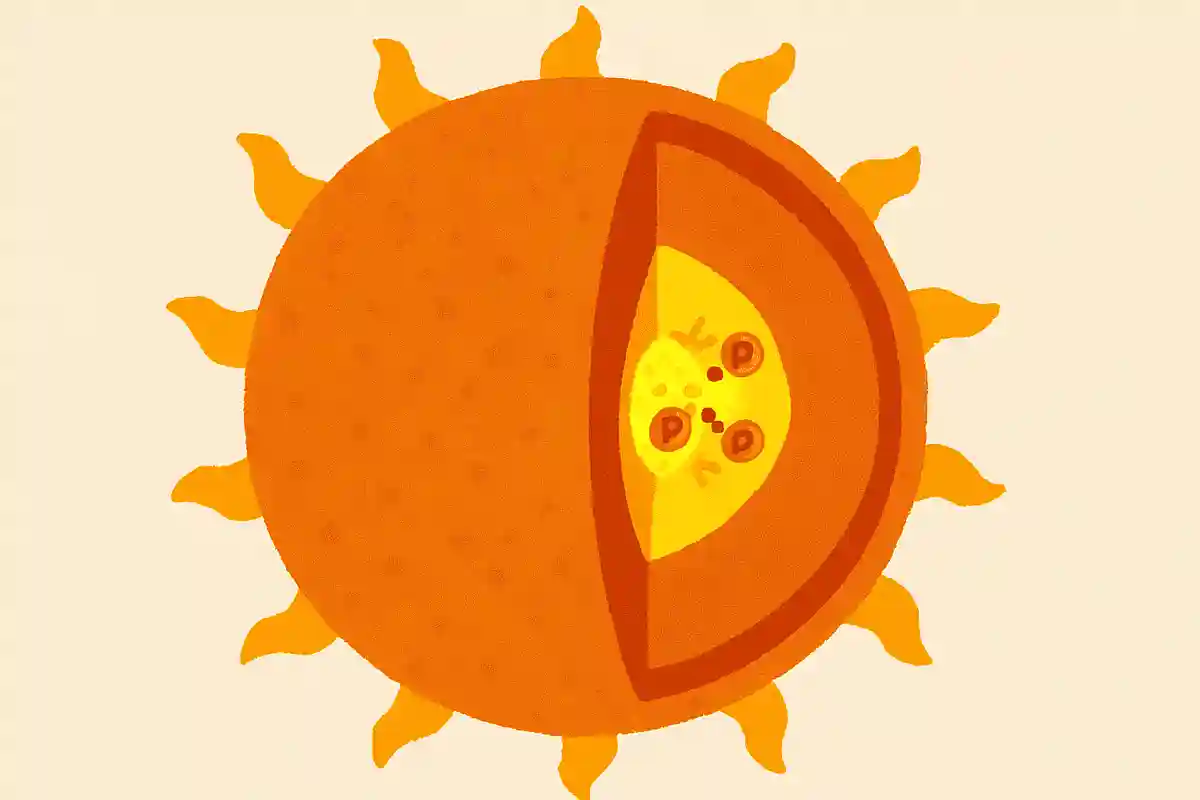
What is happening at the center of the Sun?
- chemical reaction
- nuclear fusion reaction
- atomic decay
See the answer
nuclear fusion reaction
What occurs at the Sun’s core is nuclear fusion. In this process, hydrogen nuclei (protons) fuse under extremely high temperatures and pressures to form helium nuclei. Enormous amounts of energy are released in the process, which serve as the source of the Sun’s light and heat.

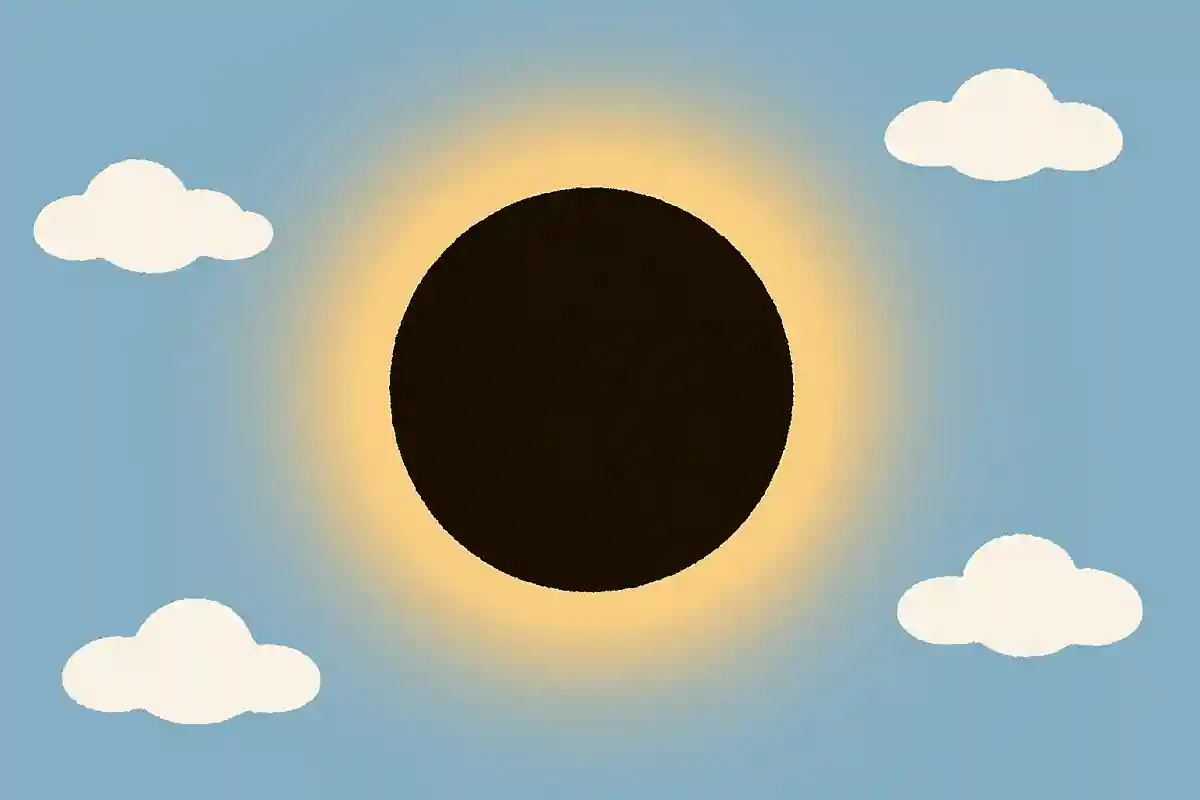
What do we call it when, during a solar eclipse where the Sun is temporarily obscured, it becomes completely covered?
- partial solar eclipse
- total solar eclipse
- annular solar eclipse
See the answer
total solar eclipse
There are different types of solar eclipses, such as partial, total, and annular. When the Moon completely covers the Sun, it is called a total solar eclipse. An annular solar eclipse refers to a situation where the Moon appears slightly smaller, so only the outer edge of the Sun is visible and it is not completely covered.
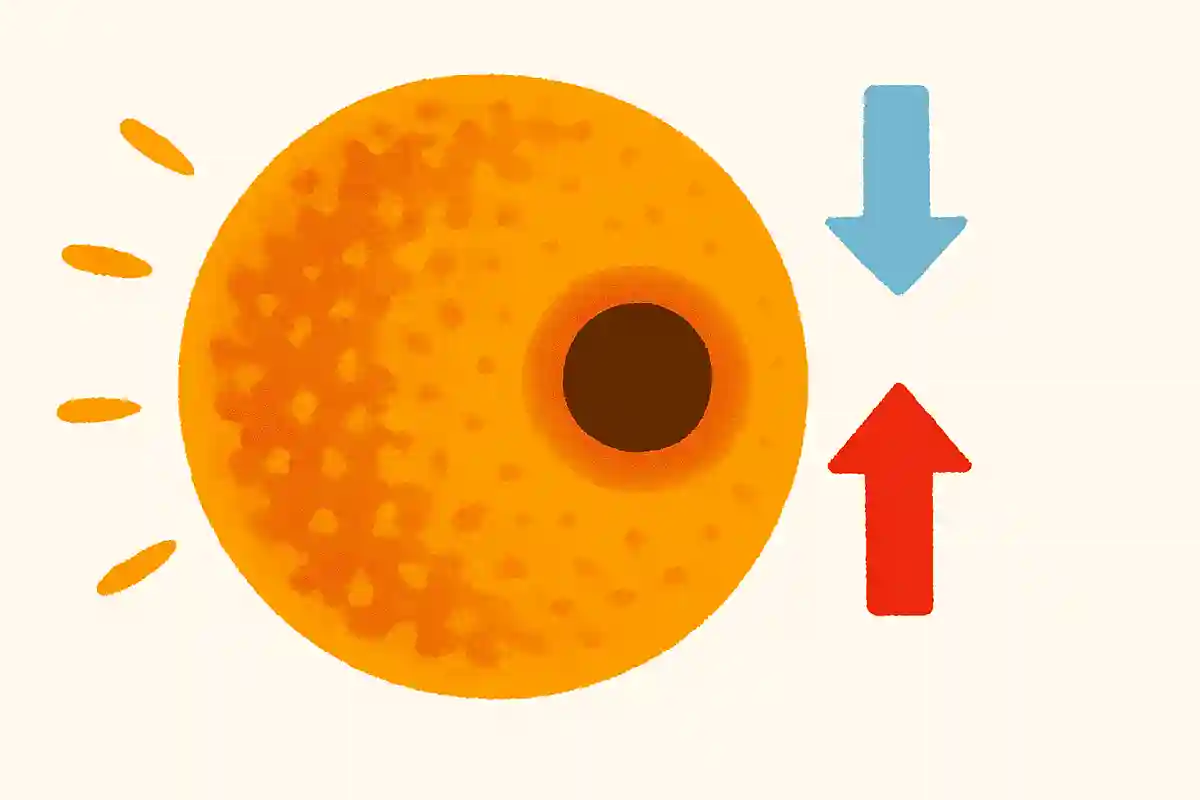
How does the temperature of the sunspots visible on the Sun’s surface compare to the surrounding areas?
- lower than the surroundings
- The same as others around me
- higher than the surroundings
See the answer
lower than the surroundings
The surface temperature of the Sun is about 5,500 K, while sunspots are about 3,500–4,500 K. This means they are roughly 1,500 K cooler than their surroundings. Sunspots appear darker than the surrounding areas because this temperature difference causes them to emit less light.
Think you know it all but actually don’t? Fun trivia quiz about the Sun! (11–20)
What do you call the phenomenon observed in the polar regions where the sun does not set all day?

- aurora
- polar night
- midnight sun
See the answer
midnight sun
The phenomenon known as the “midnight sun,” which can be seen in the Arctic or Antarctic around the summer solstice, refers to sunlight continuing for 24 hours because the sun does not set all day. This occurs only during specific periods in the polar regions due to the Earth’s tilt and its revolution around the sun.
What do you call the ring of light that appears around the sun?

- chromosphere
- Hello
- sand dog
See the answer
Hello
The ring of light that appears around the sun is called a “halo,” a phenomenon caused when sunlight is refracted by ice crystals suspended in the atmosphere in cold climates. It can appear as a circular or arc-shaped bright ring around the sun or the moon.
What harmful substances to the human body are contained in sunlight?

- ultraviolet rays
- Ozone
- carbon dioxide
See the answer
ultraviolet rays
The ultraviolet (UV) radiation contained in sunlight is harmful to the human body. Prolonged exposure to ultraviolet rays increases the risk of health problems such as skin cancer and cataracts. Although part of the ultraviolet radiation is absorbed by the Earth’s ozone layer, some UV-B and UV-A still reach the ground and can cause health issues.
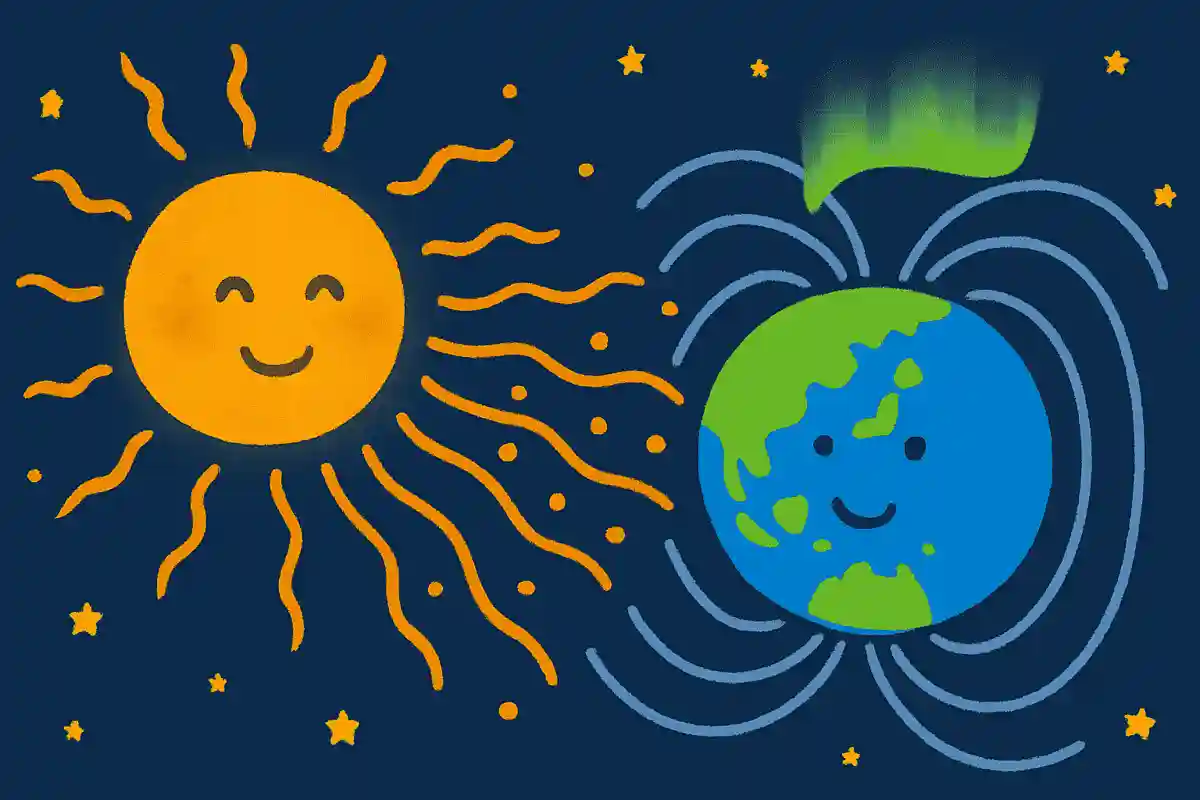
What is the phenomenon called that occurs when particles from the Sun interact with Earth’s magnetic field?
- Aurora
- corona discharge
- scintillation
See the answer
Aurora
Charged particles emitted by the Sun—plasma known primarily as the solar wind—are captured and deflected by Earth’s magnetic field. When they stream into the atmosphere near Earth’s magnetic poles, they collide with atmospheric molecules and atoms. As a result, these atmospheric particles change their energy states and release light (photons) that we observe as visible light: the aurora. Under certain conditions, such light appears in the sky as beautiful bands or curtains and is known as the aurora borealis (northern lights) or aurora australis (southern lights).