

Lesser-known facts about customs duties! Learn how international trade works through a quiz.

Even if you’ve heard the word “tariff,” you might actually not know much about how it works or how influential it is.
The world of tariffs—central to trade policy and capable of swaying the global economy—hides plenty of surprising facts and intriguing tidbits.
From basic quizzes on types of tariffs and why they’re imposed to topics like the history of tariffs—everything you want to know right now! We’ve collected trivia and fun facts in a quiz format.
Let’s enjoyably build our literacy about money and the economy!
- [Study] Fun to Know! A Collection of World History Trivia Quizzes
- Surprisingly Unknown! Fun Facts and Trivia Quiz on the Gasoline Tax Cut
- Trivia quiz with useful tips to know: fun facts that come in handy at school or at home [for kids]
- How many can you solve? Fascinating history trivia quizzes that spark intellectual curiosity
- Not taught in school! A roundup of historical trivia and fun facts
- A quiz of fun trivia: bite-sized knowledge that leads to new insights.
- Surprisingly unknown? Trivia Quiz [Multiple Choice: 3 Options]
- Coffee Trivia Quiz: A one-stop introduction to lots of fun facts
- Introduce car-related trivia in a quiz format!
- Exciting! Trivia quizzes that you’ll want to tell others about. A collection of surprisingly little-known facts.
- [Killing Time] A Collection of Fun Trivia Quizzes You'll Want to Share with Someone
- Useful right away in daily life! Surprising trivia and handy tips
- A surprisingly little-known collection of trivia quizzes and fun facts about the sea
Lesser-Known Facts About Customs Duties! Learn How International Trade Works Through a Quiz (1–10)
What are tariffs?

- Taxes imposed on goods imported from foreign countries
- A tax imposed on all goods traded domestically
- Insurance premium that must be paid when exporting
See the answer
Taxes imposed on goods imported from foreign countries
A tariff is a tax that a country mainly imposes on goods and products imported from abroad. It is established to protect domestic industries and to provide government revenue. It does not apply to all items or to exports.

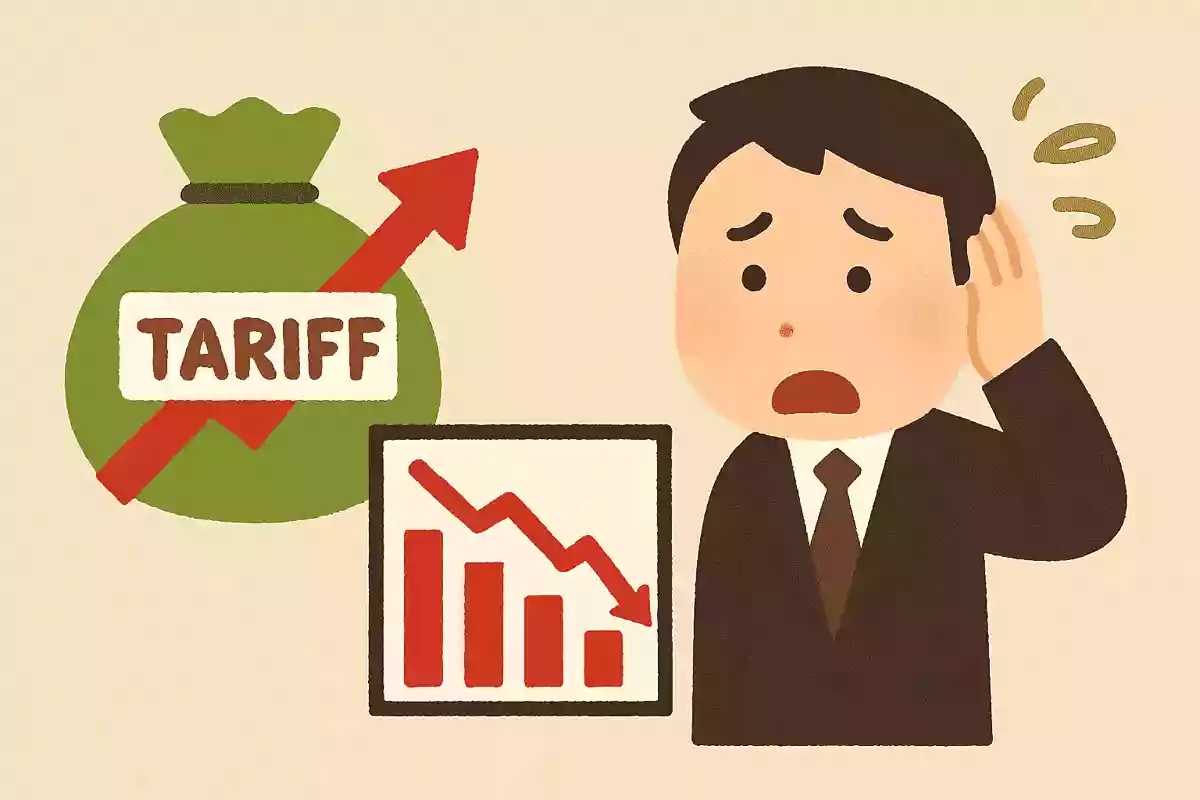
Tariffs also have a major impact on stock prices, but what happens to stock prices when tariffs are raised?
- Stock prices will rise.
- Stock prices will fall.
- The stock price is almost unchanged.
See the answer
Stock prices will fall.
When tariffs are raised, companies’ costs for raw materials and goods increase, which can reduce profits. In addition, concerns about trade friction tend to worsen investor sentiment, so stock prices generally have a tendency to decline. Similar patterns were observed in past episodes such as the U.S.-China trade frictions.
What is the other purpose of imposing tariffs besides securing revenue?
- Trade liberalization
- Protection of domestic industries
- Promotion of tourism
See the answer
Protection of domestic industries
Tariffs are implemented not only to secure national revenue but also to prevent domestic industries from being harmed by an influx of cheap imports. In this way, they protect domestically produced industries and help maintain fair competition.
Little-Known Facts About Customs Duties! Learn How International Trade Works Through a Quiz (11–20)
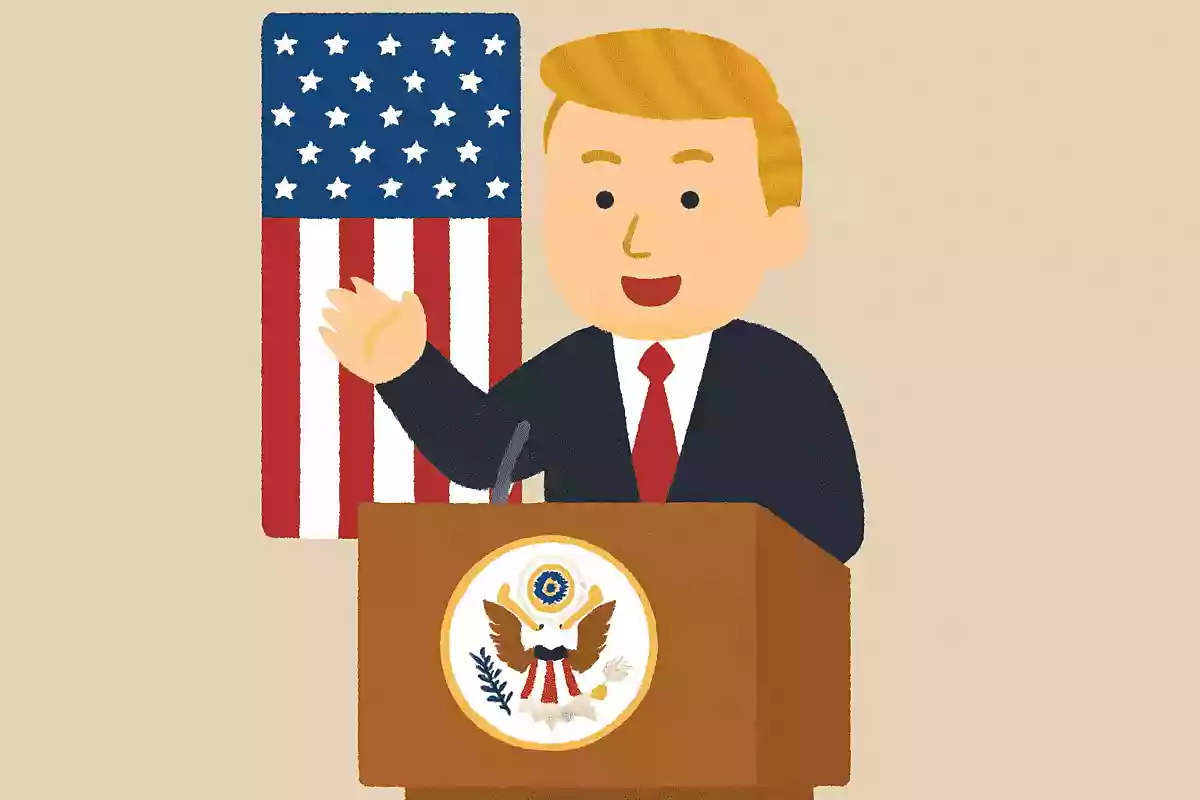
Which of the following is the collective term for the tariff measures being promoted by the U.S. administration that took office in January 2025?
- Biden tariffs
- Trump tariffs
- Reagan tariffs
See the answer
Trump tariffs
“Trump tariffs” refers to the additional tariff measures that former U.S. President Donald Trump imposed on China and other countries beginning around 2018. Since Mr. Trump took office again in January 2025 and has pursued a policy of maintaining and strengthening these tariffs, they are commonly referred to collectively as “Trump tariffs.”
What do you call a combination of an ad valorem tax and a specific (per-unit) tax?

- mixed tax
- surtax
- consumption tax
See the answer
mixed tax
An ad valorem tax is based on the transaction price, while a specific tax is levied on quantity or weight. A taxation method that combines both is called a mixed tax. For example, a product may be subject to a per-unit tax in addition to a fixed percentage tax on its price.
What do you call products like musical instruments and furniture that are not subject to customs duties?

- duty-free goods
- Tax-exempt item
- duty-free goods
See the answer
duty-free goods
A product that is not subject to customs duties is called a “duty-free item.” This refers to goods for which customs duties are exempted at the time of import due to special measures or systems. In contrast, “tax-free goods” generally refers to items purchased by travelers at places like airports, while “non-taxable goods” can refer to products that are not subject to consumption tax.
Products subject to customs duty are called “taxable goods,” but which of the following is not correctly classified as a taxable good?

- food
- Clothing
- electrical equipment
See the answer
electrical equipment
In Japan, many food and clothing items are subject to tariffs, but due to the effects of the WTO agreements and economic partnership agreements, many electrical devices (such as computers and cameras) have in recent years generally become tariff-free. Therefore, classifying “electrical devices” as dutiable goods is incorrect.