

Introduce car-related trivia in a quiz format!

How much trivia about cars do you know?
In this article, we’ve turned all sorts of car-related tidbits into a quiz—from tips that are useful for driving to fun facts that aren’t particularly practical but are delightful to know.
Within the article, you can tap “Show Answer” to reveal the answers, so try thinking them through as you read.
If you come across a question you can’t answer, remember it as a bit of trivia and impress your friends and family!
Introducing car-related trivia in quiz format! (1–10)
What is the origin of the name “studless tire”?

- Because it does not use metal studs (protrusions)
- Because it has studs (spikes) to prevent slipping.
- Because the inventor’s name was Studless.
See the answer
Because it does not use metal studs (protrusions)
In the past, winter tires literally had protrusions on them, but because these protrusions (studs) are absent—i.e., “less”—they’re called studless tires.

What’s a quick way to tell whether the fuel filler is on the right or left?
- The number displayed on the fuel gauge
- Fuel warning light activation point
- the arrow on the fuel gauge
See the answer
the arrow on the fuel gauge
Near the fuel gauge in many cars, there is a small arrow. This arrow indicates which side of the car the fuel filler cap is on. If the arrow points left, the fuel cap is on the left side of the car; if it points right, the cap is on the right side. This lets you quickly identify the fuel cap’s location without confusion when using a rental car or driving someone else’s vehicle.
What is the engine displacement of a kei car in cc?

- 660cc
- 800cc
- 1000cc
See the answer
660cc
In Japan, the maximum engine displacement for kei cars is 660 cc. This limit is set by law, and if a kei car exceeds this displacement, it is classified as a standard passenger vehicle.
How can I tell when it’s time to replace my tires?
- Check the tread wear indicator
- Check how many meters it takes to stop when braking while traveling at 30 km/h.
- Check the color of the tire sidewall
See the answer
Check the tread wear indicator
It’s common to check the timing for tire replacement using the tread wear indicator (slip sign). A tread wear indicator is a small raised bar in the tire grooves; if the groove depth is level with the indicator, it means the tread depth has worn to less than 1.6 mm. You should also consider replacing tires that have been in use for over five years or if there are cracks on the tire sidewalls.
What type of fuel is used by many taxis?
- regular gasoline
- diesel fuel
- LP gas
See the answer
LP gas
Many taxis use LPG, which enables economical and clean combustion. Especially in urban areas, where cleaner exhaust emissions are required, LPG is often chosen. Regular gasoline and diesel are used in some taxis as well, but due to strict environmental regulations and better fuel efficiency, LPG is the common choice.
What do the numbers like “10W-30” on engine oil represent?
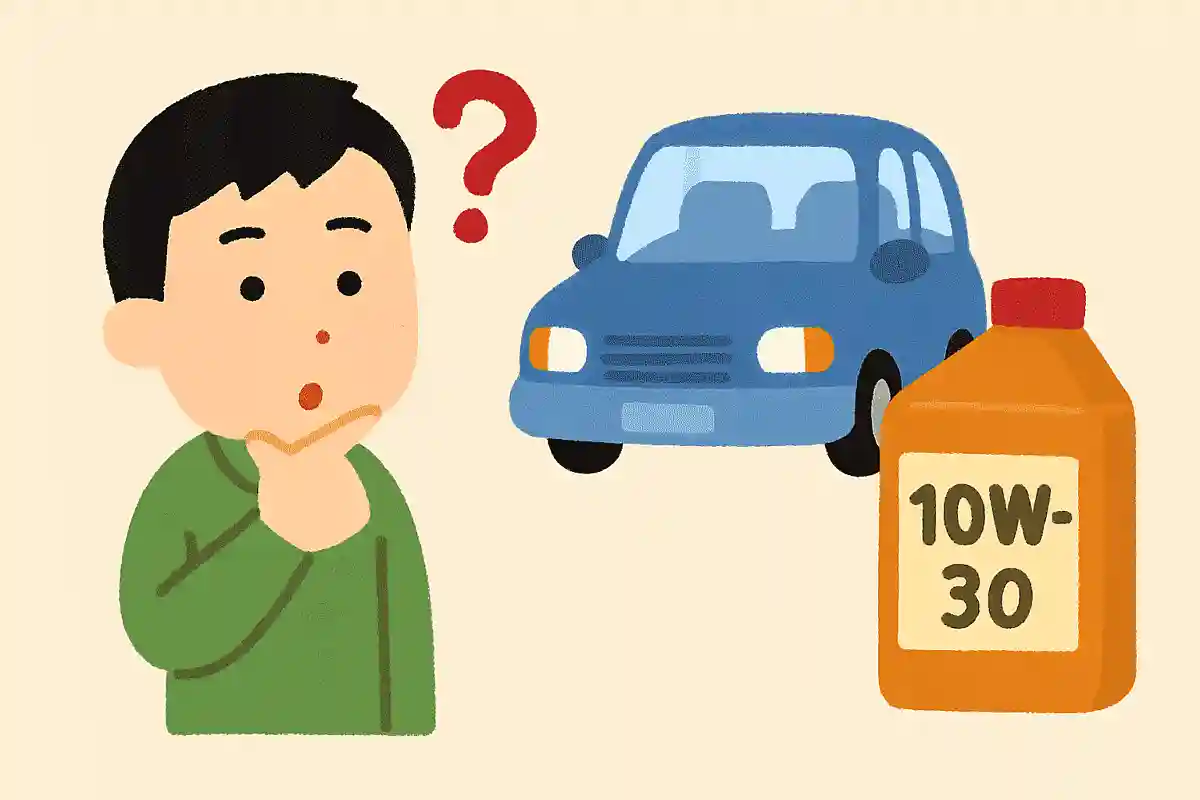
- engine oil weight
- Viscosity of engine oil
- Engine oil capacity
See the answer
Viscosity of engine oil
Numbers like “10W-30” on engine oil indicate the oil’s viscosity. The “W” stands for “Winter,” and the number before the W shows the oil’s flow characteristics at low temperatures, while the number after indicates its viscosity at high temperatures. Generally, you should use the viscosity specified by the manufacturer, but some people use different oils depending on the season.
Which of the following is effective for improving a car’s fuel efficiency?

- Maintain proper tire pressure
- Periodically use premium gasoline.
- driving while revving the engine loudly
See the answer
Maintain proper tire pressure
Driving with tire pressure below the recommended level increases rolling resistance and worsens fuel economy. Maintaining proper tire pressure reduces rolling resistance and helps improve fuel efficiency. On the other hand, regularly using premium gasoline, revving the engine loudly, or leaving unnecessary cargo in the vehicle does not lead to better fuel economy.