


Even if you’ve heard the word “tariff,” you might actually not know much about how it works or how influential it is.
The world of tariffs—central to trade policy and capable of swaying the global economy—hides plenty of surprising facts and intriguing tidbits.
From basic quizzes on types of tariffs and why they’re imposed to topics like the history of tariffs—everything you want to know right now! We’ve collected trivia and fun facts in a quiz format.
Let’s enjoyably build our literacy about money and the economy!
- [Study] Fun to Know! A Collection of World History Trivia Quizzes
- Surprisingly Unknown! Fun Facts and Trivia Quiz on the Gasoline Tax Cut
- Trivia quiz with useful tips to know: fun facts that come in handy at school or at home [for kids]
- How many can you solve? Fascinating history trivia quizzes that spark intellectual curiosity
- Not taught in school! A roundup of historical trivia and fun facts
- A quiz of fun trivia: bite-sized knowledge that leads to new insights.
- Surprisingly unknown? Trivia Quiz [Multiple Choice: 3 Options]
- Coffee Trivia Quiz: A one-stop introduction to lots of fun facts
- Introduce car-related trivia in a quiz format!
- Exciting! Trivia quizzes that you’ll want to tell others about. A collection of surprisingly little-known facts.
- [Killing Time] A Collection of Fun Trivia Quizzes You'll Want to Share with Someone
- Useful right away in daily life! Surprising trivia and handy tips
- A surprisingly little-known collection of trivia quizzes and fun facts about the sea
Lesser-Known Facts About Customs Duties! Learn How International Trade Works Through a Quiz (1–10)
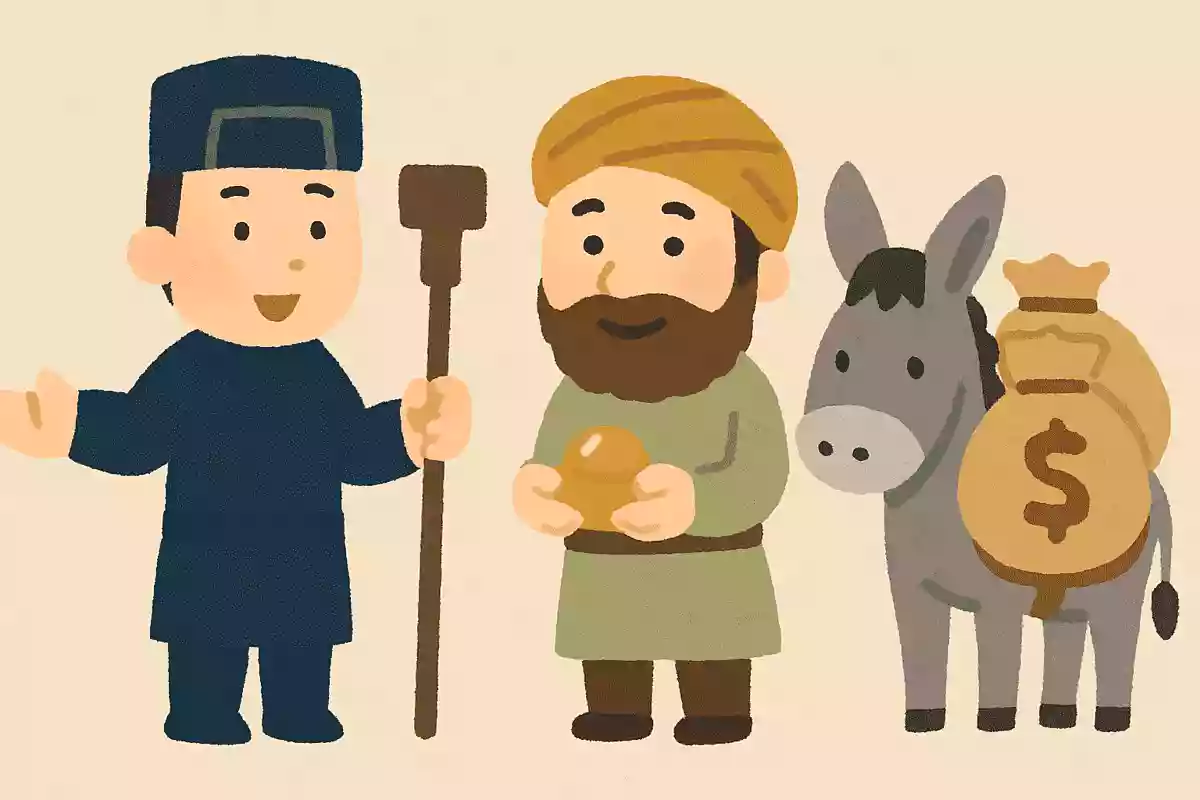
Tariffs are thought to have existed since trade first began, but what were tariffs imposed on at that time?
- the passage itself
- person
- money
See the answer
the passage itself
In earlier times, when merchants passed through national borders or checkpoints, the act of passage itself was taxed. In other words, it was not the “goods” or the “people” but the “act of passing” that was subject to duty. This was also called a “passage tax” and was levied in a form somewhat different from modern customs duties.

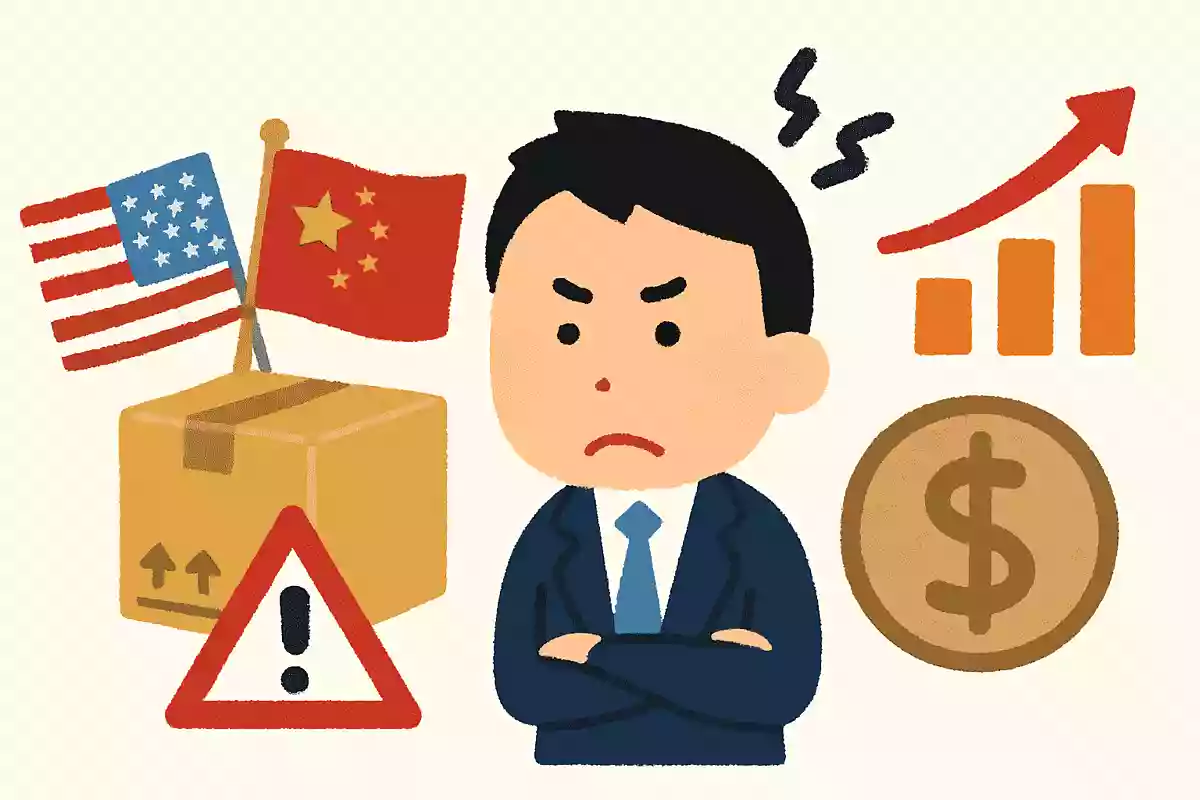
What do you call the tariffs imposed on imports from a specific country as a political or economic countermeasure when international friction or conflict arises?
- protective tariff
- retaliatory tariffs
- agreement tariff
See the answer
retaliatory tariffs
Retaliatory tariffs are tariffs imposed as a countermeasure when another country takes actions that are disadvantageous to one’s own country. They may be used during international trade disputes or conflicts. For example, if the other country imposes unfair tariffs on one’s own country, retaliatory tariffs can be applied to imports from that country—at the same or a higher rate—with the aim of exerting economic pressure.
What rules are the current tariffs based on?
- Agreement Establishing the World Trade Organization (WTO)
- United Nations (UN) Charter
- World Health Organization (WHO) rules
See the answer
Agreement Establishing the World Trade Organization (WTO)
Currently, the tariffs of many countries are set based on agreements under the World Trade Organization (WTO). The WTO was established to promote the liberalization and facilitation of international trade, and member countries set and adjust their tariffs within the rules established by these agreements.
What is the system called that reduces or exempts tariffs when importing from developing countries?

- FTA (Free Trade Agreement)
- EPA (Economic Partnership Agreement)
- GSP (Generalized System of Preferences)
See the answer
GSP (Generalized System of Preferences)
The Generalized System of Preferences (GSP) is a scheme under which developed countries reduce or eliminate tariffs on imports from developing countries. Its aim is to support the economic development of developing countries and stimulate international trade. While FTAs and EPAs are comprehensive agreements between specific countries or regions, the GSP mainly refers to special preferential measures for developing countries.
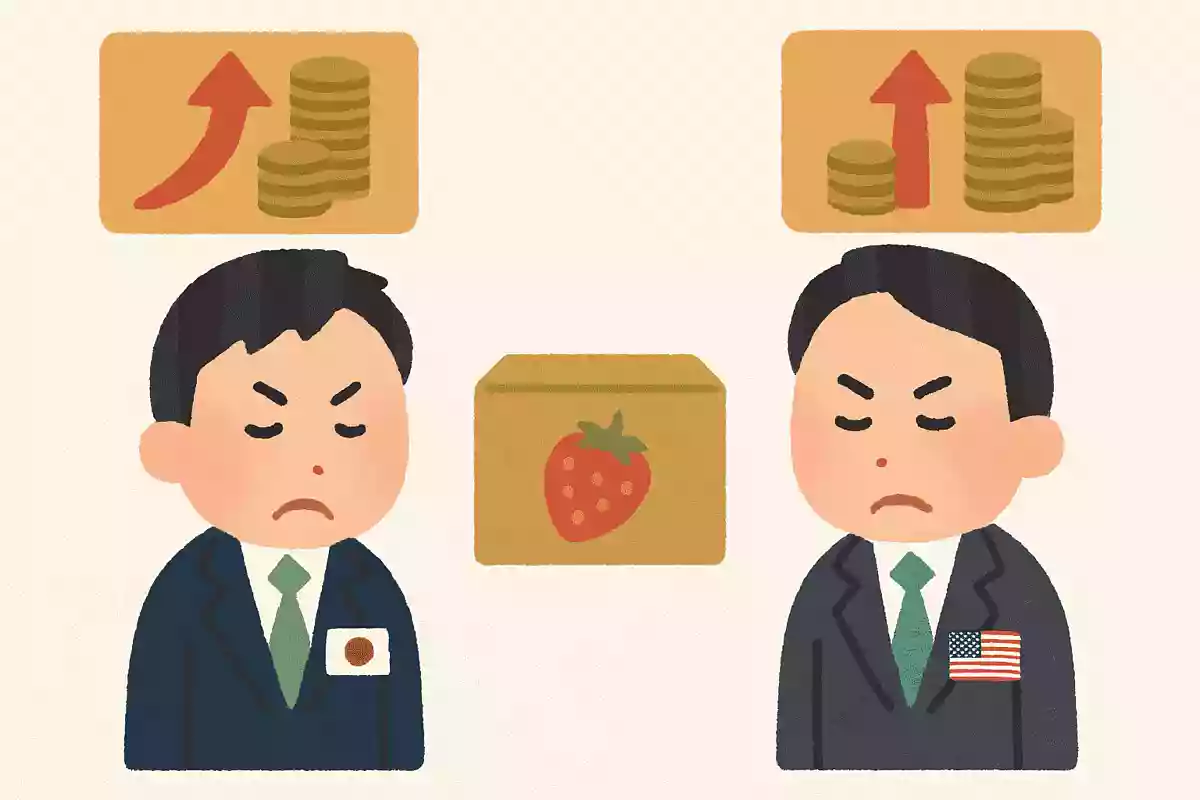
What do you call a tariff imposed on a country’s goods at a similarly high rate in order to correct an imbalance when that country levies high tariffs on your own country?
- protective tariff
- reciprocal tariffs
- retaliatory tariffs
See the answer
reciprocal tariffs
Reciprocal tariffs are duties imposed with the aim of balancing burdens by levying tariffs equivalent to those a foreign country imposes on one’s own country. This is intended to maintain fairness in trade relations between the two countries.
What is the term for a tariff that is imposed at a fixed percentage of the customs (taxable) value of imported goods?

- specific tax
- ad valorem tax
- special tariff
See the answer
ad valorem tax
An ad valorem duty is a tariff calculated by applying a fixed percentage to the value (taxable value) of imported goods. For example, if a product priced at 100,000 yen is subject to a 10% ad valorem duty, the tariff will be 10,000 yen. The other options are tariffs levied on different bases.
What do you call a tariff that imposes a fixed amount for each unit—such as quantity or weight—of an imported good?

- ad valorem tax
- weight tax
- mixed tax
See the answer
weight tax
A specific duty is a tariff system that imposes a fixed amount per unit, such as quantity or weight, of imported goods. For example, it might be set at 100 yen per kilogram, with the amount predetermined. Because specific duties are assessed based on physical quantity rather than the price of the goods, the tax burden can be particularly heavy for low-priced products.