

How many can you solve? A surprising trivia and fun facts quiz about total lunar eclipses

Total lunar eclipses have long captivated humanity as a mysterious celestial show.
People have found many meanings in the moon glowing red, but behind this curious phenomenon lie fascinating history and scientific mechanisms.
So here, we present fun facts about total lunar eclipses in a quiz format! From the true nature of the blood moon to the mystery of the Saros cycle, we invite both astronomy fans and beginners to a world of trivia you can enjoy.
Try it with family and friends and rediscover the moon’s allure!
- Fun facts about the Moon. A rapid-fire quiz!
- How many can you solve? An Otsukimi trivia quiz from general knowledge to surprising fun facts
- Think you know it, but maybe you don’t? Fun trivia quiz about the Sun!
- Solar trivia quiz! Try your hand at little-known facts
- Fun to Know! A Collection of Space Trivia [Rec]
- How many can you solve? Fascinating history trivia quizzes that spark intellectual curiosity
- Space trivia quiz: Multiple-choice questions about the planets of the solar system and astronauts
- A collection of trivia and fun facts about space, brimming with dreams and romance
- How many questions can you get right? Introducing trivia quizzes and fun facts about solar panels
- [Space] Did you know? Saturn Trivia Quiz
- Take on a comet trivia quiz! Space fun facts you’ll want to share once you know them
- How many can you get right? Check your general knowledge with a heatstroke trivia and fun facts quiz.
- How many can you solve? Test your spring knowledge with a trivia quiz about March!
How many can you solve? Surprising trivia & fun facts quiz about total lunar eclipses (1–10)
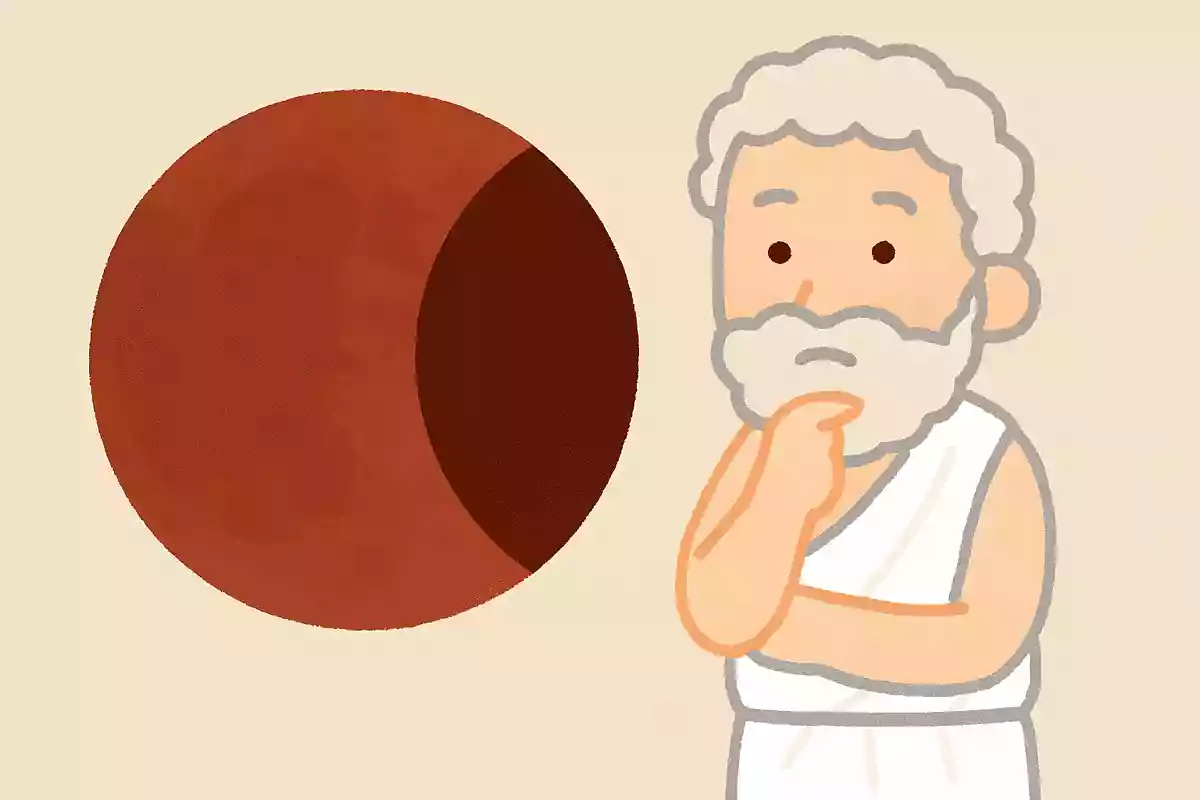
From the shape of Earth’s shadow cast on the Moon during a lunar eclipse, what would the ancient Greeks have inferred?
- The Earth is flat.
- The Earth is triangular.
- The Earth is a sphere.
See the answer
The Earth is a sphere.
Please focus on the shape of the shadow as you think about it. In a total lunar eclipse, the Earth’s shadow on the Moon is always round, which led the ancient Greeks to infer that the Earth is a sphere. This is because the shadow of a flat object is not necessarily round.

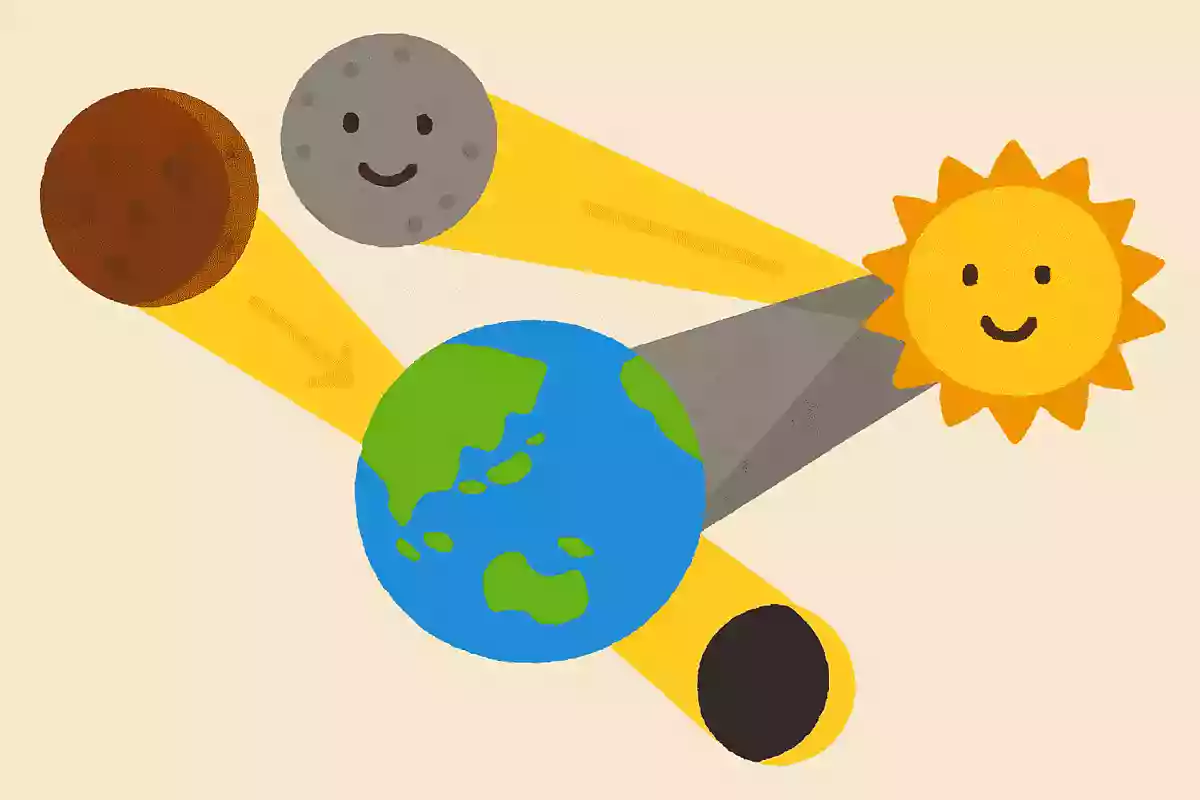
Which of lunar eclipses and solar eclipses can be observed over a wider area on Earth?
- lunar eclipse
- solar eclipse
- Both cover the same scope.
See the answer
lunar eclipse
Let's consider the sizes of the shadows. A lunar eclipse can be observed from more than half of the Earth, whereas a solar eclipse—especially a total solar eclipse—can only be seen from a limited, narrow, band-shaped region. This is because, in a lunar eclipse, the Moon enters the Earth's shadow, allowing it to be visible from almost the entire nighttime side of the Earth.
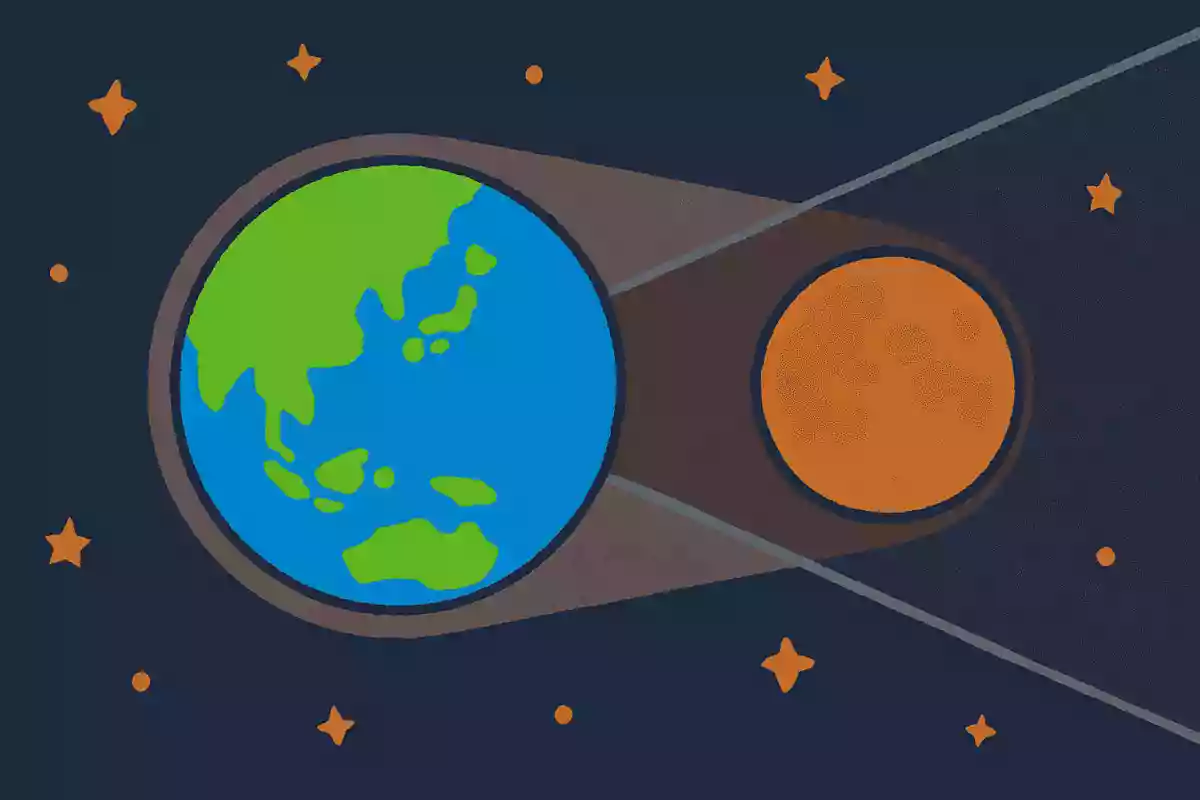
In theory, when does a total lunar eclipse last the longest—at which part of Earth’s shadow does the Moon pass?
- the central part of the umbra
- edge of the umbra
- the middle of the umbra
See the answer
the central part of the umbra
If the Moon passes through the central part of the umbra, it remains within the umbra for the longest distance, so the total lunar eclipse lasts the longest. If it passes near the edge, the distance it travels through the shadow is shorter, and the totality is shorter. During a total lunar eclipse, the Moon passes through Earth’s umbra.
How many can you solve? Surprising Trivia & Fun Facts Quiz about Total Lunar Eclipses (11–20)
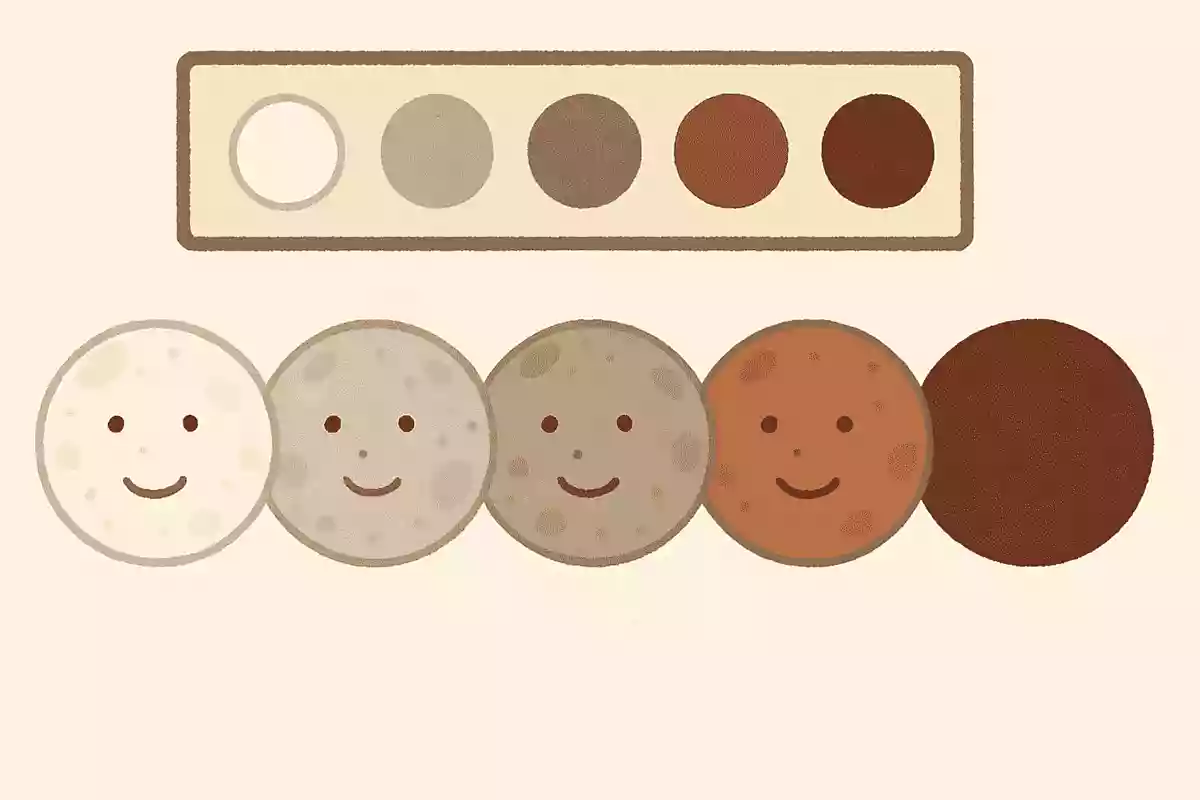
What is the scale, named after the astronomer who proposed it, that describes the brightness and coloration of the Moon during a lunar eclipse?
- Lambert scale
- Dungeon Scale
- Hubble scale
See the answer
Dungeon Scale
The 'Danjon scale' for assessing the brightness and degree of redness of the Moon during a total lunar eclipse was proposed by French astronomer André Danjon. It classifies brightness and hue using numbers from 1 to 5.
Under what positional relationship of the Earth, Moon, and Sun does a total lunar eclipse occur?
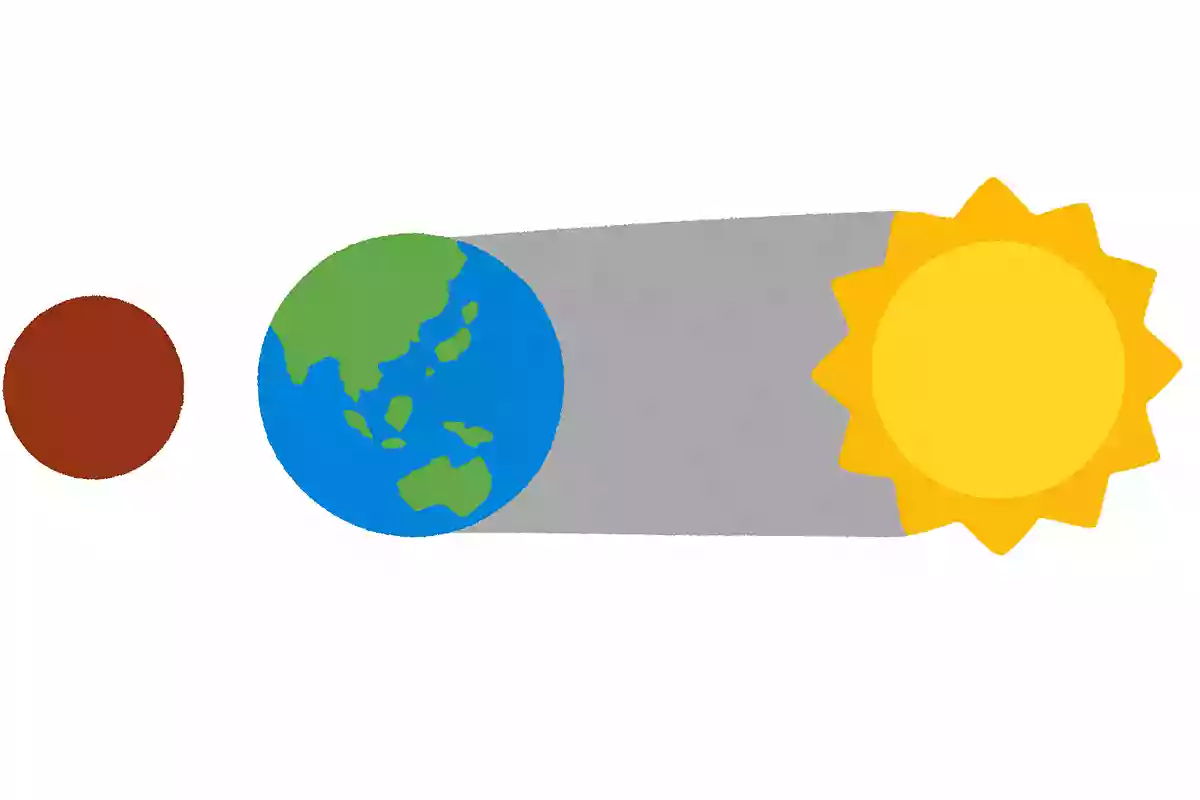
- When the Sun, Earth, and Moon line up in a straight line in that order
- When the Moon, Earth, and Sun are aligned in a straight line in that order
- When the Earth, the Sun, and the Moon are aligned in a straight line in that order
See the answer
When the Sun, Earth, and Moon line up in a straight line in that order
A total lunar eclipse occurs when the Sun, Earth, and Moon align in that order in a straight line, and the Moon is completely immersed in Earth’s shadow. This causes Earth’s shadow to cover the Moon, producing a phenomenon in which the Moon appears copper-red. A total lunar eclipse is a very mysterious celestial show, but it only happens under a specific geometric alignment.
Under what positional relationship of the Earth, Moon, and Sun does a total lunar eclipse occur?
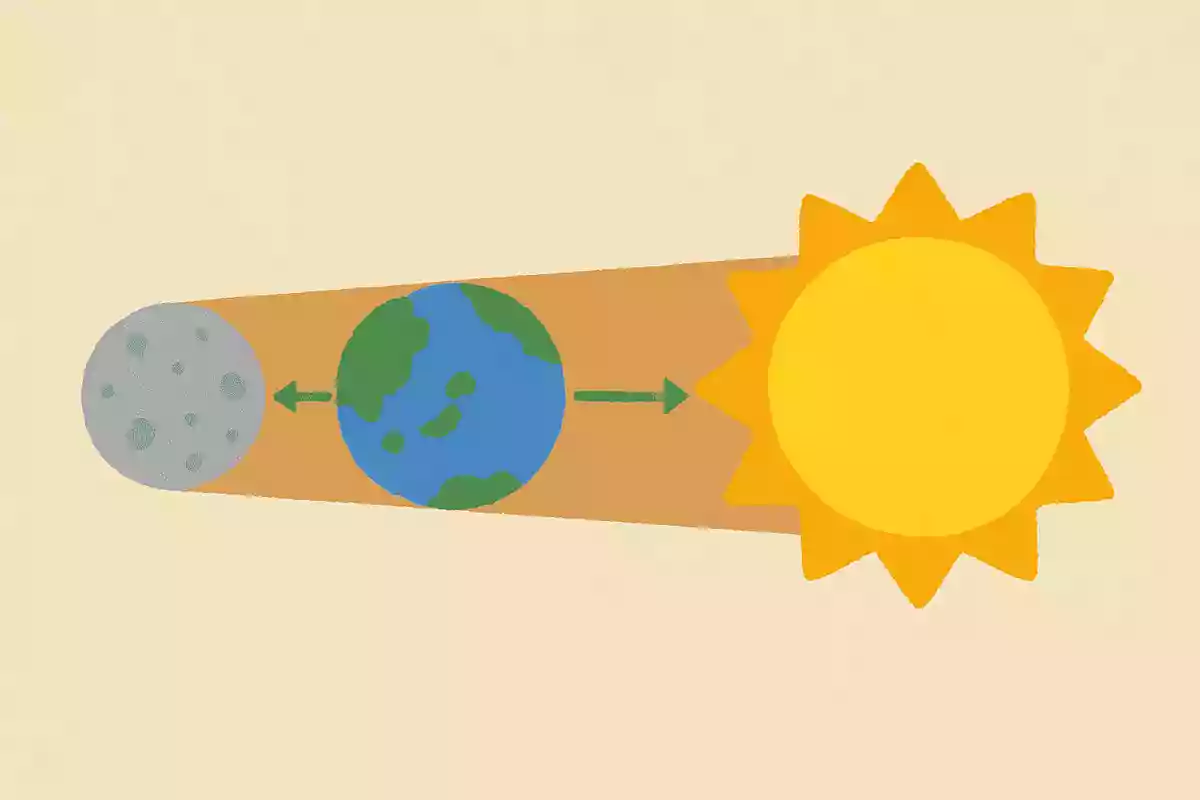
- When the Sun, Moon, and Earth are aligned in a straight line in that order
- When the Earth, Sun, and Moon are aligned in a straight line in that order
- When the Sun, Earth, and Moon are aligned in a straight line in that order
See the answer
When the Sun, Earth, and Moon are aligned in a straight line in that order
A total lunar eclipse occurs when the Sun, Earth, and Moon line up in that order, and the Moon is completely within Earth’s shadow. This can only be observed during a full moon. Think about the conditions required for a total lunar eclipse and picture them to enjoy the event even more!
What is it called when the Moon appears reddish-black during a total lunar eclipse?
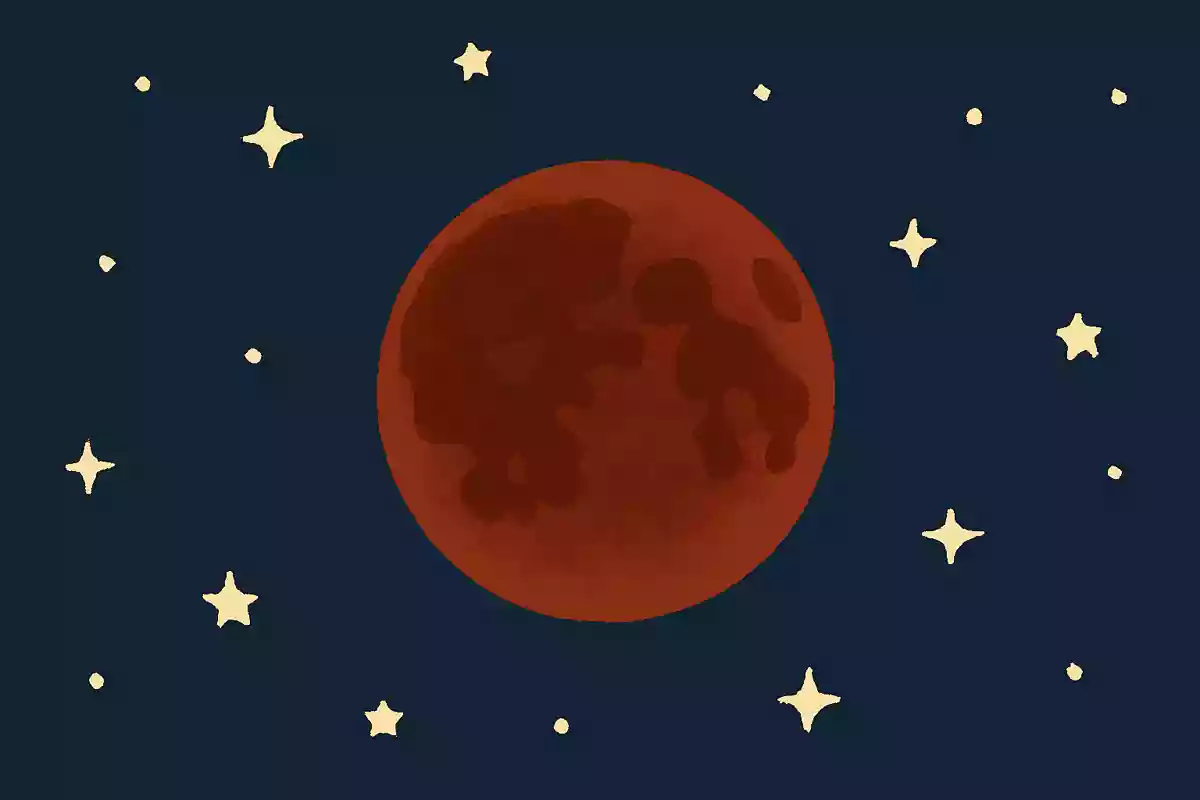
- Blood Moon
- Blue Moon
- Supermoon
See the answer
Blood Moon
The phenomenon where the Moon appears dark red during a total lunar eclipse is called a “Blood Moon.” This is because red light, refracted by Earth’s atmosphere, reaches the Moon and makes it look coppery red. It’s an English nickname.