

How many can you solve? A surprising trivia and fun facts quiz about total lunar eclipses

Total lunar eclipses have long captivated humanity as a mysterious celestial show.
People have found many meanings in the moon glowing red, but behind this curious phenomenon lie fascinating history and scientific mechanisms.
So here, we present fun facts about total lunar eclipses in a quiz format! From the true nature of the blood moon to the mystery of the Saros cycle, we invite both astronomy fans and beginners to a world of trivia you can enjoy.
Try it with family and friends and rediscover the moon’s allure!
- Fun facts about the Moon. A rapid-fire quiz!
- How many can you solve? An Otsukimi trivia quiz from general knowledge to surprising fun facts
- Think you know it, but maybe you don’t? Fun trivia quiz about the Sun!
- Solar trivia quiz! Try your hand at little-known facts
- Fun to Know! A Collection of Space Trivia [Rec]
- How many can you solve? Fascinating history trivia quizzes that spark intellectual curiosity
- Space trivia quiz: Multiple-choice questions about the planets of the solar system and astronauts
- A collection of trivia and fun facts about space, brimming with dreams and romance
- How many questions can you get right? Introducing trivia quizzes and fun facts about solar panels
- [Space] Did you know? Saturn Trivia Quiz
- Take on a comet trivia quiz! Space fun facts you’ll want to share once you know them
- How many can you get right? Check your general knowledge with a heatstroke trivia and fun facts quiz.
- How many can you solve? Test your spring knowledge with a trivia quiz about March!
How many can you solve? Surprising Trivia & Fun Facts Quiz about Total Lunar Eclipses (11–20)
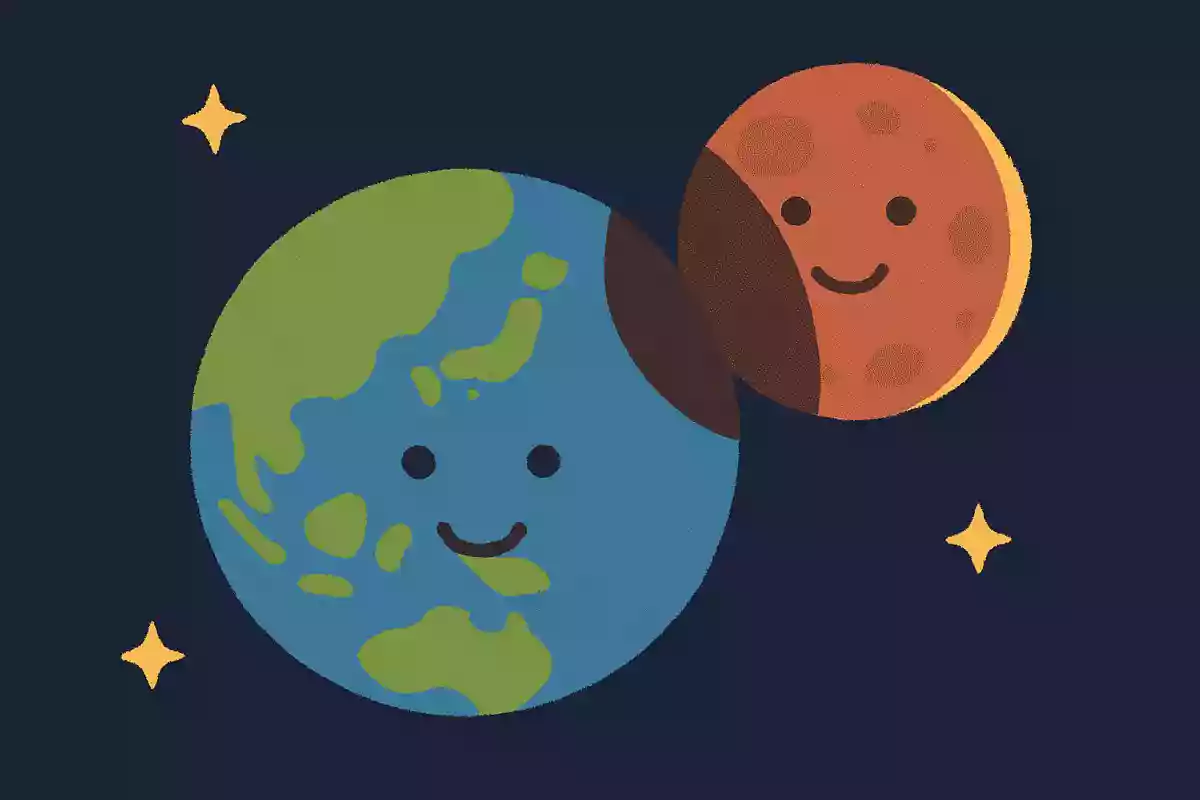
What do you call the darker part of Earth’s shadow that the Moon enters?
- umbra
- penumbra
- halo; aureole (visual phenomenon of seeing a bright ring), or dimness/blur around vision (as a medical symptom)
See the answer
umbra
The umbra (hon'ei) is the darkest part of Earth’s shadow, where sunlight is completely blocked. When the Moon enters this umbra, a total lunar eclipse occurs. It is the dark region of Earth’s shadow where the Moon is entirely hidden. The penumbra is the lighter part of the shadow.

In conclusion
Through trivia quizzes and fun facts about total lunar eclipses, perhaps your interest in the wondrous world of celestial bodies has deepened. The grand natural drama woven by the sky, the Earth, and the Moon becomes even more captivating when you deepen your scientific understanding. The next time you have a chance to observe a total lunar eclipse, recall this knowledge and take your time to carefully observe the mysterious sight of the Moon glowing red.