

What kind of planet is Uranus? A quiz to learn about the mysterious celestial body far from Earth.

Although Uranus is a planet in the same solar system as Earth, it probably doesn’t come up as a topic very often.
Many people hear its name during their school years, but few may know the details of what kind of celestial body it actually is.
So this time, we’ve created a quiz about Uranus, which lies far from Earth! We hope that through this quiz, you’ll learn a little about Uranus and perhaps become interested in it.
Well then, let’s get started!
- A quiz to learn what kind of celestial body Mercury—the planet closest to the Sun—is!
- Space trivia quiz: Multiple-choice questions about the planets of the solar system and astronauts
- [Space] Did you know? Saturn Trivia Quiz
- [Trivia] Jupiter Quiz: A three-choice quiz about the planet
- A compilation of unsettling trivia and fun facts about Earth
- How many do you know? A three-choice trivia quiz about the Star Wars series!
- Take on a comet trivia quiz! Space fun facts you’ll want to share once you know them
- Think you know it, but maybe you don’t? Fun trivia quiz about the Sun!
- Fun facts about the Moon. A rapid-fire quiz!
- A collection of trivia and fun facts about space, brimming with dreams and romance
- Fun to Know! A Collection of Space Trivia [Rec]
- Collection of trivia and fun facts about stars shining in the night sky
- A trivia quiz about typhoons you might not know: questions range from general knowledge to disaster preparedness.
What kind of planet is Uranus? A quiz to learn about the mysterious celestial body far from Earth (1–10)
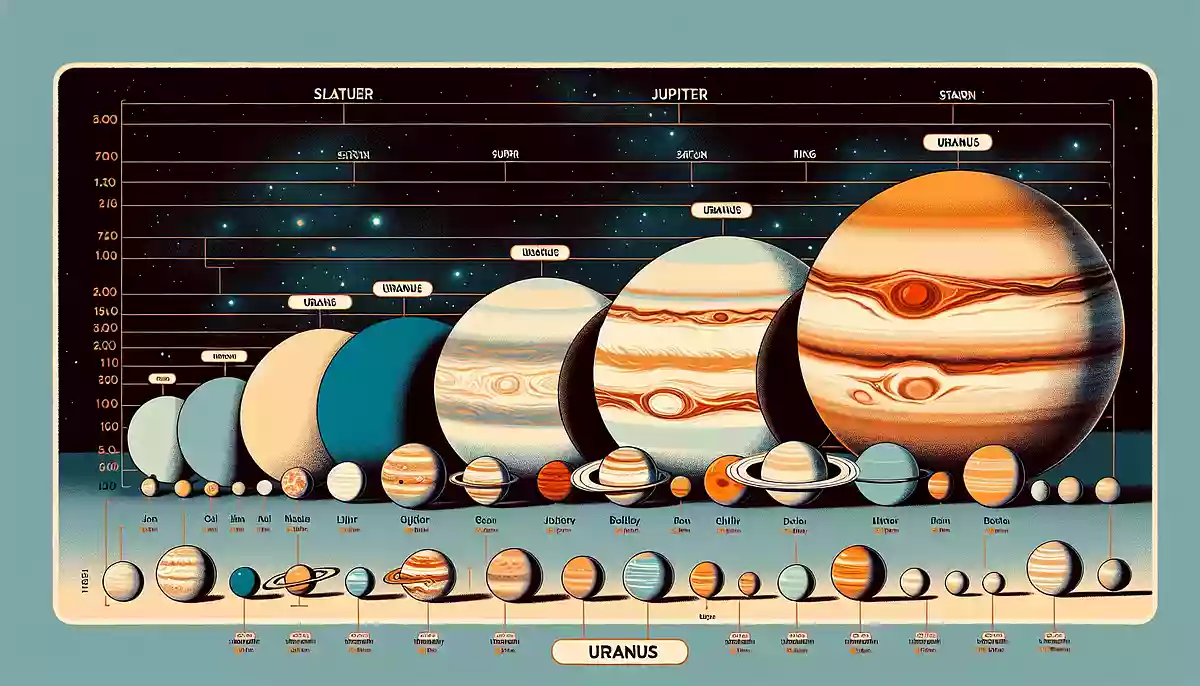
Among the planets in the Solar System, how large is Uranus in rank?
- 1st place
- 2nd place
- 3rd place
See the answer
3rd place
Comparing the sizes of the planets in the solar system, Jupiter is the largest, followed by Saturn in second place and Uranus in third. Uranus has a diameter of about 51,118 kilometers, making it the third-largest planet in the solar system.

What natural phenomena are common to Uranus and Earth?
- hurricane
- solar eclipse
- Aurora
See the answer
Aurora
Like Earth, Uranus experiences auroras. These light shows occur when the solar wind collides with the planet’s magnetic field, and they are produced as Uranus’s strong magnetic field draws charged particles from the solar wind toward the polar regions.
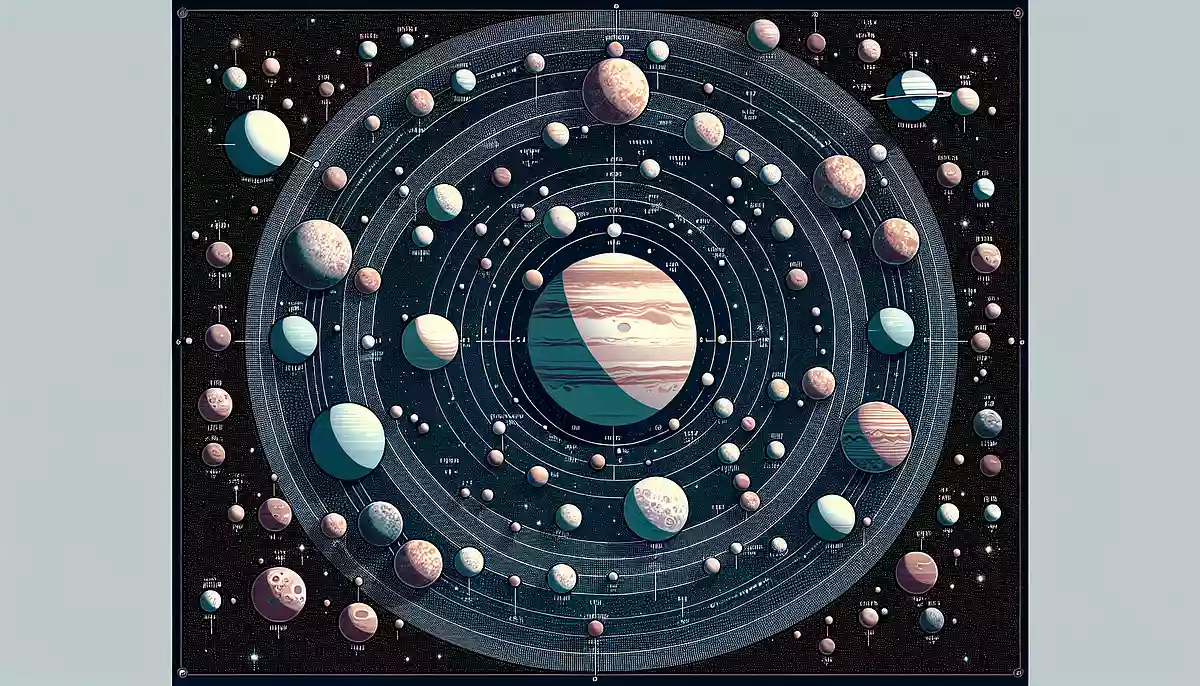
How many moons does Uranus have?
- 13 pieces
- 27 pieces
- 5 pieces
See the answer
27 pieces
As of March 2023, Uranus has been officially confirmed to have a total of 27 moons. These satellites vary in size and shape, making them intriguing subjects for ongoing research alongside Uranus’s unique characteristics.
What kind of planet is Uranus? A quiz to learn about the mysterious celestial body far from Earth (11–20)
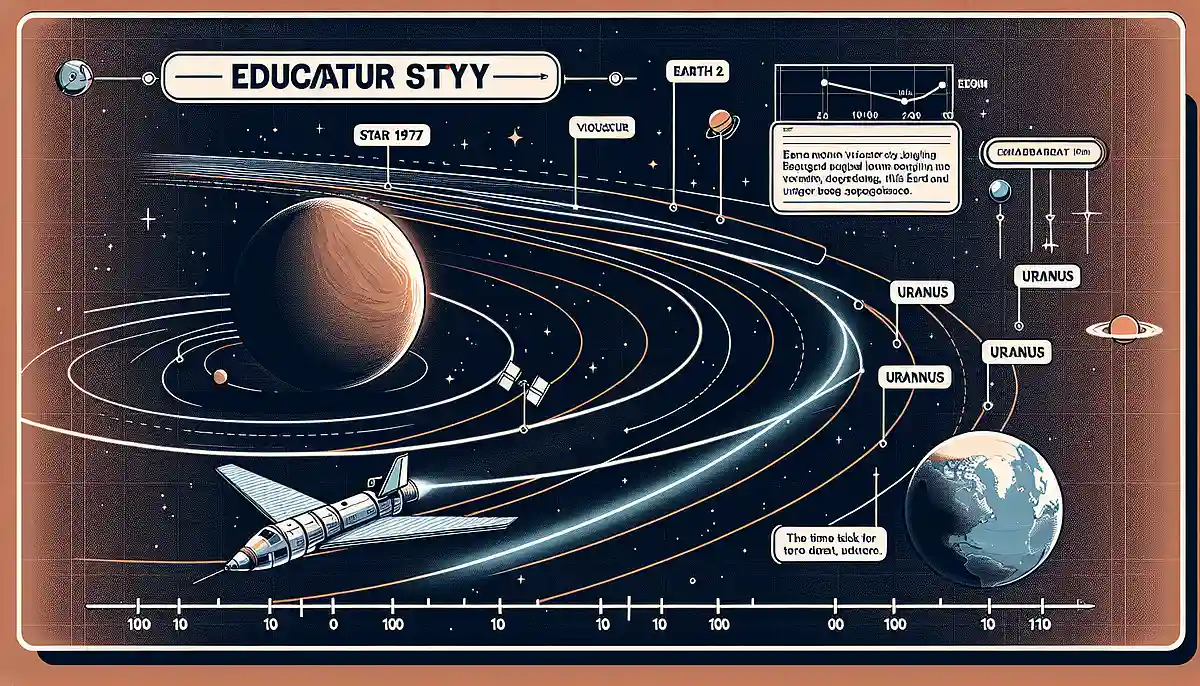
How long did it take Voyager 2, launched in 1977, to reach Uranus?
- About four and a half years
- about eight and a half years
- about nine and a half years
See the answer
about eight and a half years
Voyager 2 was launched in 1977 and, after a long journey of about eight and a half years, arrived at Uranus on January 24, 1986. Therefore, the answer is about eight and a half years.
When was Uranus discovered?
- the year 1609
- the year 1781
- the year 1846
See the answer
the year 1781
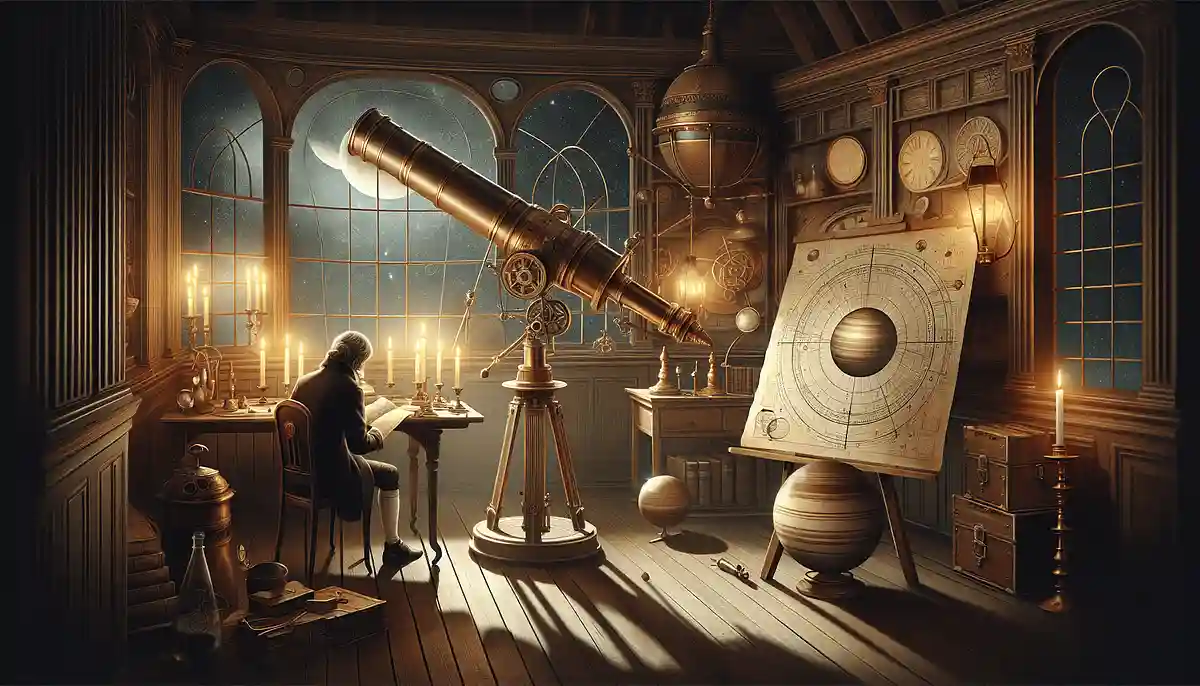
Uranus was discovered by William Herschel on March 13, 1781. Until then, it had been mistaken for a star, but Herschel’s observations established that it was a new planet, making it the seventh planet in the solar system. The year 1609 is when Galileo Galilei first used the telescope for astronomical observations, and 1846 is the year Neptune was discovered.
What is the origin of the name Uranus?
- Sky god of Roman mythology
- Sky god of Greek mythology
- Discoverer's name
See the answer
Sky god of Greek mythology
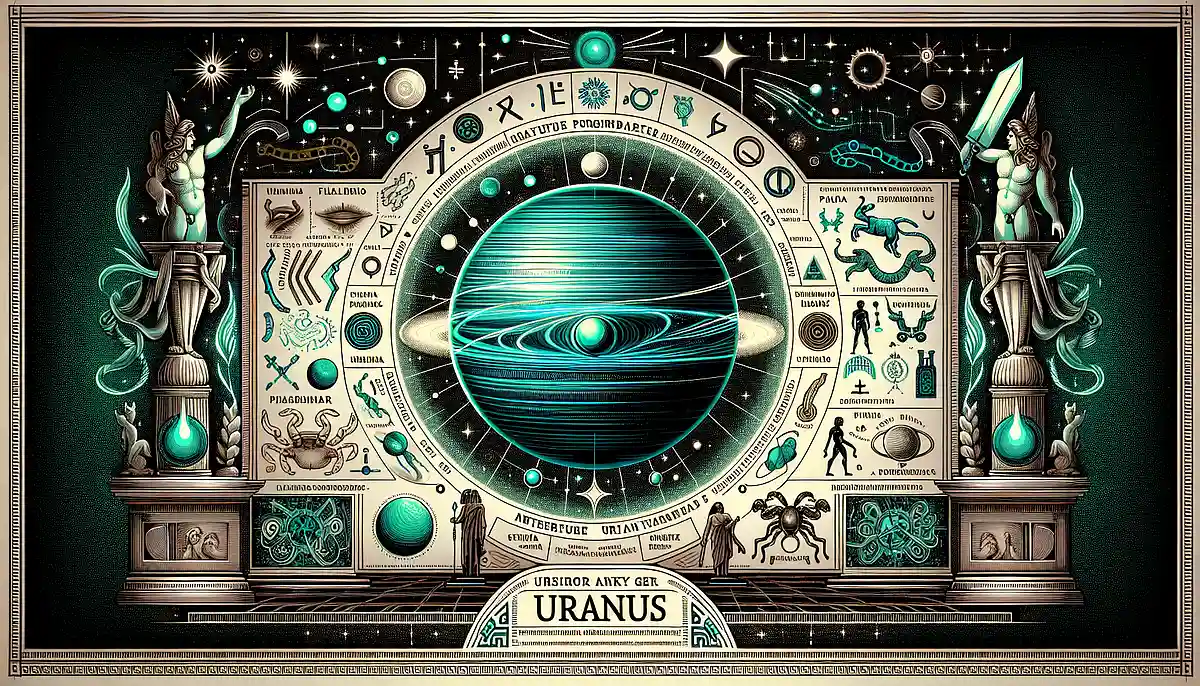
Uranus was discovered in 1781 by William Herschel. Herschel initially named the planet “Georgium Sidus” (George’s Star) in honor of King George III of Britain. However, because this name did not gain acceptance outside of Britain, the planet was ultimately named “Uranus,” after Ouranos, the god of the sky and stars in Greek mythology.
How long would it take to reach Uranus from Earth at the speed of light?
- about two and a half hours
- about two weeks
- about two and a half years
See the answer
about two and a half hours
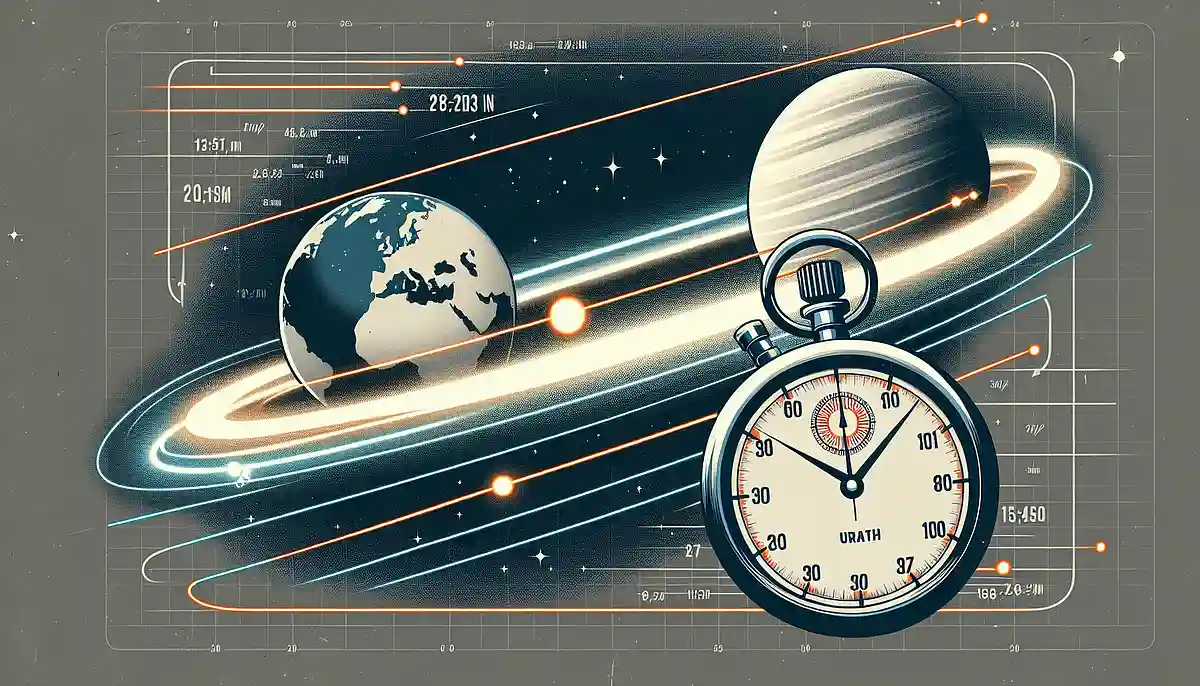
If you divide the average distance between Earth and Uranus by the speed of light, it would take about two and a half hours to get from Earth to Uranus. In terms of a calculation: 2.8 billion kilometers ÷ 299,792 kilometers per second = about 9,312 seconds. Converted to time, that’s approximately 2 hours and 31 minutes.