

[Business Manners] Trivia Quiz Useful for Work


No matter what job you do, business etiquette is something everyone must remember.
However, unless you’re in a training program, there aren’t many chances to study etiquette properly.
So in this article, we’ll present trivia quizzes focused on business manners that are useful at work.
Even business etiquette that can be a hassle to memorize becomes easier to learn when it’s in quiz form! Some quizzes also include little bits of work-related history, so feel free to use them as conversation starters.
I hope this can be a small help to you in your working life.
- It never hurts to know! General knowledge quiz
- [Business Manners] Trivia Quiz Useful for Work
- [Great for speeches] Trivia and fun-fact quizzes recommended for morning assemblies
- Fun Quiz Questions That Will Liven Up the Office [2026]
- Useful for workplace morning meetings! Recommended topics and trivia you can use for a one-minute speech.
- Let's take on a four-choice quiz that everyone can enjoy together!
- Abbreviation quiz: things you might not actually know? From everyday terms to youth slang
- [Interesting] Compilation of Trivia Quiz Questions
- A three-choice quiz of useful trivia: a collection of questions you can use in everyday life
- [Challenge] Stimulate your intellectual curiosity with a general knowledge quiz you might not know!
- A quiz of fun trivia: bite-sized knowledge that leads to new insights.
- So interesting you’ll want to tell someone! December Trivia & Fun Facts Special
- Trivia quiz with useful tips to know: fun facts that come in handy at school or at home [for kids]
[Business Etiquette] Trivia Quiz Useful for Work (1–10)
Which of the following is something you don’t need to do when giving a gift, as it’s outdated?
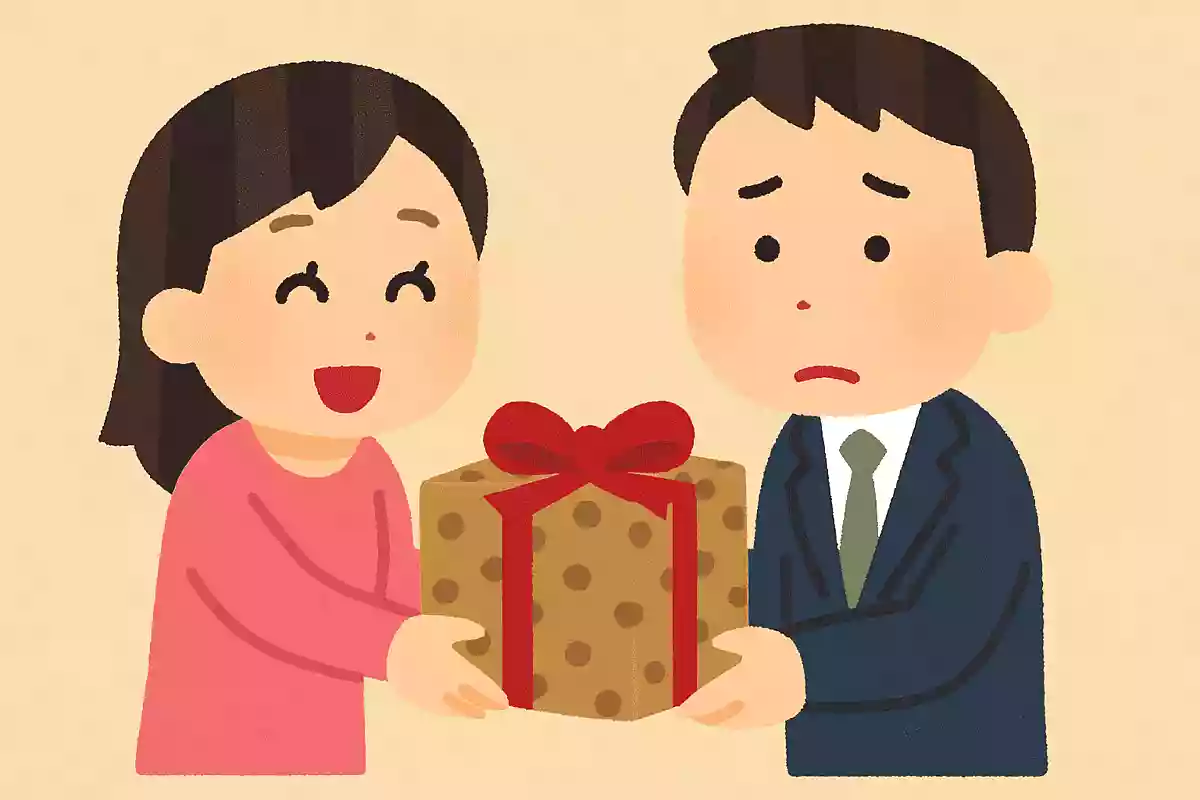
- For items that are hard to hold, say “Excuse me for handing it over in the bag,” and give it as is in the bag.
- Hand it over saying, "It’s just a small (trivial) gift."
- Give something other than food
See the answer
Hand it over saying, "It’s just a small (trivial) gift."
The phrase “tsumaranai mono desu ga” has long been used to humbly express modesty toward the other person. However, in modern times it often fails to convey that feeling well, so it’s considered better to avoid using it. Instead, use expressions like “I hope it suits your taste” or “It’s just a small token,” and the like.

Which seat is the correct one for a boss or customer to sit in?
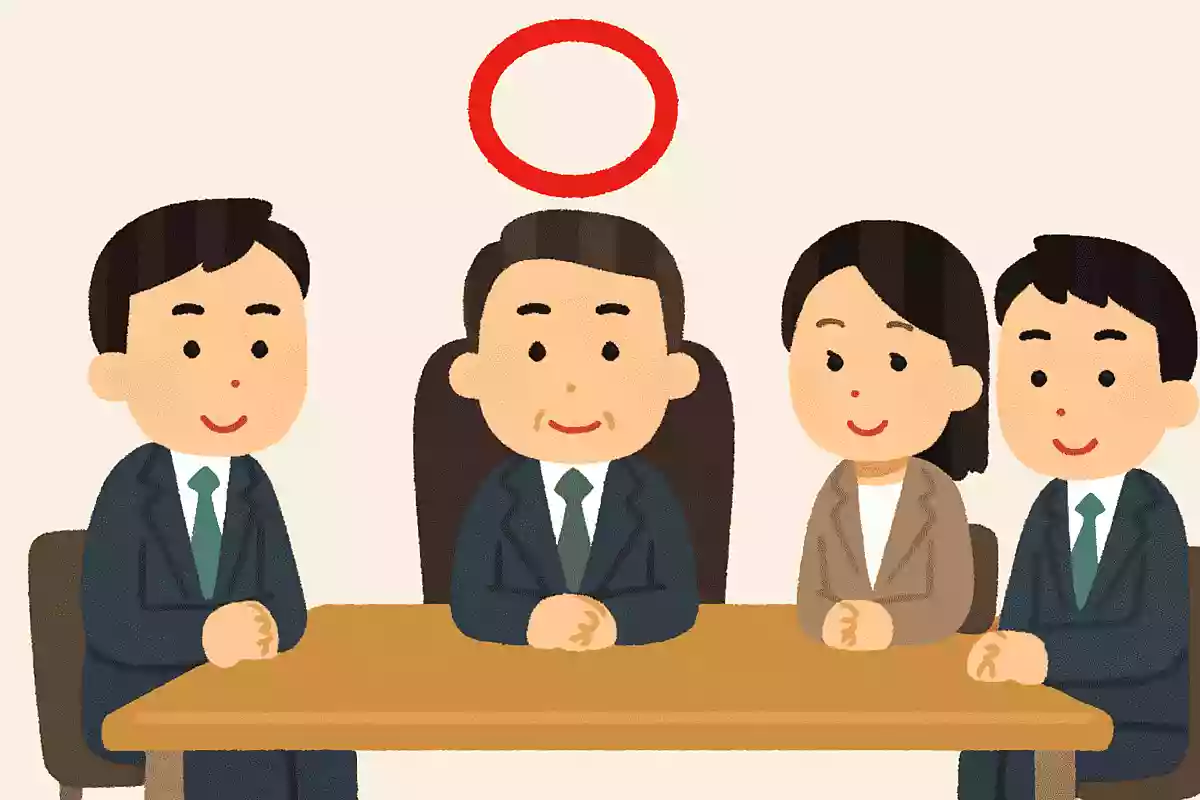
- The place farthest from the entrance/exit
- The place closest to the entrance/exit
- Anywhere is fine.
See the answer
The place farthest from the entrance/exit
It is proper etiquette to have your boss or clients sit in the seat farthest from the entrance, known as the “upper seat.” Conversely, the person with the lowest status among those present should sit in the seat closest to the entrance, called the “lower seat.” If you are the guest, you should sit where your host directs you.
Which should take priority when a happy occasion and a funeral condolence coincide?
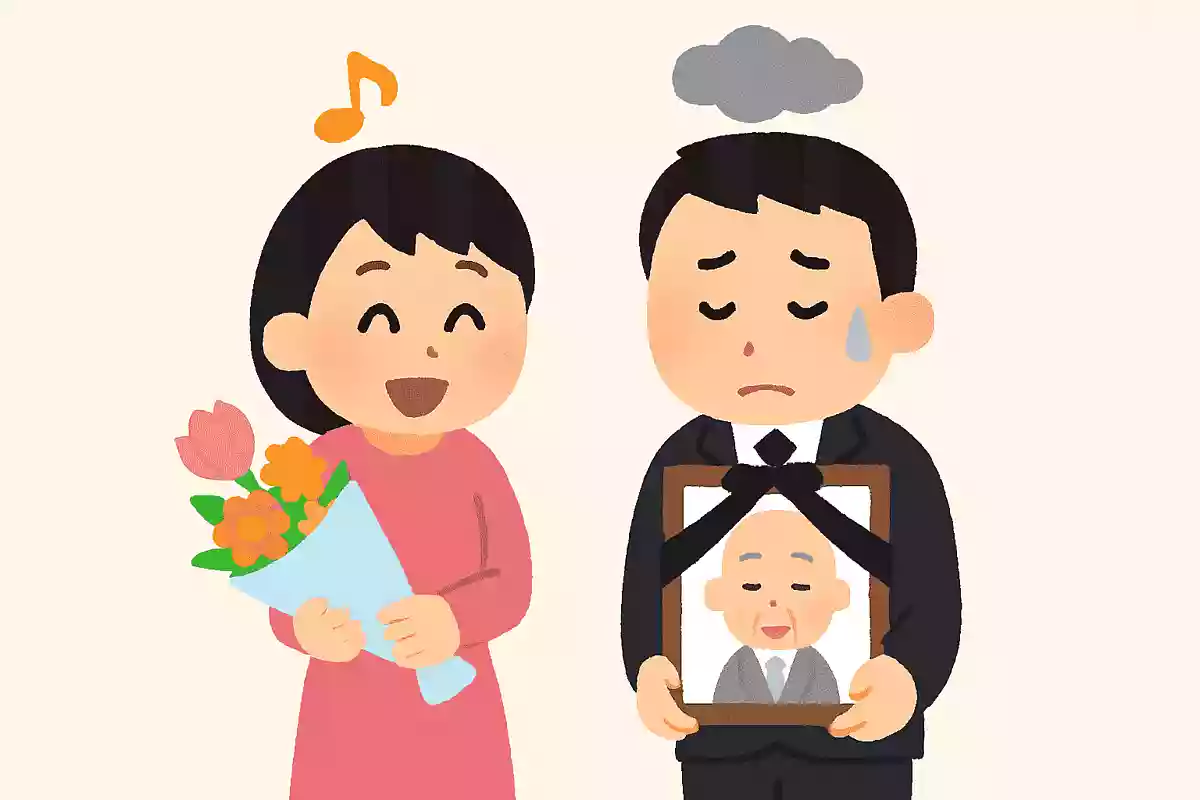
- Prioritize celebratory occasions
- Prioritize the eulogy
- Treat both the same
See the answer
Prioritize the eulogy
When a joyful occasion and a funeral coincide, it is generally the funeral that takes precedence. Celebratory events can often be rescheduled or made up for in various ways, but a funeral—our farewell to the deceased—cannot be postponed and only happens at that moment.
[Business Etiquette] Trivia Quiz Useful for Work (11–20)
Which greeting would be rude to a superior?
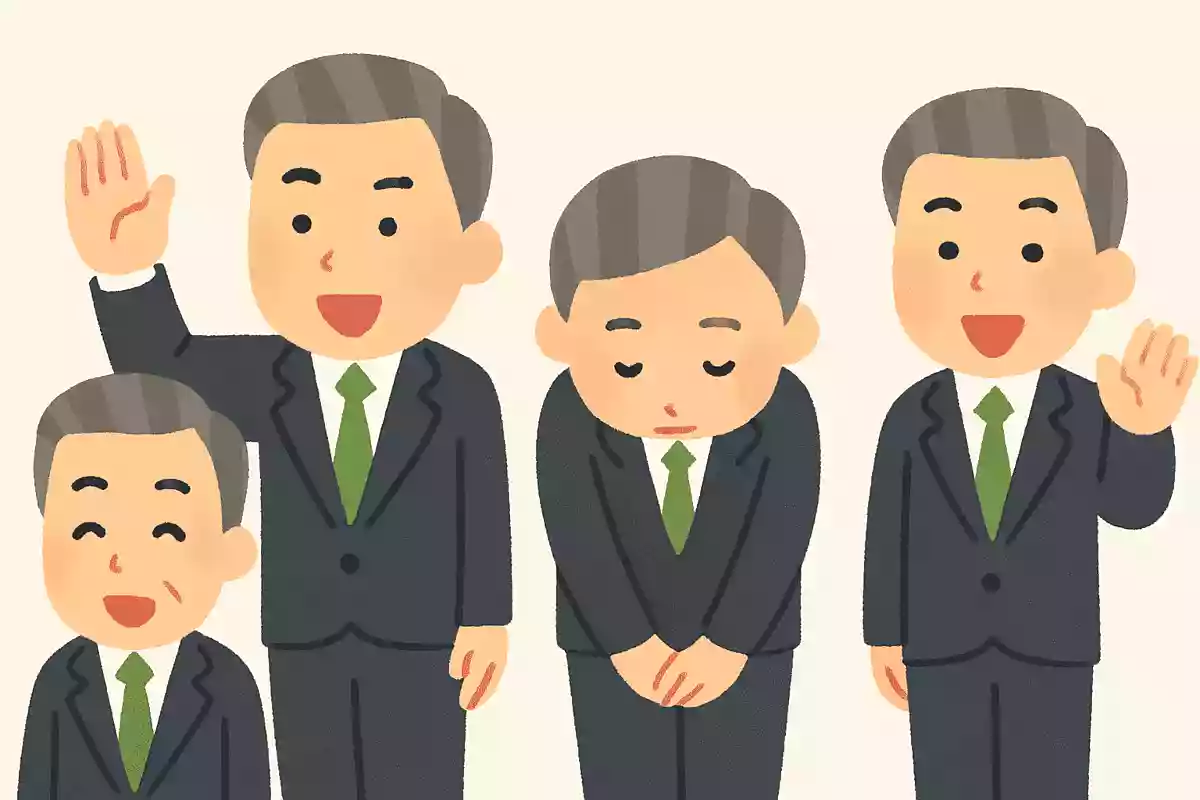
- Thank you for your hard work.
- Thank you for your hard work.
- Excuse me.
See the answer
Thank you for your hard work.
While “gokurousama desu” expresses appreciation for someone’s efforts, using it toward a superior is considered impolite. The phrase is typically used by superiors to subordinates or those of lower status. When offering words of appreciation to a superior, use “otsukaresama desu” instead.
What is the correct bowing angle when greeting a customer?
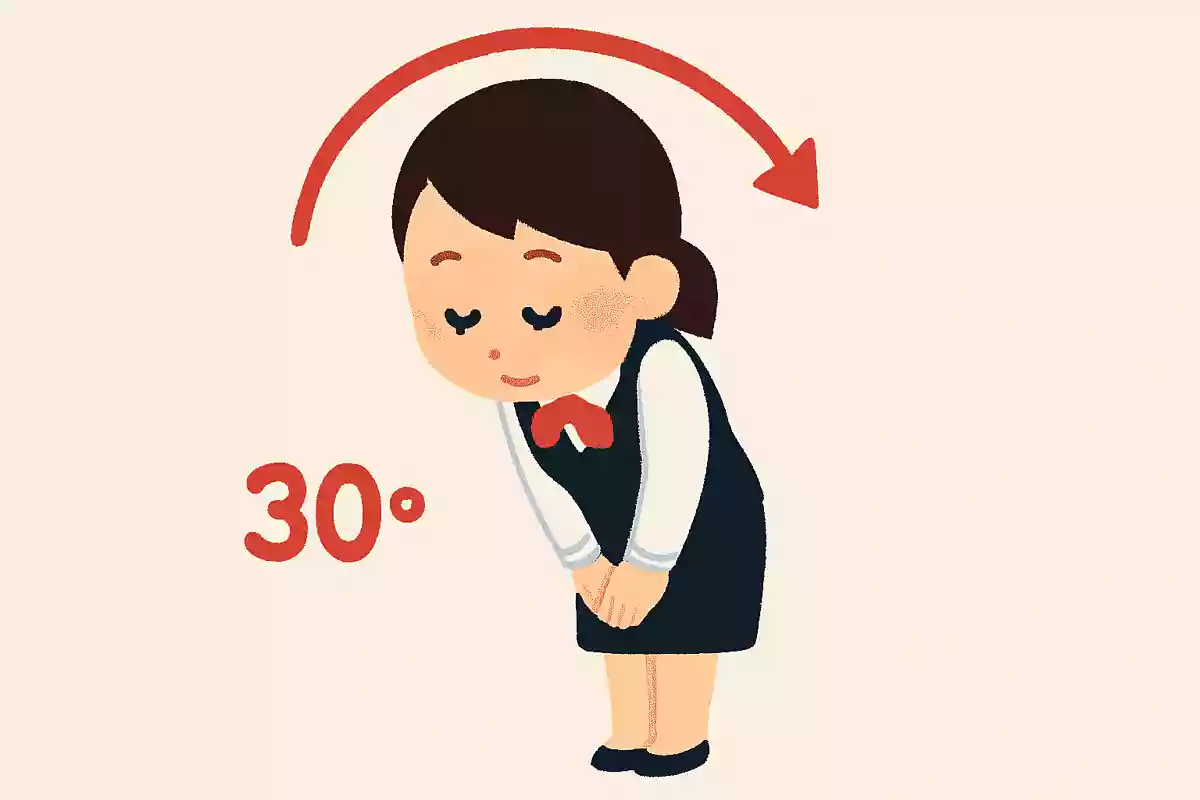
- 15 degrees
- 30 degrees
- 45 degrees
See the answer
30 degrees
A bow angle of 30 degrees is considered appropriate when greeting customers. This bow is called keirei. For a light greeting to superiors or acquaintances, use a 15-degree bow called eshaku, and for apologies or expressing deep gratitude, use a 45-degree bow called saikeirei.
Which of the following is an incorrect way to use “Onchuu”?
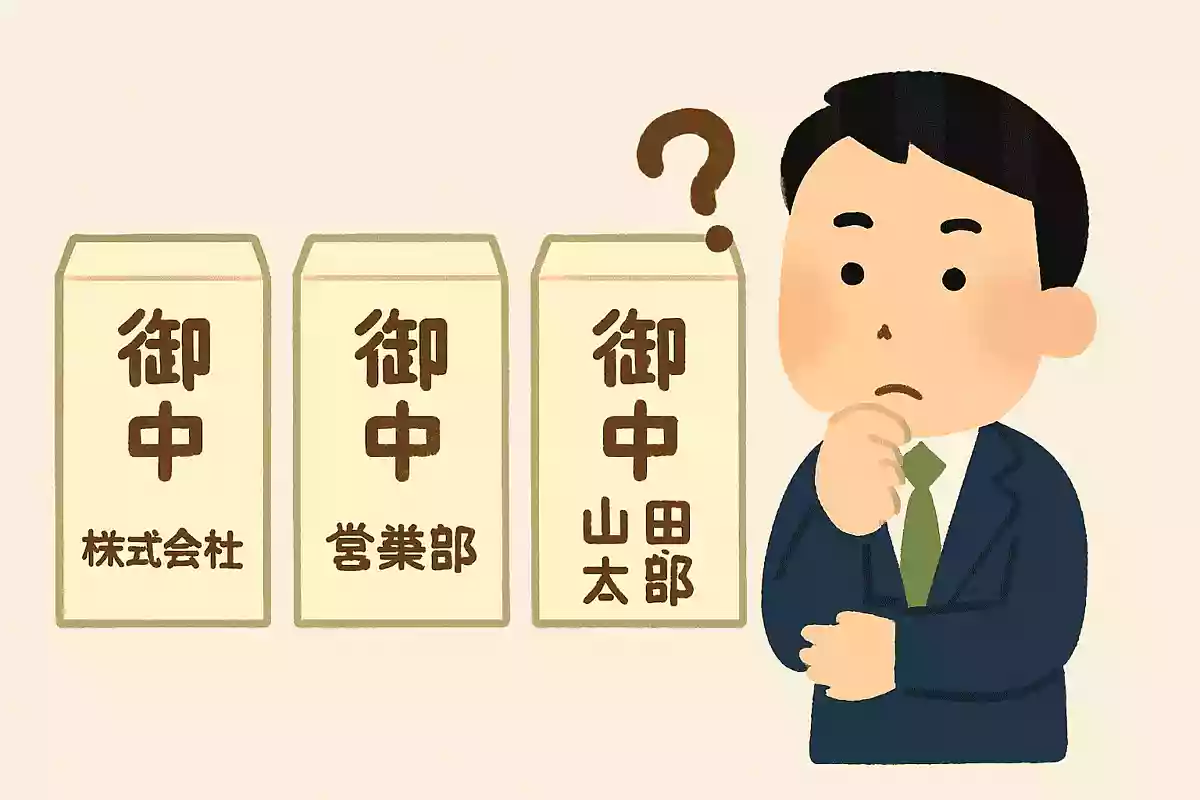
- To 〇〇 Co., Ltd.
- To the Sales Department
- To △△ at 〇〇 Co., Ltd.
See the answer
To △△ at 〇〇 Co., Ltd.
“Onchū” is an honorific used for organizations or departments and cannot be used together with “sama,” which is an honorific for individuals. When listing a company name alongside an individual’s name, do not use “onchū”; the correct format is “XX Co., Ltd. — Mr./Ms. YY.”

In business honorific language, what is the proper way to rephrase “dekimaseN” (I can’t)?
- It is impossible.
- I must decline.
- I’m afraid that’s not possible.
See the answer
I’m afraid that’s not possible.
“Itashikanemasu” is a polite business honorific that conveys “we cannot do that.” Because negative expressions can carry a negative impression, there is a trend to avoid using them.