

[Valentine's Day] Trivia and fun facts you'll want to share: A big reveal of secrets about Valentine's Day and chocolate

When you think of Valentine’s Day, many people picture it as a day to give chocolate, but did you know its origins and the ways it’s celebrated vary around the world? If you unravel the secrets of Valentine’s Day and chocolate, you’ll find plenty of surprising facts hidden within.
From how the custom of giving chocolate became popular in Japan to sweets you might want to avoid giving on Valentine’s Day… We’ve gathered trivia and fun facts about Valentine’s Day and chocolate that you might feel you know—but actually don’t.
They’re perfect for sparking conversations and creating small talk, so this February, why not liven things up with some Valentine’s Day trivia?
- [For Kids] Let's All Take the Challenge! Valentine's Day Trivia Quiz & Fun Facts
- February trivia quiz: three-choice questions on seasonal fun facts like Setsubun and Valentine’s Day
- A three-choice quiz about chocolate knowledge and history
- Trivia and fun facts about food (summary)
- Lesser-known facts about Mother’s Day that might surprise you—tidbits you’ll want to share with someone
- February trivia quizzes that elementary school kids will love. Get excited with fun facts about commemorative days.
- Exciting! Trivia quizzes that you’ll want to tell others about. A collection of surprisingly little-known facts.
- [For Kids] Easy Valentine’s Homemade Recipe Collection for Parents and Children
- Not taught in school! A roundup of historical trivia and fun facts
- Coffee Trivia Quiz: A one-stop introduction to lots of fun facts
- Fun facts you’ll want to share! January trivia and tidbits special
- Trivia quiz about schools: a roundup of fun facts you’ll want to brag about
- [Great for speeches] Trivia and fun-fact quizzes recommended for morning assemblies
[Valentine's Day] Trivia and fun facts you'll want to share: Unveiling the secrets of Valentine's Day and chocolate (1–10)
February 14 was originally the day Saint Valentine was executed.
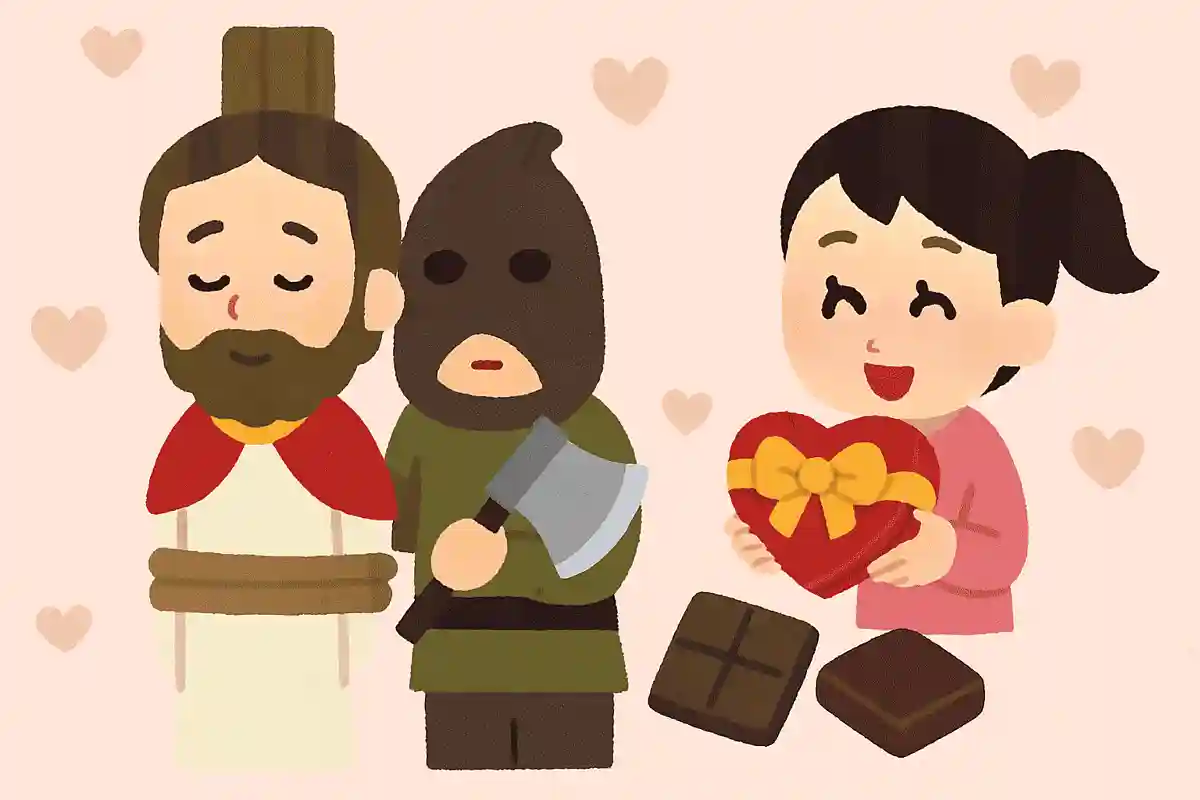
When you think of February 14 in Japan, it’s Valentine’s Day—a day when women give chocolate to men to express gratitude and love.
It can make you feel a bit restless, but if you trace the origins of Valentine’s Day, you find a deep history.
During the Roman Empire, marriage was prohibited in order to boost soldiers’ morale.
However, the Christian priest Valentino secretly arranged marriages for young soldiers without the emperor’s knowledge.
When this reached the emperor’s ears, Priest Valentino was executed.
People came to venerate him as Saint Valentine, and the day of his execution, February 14, was designated as a day to mourn Priest Valentino.

Giving cookies on Valentine’s Day means “let’s stay friends.”

Giving cookies on Valentine’s Day is said to carry meanings like “let’s stay friends,” “let’s keep things as they are,” or a casual kind of affection, partly because of their light, crispy texture.
They’re a good gift for people to whom you want to express light gratitude—friends, coworkers, and business associates.
If the person you truly like knows this meaning, they might misunderstand your intention, so it may be better to avoid giving cookies to them.
Other sweets also have hidden meanings, so it could be worth looking them up.

In Germany on Valentine’s Day, people give pig figurines or sweets as symbols of good luck.
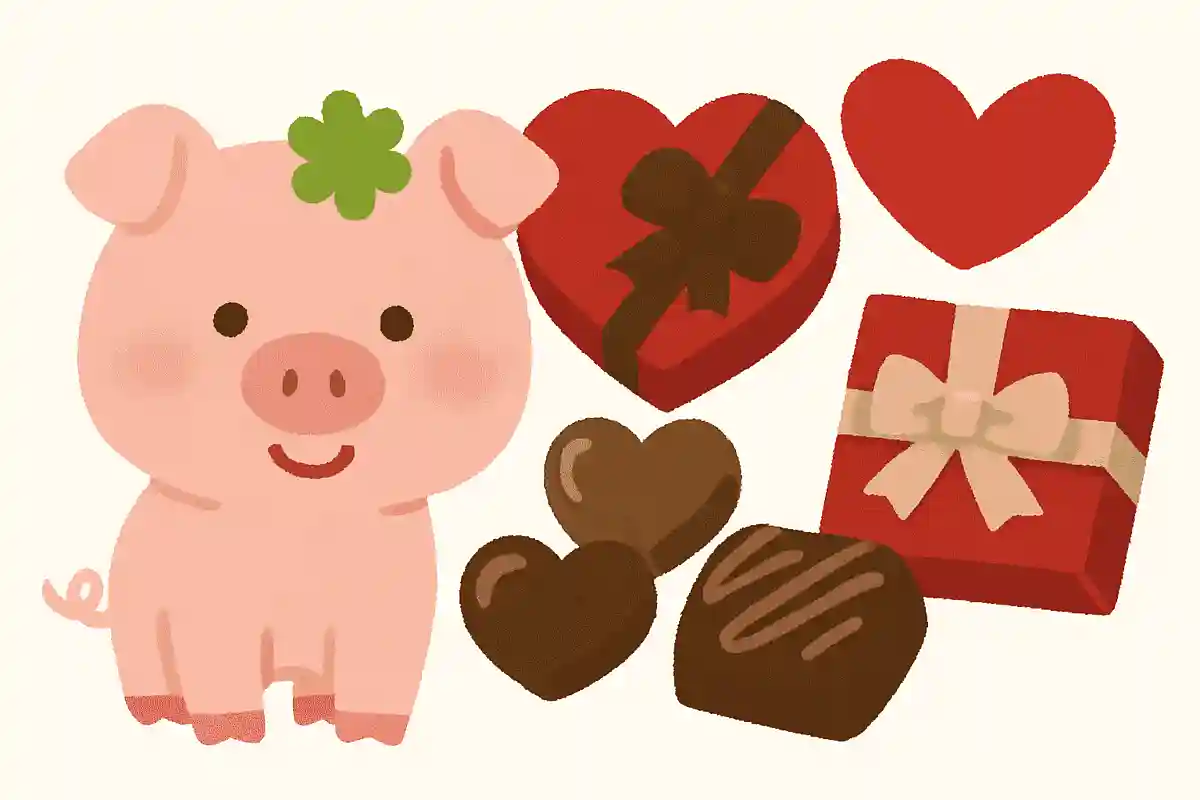
In Japan, Valentine’s Day typically involves women giving chocolate, but it seems to be different in Germany.
In Germany, men often give women bouquets of roses, and items featuring pigs—considered symbols of good luck there—are also popular.
Moreover, in Germany, Valentine’s Day doesn’t carry the nuance of a confession of love, and there’s no culture of obligatory chocolates.
It’s fun just to look into how Valentine’s Day is celebrated in different countries, isn’t it?
[Valentine's Day] Fun facts and trivia you'll want to share: A big reveal of secrets about Valentine's Day and chocolate (11–20)
The country that produces the most cocoa beans—the raw ingredient of chocolate—is not Ghana but Côte d’Ivoire.
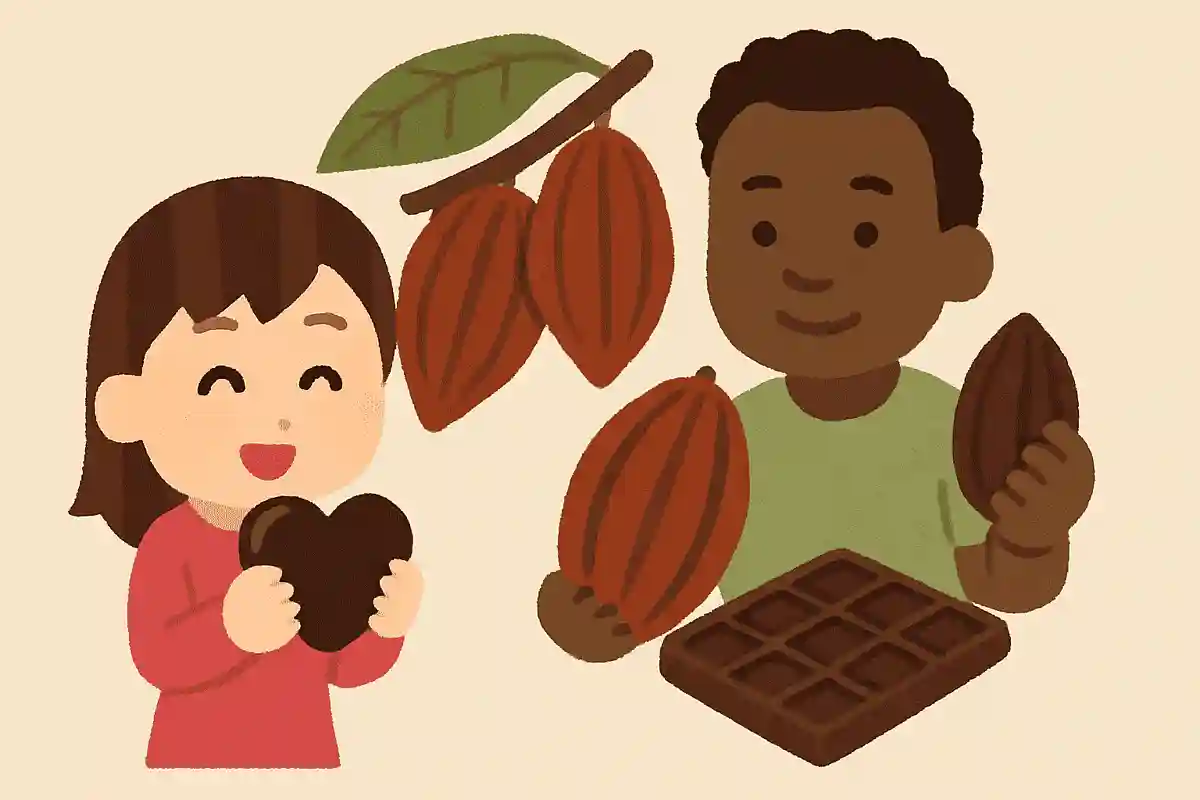
Ghana is a major producer of cacao beans, the raw ingredient for chocolate.
And the name of the chocolate bar sold by the famous confectionery company Lotte is “Ghana.” Because it’s often seen in supermarket and convenience store candy aisles and in commercials, some people may associate “Ghana” primarily with chocolate.
However, the country that actually produces the most cacao beans is Côte d’Ivoire, accounting for nearly 40% of the global total.
Compared to second-place Ghana, the difference is roughly twofold.
It’s a fun fact that might surprise you!
The grooves in chocolate are there to help it cool more easily.
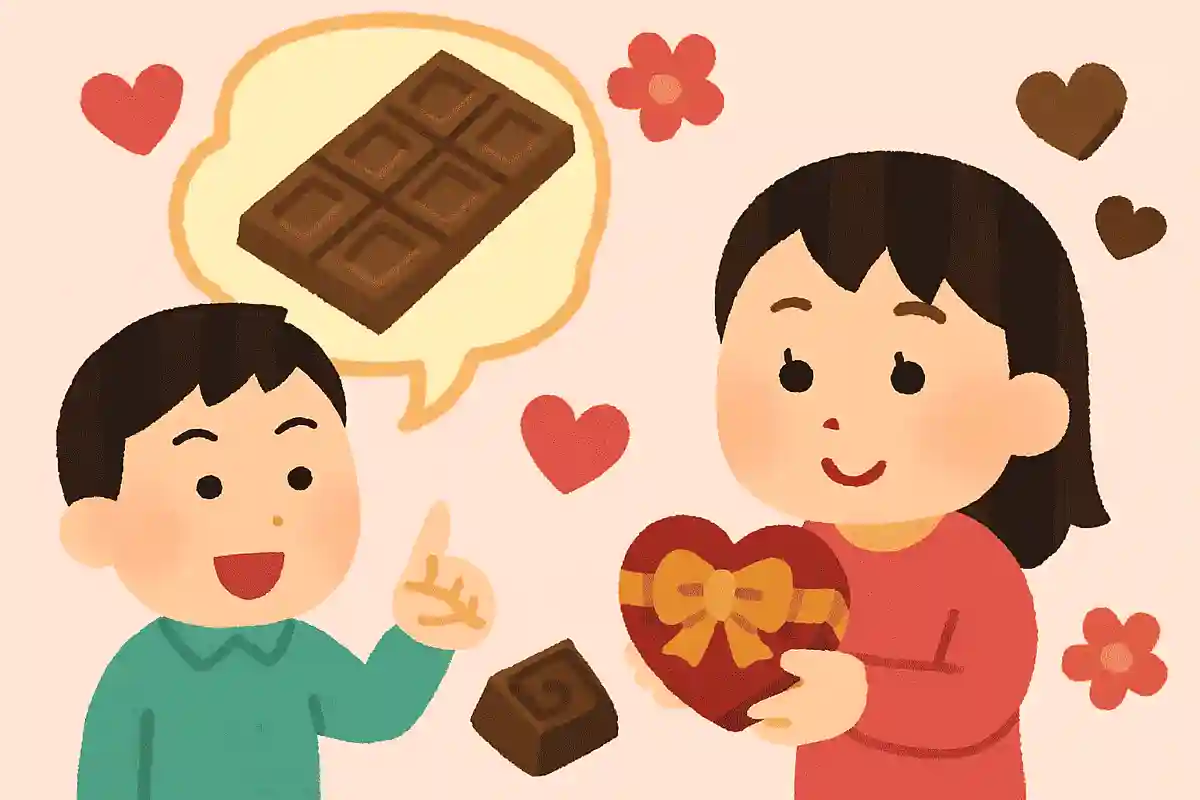
Did you know that the grooves on the chocolate bars we casually eat actually have a purpose? Many people might assume they’re there to make the chocolate easier to break when eating.
In fact, those grooves aren’t for breaking—they’re added to make cooling during production more efficient.
The grooves help the chocolate cool quickly and set faster.
Cooling the bar evenly also improves how smoothly it melts in your mouth.
Those grooves are truly the result of careful industry innovation.
Giving a Baumkuchen on Valentine’s Day carries the meaning “May happiness keep layering up.”

Giving baumkuchen for Valentine’s Day might not be the first option that comes to mind, but it’s said to carry a hidden meaning.
Because of its many layers, it symbolizes happiness building up layer by layer and lasting a long time.
It’s a lovely wish, isn’t it? It’s also recommended for people who don’t like chocolate, for older recipients, or for friends.
On the other hand, it’s considered better to avoid giving it as a hospital gift, as it could suggest misfortune continuing.
Why not try giving baumkuchen at least once?
Chocolate was originally consumed as a medicine.
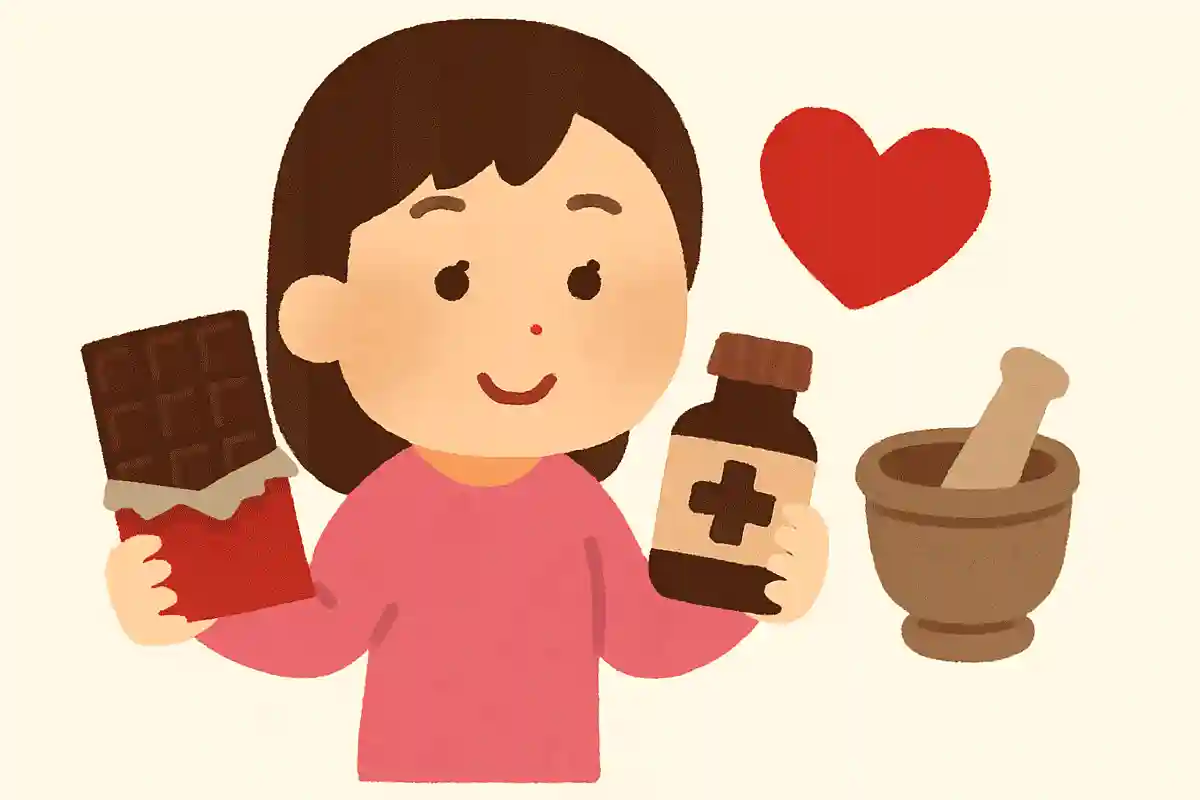
Chocolate is the quintessential sweet and delicious confection.
In fact, it has a long history and was originally used as a medicine.
The predecessor of chocolate was a drink called “xocolatl,” made by grinding cacao beans—the raw ingredient of chocolate—into a thick liquid and adding various spices and flavorings.
Because cacao was a luxury item at the time, it was consumed only by a select few, such as emperors.
Unlike today’s chocolate, it wasn’t sweet but bitter.
It was expected to offer various benefits—such as relieving fatigue, boosting vitality, reducing fever, and neutralizing toxins—and thus served a medicinal role.