

![[Valentine's Day] Trivia and fun facts you'll want to share: A big reveal of secrets about Valentine's Day and chocolate](https://media.ragnet.co.jp/img/1200__png__https://www.studiorag.com/files/2026/01/d536e8afa40a6fe740fce2f017e8cc7f.webp)
[Valentine's Day] Trivia and fun facts you'll want to share: A big reveal of secrets about Valentine's Day and chocolate

When you think of Valentine’s Day, many people picture it as a day to give chocolate, but did you know its origins and the ways it’s celebrated vary around the world? If you unravel the secrets of Valentine’s Day and chocolate, you’ll find plenty of surprising facts hidden within.
From how the custom of giving chocolate became popular in Japan to sweets you might want to avoid giving on Valentine’s Day… We’ve gathered trivia and fun facts about Valentine’s Day and chocolate that you might feel you know—but actually don’t.
They’re perfect for sparking conversations and creating small talk, so this February, why not liven things up with some Valentine’s Day trivia?
[Valentine's Day] Trivia and fun facts you'll want to share: Unveiling the secrets of Valentine's Day and chocolate (1–10)
Giving macarons on Valentine’s Day means “You are someone special.”

When it comes to Valentine’s Day, many people give chocolate, but I’ve heard that giving macarons is said to mean “you’re someone special.” It’s apparently because they feel luxurious and take effort to make.
Be careful though—the sense of specialness can change depending on the color and flavor.
For example, pink represents eternal love, yellow stands for friendship, and brown signifies comfort and compassion.
Whether or not the recipient knows these meanings, it’s still fun to entrust those feelings to macarons, isn’t it?

There is no scientific evidence that eating too much chocolate causes nosebleeds.
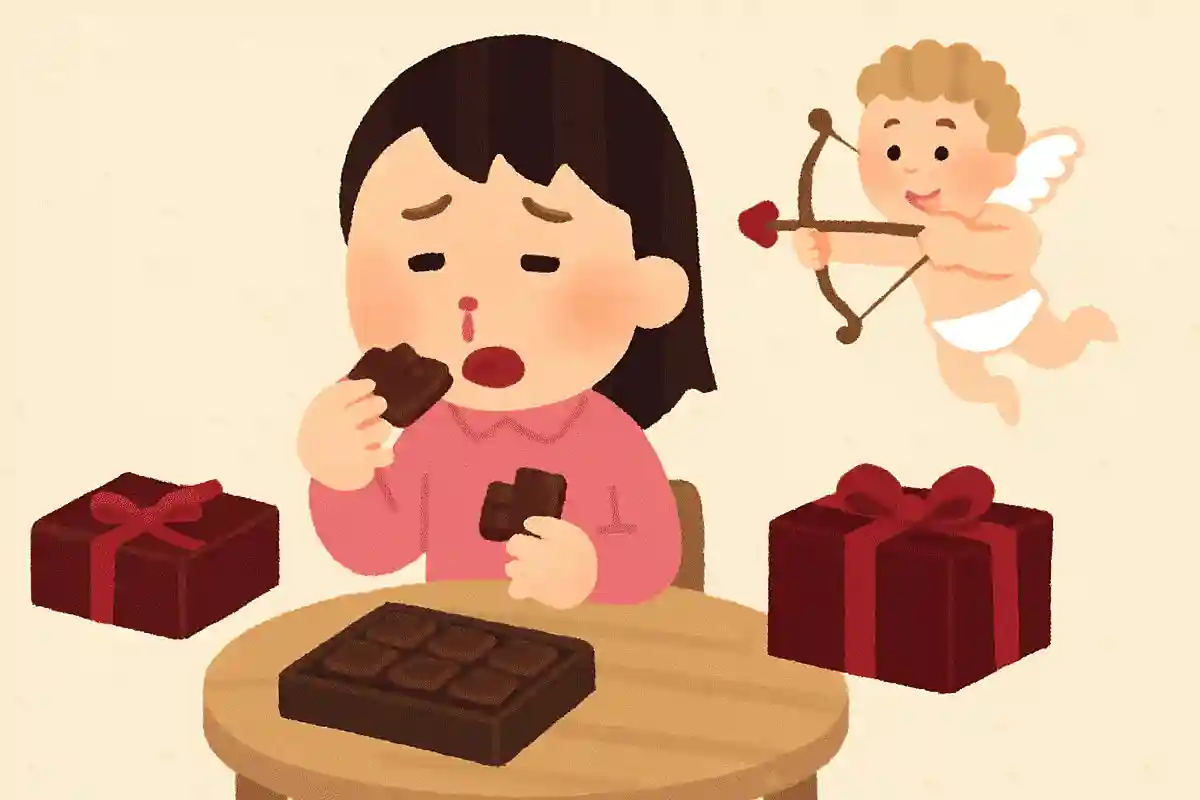
When you were little, your mother may have told you, “If you eat too much chocolate, you’ll get a nosebleed.” In fact, there’s no scientific or medical evidence that overeating chocolate leads to nosebleeds.
However, chocolate contains substances like polyphenols and theobromine that can promote blood circulation, which has led to the belief that it can cause nosebleeds.
It may also have come from parents’ desire not to let their children eat too much chocolate.

Only in Japan do women give chocolates to men to express their feelings.

Overseas, Valentine’s Day is said to be a day of love, and it’s often the case that men give gifts to or treat women.
In Japan, the custom of women giving gifts to men took root around the 1950s when chocolate manufacturers ran campaigns.
In Japan, it doesn’t just carry the meaning of a romantic confession; it can also mean giving a gift to men to whom you’re grateful.
By the way, it seems there isn’t a “reciprocal gift” custom like White Day overseas.
It’s fair to say that Japan’s Valentine’s Day is a culture unique to Japan.
Giving gummies on Valentine’s Day means “I don’t like you.”
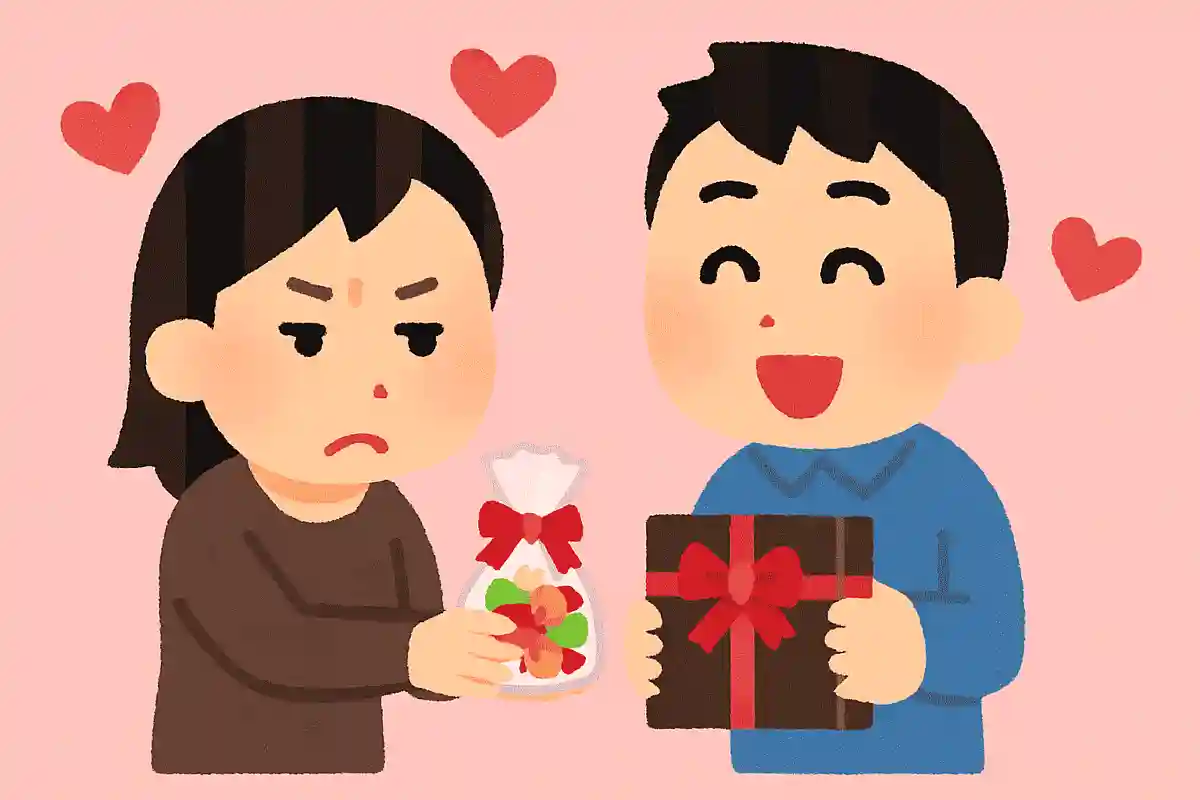
If you’re thinking of giving gummy candies for Valentine’s Day, you might want to reconsider.
Apparently, gummies can carry the meaning that you don’t like the person.
This is said to come from their “cheap” image or the idea that your feelings aren’t solidified.
If the recipient finds that the present they got is just gummies, it could be quite a shock.
By the way, marshmallows are said to have a similar connotation, so they’re also items to watch out for.
There’s no need to go out of your way to hurt someone’s feelings, right?
In Saudi Arabia, celebrating Valentine’s Day is prohibited.
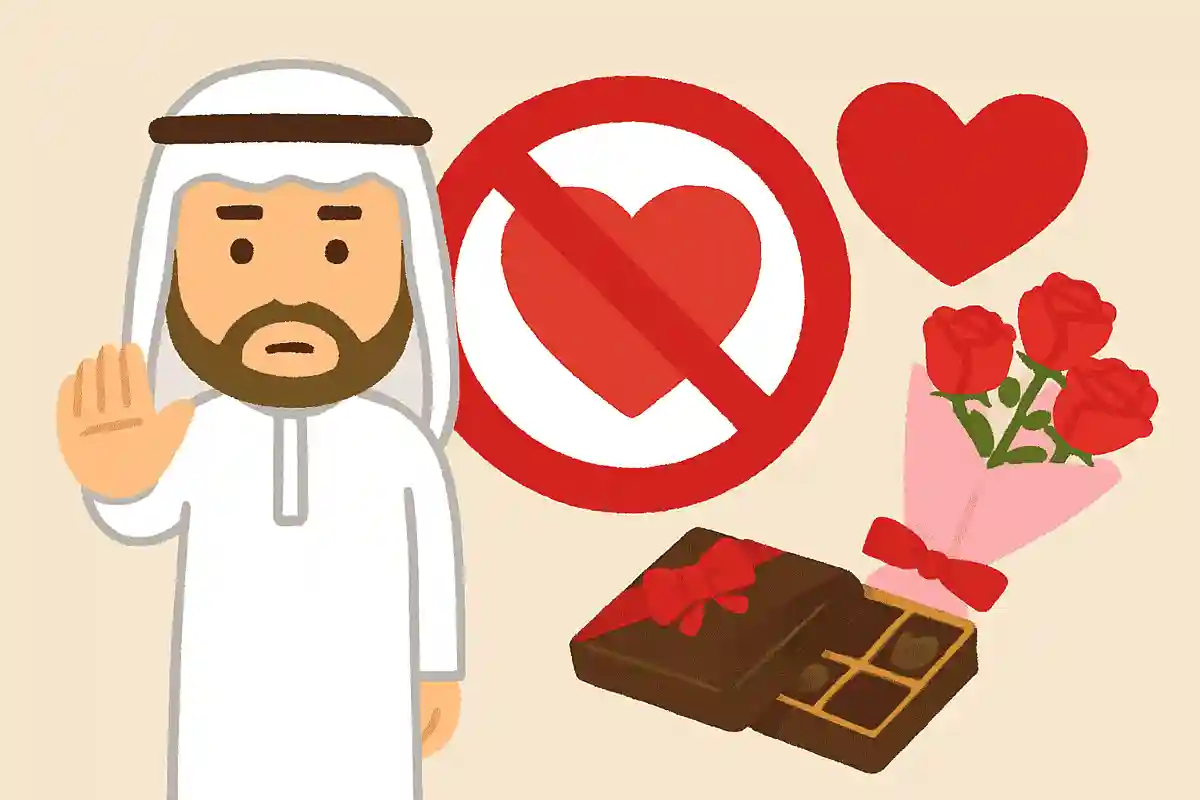
Did you know that Valentine’s Day used to be strictly banned in Saudi Arabia because it was considered a non-Islamic, non-believer’s event? In recent years, that stance has eased, and it’s become recognized especially among young people, who now exchange gifts and the like.
What’s more, it was banned until as recently as 2016.
It’s surprising to think that people could even be arrested by the Committee for the Promotion of Virtue and the Prevention of Vice, the religious police.
In Japan, even though many people are Buddhist, global events are enjoyed—cultural differences really show, don’t they?
Cacao beans, the raw material of chocolate, were once used as currency.
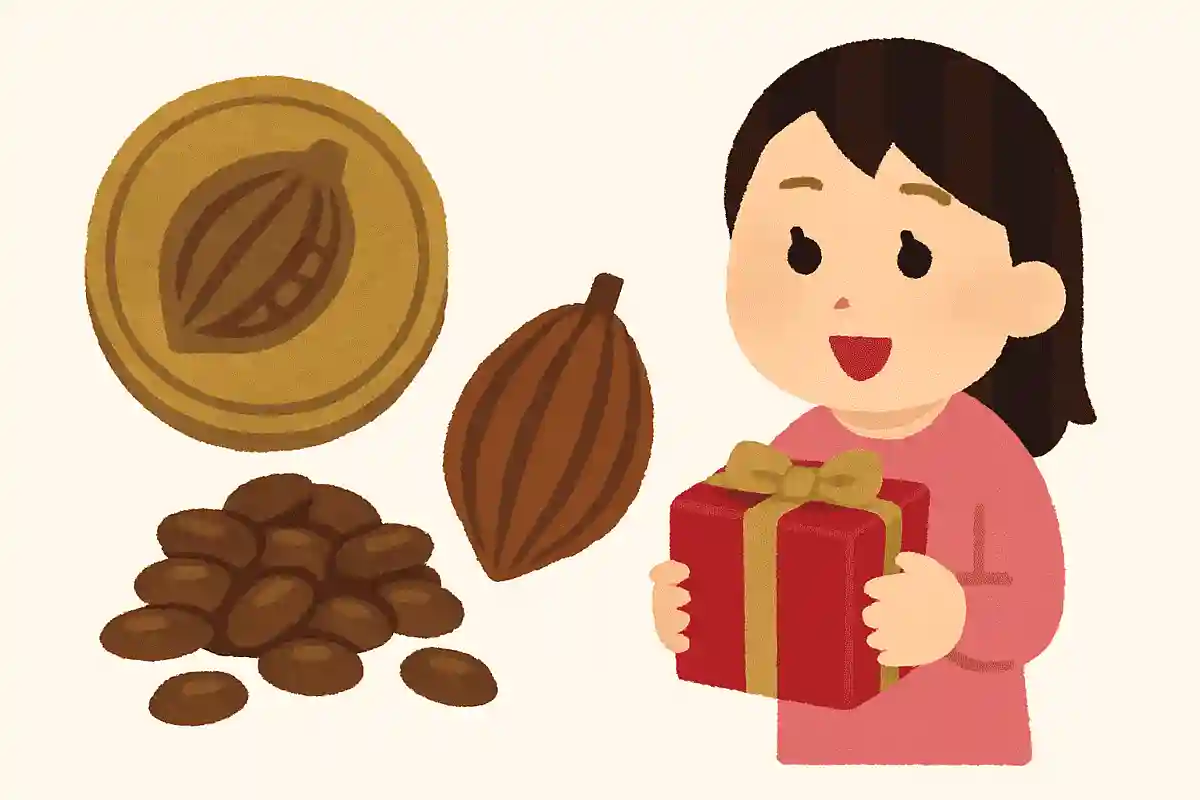
Chocolate is popular on Valentine’s Day, but in ancient times in Central and South America, where civilizations like the Aztecs flourished, cacao was extremely valuable and not easily obtained.
Only royalty and nobility could consume it, and it was used as a medicine for recovery from fatigue and for nourishment.
It was even used as a form of currency.
It’s said that a slave could be traded for 100 cacao beans—unthinkable today.
Such valuable cacao gained rapid popularity once sugar was added to counteract its bitterness and people began drinking it.
Fascinating, isn’t it?
Giving marshmallows on Valentine’s Day means “I want to forget you quickly.”
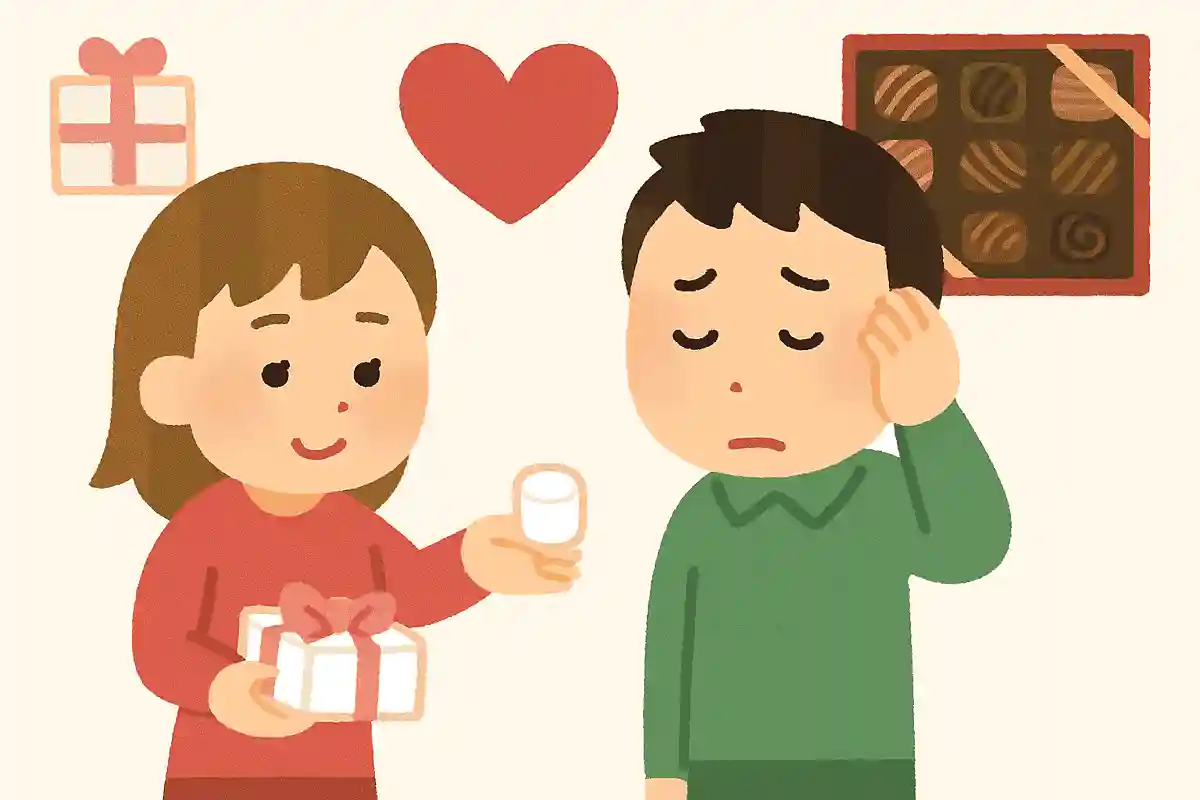
Did you know that giving marshmallows on Valentine’s Day has quite a negative image? Because they melt away quickly in your mouth, they can be taken to mean “I want this to end soon” or “I’m turning you down.” It would be a shock to open a small gift and find that it’s marshmallows, wouldn’t it? By the way, chocolate-covered marshmallows are said to carry a positive meaning—like being wrapped in love—so if the person likes marshmallows, choosing chocolate-covered ones might be a good idea.