

[Classics] Famous waltzes: recommended popular pieces


Introducing a selection of famous waltzes all at once! From classic staples to lesser-known gems, we’ve picked a wide range.
The true charm of the waltz lies in its 3/4 time, doesn’t it? That distinctive meter creates such a romantic atmosphere.
Whether in major or minor keys, it’s captivating music.
This time, it’s a special feature on waltzes! You might even discover something like, “I didn’t know there was such a great piece!” We’ve selected pieces across various styles, so be sure to read to the end!
- Famous German Folk Songs | That familiar tune in Japan was actually a German folk song?!
- Polka masterpieces. Recommended popular songs.
- [Nostalgic Collection] Classic oldies masterpieces. Recommended popular songs
- [2026] Iconic musical numbers: from the latest releases to timeless classics!
- Cool! Introducing classic masterpieces of Argentine tango
- Also great as café music! Introducing famous tunes to savor the charm of musette
- [Famous Songs of the World] A curated introduction to soul-stirring popular Latin mambo tracks
- Chanson masterpieces. Recommended popular songs.
- [Western Music] The World of Power Ballads: A Collection of Must-Listen Gems to Start With
- [Tango] Famous Tango Songs: Recommended Popular Tracks
- Masterpieces and history of folklore: An introduction to traditional music of the South American Andes
- [2026] A Guide to Country Music: From the Latest Hits to Classic Favorites
- Everything is stylish! Popular music in France
[Classical] Famous Waltzes: Recommended Popular Pieces (1–10)
The Blue DanubeJohann Strauss II
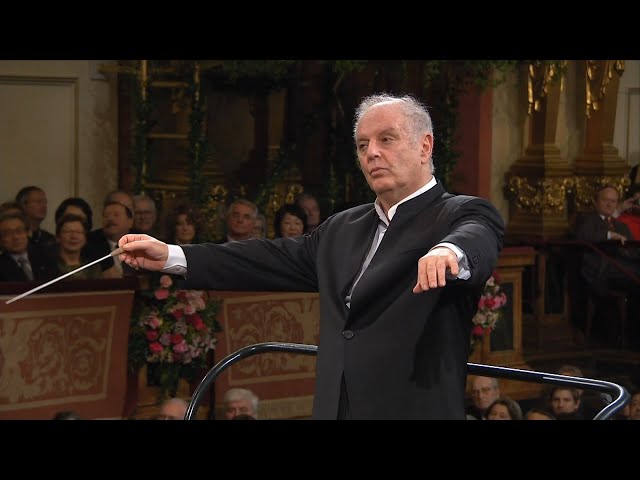
The Blue Danube, a staple encore at the Vienna Philharmonic’s New Year’s Concert, is regarded as a signature work of Johann Strauss II, known as the “Waltz King.” Strauss composed it in 1867 at the request of the Vienna Men’s Choral Association to lift the spirits of his homeland after its defeat in the war with Prussia.
Depicting the beauty of the Danube Canal, the piece is so beloved by the public that it is often called Austria’s second national anthem.
It is a gentle and radiant work, evoking the image of clear blue waters flowing slowly through the city of Vienna under the sunlight.

In the style of BorodinMaurice Ravel

As the title “In the Style of Borodin” suggests, this work is a waltz that imitates the style of the Russian composer Alexander Borodin.
It unfolds in a graceful triple meter in D-flat major and is known as a charming miniature interwoven with distinctive sonorities.
Written by the French composer Maurice Ravel as part of a series of pieces “in the style of” various composers, it premiered in December 1913.
To bring out the beauty of its wide leaps and complex chords, delicate control is required.
It makes an excellent addition to daily practice, offering a repertoire that balances technical skill with lyrical expression.
Je te veuxÉric Satie

A masterpiece by the French composer Erik Satie with a passionately evocative title that means “I want you” in French.
Originally published in 1902 as a chanson to be sung in Parisian cabarets, the piece is now performed on a variety of instruments, most notably as a piano solo.
Its lyrics, which express overflowing feelings for a beloved in a straightforward way, blend exquisitely with the elegant, mellifluous melody, leaving listeners in a dreamy reverie.
Why not give it a listen when you want to bask in a romantic atmosphere or spend a leisurely, graceful moment?
[Classical] Famous Waltzes: Recommended Popular Pieces (11–20)
Wedding Waltzsugiyama kouichi

Koichi Sugiyama, a melody maker Japan is proud of.
Among the pieces he composed for the RPG Dragon Quest V: Hand of the Heavenly Bride, this work has remained especially beloved as an exquisitely graceful waltz.
In the game, it colors the marriage scene—a major life choice—stirring the hearts of many players.
The melody was originally written for the musical Cinderella, which gives it a narrative, romantic resonance that’s deeply appealing.
It’s also very popular as BGM for real weddings and receptions, so why not choose it to celebrate a joyous new beginning?
St-ÉtienneJohann Burgmüller

Famous as a piano method book, “25 Études.” The present piece, No.
14 in the set, is a charming waltz modeled on folk dances from the Austrian region, composed by Johann Burgmüller, a German-born musician who was active in Paris.
Published in Paris around 1851, this collection remains beloved by piano learners worldwide.
Marked by its lively triple meter and ornamental figures, it combines the brilliance of a ballroom with the simplicity of folk song.
It is also a popular staple for recitals and competitions, making it an ideal piece for piano students to solidify their fundamentals while cultivating musical expression.
Joy of LoveFritz Kreisler

“Liebesfreud” (Joy of Love), composed by the celebrated Austrian violinist Fritz Kreisler, is a waltz masterpiece brimming with happiness, just as its title suggests.
Known as the first piece in the collection “Old Viennese Dances,” published around 1905, it is said to have been written during the joyful period right after his marriage to his wife, Harriet.
Its bright and sparkling melody lifts the heart just by listening.
The solo piano arrangement by the Russian composer Sergei Rachmaninoff is also famous and has long been loved in Japan.
It’s a perfect piece not only for those who want to enjoy the interplay between violin and piano, but also as an elegant companion to afternoon tea.
Roses of the TropicsJohann Strauss II

A masterpiece by Johann Strauss II, known as the “Waltz King,” where elegance and pathos coexist.
Reworked from songs in his own operetta The Queen’s Lace Handkerchief, it is a concert waltz first performed in November 1880.
The “southern” in the title symbolizes Italy, with which Austria enjoyed friendly relations at the time, and it is famously said to have been dedicated to King Umberto I of Italy.
From the melancholic timbre of the introduction, the piece gradually gathers heat and unfolds toward a dazzling climax—truly breathtaking.
Give it a listen when you want to forget the everyday and bask in elegance, or when you wish to create an atmosphere of refined grace.