

[Classics] Famous waltzes: recommended popular pieces


Introducing a selection of famous waltzes all at once! From classic staples to lesser-known gems, we’ve picked a wide range.
The true charm of the waltz lies in its 3/4 time, doesn’t it? That distinctive meter creates such a romantic atmosphere.
Whether in major or minor keys, it’s captivating music.
This time, it’s a special feature on waltzes! You might even discover something like, “I didn’t know there was such a great piece!” We’ve selected pieces across various styles, so be sure to read to the end!
- Famous German Folk Songs | That familiar tune in Japan was actually a German folk song?!
- Polka masterpieces. Recommended popular songs.
- [Nostalgic Collection] Classic oldies masterpieces. Recommended popular songs
- [2026] Iconic musical numbers: from the latest releases to timeless classics!
- Cool! Introducing classic masterpieces of Argentine tango
- Also great as café music! Introducing famous tunes to savor the charm of musette
- [Famous Songs of the World] A curated introduction to soul-stirring popular Latin mambo tracks
- Chanson masterpieces. Recommended popular songs.
- [Western Music] The World of Power Ballads: A Collection of Must-Listen Gems to Start With
- [Tango] Famous Tango Songs: Recommended Popular Tracks
- Masterpieces and history of folklore: An introduction to traditional music of the South American Andes
- [2026] A Guide to Country Music: From the Latest Hits to Classic Favorites
- Everything is stylish! Popular music in France
[Classical] Famous Waltzes: Recommended Popular Pieces (21–30)
Ripples of the DanubeIosif Ivanovici

This is a work by Ivanovici, a Romanian composer and conductor.
Listening as the piece moves from a leisurely opening to a light, flowing passage, you can almost picture the Danube gliding past before your eyes—sometimes with ripples dancing in the wind.
Cinderella and the Prince, Op. 102-1Sergei Prokofiev

This is one of the pieces from the piano suite Six Pieces from Cinderella, Op.
102, drawn from the ballet music composed by the Soviet composer Sergei Prokofiev.
Cinderella is based on the fairy tale of the same name, and has been arranged as an orchestral suite, a solo piano suite, and in other versions.
Waltz No. 15, Op. 39-15Johannes Brahms

The 15th piece from the “16 Waltzes, Op.
39,” originally written for piano four hands and later arranged for solo piano.
The work was dedicated to the aesthetician and music critic Eduard Hanslick, who was reportedly surprised that Brahms—an advocate of absolute music—would write waltzes, which were then considered entertainment music.
It is thought that Brahms, impressed by the popular waltzes of Johann Strauss at the time, was inspired by Strauss when composing these pieces.
Rather than an optimistic and merry waltz, this piece reflects Brahms’s temperament in its somewhat solemn and weighty atmosphere.

Waltz “Voices of Spring”Johann Strauss II
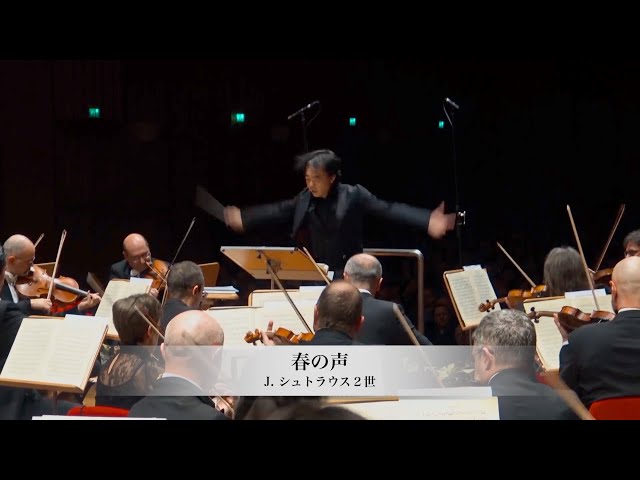
A work by Johann Strauss II, known as the “Waltz King,” and a familiar piece from the Vienna Philharmonic’s New Year’s Concert.
Its flowing waltz melody is radiant, evoking the warmth of spring sunshine.
Carried by the pleasant rhythm of the strings, the flute and violin sing lightly, conjuring images of dancers stepping elegantly and gliding through a waltz.
The piece is captivating for its phrases like the gentle murmur of a peaceful stream and its splendid climax.
The Skaters’ WaltzÉmile Waldteufel

This is a representative work by Émile Waldteufel, a 19th-century French composer who wrote many waltzes and polkas and is known as the “Waltz King of France.” Commonly known as the Skaters’ Waltz, this piece was inspired by an ice rink located in the Bois de Boulogne, a forest park in Paris.
Its graceful melodies glide as if over ice, sleigh bells seem to evoke gently falling snow, and the rhythmic, bright tone suggests people cheerfully skating and chatting.
It’s a piece that makes you want to go skating just by listening to it.
German-style waltzRobert Schumann

At the time Schumann composed this piece, he had feelings for a woman named Ernestine.
He came up with the idea of mapping the place name “Asch” in Bohemia—Ernestine’s birthplace—to musical notes and composing based on that motif.
Carnaval is a puzzle-like work built around this motif.
It consists of 20 pieces, each with its own title, performed in succession.
The sixteenth piece, this one, is an elegant yet dynamic waltz that begins with the “Asch” motif.
In the middle section, Paganini makes an appearance, and, true to the name, the piece demands virtuosic technique.
A noble and sentimental waltzMaurice Ravel

Maurice Ravel composed this piece in 1911.
It was originally written for solo piano, but an orchestral version was made the following year.
Translations such as “Graceful and Sentimental Waltzes” and “Noble and Sentimental Waltzes” are also used.
Ravel himself stated that he composed the work using Schubert’s waltzes as a motif.
When we think of a waltz, we often imagine triple meter with the second and third beats off the bass, but this piece, in keeping with Impressionist music, has a floating quality that blends into the landscape.
It is a waltz that conveys a distinctly French character.