

[Classics] Famous waltzes: recommended popular pieces


Introducing a selection of famous waltzes all at once! From classic staples to lesser-known gems, we’ve picked a wide range.
The true charm of the waltz lies in its 3/4 time, doesn’t it? That distinctive meter creates such a romantic atmosphere.
Whether in major or minor keys, it’s captivating music.
This time, it’s a special feature on waltzes! You might even discover something like, “I didn’t know there was such a great piece!” We’ve selected pieces across various styles, so be sure to read to the end!
- Famous German folk song | That Japanese tune was actually a German folk song?!
- Polka masterpieces. Recommended popular songs.
- [Nostalgic Collection] Classic oldies masterpieces. Recommended popular songs
- [2026] Iconic musical numbers: from the latest releases to timeless classics!
- Cool! Introducing classic masterpieces of Argentine tango
- [Tango] Famous Tango Songs: Recommended Popular Tracks
- Also great as café music! Introducing famous tunes to savor the charm of musette
- [Famous Songs of the World] A curated introduction to soul-stirring popular Latin mambo tracks
- Chanson masterpieces. Recommended popular songs.
- [Western Music] The World of Power Ballads: A Collection of Must-Listen Gems to Start With
- Masterpieces and history of folklore: An introduction to traditional music of the South American Andes
- [2026] A Guide to Country Music: From the Latest Hits to Classic Favorites
- Everything is stylish! Popular music in France
[Classical] Famous Waltzes: Recommended Popular Pieces (41–50)
schoolgirlÉmile Waldteufel

This is a representative work by the 19th-century French composer Émile Waldteufel.
In his twenties, Waldteufel was not particularly well known, but after performing before Edward VII, his name quickly spread throughout Britain, and he also gave a command performance for Queen Victoria.
Thus, in his late thirties he rose to international fame, and it was during this prime period that this piece was written.
Although the Japanese title is “The Schoolgirl,” the original meaning is “The Students’ Band Waltz,” and it does not refer specifically to women.
It is a cheerful, lively waltz that incorporates Spanish folk melodies.

Waltz No. 4 in F major “Kitten Waltz”Frederic Chopin

Also known as the “Kitten Waltz” for its lively character, the Waltz No.
4 in F major, Op.
34 No.
3 conjures up an adorable scene of kittens darting around at play.
It is often chosen for recitals and competitions and is beloved for its strong performance impact.
Like the well-known “Minute Waltz,” Waltz No.
6 in D-flat major, Op.
64 No.
1, its tempo is brisk and the melody whirls by rapidly.
Although it isn’t as famous as the “Minute Waltz,” it is one of Chopin’s representative waltzes and a piano piece well worth knowing alongside it.

Grand WaltzFrederic Chopin

Among the waltzes composed by Chopin, the Polish composer known as the “poet of the piano,” this is one of the most famous.
When Chopin came to Vienna from Warsaw, the waltz was in vogue there.
This piece was written after his visit to Vienna and is among the works most influenced by the Viennese waltz.
It features a characteristically light waltz rhythm and a brilliant melody, making it a very approachable piece.
Emperor WaltzJohann Strauss II

A work by Johann Strauss II, known as the “Waltz King.” It was originally titled “Hand in Hand,” but since both German Emperor Wilhelm II and Austrian Emperor Franz Joseph attended a performance of the piece, it came to be called the “Emperor Waltz.” The piece begins with a march rhythm, but after a cello solo it shifts to a lively waltz melody.
A light, sprightly waltz rhythm and the brilliant timbre of the wind instruments resound.
Beyond the billowing wavesJuventino Rosas
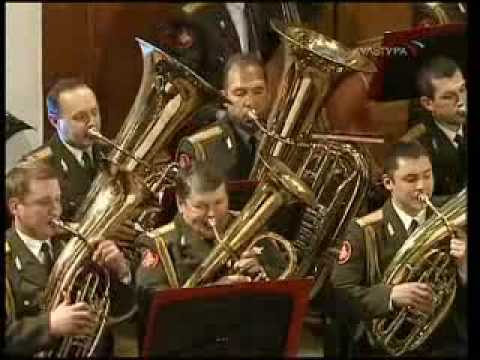
A waltz composed by the Mexican composer Juventino Rosas.
From a young age, Rosas made his living by taking on all kinds of music-related jobs.
He was largely self-taught in composition and led orchestras and brass bands on international concert tours.
This piece is characterized by an elegant and bright tone that calls to mind the clear blue waters of the Gulf of Mexico.
The timbres of the flute and harp seem to depict sunlight reflecting on the water’s surface.
Because of its brightness, the piece is often used as background music in amusement parks and leisure facilities.