

[Classics] Famous waltzes: recommended popular pieces


Introducing a selection of famous waltzes all at once! From classic staples to lesser-known gems, we’ve picked a wide range.
The true charm of the waltz lies in its 3/4 time, doesn’t it? That distinctive meter creates such a romantic atmosphere.
Whether in major or minor keys, it’s captivating music.
This time, it’s a special feature on waltzes! You might even discover something like, “I didn’t know there was such a great piece!” We’ve selected pieces across various styles, so be sure to read to the end!
- Famous German Folk Songs | That familiar tune in Japan was actually a German folk song?!
- Polka masterpieces. Recommended popular songs.
- [Nostalgic Collection] Classic oldies masterpieces. Recommended popular songs
- [2026] Iconic musical numbers: from the latest releases to timeless classics!
- Cool! Introducing classic masterpieces of Argentine tango
- Also great as café music! Introducing famous tunes to savor the charm of musette
- [Famous Songs of the World] A curated introduction to soul-stirring popular Latin mambo tracks
- Chanson masterpieces. Recommended popular songs.
- [Western Music] The World of Power Ballads: A Collection of Must-Listen Gems to Start With
- [Tango] Famous Tango Songs: Recommended Popular Tracks
- Masterpieces and history of folklore: An introduction to traditional music of the South American Andes
- [2026] A Guide to Country Music: From the Latest Hits to Classic Favorites
- Everything is stylish! Popular music in France
[Classical] Famous Waltzes: Recommended Popular Pieces (41–50)
Waltz No. 4 in F major “Kitten Waltz”Frederic Chopin

Also known as the “Kitten Waltz” for its lively character, the Waltz No.
4 in F major, Op.
34 No.
3 conjures up an adorable scene of kittens darting around at play.
It is often chosen for recitals and competitions and is beloved for its strong performance impact.
Like the well-known “Minute Waltz,” Waltz No.
6 in D-flat major, Op.
64 No.
1, its tempo is brisk and the melody whirls by rapidly.
Although it isn’t as famous as the “Minute Waltz,” it is one of Chopin’s representative waltzes and a piano piece well worth knowing alongside it.

Tales of the Vienna WoodsJohann Strauss II

A symbolic work of Viennese music, this piece expresses the patriotism of Johann Strauss II, who was born in Vienna.
The beautiful green belt known as the Vienna Woods has long been a place of relaxation for people from the past to the present, and it is said that Strauss II was moved by its natural beauty to compose this work.
Its most notable feature is the zither solo.
The zither is a folk instrument from the regions spanning southern Germany to Austria, and it is said that Strauss used it to represent the fusion of the capital, Vienna, with its surrounding areas.

Beyond the billowing wavesJuventino Rosas
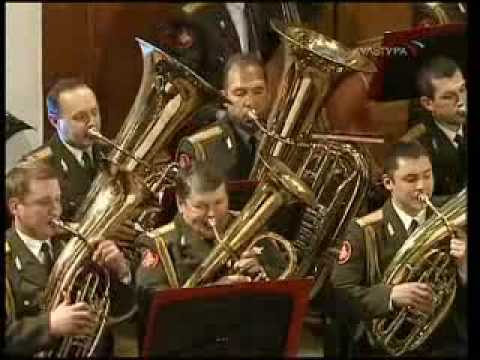
A waltz composed by the Mexican composer Juventino Rosas.
From a young age, Rosas made his living by taking on all kinds of music-related jobs.
He was largely self-taught in composition and led orchestras and brass bands on international concert tours.
This piece is characterized by an elegant and bright tone that calls to mind the clear blue waters of the Gulf of Mexico.
The timbres of the flute and harp seem to depict sunlight reflecting on the water’s surface.
Because of its brightness, the piece is often used as background music in amusement parks and leisure facilities.
Waltz No. 6 in D-flat major, Op. 64 No. 1 “Minute Waltz”Frederic Chopin

A representative work by Chopin, commonly known as the “Minute Waltz.” The piece was dedicated to Countess Delfina Potocka, a friend of Chopin.
It is said to have been improvised to depict a puppy owned by his lover, George Sand, spinning in circles as it chased its tail.
The elegant atmosphere and the lively, playful feeling of a puppy are beautifully balanced.
With its consistently bright and light tone, it evokes a vivid image of a frolicking little dog right before your eyes.
Mephisto Waltz No. 1: “Dance at the Village Inn”Franz Liszt

One of the difficult pieces lavishly packed with Liszt-like virtuosic techniques.
Mephisto plays a waltz on the violin, and people begin to dance.
Eventually, Mephisto finds a girl named Margarete and slips away with her into the forest.
The piece vividly depicts such scenes, with a nightingale singing in the night sky.
Rather than an elegant waltz, it brims with overwhelming energy—more a frenzy of ecstatic revelry—offering a piece where one can fully savor magnificent piano virtuosity.
Waltz No. 6 in D-flat major, Op. 64 No. 1 “Minute Waltz”Frederic Chopin

Familiar under the title “Minute Waltz,” Chopin’s Waltz No.
6 in D-flat major, Op.
64, No.
1 is said to have been improvised to depict the scene of the composer Frédéric François Chopin’s lover George Sand’s dog spinning in circles while chasing its own tail.
With its charming character and brisk tempo, it is a piece that many piano students aspire to master at least once.
The middle section features a beautiful melody, but overall the music is driven by a whirlwind of rapid, exhilarating lines.
In conclusion
Timeless waltz masterpieces, with their graceful triple-time rhythm, continue to be cherished across generations. From iconic classical waltzes to beloved pieces featured in moving anime and television dramas, the rich world of the waltz is filled with boundless charm. Why not find your favorite waltz and add a touch of elegance to your daily life? Through music, you’re sure to encounter new moments of inspiration. May you continue to enjoy a richly fulfilling time accompanied by the strains of the waltz.