

Make weather forecasts more fun! Trivia and fun facts about the weather

Weather is crucial information that directly affects laundry, work, school events, and outings on your days off.
Many of you probably check the weather forecast on TV or online every day.
So, how much do you really know about the weather?
In this article, we’ll share trivia and fun facts about the weather that will make checking the forecast even more enjoyable.
We’ve gathered tidbits about the hidden meanings behind common forecast terms and surprising facts about the weather—things that will make looking at the sky and sensing the changing seasons more fun.
Just like you check the weather forecast, be sure to check this out too!
- Rainy season trivia roundup: fun facts you'll want to share with someone
- [Trivia] Did You Know? A Collection of Weather Proverb Quizzes!
- [For Seniors] Trivia Quiz & Fun Facts About the Weather
- Trivia quiz with useful tips to know: fun facts that come in handy at school or at home [for kids]
- So interesting you’ll want to tell someone! December Trivia & Fun Facts Special
- Useful right away in daily life! Surprising trivia and handy tips
- Trivia you think you know but surprisingly don’t? August trivia and fun facts quiz!
- Collection of trivia and fun facts about stars shining in the night sky
- Didn't want to know?! Fascinating and scary trivia & fun facts
- Think you know it, but maybe you don’t? Fun trivia quiz about the Sun!
- Fun October Trivia Quiz & Facts! Exciting Questions for Kids
- [For Kids] January Trivia Quiz & Fun Facts: Learn About the New Year in a Fun Way
- [For Kids] December Trivia Quiz & Fun Facts! Learn about seasonal events and traditions!
Make weather forecasts more fun! Trivia and fun facts about weather (1–10)
In “near normal,” the term “normal” refers to the average value over the past 30 years.

On the news weather forecast, you often hear phrases like “around the normal” or “higher/lower than normal,” right? Do you know what this “normal” refers to? It actually means the average over the past 30 years.
This average is calculated from meteorological data spanning from the year whose last digit is 1 to the year, 30 years later, whose last digit is 0.
It is updated every 10 years.
For example, the averages used from 2011 to 2020 are based on data from 1981 to 2010.
The averages used from 2021 to 2030 are based on data from 1991 to 2020.

There are as many as 96 types in the international weather classification.
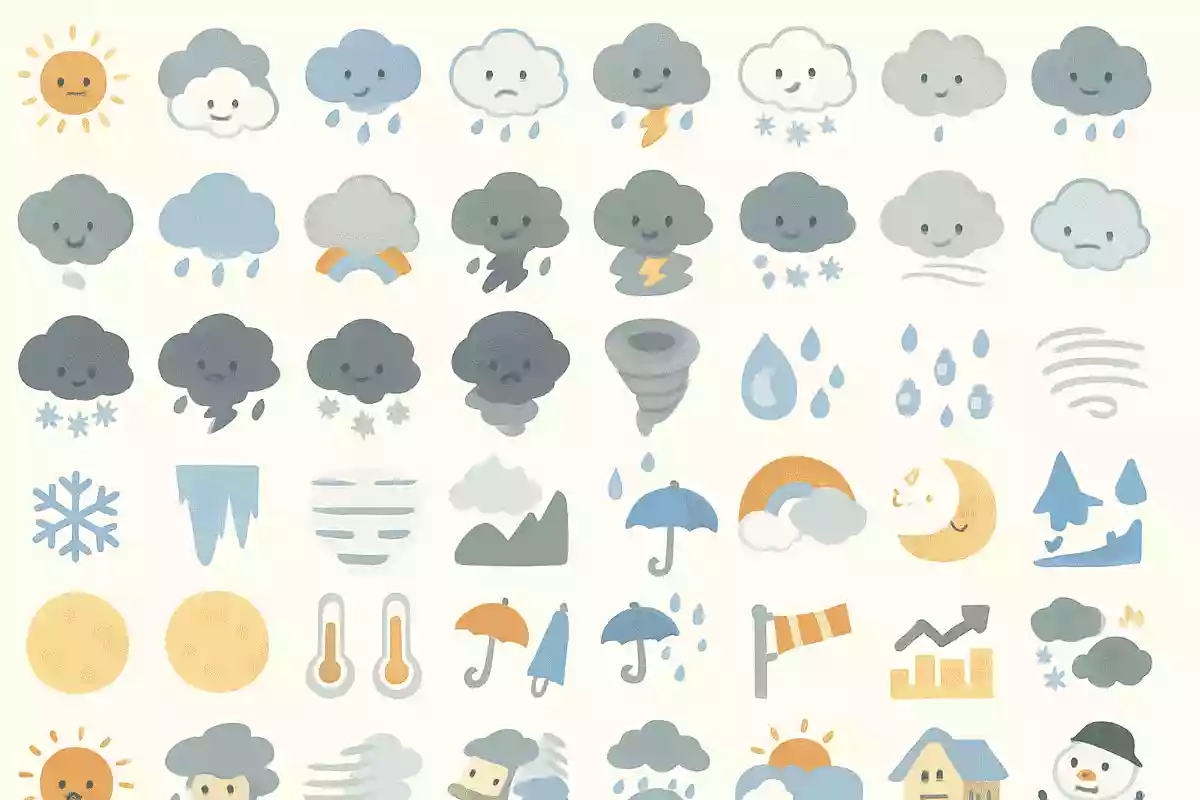
How many types of weather do you think there are? The ones that come to mind are sunny, cloudy, rain, snow, and thunder… right? But internationally, there are said to be as many as 96 defined types of weather.
In Japan, by the way, they’re classified into 15 types, including things like sleet, ground blizzard, and graupel.
Even 15 feels like a lot, and probably only a few people remember them all.
When you travel abroad and check the weather forecast, try looking for any unusual weather terms!

There is scientific evidence for the saying ‘When a cat washes its face, it will rain.’

It’s a well-known saying that when a cat washes its face, it’s going to rain.
But many people may not know whether there’s any basis for it.
This saying, which might sound like a superstition, actually has a scientific basis.
Before it rains, humidity rises, and the fleas on a cat’s body become more active.
Also, the cat’s whiskers—sensors that can detect various things—lose some of their stiffness.
To relieve facial itchiness and maintain the function of these sensors, cats perform grooming by washing their faces with their forepaws.
Make weather forecasts more fun! Weather trivia & fun facts (11–20)
The typhoon’s winds are stronger on the right side relative to its direction of movement.
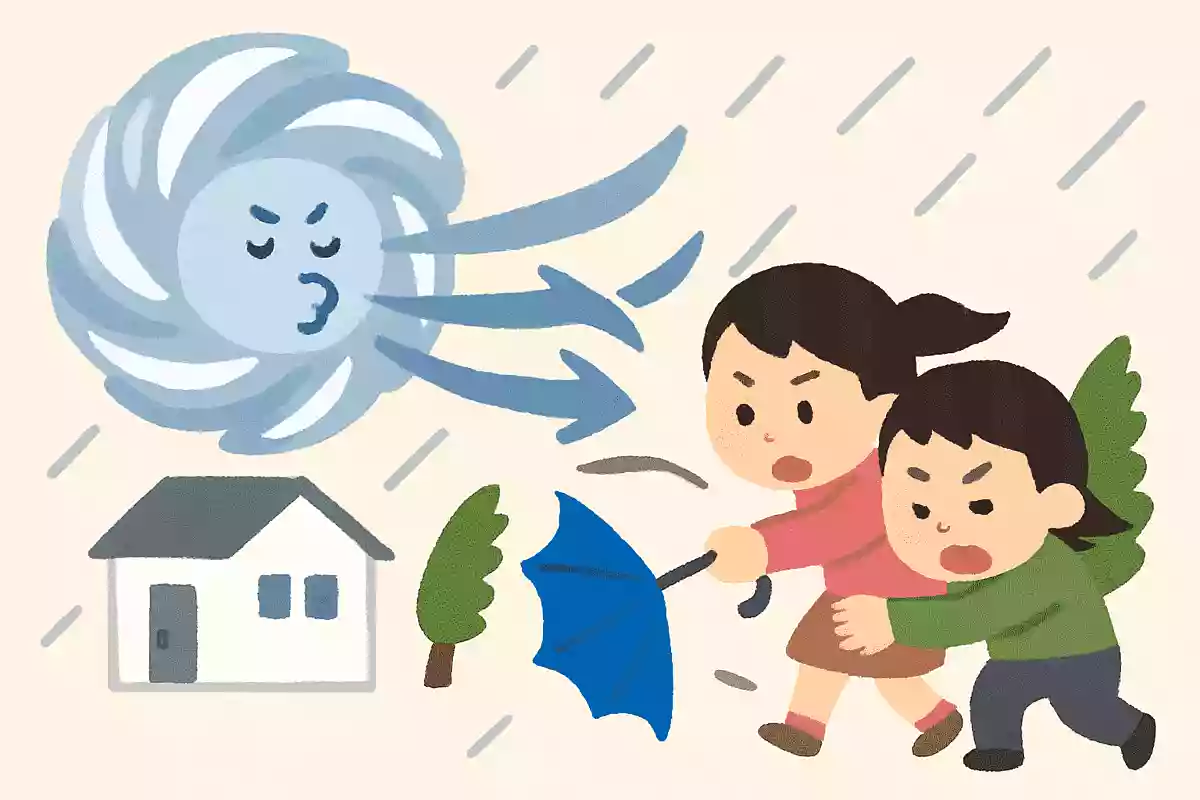
A typhoon brings winds so strong you can’t even stand and pounding, driving rain.
When a typhoon forms, many people likely pay close attention to the weather forecast.
The strength of the wind in a typhoon varies depending on direction.
A typhoon involves two types of wind: winds spiraling counterclockwise toward the center, and the steering flow that moves the typhoon itself.
On the right-hand side of the typhoon’s path, where both the inward-spiraling wind and the steering wind blow in the same direction, the wind becomes stronger.
On the opposite side, the inflow and the steering wind collide and partially cancel each other out, so the wind weakens.
There is weather in space too.
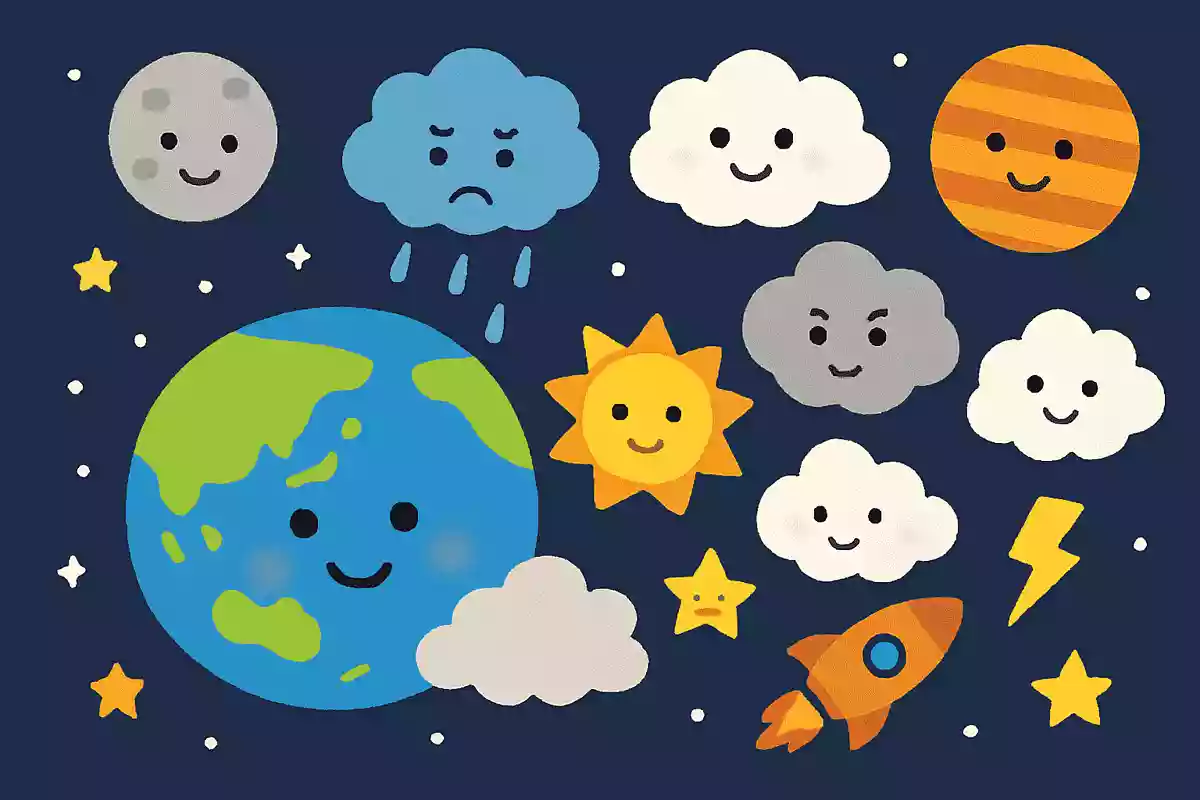
A convenient weather forecast lets you check things like chance of precipitation, wind strength, and temperature.
But did you know there’s weather in space, too? It’s curious, because space has no clouds to bring rain and no low-pressure systems to cause storms.
“Space weather” refers mainly to the effects caused by the solar wind and solar flares.
For example, the solar wind can trigger geomagnetic storms, and solar flares affect Earth’s ionosphere.
In the United States, there have even been cases where solar flares led to large-scale power outages.
Okinawa has few extremely hot days.
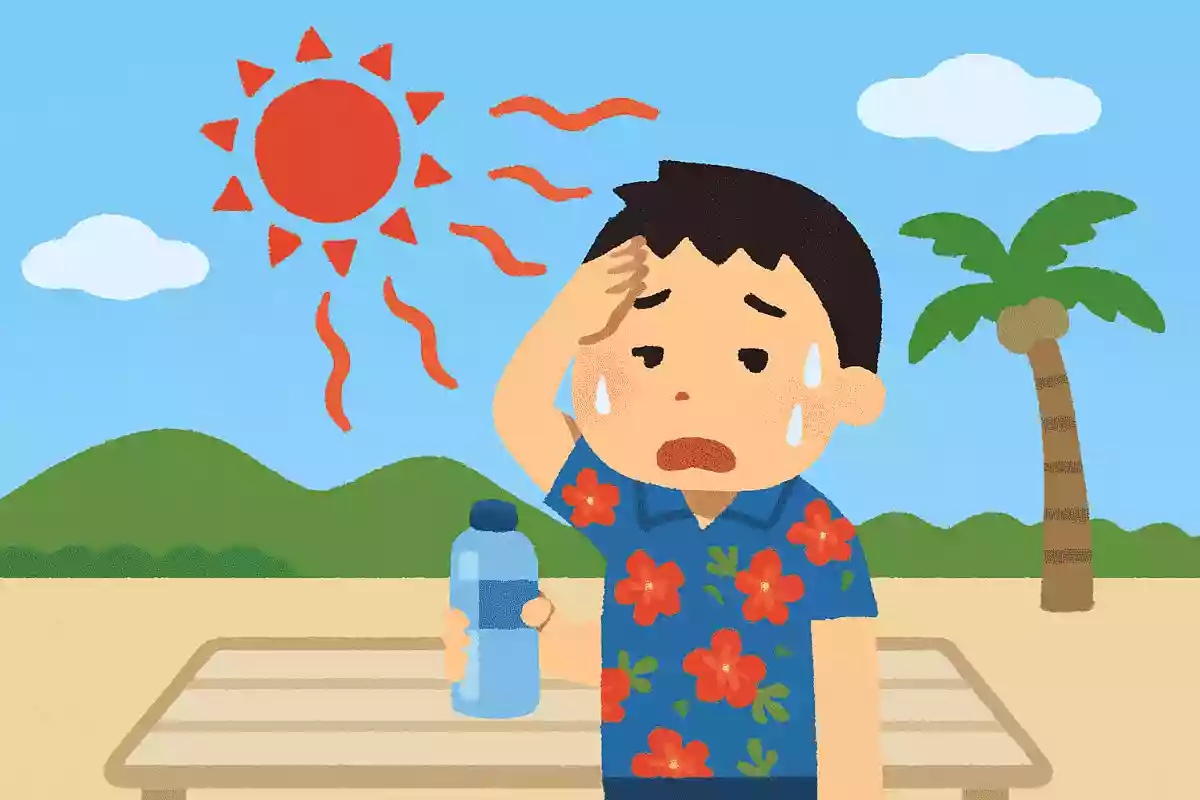
Speaking of Okinawa, it’s a popular destination during the summer tourist season, isn’t it? Many people enjoy diving and snorkeling there.
Maybe because of that, you might have a vague image of it as an extremely hot place.
But in fact, Okinawa hardly ever has what are called “extremely hot days.” Generally, an extremely hot day is when the temperature reaches 35°C or higher, and the annual average number of such days in Okinawa is just 0.2! The reason is said to be that Okinawa is surrounded by the sea.
That might be one reason why Okinawa is so popular in summer.
It is possible to make it rain artificially from clouds.
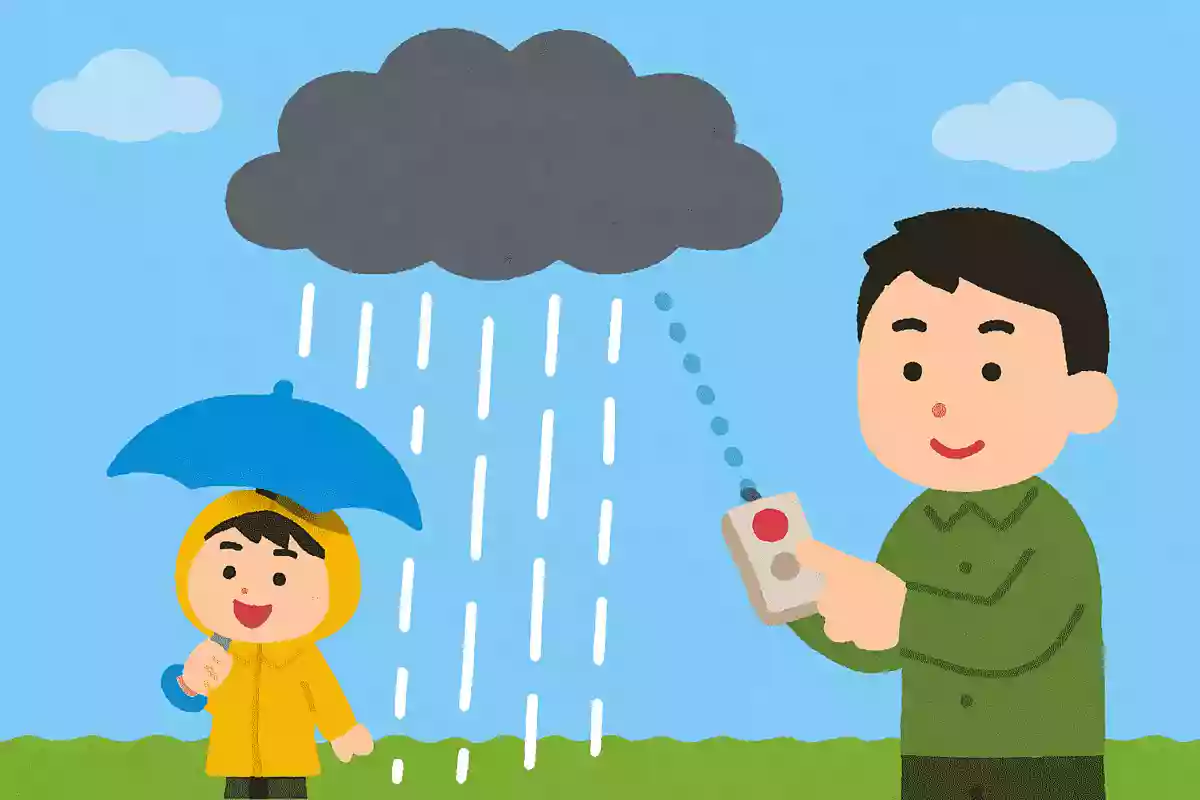
Weather forecasts aren’t absolute, and sometimes they’re wrong and you end up getting caught in the rain, right? Have you ever wished it would just be set—rain if it’s rain, sun if it’s sun? In fact, it is possible to make it rain artificially from clouds.
The method is called cloud seeding, in which seeds are sown into clouds using airplanes or missiles.
Dry ice, silver iodide, and liquid carbon dioxide are used as the “seeds.” They say that without clouds it won’t rain, but it is possible to turn overcast skies into rain.