

Make weather forecasts more fun! Trivia and fun facts about the weather

Weather is crucial information that directly affects laundry, work, school events, and outings on your days off.
Many of you probably check the weather forecast on TV or online every day.
So, how much do you really know about the weather?
In this article, we’ll share trivia and fun facts about the weather that will make checking the forecast even more enjoyable.
We’ve gathered tidbits about the hidden meanings behind common forecast terms and surprising facts about the weather—things that will make looking at the sky and sensing the changing seasons more fun.
Just like you check the weather forecast, be sure to check this out too!
- Rainy season trivia roundup: fun facts you'll want to share with someone
- [Trivia] Did You Know? A Collection of Weather Proverb Quizzes!
- [For Seniors] Trivia Quiz & Fun Facts About the Weather
- Trivia quiz with useful tips to know: fun facts that come in handy at school or at home [for kids]
- So interesting you’ll want to tell someone! December Trivia & Fun Facts Special
- Useful right away in daily life! Surprising trivia and handy tips
- Trivia you think you know but surprisingly don’t? August trivia and fun facts quiz!
- Collection of trivia and fun facts about stars shining in the night sky
- Didn't want to know?! Fascinating and scary trivia & fun facts
- Think you know it, but maybe you don’t? Fun trivia quiz about the Sun!
- Fun October Trivia Quiz & Facts! Exciting Questions for Kids
- [For Kids] January Trivia Quiz & Fun Facts: Learn About the New Year in a Fun Way
- [For Kids] December Trivia Quiz & Fun Facts! Learn about seasonal events and traditions!
Make weather forecasts more fun! Weather trivia & fun facts (11–20)
The origin of the term “General Winter” involves Napoleon.
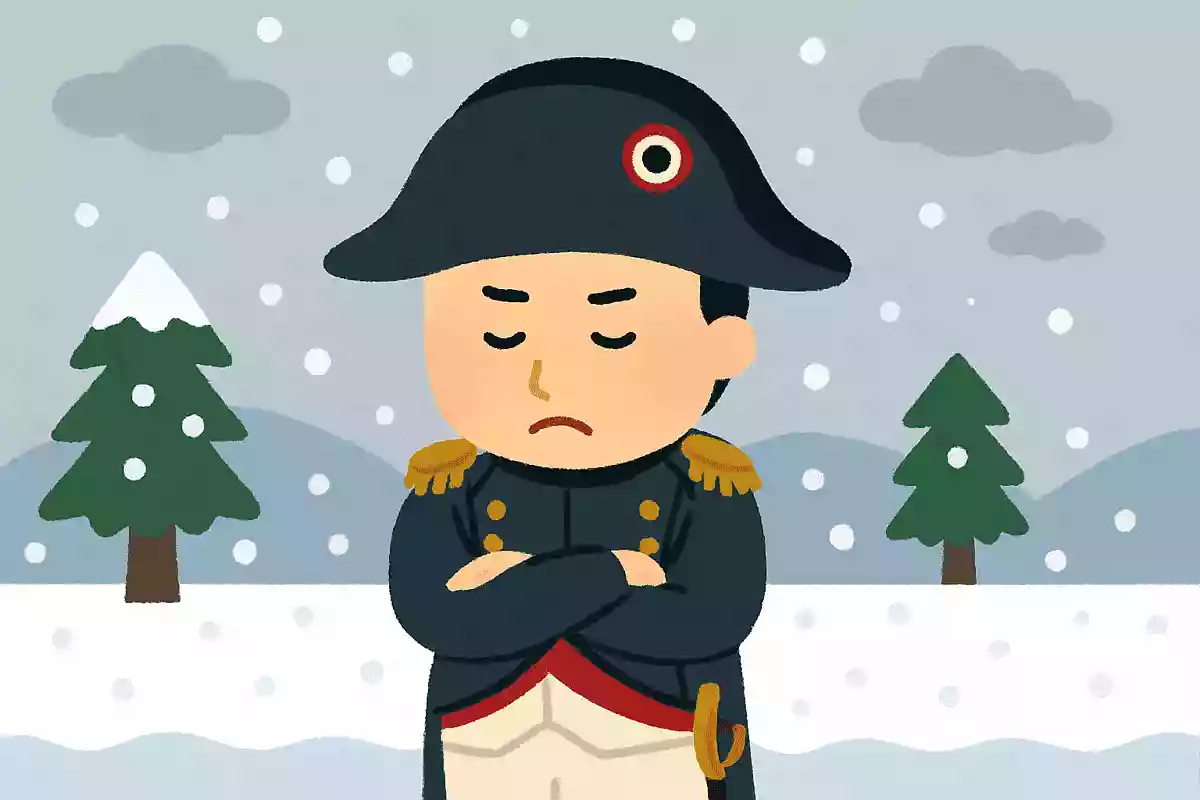
When it starts getting cold, you often hear the term “General Winter” on the weather forecast, don’t you? In Japan, “General Winter” refers to the Siberian cold air mass that arrives in winter.
The arrival of General Winter means that extremely severe cold is on its way.
So why do we call harsh cold “General Winter”? Its origin is connected to Napoleon.
In 1812, Napoleon invaded Russia, but he was defeated by Russia’s severe winter cold and snow.
This was depicted under the title “GENERAL FROST Shaveing Little BONEY,” meaning “General Winter who defeated Napoleon.”

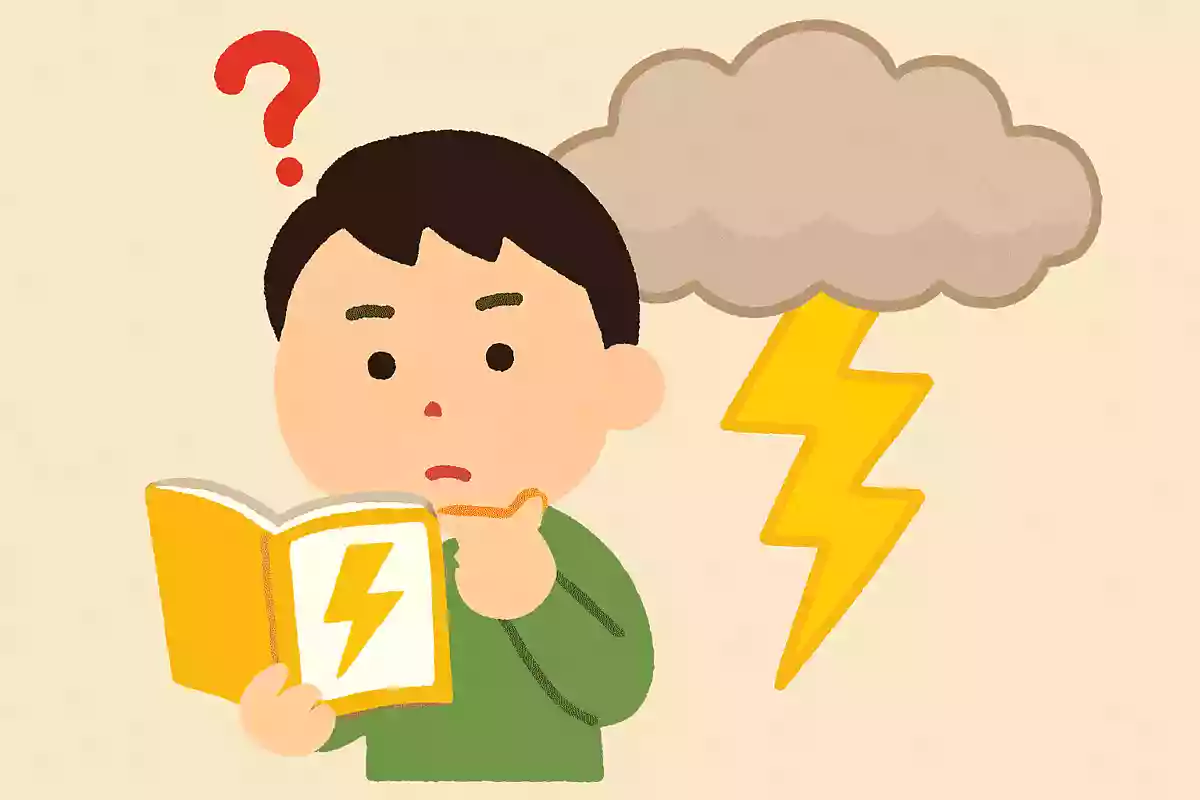
What exactly is lightning?
- light
- oxygen
- electricity
See the answer
electricity
Lightning is a phenomenon in which a large amount of electricity is generated in places like inside clouds and then suddenly flows through the air. In the process, flashes of lightning and thunder occur. Speaking of familiar electricity, in everyday life there’s static electricity, which often happens during the dry winter season. Thinking that the electricity we know well could gather in great amounts and turn into lightning… it feels a little scary, doesn’t it?
Samidare refers to the rain that falls during the rainy season (tsuyu).
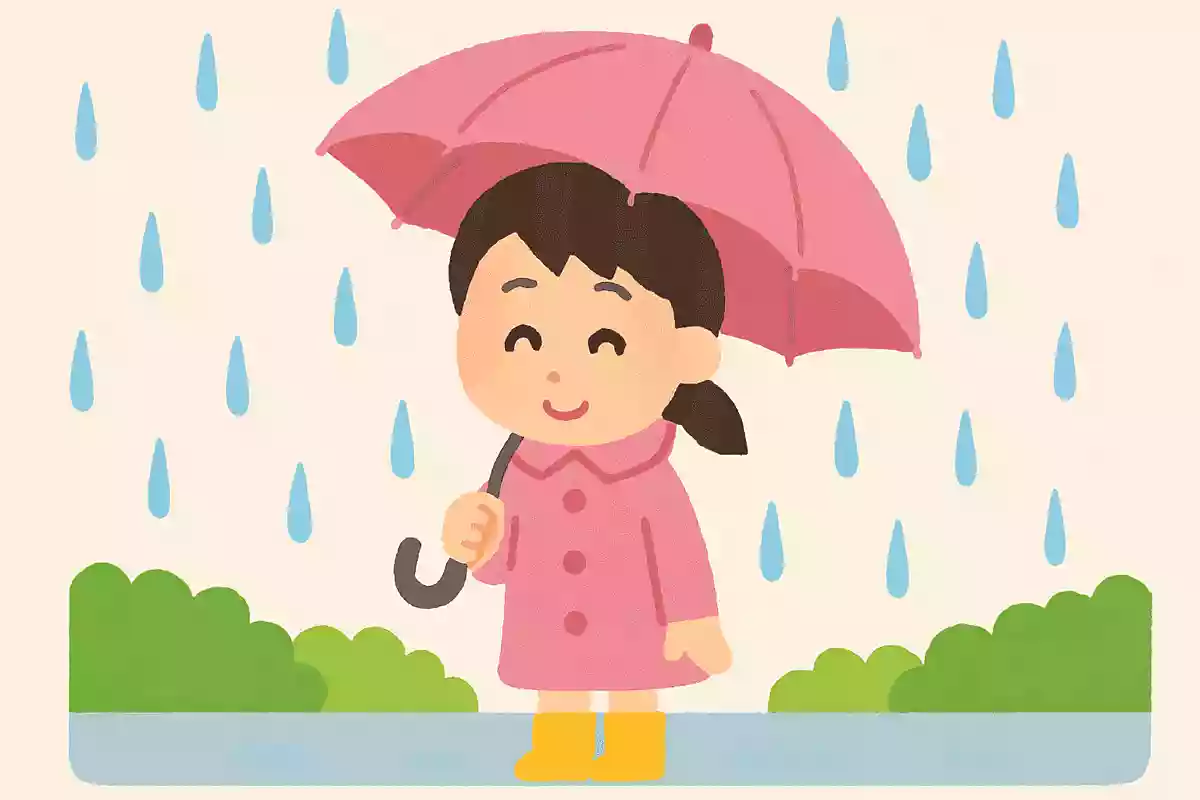
“Satsuki” refers to the fifth month in the old lunar calendar, which corresponds to around June to July in the modern calendar.
That’s why “samidare” means the long, continuous rains of the rainy season.
The reason the rain persists is that the seasonal rain front stalls.
Prolonged rain can cause various problems—rising river levels, sticky humidity, and event cancellations—but it’s also said that the sound of rain has a relaxing effect.
During the rainy season, why not stay indoors, listen to the rainfall, and spend some time at a slow, comfortable pace?
The smell of rain is called “petrichor.”

You know how there’s a distinctive smell when it rains? I’m sure you’ve all noticed it at least once.
Did you know that smell actually has an official name? It’s called “petrichor.” The word is a neologism combining the Greek “petra,” meaning stone, and “ichor,” meaning the blood of the gods.
In English, it’s written as “petrichor.” The term was coined by mineralogists Isabel Joy Bear and R.
G.
Thomas when they published a paper in Nature.
In conclusion
We’ve shared some trivia and fun facts about the weather—what did you think? There were all sorts of stories you’ll want to tell your family and friends, from interesting tidbits to useful tips. Let this article be your starting point to take a deeper interest in the weather and make it even more helpful in your everyday life.