

Perfect for free selections and concert programs! Introducing famous and classic favorites in wind ensemble music.


Members of school wind bands often get frequent chances to perform in public—at competitions (free-choice pieces), regular concerts, baseball game rallies, and even sports days! And every time, choosing the repertoire is the big headache.
Besides classic wind band standards and trending Japanese pop arrangements, if it’s a free-choice piece for a competition, you also want something that shows off your ensemble’s strengths—so when you think through everything, it can be hard to land on “this is it.” In this article, we’ll introduce a wealth of recommended wind band pieces that will surely help if you’re feeling stuck.
We’ve picked out a wide range—from dazzling numbers across various genres to stylish and cool pieces—so please find works that make you think, “We want to perform this!”
- Recommended pieces for a wind band contest
- A Collection of Pop Hits for Wind Band: From Classics to Popular Medleys
- A classic brass band medley
- [History] A roundup of popular set pieces from the All-Japan Band Competition
- [Brass/Wind Band] Recommended for Beginners! A Collection of Classics and Popular Pieces Perfect for Practice
- [March] A curated selection of classic marches and dazzling crowd-pleasers for concerts!
- [Wind Band] Guaranteed to hype up the school festival! Recommended pieces the brass band will want to play
- [Uplifting Songs] A curated selection of popular and latest tracks to energize your school cultural festivals!
- A collection of video game music I want to perform in a wind ensemble
- Wind Ensemble: Brass Band Pieces Popular with Girls. Masterpieces of Wind Music Recommended for Women.
- Songs with cool trumpet. Introducing famous pieces from wind ensemble and jazz.
- [Wind Ensemble] Wind band pieces that men like. Masterpieces of wind band music recommended for men.
- [Wind Ensemble] Recommended Western pop songs for concerts: timeless classics from every era
For free selections and concert programming! Introducing famous and classic favorites of wind ensemble music (151–160)
The Washington PostJohn Philip Sousa

Because this piece is frequently used on TV and at events, many of you may have heard it before.
It’s a historic masterpiece by John Philip Sousa—the composer of “The Stars and Stripes Forever”—and it’s often performed not only at school band concerts but also by the music corps of the Self-Defense Forces and fire brigades.
The true charm of a march, above all, lies in the impeccably precise beat of the snare drum.
When you hear a rhythm that makes motivation well up from within, it makes you feel ready to do your best for the day!

Deep Purple MedleyHenchoku: Sahashi Toshihiko

This piece, cherished as a classic of wind band repertoire, is a medley that brilliantly fuses three signature songs by the British rock band Deep Purple: Burn, Highway Star, and Smoke on the Water.
Toshihiko Sahashi skillfully renders electric guitar riffs and drum beats through wind and percussion instruments, reconstructing the original rock allure with the rich sonorities unique to wind ensemble.
Released in 1996 as part of the New Sounds in Brass series for concert band, it has been frequently performed at wind band concerts and school recitals.
It has received high acclaim, including a Special Jury Prize awarded to a performing ensemble at the 6th National Popular Stage Wind Band Competition.
I Got RhythmJōji Gāshuwin

The classic masterpiece “I Got Rhythm,” composed by George Gershwin and released in 1930.
Known as a jazz standard, it has been performed by numerous big bands.
It’s a familiar tune that continues to be used over the years in commercials and more.
Someday My Prince Will ComeFrank Churchill

With its deeply evocative melody that lingers in the heart, “Someday My Prince Will Come” is a piece that invites a careful, nuanced weaving of sound.
Expressing Snow White’s pure feelings of love, it offers a perfect opportunity in wind band settings for performers to richly convey their musical sensitivity.
Its versatility—enjoyable in a variety of arrangements from beginner to advanced—has kept it beloved by a wide range of listeners, from students to the general public.
Especially in the solo passages, there are many moments where a performer’s technique can truly shine, leaving a profound impression on the audience.
Romantic to its core, this piece is an ideal choice to crown a concert finale and can rightly be called a timeless staple of the wind band repertoire.
In the MoodGlenn Miller
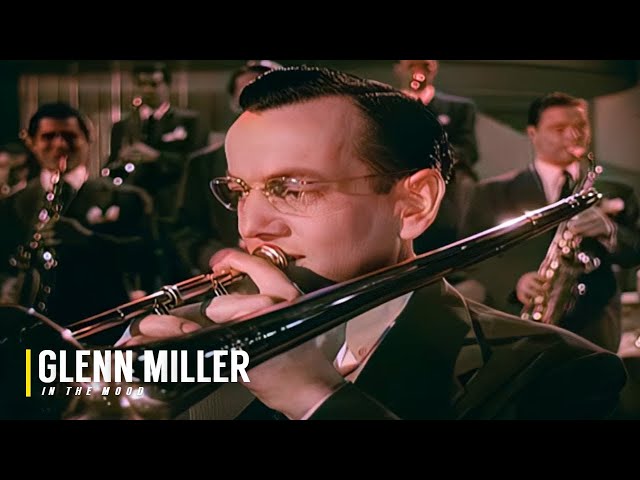
The bright piece with a saxophone melody that lingers in the ear is a smash hit released by Glenn Miller in September 1939.
The dynamic interplay between saxophones and trumpets creates a vibrant sound that conveys the excitement and joy of the dance floor, fully showcasing the appeal of swing jazz.
The work was also featured in the 2004 film Swing Girls, contributing to memorable scenes that colored the high schoolers’ coming-of-age story.
It remains a classic, widely performed by many bands as a standard number in the wind ensemble world.