

A selection of Takuro Yoshida’s moving masterpieces: timeless monuments of folk music that will never fade.

Takuro Yoshida has long been a driving force in Japan’s folk scene.
Even after stepping back from his career as an active artist in 2022, his songs continue to live on in the hearts of many.
In February 2026, there was delightful news: “Takuro Yoshida’s All Night Nippon Premium” was broadcast, and a concert—the first in seven years since 2019—was announced! What is the charm of Takuro’s sound that transcends generations? Through numerous masterpieces he created—such as “Let’s Get Married,” “Tabi no Yado,” and “Don’t Talk About Life”—we look back on the legacy he carved into the history of Japanese pop music.
- Takuro Yoshida Popular Song Rankings [2026]
- Carefully selected easy-to-sing songs by Takuro Yoshida! Enjoy classic folk song masterpieces
- [Touching the Heart] Timeless Ballad Masterpieces. A Collection of Unfading Classics and the Latest Songs [2026]
- Timeless classics only! Showa-era hit songs perfect for acoustic sing-alongs
- Kazuya Yoshii’s Most Popular Songs Ranking [2026]
- A roundup of debut songs by Japanese female artists from the 1970s
- A classic Japanese folk song passed down through generations of acoustic performances
- [Japanese Music] A Collection of Heart-Touching Hit Folk Songs from the 1970s
- A Collection of Heartfelt Guitar Love Songs [Great for Solo Acoustic Performances Too]
- [Showa Era] A roundup of nostalgic folk song classics and popular tracks you’ll want to sing at karaoke
- The fiery soul and the roots of folk felt in Tsuyoshi Nagabuchi’s classic song
- Inoue Yosui’s classic and popular songs
- Kazuyoshi Saito’s masterpieces and popular songs
A selection of Takuro Yoshida’s soul-stirring masterpieces: an eternal, unfading monument of folk music (21–30)
I’m fine.yoshida takurou

A bright yet bittersweet classic, “Genki Desu.” Just from the title, you can sense things like “a lot has happened,” “but I’m saying I’m okay,” and “I’m putting on a brave face.” As a song, the melody line is very simple and easy to follow, and it’s recommended for those who want to enjoy a full-length track rather than a short one.
The vocal range is steady overall, but the chorus goes slightly higher, so be careful not to strain.
If you clearly imagine the high notes beforehand and send your voice straight toward them, you’ll sing more smoothly.
Avoid suddenly pushing for the high notes, as that can put strain on your throat.

Woo Babyyoshida takurou

One of Takuro’s early signature songs, it straightforwardly sings of his love for his wife, expressing his own feelings while also acknowledging contemporary critiques of singing love songs.
The overall rock vibe is great, too! It’s not a mellow tune, so it’s highly recommended for those who want a change of pace or to have fun at karaoke.
Rather than belting it out, easing up and singing coolly will likely make it really stylish.
Also, since it has a bouncy rhythm, try lightly moving your body as you sing! Enjoy that urban feel while you perform!
My Pathyoshida takurou

The straight, powerful classic “Boku no Michi” (“My Path”).
As the title suggests, it’s filled with the resolve to “live your own way,” “not be swayed by others,” and “keep moving forward,” expressing a distinctly masculine outlook on life.
It’s also recommended for when you want to switch your mindset or when you’re feeling down—the key is believing in your own path.
The vocal range isn’t high, so many people should find it easy to sing.
And since it’s a bit long at around six minutes, don’t go all-out from the start—pace yourself to keep balance to the end.
If you project your voice at the key moments, you’ll add contrast and keep the song engaging without letting listeners lose interest.
The morning sun is Sanyoshida takurou

It’s a bright, hopeful classic with repeated, rhyming phrases, making it very easy to remember even for beginners to Takuro! It carries the meaning of “let’s start walking again,” like the start of a new day.
The song doesn’t reach extreme high notes, so anyone should be able to sing it lightly.
I think it sounds great when you enunciate the lyrics clearly and sing with high energy.
If you can do a solo performance, strumming the guitar with a lively, bigger sound will help your voice project more and make it feel really good to sing!
Even if I hold you this muchyoshida takurou

It’s a song that sings about the bitterness of adult love—feelings like “being by someone’s side yet not feeling fulfilled,” “holding them yet not reaching them,” and “unrequited emotions.” The overall tone isn’t dark because it includes a chorus, so I think it’s a song you can sing with a bright feeling even though it’s bittersweet.
Since it ends with a fade-out, deciding in advance how far into the lyrics you’ll sing should help it conclude cleanly without feeling awkward.
For a Takuro Yoshida song, the vocal range might be a bit on the higher side.
If you lift your facial muscles properly while singing, it should help prevent your voice from getting tight and make it easier to sing.
sparkler (Japanese handheld firework)yoshida takurou
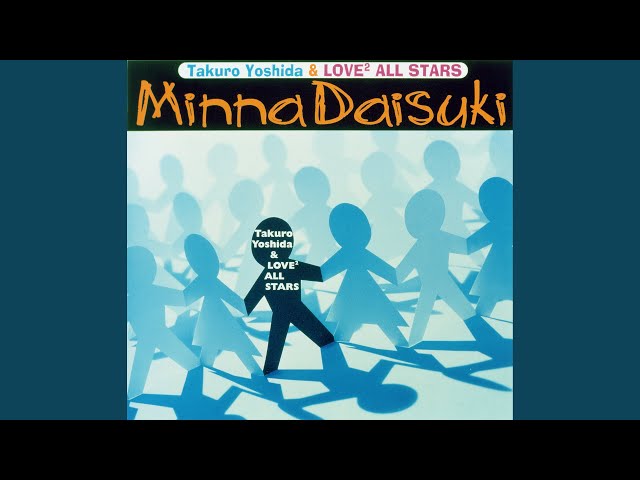
At just 2 minutes and 10 seconds, it’s quite a short song, and I think it’s an easy one for anyone who admires folk music to try! As the title suggests—“beautiful but fleeting,” “knowing it will disappear,” “yet wanting to keep looking”—it’s an adult folk song that overlays those symbols onto love and life.
The lyrics are very short, but that brevity is packed with meaning and makes you think, and the very last line really pierces the heart.
The vocal range isn’t too high, so it’s perfect for a spoken, storytelling style; I think it’s best to sing the lyrics carefully with feeling.
Especially the last phrase—it can be fun to experiment with how you want to deliver it in your own way!
Why am I so sad?yoshida takurou

Its hallmark is universal lyrics that the folk generation of the 1970s could easily relate to their own circumstances.
There’s an episode in which someone rushed to a friend whose company had gone bankrupt and sang this song in front of them; the feeling of “still wanting human connection” amid life’s setbacks and loneliness resonated with many.
It’s truly a quintessential folk song! The melody is very simple and easy to remember, making it great for everyone from karaoke beginners to those who want to sing in earnest.
When singing, deliver the A verse more like spoken word without pushing your voice too much—especially in the first verse, where it takes a while to reach the chorus and the talk-like elements may feel long, but if you sing the following chorus solidly to bring the energy up, you can capture the mood of the song nicely.
Try to sing with care for the lyrics!