

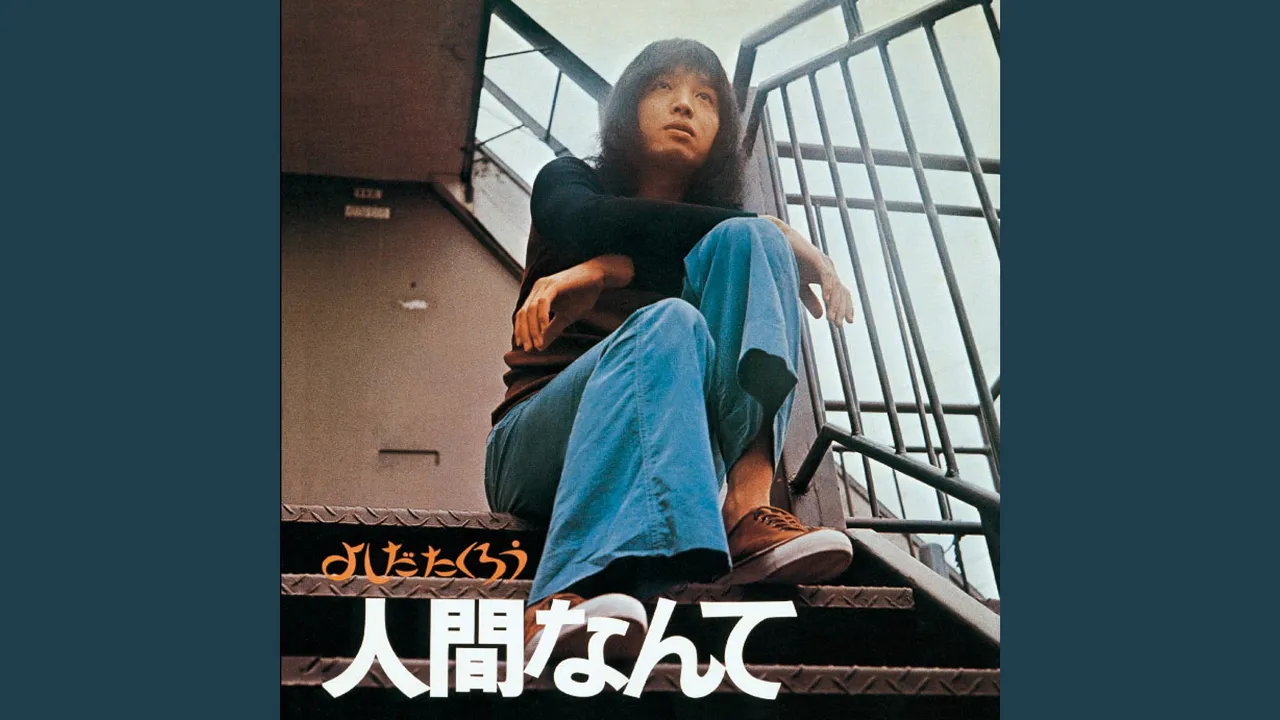

Takuro Yoshida has long been a driving force in Japan’s folk scene.
Even after stepping back from his career as an active artist in 2022, his songs continue to live on in the hearts of many.
In February 2026, there was delightful news: “Takuro Yoshida’s All Night Nippon Premium” was broadcast, and a concert—the first in seven years since 2019—was announced! What is the charm of Takuro’s sound that transcends generations? Through numerous masterpieces he created—such as “Let’s Get Married,” “Tabi no Yado,” and “Don’t Talk About Life”—we look back on the legacy he carved into the history of Japanese pop music.
- Takuro Yoshida Popular Song Rankings [2026]
- Carefully selected easy-to-sing songs by Takuro Yoshida! Enjoy classic folk song masterpieces
- [Touching the Heart] Timeless Ballad Masterpieces. A Collection of Unfading Classics and the Latest Songs [2026]
- Timeless classics only! Showa-era hit songs perfect for acoustic sing-alongs
- Kazuya Yoshii’s Most Popular Songs Ranking [2026]
- A roundup of debut songs by Japanese female artists from the 1970s
- A classic Japanese folk song passed down through generations of acoustic performances
- [Japanese Music] A Collection of Heart-Touching Hit Folk Songs from the 1970s
- A Collection of Heartfelt Guitar Love Songs [Great for Solo Acoustic Performances Too]
- [Showa Era] A roundup of nostalgic folk song classics and popular tracks you’ll want to sing at karaoke
- The fiery soul and the roots of folk felt in Tsuyoshi Nagabuchi’s classic song
- Inoue Yosui’s classic and popular songs
- Kazuyoshi Saito’s masterpieces and popular songs
A selection of Takuro Yoshida’s moving masterpieces: a timeless monument of folk music (1–10)
biting my lipyoshida takurou

Released as a single in 1982, this song was written specifically as the theme for the film Detective Story, starring Tetsuya Takeda.
Its lyrics, written entirely in the Hiroshima dialect, mirror the protagonist—awkward yet striving earnestly—and stir the listener’s heart.
The emotions expressed in unadorned words carry a unique warmth and melancholy that standard Japanese can’t quite capture.
The vocals, which swallow frustration and love while gazing straight ahead with quiet strength, are quintessentially Takuro Yoshida.
It’s a deeply moving masterpiece you’ll want to listen to when you stand at a crossroads in life or are grappling with feelings too complex to put into words.
Why do I feel so sad?yoshida takurou

Have you ever felt a sudden wave of loneliness while walking alone through the city late at night? This song, included on the album “Ningen Nante,” released in November 1971, is one that gently stays by your side in such wistful moments.
It’s said that Takuro Yoshida wrote it in one go after returning home from Shinjuku and listening to James Brown, riding that emotional momentum.
The band sound featuring Kazuhiko Kato and others sinks deeply into a lonely heart.
In 2017, it was used as the ending theme for TV Tokyo’s drama “Pense,” bringing it renewed attention.
Try listening to it quietly at night, sipping a drink by yourself.
This timeless work will gently soothe your tired soul.
setting sunyoshida takurou

A towering monument in Japanese folk rock, this classic by Takuro Yoshida is etched deeply in many fans’ hearts.
Included on the live album Yoshida Takuro LIVE ’73, released in 1973, it captures the concentrated energy and tension unique to the stage.
The lyrics woven by Osami Okamoto vividly conjure scenes like a short film, and every listen stirs the heart.
In 1989, a remake version was released as a single and was used as the theme song for the TV drama “Ano Natsu ni Dakaretai.” Its powerful band sound transcends the boundaries of folk and never fades with time.
When you feel like pausing on life’s journey or want to take a night to reflect on yourself, be sure to give this work a listen!
summer vacationyoshida takurou

This is a beloved classic by Takuro Yoshida that continues to be cherished as a folk song symbolizing the Japanese summer.
Like flipping through a childhood picture diary, nostalgic scenes—straw hats, sudden evening showers—rise vividly in your mind.
Although it was once subject to various interpretations, it’s said to be based on the artist’s personal memories, including recollections of a teacher he adored in his youth.
It first appeared as a live recording released in June 1971, later became established in its studio version on the album “Genki Desu,” and was issued as a single in March 1989.
Covered by many artists over the years, this song is perfect for times when you want to reclaim a sense of innocence you may have forgotten as an adult.
Its unfading melody is sure to resonate gently in your heart.
It was spring, wasn’t it?yoshida takurou

It’s a track that you find yourself wanting to hear at the turn of the seasons—a number whose driving band sound and bittersweet lyrics strike straight to the heart.
Based on postcards sent in by late-night radio listeners, this song is memorable for the way Takuro Yoshida’s powerful voice and words flow together in striking phrases.
Released in July 1972 as the opening track of the classic album “Genki Desu,” its rock-oriented arrangement transcended folk and sent the youth of the time into a frenzy.
Although it never had any major tie-ins, it has long been a live staple and an indispensable favorite among many fans.
It’s a masterpiece that gives you a push forward in those moments when you look back on days gone by yet still want to face ahead.
Poem of Imagesyoshida takurou

This is the landmark debut single released by Takuro Yoshida—who revolutionized Japan’s folk scene—in June 1970 on Elec Records.
An abundance of words, packed in almost like a syllabic overflow, rides the melody with a calm yet powerful resonance.
Rather than offering definitive answers, the lyrics keep posing questions about society and human relationships, revealing something new with every listen.
Also included on the album “Seishun no Uta,” the song was covered by Shogo Hamada in 1997 and later chosen as the theme song for the 2021 animated film “Fortune Favors Lady Nikuko.” Beloved across generations, this work gently stays by your side—especially when you find yourself at a crossroads in life or in a quiet night when you want to reflect deeply on yourself.
Until today and from tomorrowyoshida takurou

A masterpiece by Takuro Yoshida that portrays an honest, life-sized figure moving forward step by step while carrying doubts and inner conflicts.
Its calm reflection on one’s own way of living gently resonates with listeners.
Released as a single in July 1971, the song originally appeared on the 1970 album “Seishun no Uta” (Poem of Youth).
Not only was it used in the 1972 film “Tabi no Omosa” (The Weight of the Journey), but it was also featured in the 2001 movie “Crayon Shin-chan: The Storm Called: The Adult Empire Strikes Back,” so many people across generations may have heard it.
Its stance of simply continuing to live gives us a gentle push forward.
Why not listen to it when you need energy for tomorrow? It’s a song I’d like to cherish forever as an anthem for life.