

A roundup of hit love songs from the ’90s


The 1990s were a decade that produced countless million-selling hits.
TV dramas were also hugely successful, and it wasn’t uncommon for theme songs to sell big alongside the shows themselves.
In this article, we’re shining a spotlight on love songs from that era.
We’ve gathered a variety of romantic tunes: theme songs from blockbuster romance dramas, wedding classics, and timeless love songs cherished across generations.
It’s a lineup that longtime fans who experienced the era firsthand will enjoy—as well as younger listeners who didn’t live through it.
Be sure to check it out!
- Iconic ballads of 90s J-pop: nostalgic mega-hits and fan favorites
- A heartbreak song that was a hit in the 90s. Classic and popular tracks in Japanese music.
- Showa-era love songs: A roundup of timeless love songs cherished across generations
- [Heisei Love Songs] A carefully selected collection of gem-like love songs that continue to be cherished even in the Reiwa era!
- Tear-jerking J-pop from the ’90s. Hit songs and real tearjerkers.
- Love songs recommended for women in their 40s: classic and popular Japanese hits
- Recommended love songs for people in their 90s: A collection of classic Shōwa-era romance songs
- Songs to give to your lover or someone you like. Love songs devoted wholeheartedly to your boyfriend or girlfriend.
- Love songs that were hits in the 2000s. Classic and popular Japanese songs.
- Love Hit Song Collection for Gals [A Must-Listen for Heisei-Era Gals]
- Ranking of Popular Songs by Female Singer-Songwriters of the 1990s [2026]
- Winter songs in 90s J-pop: a roundup of popular winter tunes
- Heisei-era heartbreak songs: A roundup of classic tracks from the ’90s to the 2010s
A roundup of hit love songs from the ’90s (61–70)
Swaying FeelingsZARD

This is ZARD’s signature song, featured in a Pocari Sweat commercial and certified a million-seller.
Even among the tracks that drove the Being boom, this one stands out for its refreshing feel.
The moment the intro starts, you can almost see the dazzling summer sunshine.
Izumi Sakai’s straight, crystalline vocals beautifully capture the thrill of a budding romance, winning the hearts of many.
The wavering emotions of longing for someone—sweet, a little frustrating—make the pure lyrics deeply relatable.
As a timeless classic, it continues to color the youth of countless listeners even today.
Sly womanSha ran Q

A quintessential breakup song of the ’90s, Sharam Q’s seventh single was released in May 1995.
Also used as the ending theme for Fuji TV’s “Koji Imada no Shibuya-kei Uraringo,” the track became the band’s biggest hit.
Its lyrics, which sing of the pain of heartbreak, resonated with many and made it a karaoke staple.
The complex feelings toward the girlfriend—often described as “unfair”—are expressed through Tsunku’s distinctive vocals, striking a perfect balance between catchiness and melancholy.
It’s a must-listen not only for those who’ve experienced heartbreak, but also for anyone who wants to feel both the sweetness and bitterness of love.
Winter Fantasykazan

“Winter Fantasy,” which became a hot topic after being featured as the theme song for Sapporo Beer’s “Fuyu Monogatari” commercial, is also known as the signature track of Cousin, the pop duo of Izumi Koga and Kei Urushido.
Its melody wraps you in the chill of winter, while their grand choral work resonates throughout.
The lyrics, which celebrate the joy of meeting a loved one, evoke a dramatic story.
It’s a love song perfect for listening while savoring nostalgic memories of romance—or under a cold winter sky.

Movin’ on without youUtada Hikaru

This is Hikaru Utada’s second single, released in February 1999 while the shock of her debut had yet to fade.
Set to an up-tempo dance sound, the mature lyrical worldview—unbelievable for a 15-year-old—once again left the public in awe.
The lyrics depict a firm resolve to end a relationship and set out alone.
The faint sorrow that seeps through beneath that bold attitude is the part that tightens your chest.
The song was a lead single from the classic album First Love and became her first Oricon No.
1 hit.
It was also well known as a Nissan commercial song.
ClassicJUDY AND MARY

A memorable track with original lyrics that compare sleepless longing to the cosmos.
Released in October 1996, it sold 632,000 copies.
It was used as the opening theme for TBS’s “Pop-file” and as a commercial song for Nissin Foods’ Vegetable Soup Noodles.
TAKUYA’s skillful melody and YUKI’s heartrending vocals are a perfect match.
It’s recommended not only for those troubled by love but also for anyone who believes in pure love.
Included on the album “THE POWER SOURCE,” it remains one of JUDY AND MARY’s signature songs, loved by many to this day.
Cinderella ChristmasKinKi Kids
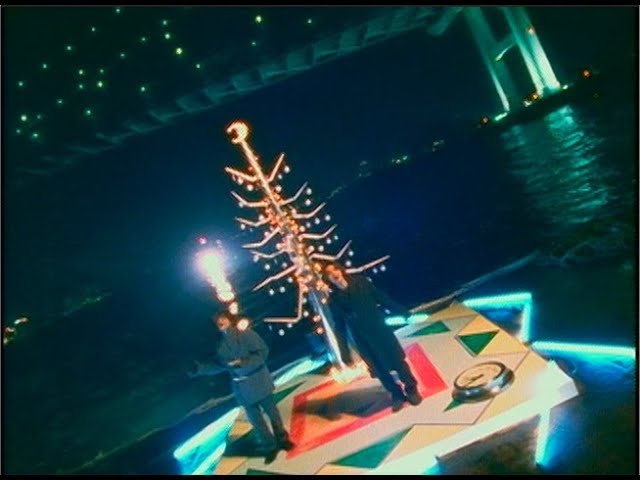
This is KinKi Kids’ fifth single, released in December 1998.
The lyrics, written by Takashi Matsumoto—who also penned the debut single “Glass no Shonen”—recast the fairy tale of Cinderella as a story between lovers.
Watching the two members of KinKi Kids on TV as they sing about a couple reaffirming their feelings for each other on a Christmas date surely made many viewers’ hearts flutter.

ZUTTOMariko Nagai

Released in October 1990, this song became a long-running hit, staying within the top ten for 12 weeks.
With this song, Mariko Nagai made her first appearance at the 42nd NHK Kōhaku Uta Gassen in 1991.
The couple depicted in the lyrics—two people who are naturally together yet acknowledge that they are separate individuals while staying close—could be considered an ideal pair for many.
We all hope to keep living happily together, just as we are, for a long time.