

A roundup of hit love songs from the ’90s


The 1990s were a decade that produced countless million-selling hits.
TV dramas were also hugely successful, and it wasn’t uncommon for theme songs to sell big alongside the shows themselves.
In this article, we’re shining a spotlight on love songs from that era.
We’ve gathered a variety of romantic tunes: theme songs from blockbuster romance dramas, wedding classics, and timeless love songs cherished across generations.
It’s a lineup that longtime fans who experienced the era firsthand will enjoy—as well as younger listeners who didn’t live through it.
Be sure to check it out!
- Iconic ballads of 90s J-pop: nostalgic mega-hits and fan favorites
- A heartbreak song that was a hit in the 90s. Classic and popular tracks in Japanese music.
- Showa-era love songs: A roundup of timeless love songs cherished across generations
- [Heisei Love Songs] A carefully selected collection of gem-like love songs that continue to be cherished even in the Reiwa era!
- Tear-jerking J-pop from the ’90s. Hit songs and real tearjerkers.
- Love songs recommended for women in their 40s: classic and popular Japanese hits
- Recommended love songs for people in their 90s: A collection of classic Shōwa-era romance songs
- Songs to give to your lover or someone you like. Love songs devoted wholeheartedly to your boyfriend or girlfriend.
- Love songs that were hits in the 2000s. Classic and popular Japanese songs.
- Love Hit Song Collection for Gals [A Must-Listen for Heisei-Era Gals]
- Ranking of Popular Songs by Female Singer-Songwriters of the 1990s [2026]
- Winter songs in 90s J-pop: a roundup of popular winter tunes
- Heisei-era heartbreak songs: A roundup of classic tracks from the ’90s to the 2010s
A roundup of hit love songs from the ’90s (11–20)
beetle (specifically, a rhinoceros beetle)aiko

From the mid to late 1990s, many distinctive female singer-songwriters who defied convention emerged, and aiko—who made her major debut in 1998—was one of them.
With her unique vocal phrasing and melodic sensibility, along with lyrics that skillfully capture the nuances of a woman’s heart, she produced a string of major hits.
Among them is Kabutomushi, a beautiful ballad released in 1999 that remains one of her signature songs.
Personally, when I first saw the title back then, I never could have imagined what kind of song it would be.
Once you learn how the “beetle” is used within the lyrics, especially if you tend to put on a brave face with your partner, you may find it particularly relatable.

Banzai ~ So glad I loved you ~Urufuruzu

This song, widely loved as one of Ulfuls’ signature tracks, was released in January 1996 and drew attention as the theme song for the Fuji TV drama “Goddess of Victory.” It was released as a single from the album “Banzai” and became a massive hit, selling over one million copies.
The lyrics, which express gratitude to a loved one and the preciousness of time spent together, resonate with many people.
With its positive message celebrating the small joys of everyday life and the strength of bonds with those we cherish, it is often used at celebratory occasions such as weddings.
Time goes byEvery Little Thing
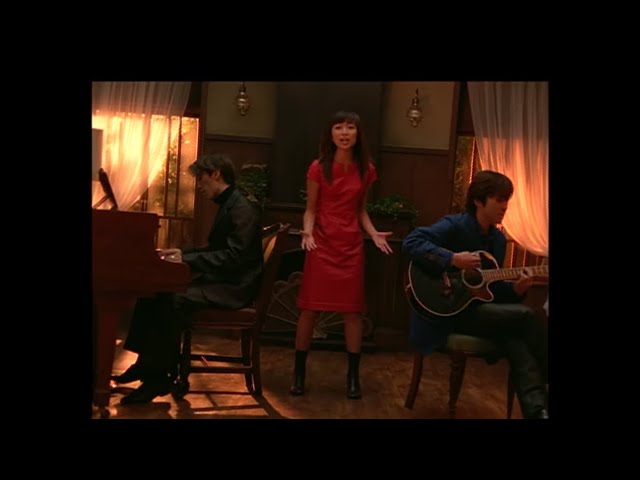
In stark contrast to their upbeat, digitally driven tracks, this is a ballad.
At the time, I remember being shocked when it was released—like, “Wait, this is totally different from the Every Little Thing we’ve known!” In the end, it became their best-selling single and a signature song for Every Little Thing.
The lyrics, which look back on love and relationships from a youthful, perhaps too-young time, fit perfectly with the romance-filled 1990s.
Lots of women even copied vocalist Mochida’s hairstyle! It’s a song packed with nostalgia.
Eiichi Ohtakishiawasena ketsumatsu

One of Eiichi Ohtaki’s signature songs, which drew huge attention as the theme for the massively popular “Getsuku” Monday 9 p.m.
drama Love Generation starring Takuya Kimura and Takako Matsu.
If you watched the show, hearing this track might bring back, as if it were yesterday, the heart‑pounding push-and-pull of their romance.
The lyrics, which exquisitely portray the ever-shifting feelings of a grown woman in love, are superb.
You could even interpret them to suggest that the two met for the sake of a happy ending—how did you hear it? Ohtaki’s song “Let’s Begin with a Happy End” was also used as an insert song in the drama and became a hit.
Highly recommended as well!
Robinsonsupittsu

Released in 1995, this song is a timeless favorite loved by people of all ages and is one of Spitz’s signature works.
When it came out, it was used as the ending theme for a variety show, and many people probably still strongly associate it with that image.
It carries a touch of bittersweetness, but combined with vocalist Masamune Kusano’s gentle voice, it strikes straight to the heart—a tender masterpiece.
It’s the kind of number you find yourself wanting to listen to when you’re tired, or to send to someone who’s feeling down.
This track became Spitz’s first Top 10 hit and went on to be a massive success, selling over a million copies.
Because it’s a cold nightTRF

This is the fifth single by TRF, a five-member co-ed dance and vocal group whose goal is to turn any live venue into a disco just by being there.
It became the group’s first single to break into the Oricon Top 10, and also drew attention when its music video was used in a commercial for Nagatanien’s Hieshirazu-san Ginger Series.
Its brisk dance beat and lyrical melody are quintessential TK sound that dominated the 1990s.
It’s a gem of a love song whose passionate approach—distinct from a ballad—lingers in the ear.

Romance Songs That Hit in the ’90s (21–30)
Love Story Comes SuddenlyOda Kazumasa

The moment that ultra-famous guitar cutting in the intro hits your ears, you feel like you’ve slipped back to 1991! Chosen as the theme song for the classic drama “Tokyo Love Story,” which sparked an unprecedented boom at the time, it was released in 1991 as a double A-side single with “Oh! Yeah!” and went on to sell an astounding 2.7 million copies.
It’s no exaggeration to say the song had an enormous impact on J-pop history, with countless artists covering it and sampling it afterward.
With melody and lyrics by Kazumasa Oda, whose voice is naturally beautiful, and an urbane, elegant ensemble that vividly captures the romance of adults, the track perfectly embodies the very essence of the golden age of trendy TV dramas.