

A roundup of hit love songs from the ’90s


The 1990s were a decade that produced countless million-selling hits.
TV dramas were also hugely successful, and it wasn’t uncommon for theme songs to sell big alongside the shows themselves.
In this article, we’re shining a spotlight on love songs from that era.
We’ve gathered a variety of romantic tunes: theme songs from blockbuster romance dramas, wedding classics, and timeless love songs cherished across generations.
It’s a lineup that longtime fans who experienced the era firsthand will enjoy—as well as younger listeners who didn’t live through it.
Be sure to check it out!
- Iconic ballads of 90s J-pop: nostalgic mega-hits and fan favorites
- A heartbreak song that was a hit in the 90s. Classic and popular tracks in Japanese music.
- Showa-era love songs: A roundup of timeless love songs cherished across generations
- [Heisei Love Songs] A carefully selected collection of gem-like love songs that continue to be cherished even in the Reiwa era!
- Tear-jerking J-pop from the ’90s. Hit songs and real tearjerkers.
- Love songs recommended for women in their 40s: classic and popular Japanese hits
- Recommended love songs for people in their 90s: A collection of classic Shōwa-era romance songs
- Songs to give to your lover or someone you like. Love songs devoted wholeheartedly to your boyfriend or girlfriend.
- Love songs that were hits in the 2000s. Classic and popular Japanese songs.
- Love Hit Song Collection for Gals [A Must-Listen for Heisei-Era Gals]
- Ranking of Popular Songs by Female Singer-Songwriters of the 1990s [2026]
- Winter songs in 90s J-pop: a roundup of popular winter tunes
- Heisei-era heartbreak songs: A roundup of classic tracks from the ’90s to the 2010s
Compilation of hit love songs from the ’90s (91–100)
Primalorijinarurabu

A heartwarming love song that begins with the bittersweet feeling of gazing up at a loved one’s window in the stillness of a snowy, pre-dawn winter morning.
It’s one of ORIGINAL LOVE’s signature tracks, brimming with the joy and ache of love and a yearning for eternity.
Takao Tajima’s emotionally rich vocals blend beautifully with arrangements infused with soul and funk, creating a sophisticated, urban soundscape.
Released in February 1996, it drew attention as a TV drama theme song and reached No.
5 on the Oricon weekly chart.
It’s a song I recommend when you want to cherish pure feelings for someone you love—one that gently stays by your heart.
Its beautiful lyrics and melody continue to captivate many listeners to this day.
Tearful KissSazan Ōrusutāzu

A bittersweet yet beautiful melody that seeps into the heart, this ballad delicately portrays the protagonist’s sorrow and lingering feelings as they face a breakup with a lover.
The emotionally rich vocals woven by Southern All Stars, together with a simple instrumental arrangement, convey the pain of heartbreak with striking clarity.
Released in July 1992, it drew major attention as the theme song for the drama “Zutto Anata ga Suki Datta.” It became Southern All Stars’ first million-selling single and won the Excellence Award at the 34th Japan Record Awards.
Whether you’re seeking to heal the sadness of parting or reminiscing about past love, this song gently stays by your side—and continues to be a source of comfort for many to this day.
Happy endingOhtaki Eiichi

As the theme song for a Fuji TV Monday 9 p.m.
drama, this is a gem of a love song that Eiichi Ohtaki released for the first time in 12 years.
Its gentle, heartwarming melody and lyrics that carefully weave the feelings of a woman in love blend beautifully, leading to a massive hit of 970,000 copies sold since its release in November 1997.
Used in Love Generation, the song also marked Ohtaki’s first-ever Top 10 entry as a solo artist, showcasing his rich musicality to the fullest.
Portraying a sweet yet bittersweet love story, this track is highly recommended for those harboring feelings for someone special or wishing for a happy future with a loved one.
AutomaticUtada Hikaru
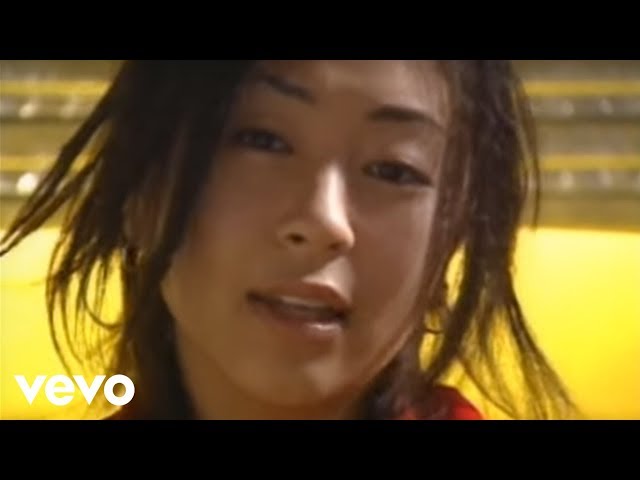
Released in 1998, just as the end of the century had everyone a little jittery with talk of “Nostradamus’s great prophecy,” Hikaru Utada’s debut single was a shock to the system.
Even calling it “shocking” doesn’t do it justice—the impact felt like something no future musical event could surpass.
Utada’s vocal prowess, the sophisticated lyrics evoking adult romance, and the Western-leaning sound were all cutting-edge for the time.
The lyric stance of “you’re the one who leads me to happiness” was a new approach to love songs in Japan.
In any case, this ballad still feels like a truly worldwide track today!
I won’t fall in love anymore.Makihara Noriyuki
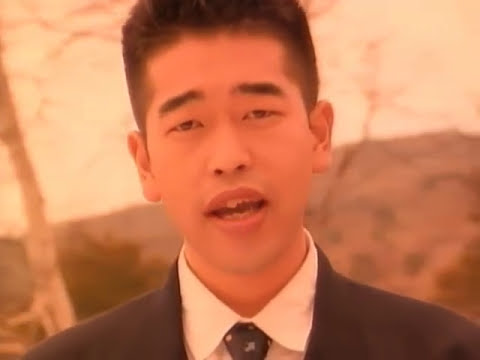
A gem-like ballad that delicately portrays the pain of heartbreak and the hope of taking a new step forward.
Noriyuki Makihara’s gentle vocals tenderly envelop the protagonist’s complex feelings as they struggle to accept a breakup with their lover.
While carefully depicting the loneliness and confusion felt in everyday life, it also resonates with the positive resolve hidden behind the words “I won’t fall in love anymore.” Released in May 1992, the song was used as the theme for the drama “After the Children Are Asleep,” reaching No.
2 on the weekly Oricon chart and No.
7 for the year.
It’s a song that stands as emotional support, accompanying you through the healing process of a broken heart.
RALLYCymbals

A late-’90s masterpiece that captures the push-and-pull of romance with deft melodies and a breezy pop sound.
The lyrics liken the psychological battle between a man and a woman to a tennis rally, brilliantly portraying the intellectual feints that toy with the other person, all polished by a driving, exhilarating arrangement.
Released in August 1999 and written and composed by Reiji Okii, the track is also included on the album “That’s Entertainment.” Its wry humor and Asako Toki’s transparent, airy vocals are a perfect match, making it a recommended song for anyone who wants to savor the sweet-and-sour taste of love.
Another OrionFujii Fumiya

Even after The Checkers disbanded, Fumiya Fujii has continued to be remarkably active.
“TRUE LOVE” and “Time Machine” have become karaoke staples for men, haven’t they? And then there’s the mega-hit “Another Orion.” The massive success of the drama “Shards of Glass,” in which the song was used, is inseparable from this track.
Many viewers probably tuned in each week, emotionally invested in the intertwined human relationships played out by Fujii himself, Yasuko Matsuyuki, Makiko Esumi, and others.
The lyric “No matter how far apart we are, I’ll be thinking of you” captures pure, classic romantic devotion.
The chorus swells in an extraordinary way—this is a truly recommended ballad.