

A roundup of hit love songs from the ’90s


The 1990s were a decade that produced countless million-selling hits.
TV dramas were also hugely successful, and it wasn’t uncommon for theme songs to sell big alongside the shows themselves.
In this article, we’re shining a spotlight on love songs from that era.
We’ve gathered a variety of romantic tunes: theme songs from blockbuster romance dramas, wedding classics, and timeless love songs cherished across generations.
It’s a lineup that longtime fans who experienced the era firsthand will enjoy—as well as younger listeners who didn’t live through it.
Be sure to check it out!
- Iconic ballads of 90s J-pop: nostalgic mega-hits and fan favorites
- A heartbreak song that was a hit in the 90s. Classic and popular tracks in Japanese music.
- Showa-era love songs: A roundup of timeless love songs cherished across generations
- [Heisei Love Songs] A carefully selected collection of gem-like love songs that continue to be cherished even in the Reiwa era!
- Tear-jerking J-pop from the ’90s. Hit songs and real tearjerkers.
- Love songs recommended for women in their 40s: classic and popular Japanese hits
- Recommended love songs for people in their 90s: A collection of classic Shōwa-era romance songs
- Songs to give to your lover or someone you like. Love songs devoted wholeheartedly to your boyfriend or girlfriend.
- Love songs that were hits in the 2000s. Classic and popular Japanese songs.
- Love Hit Song Collection for Gals [A Must-Listen for Heisei-Era Gals]
- Ranking of Popular Songs by Female Singer-Songwriters of the 1990s [2026]
- Winter songs in 90s J-pop: a roundup of popular winter tunes
- Heisei-era heartbreak songs: A roundup of classic tracks from the ’90s to the 2010s
Romance Songs That Hit in the ’90s (21–30)
SAY YESCHAGE and ASKA
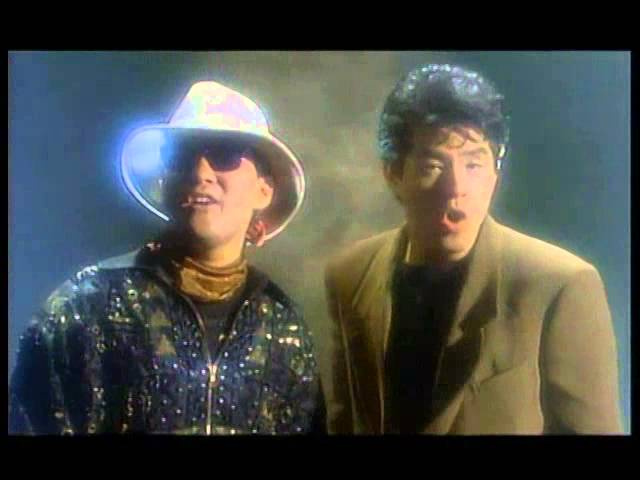
Not only did it cement the popularity of CHAGE and ASKA, who had been active since the 1970s, but “SAY YES” is also known as a blockbuster hit that stands as a milestone in J-POP history.
Released in 1991 and used as the theme song for the drama The 101st Proposal, it sparked a boom that could be called a social phenomenon.
For those in their 40s and older, the song is strongly tied to the drama—bringing to mind Tetsuya Takeda’s passionate performance and that unforgettable line.
Now that we’ve entered the 2020s, we hope you’ll take the time to rediscover the song’s inherent brilliance.
With its dramatic structure, ASUKA’s one-of-a-kind vocal phrasing, and CHAGE’s flawless harmonies, it’s an eternal love song.

LA LA LA Love SongKubota Toshinobu/Naomi Campbell
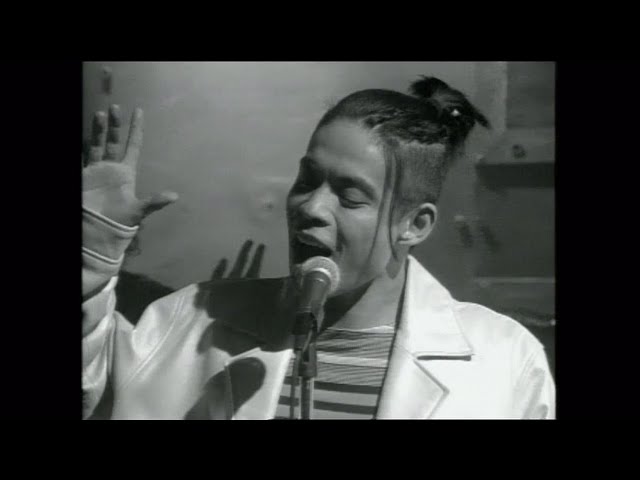
Toshinobu Kubota is known as the originator of R&B in Japan and a pioneer who brought authentic Black music into J-pop.
With his overwhelmingly powerful, distinctly non-Japanese vocal ability and rhythmic sensibility, he created a new form of J-pop different from the typical kayōkyoku style—he’s truly a great singer-songwriter.
Speaking of Kubota’s major hits in the ’90s, there’s “LA·LA·LA LOVE SONG,” released as a collaboration with Naomi Campbell.
It became a huge success alongside the TV drama Long Vacation and stands as one of the quintessential love songs of the 1990s.
If you can sing this perfectly at karaoke, your feelings might just reach that special someone.
Poem of SunlightLe Couple
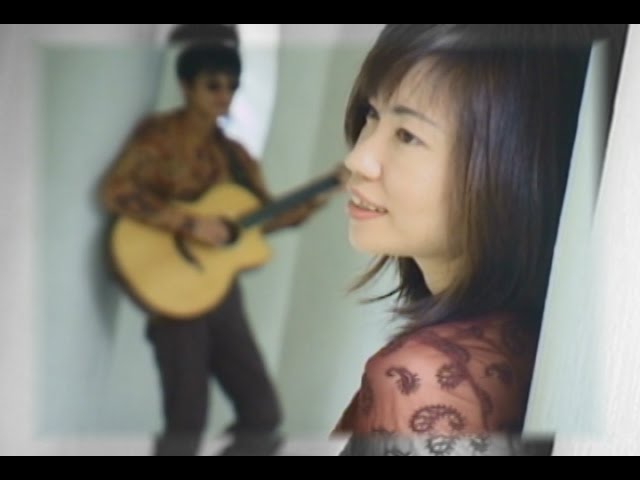
With the cast from the previous series, including Yosuke Eguchi and Masaharu Fukuyama, kept intact, the drama Under One Roof 2 became another massive hit—practically a social phenomenon.
The insert song Hidamari no Uta was also a big hit.
Its lyrics, written solely with gentle feelings of caring for the other person just like in the drama, are wonderful.
It also made headlines when the singer flubbed the opening line during that year’s NHK Kohaku Uta Gassen on New Year’s Eve.
By the way, “Le Couple” means “couple” or “married couple” in French!
Kiss me here.Shiina Ringo

Even looking back now, among songs like the debut track “Koufukuron (Theories of Happiness)” and “Kabukichō no Joō (Queen of Kabukichō),” which made Ringo Sheena a hot topic among music fans as a maverick singer-songwriter, the song that first brought her name to wider public attention was surely “Koko de Kiss Shite.” With a band ensemble that reflects the influence of alternative rock, lyrics that freely weave between English lines and Japanese lines imbued with literary sensibility, and a voice that’s instantly recognizable, plus a melody with real pop appeal, there was no way this song wouldn’t be a hit.
The protagonist of the song feels very much like Sheena herself, and in the music video—where she’s bound from neck to chest with rope and fiercely plays a Duesenberg guitar—legions of women and men alike found themselves captivated.
Let’s Count Your Kisses ~You Were Mine~Koyanagi Yuki
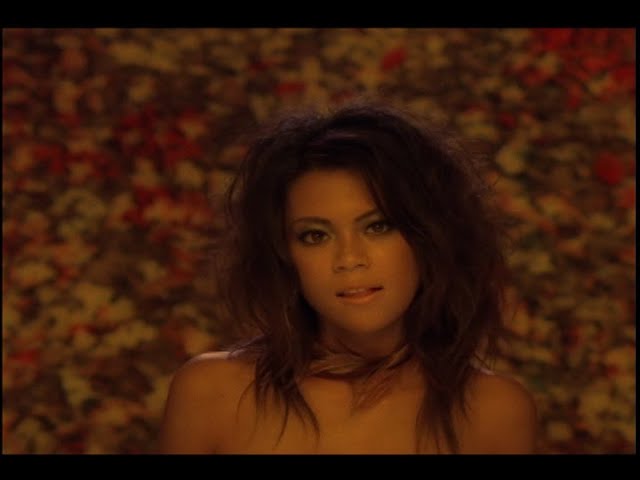
Artist Yuki Koyanagi captivates audiences with her overwhelming vocal prowess.
This song, released as her debut single in September 1999, became a long-running hit.
Many of you may have heard it, as it was featured in a commercial for kissmark, an apparel brand from the Alpen Group.
Although it’s a breakup song, it conveys strength and coolness rather than just sadness.
I was amazed by the powerful vocals coming from her petite frame, and it remains a timeless ballad even today.
Be sure to give it a listen at least once!

You’re the Only…Ono Masatoshi

This is the third single by singer-songwriter Masatoshi Ono, known for his crystal-clear high-tone voice and currently active as the vocalist of the metal band GALNERYUS.
The song was used as the theme for the TV drama “Kimi no Tame ni Dekiru Koto” (What I Can Do for You) and became a million-selling, smash-hit single.
Its straightforward message, carried by a voice that soars endlessly, resonates with the atmosphere of the drama, which has elements of a love fantasy.
It is Ono’s biggest hit, further drawing attention in 2010 when GALNERYUS released “You’re the Only… 2010.”

can’t stop fallin’ in loveglobe

Because every song Tetsuya Komuro released became a hit, the term “Komuro-kei” (Komuro style) was coined.
The group globe, which Komuro formed with KEIKO and Marc Panther, was also hugely popular in its era.
The lyrics portray the heart of a woman who’s discovering love for the first time—there’s a sense of mature romance.
With KEIKO’s high-tone vocals and Marc’s breezy rap, it’s a massive hit that still sounds fresh today.