

[For Adults] Recommended for Piano Recitals! A Curated Selection of Impressively Sounding Masterpieces


“What piece should I play at the piano recital?” From the day you find out you’ll be performing, you probably start thinking about what to play just like that!
Choosing a piece is exciting, but many people also find it hard to decide, don’t they?
In this article, we’ll introduce recommended pieces for piano recitals, especially for adults.
We’ve picked a wide range of famous pieces, so please choose according to your own level!
- [Intermediate Level] Cool Piano Pieces You Can Play [Great for Recitals Too]
- Piano Masterpieces: Surprisingly Easy Despite Sounding Difficult!? A Curated Selection Perfect for Recitals
- [For Advanced Players] A Curated Selection of Classical Masterpieces to Tackle at Piano Recitals
- [For Intermediate Players] Challenge Yourself! Recommended Masterpieces That Shine at Piano Recitals
- For Advanced Players: Showstopping Classics to Play at a Piano Recital
- [For Piano Recitals] Simple yet Cool Classical Pieces
- [Intermediate Level] A curated selection of piano masterpieces featuring strikingly brilliant melodies!
- [Popular Piano] Capture the Audience’s Attention! Recommended Pop Songs That Shine at Piano Recitals
- Recommended for piano beginners! 10 sheet music picks that adults can enjoy too
- It’s so cool if you can play these on the piano! A selection of irresistibly charming masterpieces.
- [Piano Duets] Guaranteed to get the crowd excited! A roundup of recommended pieces
- [Intermediate] Recommended Piano Duets | A Curated Selection of Cool and Dazzling Pieces
- Cool jazz piano: from classic favorites to hidden gems.
For Adults: Top Picks for Piano Recitals! A Curated Selection of Impressive Masterpieces (1–10)
Sonatina No. 7, First MovementMuzio Clementi

Written in the sonatina form, this piece is characterized by a light, cheerful atmosphere.
The tempo is on the faster side, calling for a rhythmic performance.
The melodic line is simple and easy to remember, giving a pleasant impression when listened to.
For piano learners, it is well-suited to developing hand independence and flexible wrist movement.
Performing without the pedal allows you to focus on fingerwork and clarity of sound.
It’s an excellent choice for those looking to hone basic piano technique or grow more familiar with classical music.
It has a charm that brightens the listener’s heart and fosters a positive mood.
Nocturne Op. 9 No. 2Frederic Chopin

Frédéric Chopin’s masterpiece, Nocturne Op.
9 No.
2.
It’s a calm and beautiful piece, yet it’s filled with pianistic intricacies in the details, making it quite high in both performance impact and difficulty.
Its striking, delicate melody shines on recital stages, but that also brings a tension where missed notes are unforgiving.
While directing your attention to every single note, try to perform with care for expression so as not to spoil the piece’s free and expansive character.

Arabesque No. 1Claude Debussy

Claude Debussy’s famous piece Arabesque No.
1, often featured in commercials, boasts a brilliant, beautiful melody that really shines in recitals.
The key to this work is balancing the triplets with the eighth notes.
Once you grasp this trick, even intermediate players should be able to perform it without trouble.
If you find the score reading or coordinating both hands difficult, try breaking it into small sections and alternating “right hand, both hands, right hand, both hands” to get the feel—experiment with your practice methods.
It’s also perfect for practicing arpeggios, so if that’s a weak point for you, why not take it on proactively?
[For Adults] Recommended for Piano Recitals! A Curated Selection of Impressive Masterpieces (11–20)
Pavane, Op. 50Gabriel Fauré

An elegant and beautiful work by the French composer Gabriel Fauré, who was active from the late 19th to the early 20th century.
Originally composed as an orchestral piece and later performed with a choral part as well, this work is widely beloved for its beautiful melody and is also cherished as a piano solo.
The piece expresses the complex emotions surrounding love, capturing sweetness and anguish in a delicate balance.
Premiered in Paris in 1888, it has continued to captivate audiences and is highly recommended for those who wish to enjoy a serene, graceful atmosphere.
SummerHisaishi Joe
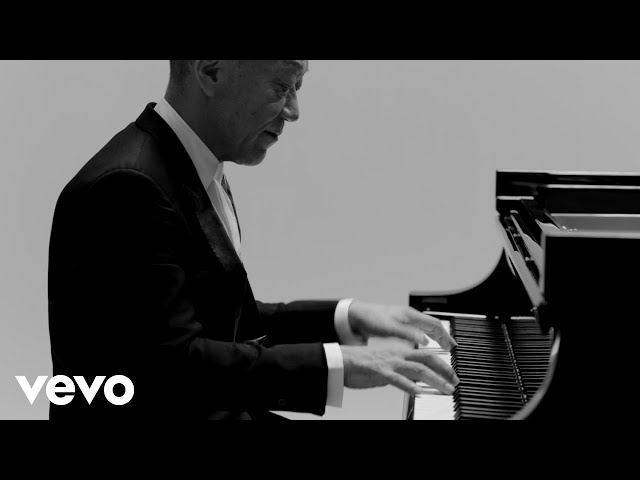
The music of Joe Hisaishi, a composer who represents contemporary Japan, is loved across a wide range of genres beyond the realm of film scores.
Featured on the soundtrack of the 1999 film “Kikujiro,” this piece contains elements that evoke the sights and feelings of Japanese summer, making it a work that inspires nostalgia for many Japanese people.
The use of a phrase reminiscent of a school chime further enhances that nostalgic atmosphere.
It has been performed in various versions, with many arrangements for piano solo, guitar, ensemble, and orchestra.
For a recital, why not choose an arrangement that suits your level and give it a try?
Fantaisie-Impromptu in C-sharp minor, Op. 66Frederic Chopin

Of Chopin’s four impromptus—he being a quintessential Romantic composer—the first one he composed is the most famous, the “Fantasie-Impromptu.” Many people can recognize the piece the instant that opening octave sounds.
Because the left hand divides each beat into six parts while the right hand divides it into eight, it can be difficult at first to get the feel for coordinating both hands.
However, with repeated practice you’ll naturally learn to align the beats.
Keep at it patiently!

Merry Christmas, Mr. LawrenceSakamoto Ryuichi
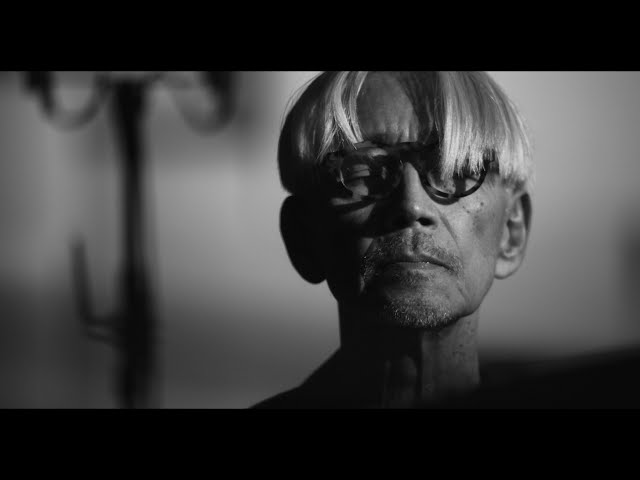
From the soundtrack of the film Merry Christmas, Mr.
Lawrence, we’d like to introduce a piece notable for its beautiful melody.
With a simple piano timbre that resonates deeply, this work exudes a unique atmosphere born from a fusion of Eastern and Western elements.
It masterfully conveys the world of the 1983 film, offering a quiet beauty against the harsh backdrop of war.
For pianists, it’s a piece that demands delicate touch and expressive nuance—well worth the challenge.
It’s highly recommended for those interested in film music or anyone seeking a calming, soothing track.