

[For Adults] Recommended for Piano Recitals! A Curated Selection of Impressively Sounding Masterpieces


“What piece should I play at the piano recital?” From the day you find out you’ll be performing, you probably start thinking about what to play just like that!
Choosing a piece is exciting, but many people also find it hard to decide, don’t they?
In this article, we’ll introduce recommended pieces for piano recitals, especially for adults.
We’ve picked a wide range of famous pieces, so please choose according to your own level!
- [Intermediate Level] Cool Piano Pieces You Can Play [Great for Recitals Too]
- Piano Masterpieces: Surprisingly Easy Despite Sounding Difficult!? A Curated Selection Perfect for Recitals
- [For Advanced Players] A Curated Selection of Classical Masterpieces to Tackle at Piano Recitals
- [For Intermediate Players] Challenge Yourself! Recommended Masterpieces That Shine at Piano Recitals
- For Advanced Players: Showstopping Classics to Play at a Piano Recital
- [For Piano Recitals] Simple yet Cool Classical Pieces
- [Intermediate Level] A curated selection of piano masterpieces featuring strikingly brilliant melodies!
- [Popular Piano] Capture the Audience’s Attention! Recommended Pop Songs That Shine at Piano Recitals
- Recommended for piano beginners! 10 sheet music picks that adults can enjoy too
- It’s so cool if you can play these on the piano! A selection of irresistibly charming masterpieces.
- [Piano Duets] Guaranteed to get the crowd excited! A roundup of recommended pieces
- [Intermediate] Recommended Piano Duets | A Curated Selection of Cool and Dazzling Pieces
- Cool jazz piano: from classic favorites to hidden gems.
[For Adults] Recommended for Piano Recitals! A Curated Selection of Impressive Masterpieces (11–20)
Heroic PolonaiseFrederic Chopin

Among Frédéric Chopin’s piano works, the Polonaise No.
6 in A-flat major, Op.
53—affectionately known as the “Heroic Polonaise”—is exceptionally popular.
Its chromatic ascending motion and powerful rhythm leave a strong impression.
Above all, the most distinctive feature is the continuous octaves in the middle section! This passage is difficult to execute perfectly even for professionals, so it’s by no means easy.
A good approach is to first enjoy the character of the piece using an arrangement that omits the octave technique, and then, once your technique has developed, challenge the original version.

Sonatina No. 9, First MovementMuzio Clementi

Let me introduce a light and catchy piano piece by Muzio Clementi.
Published in 1797, this work is characterized by its bright, energetic melody.
A rhythmic theme unfolds, lifting the listener’s spirits.
Written in sonata form, it’s recommended for a wide range of players, from beginners to intermediate.
The chord progressions are gentle, creating a pleasing resonance.
It’s an ideal piece not only for piano learners but also as an introduction to classical music.
Perform it at a recital, and it’s sure to captivate the audience.
Piano Sonata No. 8, Op. 13 “Pathétique,” Second MovementLudwig van Beethoven

The masterpiece that has etched its name in music history, Ludwig van Beethoven’s Piano Sonata No.
8 in C minor, Op.
13 “Pathétique,” Second Movement.
Alongside the “Moonlight” Sonata, it is a popular choice for recitals.
Because the first movement and the finale are technically demanding, performing the entire sonata is quite challenging; however, the second movement is relatively accessible, so focusing on this movement alone is also recommended.
Practice triplets, the balance between accompaniment and melody, and pedaling with care to achieve a polished, high-quality performance.

12 Etudes, Op. 12 No. 10 “Revolutionary”Frederic Chopin

Frédéric Chopin’s masterpiece Etude Op.
10 No.
12, “Revolutionary,” is frequently featured in the media.
Its dynamic performance leaves a powerful impression, making it a piece that commands respect at piano recitals.
The key to this work lies in the right hand: because it must remain constantly extended while playing, considerable endurance is required.
Its difficulty is less like “La Campanella” and more akin to “Feux Follets.” It’s a work that exudes a distinctly mature atmosphere, so do give it a try.
Those Who Fight (Piano Version) from Final Fantasy VII Piano CollectionsUematsu Nobuo

From the globally popular Final Fantasy series comes a famous piece.
Originally used during battle scenes in the games, it has been arranged for solo piano.
Without losing the power of the original, it adds the delicacy unique to the piano, brilliantly recreating the game’s intensity through the instrument.
Though it has no lyrics, you can feel the ferocity and tension of battle, as well as the characters’ will to fight.
For players, it evokes nostalgia and emotion, and it’s a recommended piece for those interested in piano performance or who love game music.
Waltz No. 6 in D-flat major, Op. 64 No. 1 “Minute Waltz”Frederic Chopin

Familiar under the title “Minute Waltz,” the Waltz No.
6 in D-flat major, Op.
64-1 is said to have been improvised by Frédéric François Chopin to depict the pet dog of his lover, George Sand, spinning in circles as it chased its own tail.
With its charming character and lively tempo, it’s a great favorite among children learning the piano.
To achieve evenness of tone, steady practice is essential, of course, but so is choosing fingerings that allow the fingers to move smoothly.
By committing to correct fingerings from the score-reading stage, you’ll be able to increase the tempo naturally!
[For Adults] Recommended for Piano Recitals! A Curated Selection of Impressive Masterpieces (21–30)
The Londonderry Air (Danny Boy)Airurando min’yō
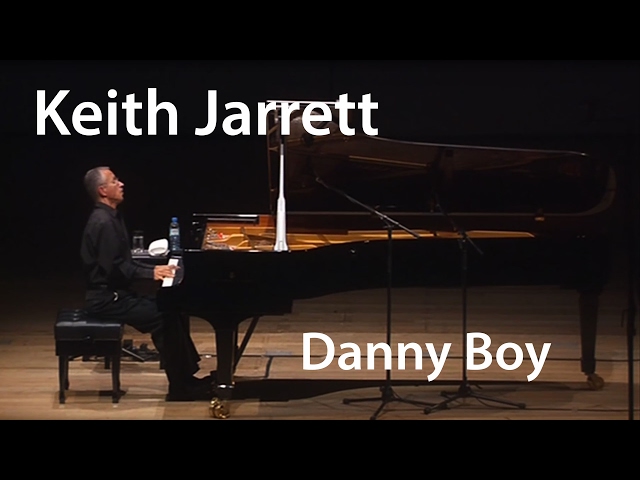
Nurtured by Ireland’s long history and rich culture, the music known as the Irish folk song “Londonderry Air” was born.
Collected in the mid-19th century, this melody has been loved across generations for its beauty.
With a gentle tempo, it expresses deep emotions such as love, nostalgia, and parting, and has been arranged for piano and orchestra to be performed in various settings.
Its beautiful melody captivates the heart and draws listeners in.
Because of its relaxed pace, even those who have just started playing the piano can calmly follow the notes as they perform.
Once you feel more comfortable with your hands, try adding the pedal so that the melody and accompaniment remain connected.