

August quizzes that seniors can enjoy!

August brings a stretch of hot days, making heatstroke a particular concern for older adults.
In senior facilities and day services, there tend to be fewer opportunities to spend time outdoors, so it can be a challenge to decide how to spend time indoors.
That’s why a recommended indoor activity is an August-themed quiz.
August features traditional festivals that can stir up excitement and fond childhood memories.
We’ve gathered many quiz questions about these quintessential sights and sounds of summer.
Please use this article as a reference for quizzes that older adults can enjoy.
- For Seniors: Lively! Trivia and Fun Facts Quiz for August
- [For Seniors] Summer-Themed Quiz: A Collection of Fun Questions to Liven Up Recreational Activities
- [For Seniors] Summer Festival Trivia Quiz & Fun Facts. Enjoyable Quizzes That Boost Your Knowledge
- [For Seniors] Summer-Themed Trivia Quiz & Fun Facts Collection
- [For Seniors] Recreations to Experience in August
- [For Seniors] Informative and Fun Obon Quiz
- [For Seniors] August Health Tips: How to Enjoy and Stay Comfortable During the Hot Summer
- Recommended for seniors! Liven up your event with a Respect-for-the-Aged Day quiz!
- [Elderly Care] Summary of Ideas and Recreational Activities Linked to August Events
- [For Seniors] Fun and Lively! Recommended Quiz Questions
- [Recreation for Seniors] Introducing Quizzes to Enjoy at Day Service Centers!
- [For Seniors] July Trivia Quiz & Fun Facts. Easy and Engaging
- [For Seniors] Tanabata Trivia Quiz: Simple and Fun
August quizzes that seniors can enjoy! (1–10)
Where does the culture of “rajio taiso” (radio calisthenics) come from?
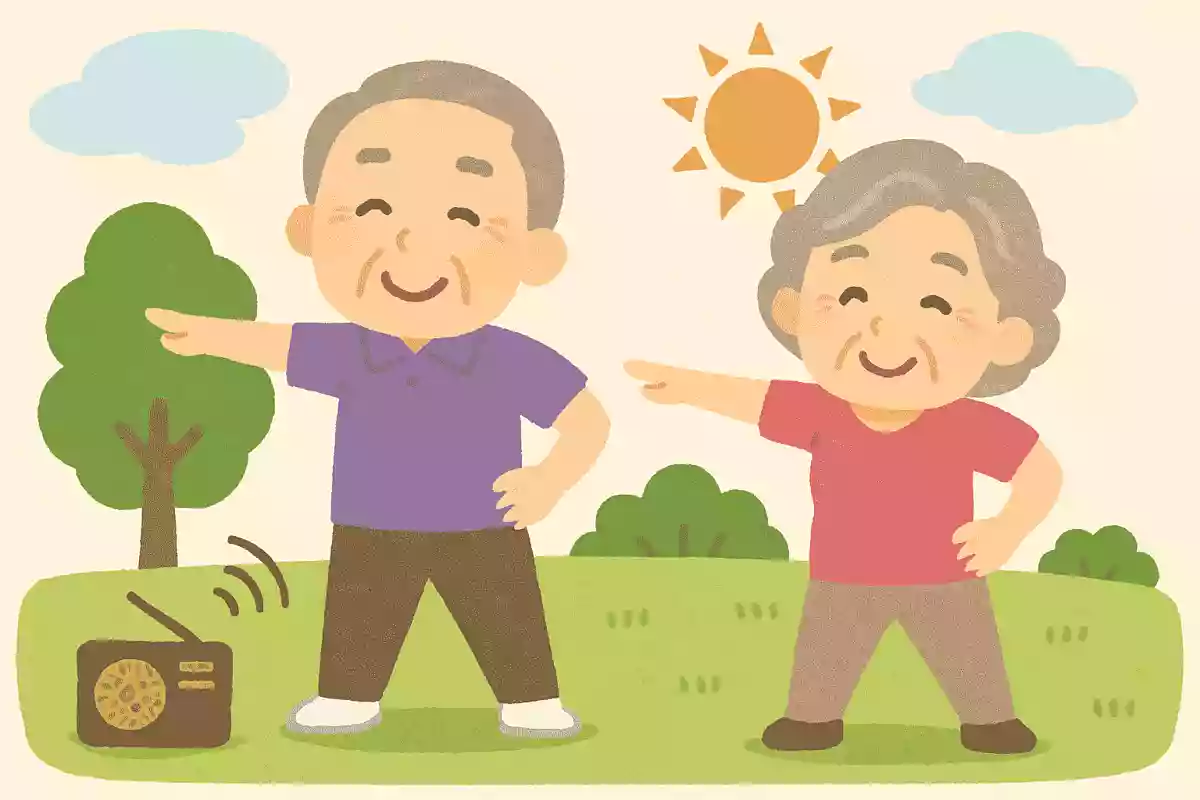
When we think of summertime traditions, waking up early and doing Radio Taiso (radio calisthenics) is an essential seasonal ritual, isn’t it? Some people only did Radio Taiso during summer vacation, while others have chances to do it at other times too—there are many different ways people relate to it.
If we learn about the history of this easy-to-do exercise, we might approach it with a more positive attitude.
Radio Taiso is said to have been started in 1925 by the Metropolitan Life Insurance Company in the United States to promote the health of its policyholders, and from there it made its way to Japan.
Let’s also learn how the exercises that arrived in Japan in 1927 have evolved over time.

What is a color that fireworks absolutely cannot produce?
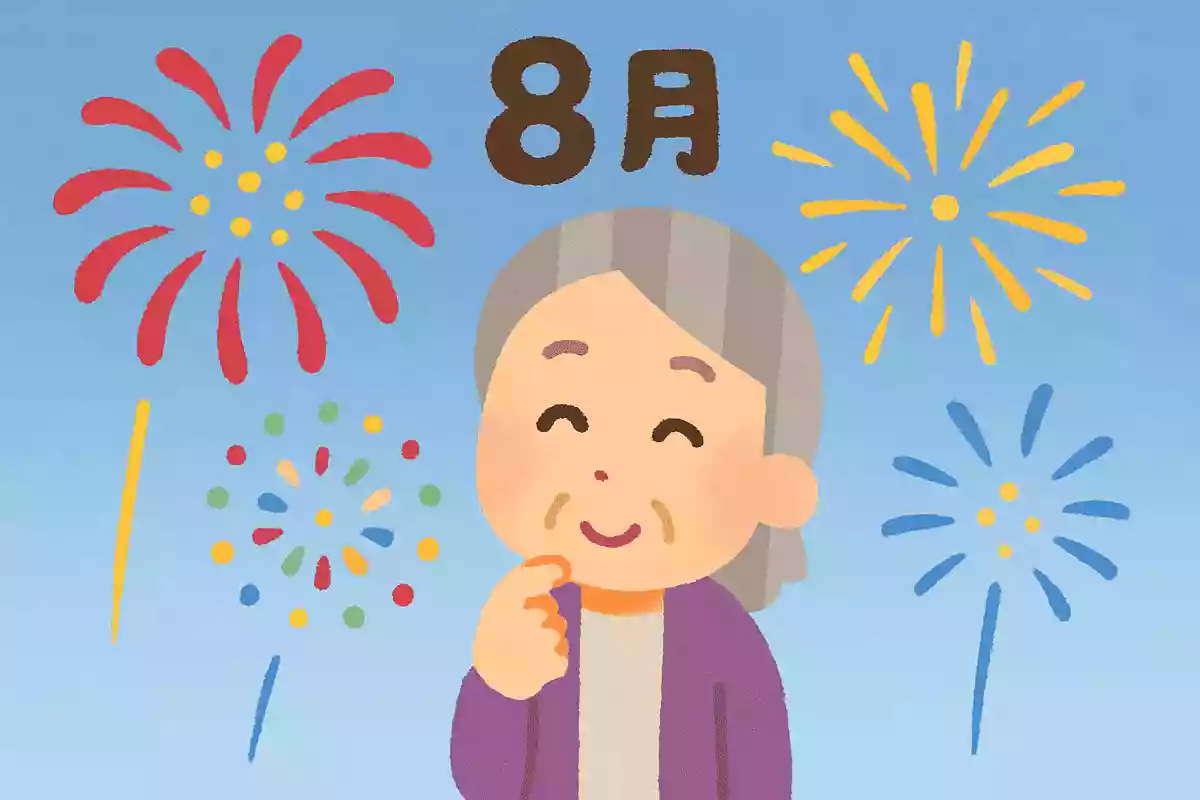
Watching aerial fireworks, playing with handheld fireworks—fireworks are an essential part of summer, aren’t they? The flames that shine beautifully in various colors make summer even more fun.
Fireworks use a phenomenon called the “flame reaction” (flame test) to change the color of the fire.
By mixing specific elements that produce different flame colors when burned into the fireworks, they create those beautiful hues.
One color that can’t be produced even using the flame reaction is black; no matter what chemicals you use, you can’t get a black flame.
Since fireworks are mostly enjoyed at night, a black flame would be hard to see anyway, wouldn’t it?
Where is the weakness of the famous yokai, the kappa?
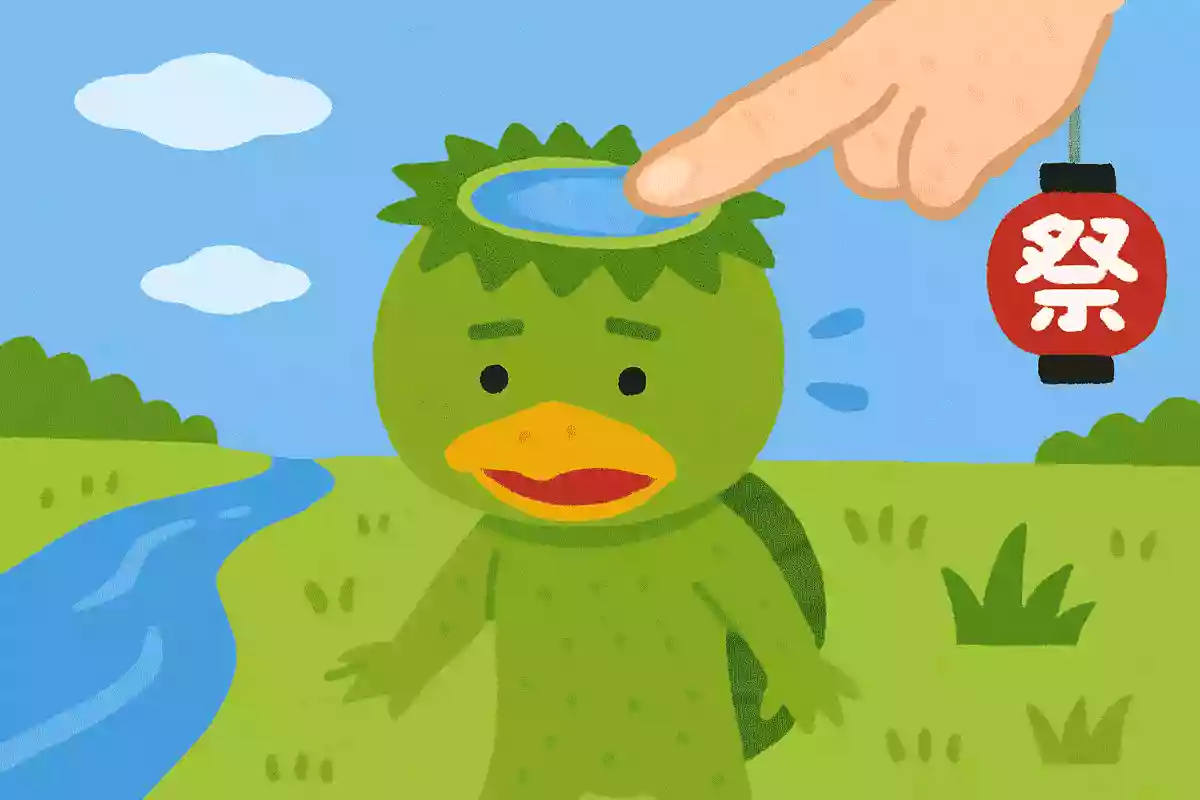
Among the yokai passed down in Japan, the kappa is arguably one of the most famous.
Because it is a water-related yokai, it is sometimes treated as a water deity.
Living in rivers and marshes, it is depicted in folktales and legends interacting with people who come near.
While it may be strongly associated with mischief, it is also told of as a benevolent yokai—helping with civil engineering work or teaching medicinal recipes—an aspect that suggests how long its stories have been passed down.
The kappa’s weakness is the “dish” on its head; the fact that the most striking part of its impactful appearance is also its weak point adds a comical touch and makes it feel like a familiar, approachable yokai.
August quizzes that seniors can enjoy! (11–20)
What tool were wind chimes used as in the past?
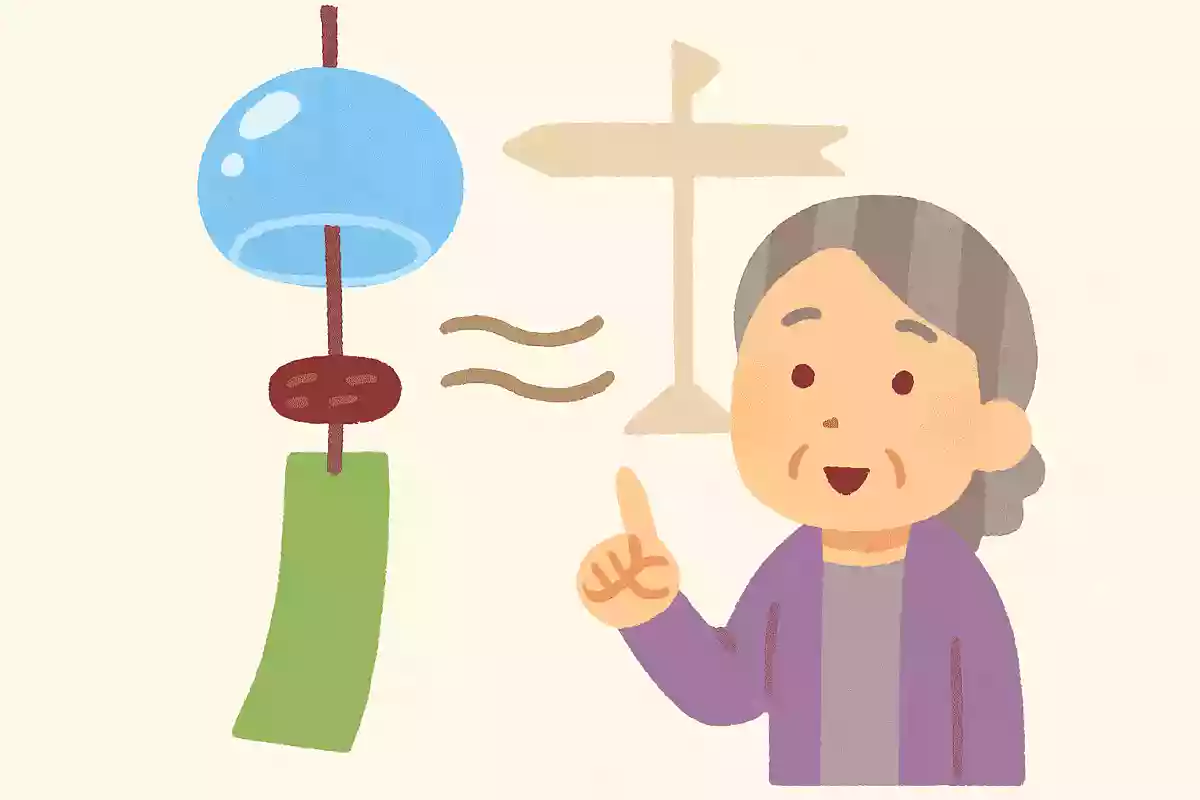
Wind chimes that bring a touch of coolness in the hot summer—the gentle sounds they make as they catch the breeze are a classic scene of the Japanese summer, aren’t they? Because they’ve become such a staple decoration for the season, learning about their origins and meaning is all the more intriguing.
The beginning of wind chimes can be traced to China during the Tang dynasty, where a device called a “fūtaku” was used for divination.
Carried to Japan along with Buddhism, the fūtaku came to be regarded as a talisman against evil, based on the belief that the area within earshot of its sound was sacred.
It’s also said that during the Heian period, aristocrats hung them from their eaves, and that around this time the term “fūrin” (wind chime) became widespread.
What are the two vegetables used for Obon decorations?
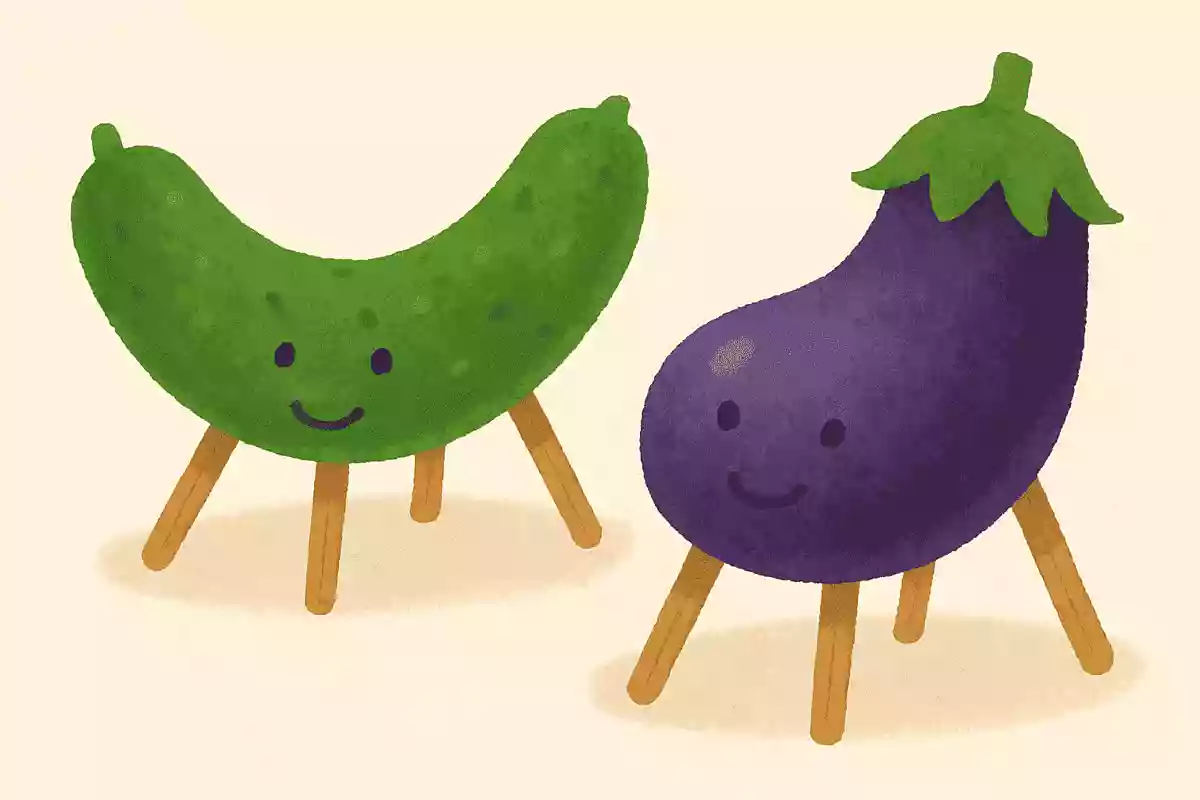
Obon, a summer event for honoring the spirits of our ancestors, often coincides with a holiday period, so many people strongly associate it with adults’ summer vacation.
Let’s learn about the decorations needed for Obon, the sentiments they embody, and their origins.
While there are regional differences, the classic decoration is probably the shōryō-uma.
These are ornaments made to resemble an ox and a horse by attaching legs—often made from chopsticks—to an eggplant and a cucumber.
They express the wish for ancestors to return quickly on a horse and then make a leisurely journey back on an ox.
How many horns does a rhinoceros beetle have at minimum?
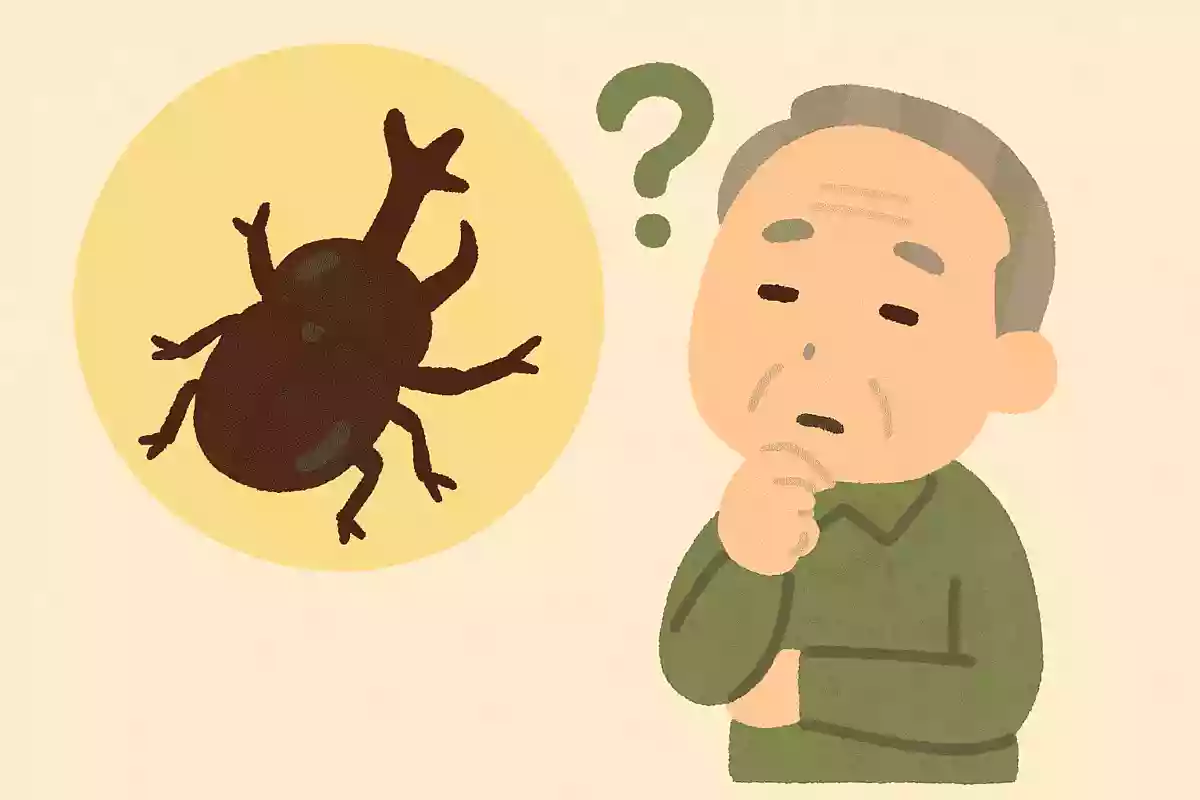
When it comes to insects that symbolize summer, many people would probably think of rhinoceros beetles and remember experimenting with different ways to catch them.
Male beetles in particular have impressive horns that symbolize strength, which is exciting for many boys.
Females don’t have horns, and males do—that’s one key difference.
But let’s think about the number of horns.
While many people picture a single large horn, rhinoceros beetles actually have two horns: one on top and one below, with the lower horn being the iconic large one.
There are also species that have more than two horns, so learning about those as well could be interesting.
What is the phenomenon where your head hurts when you eat something cold?
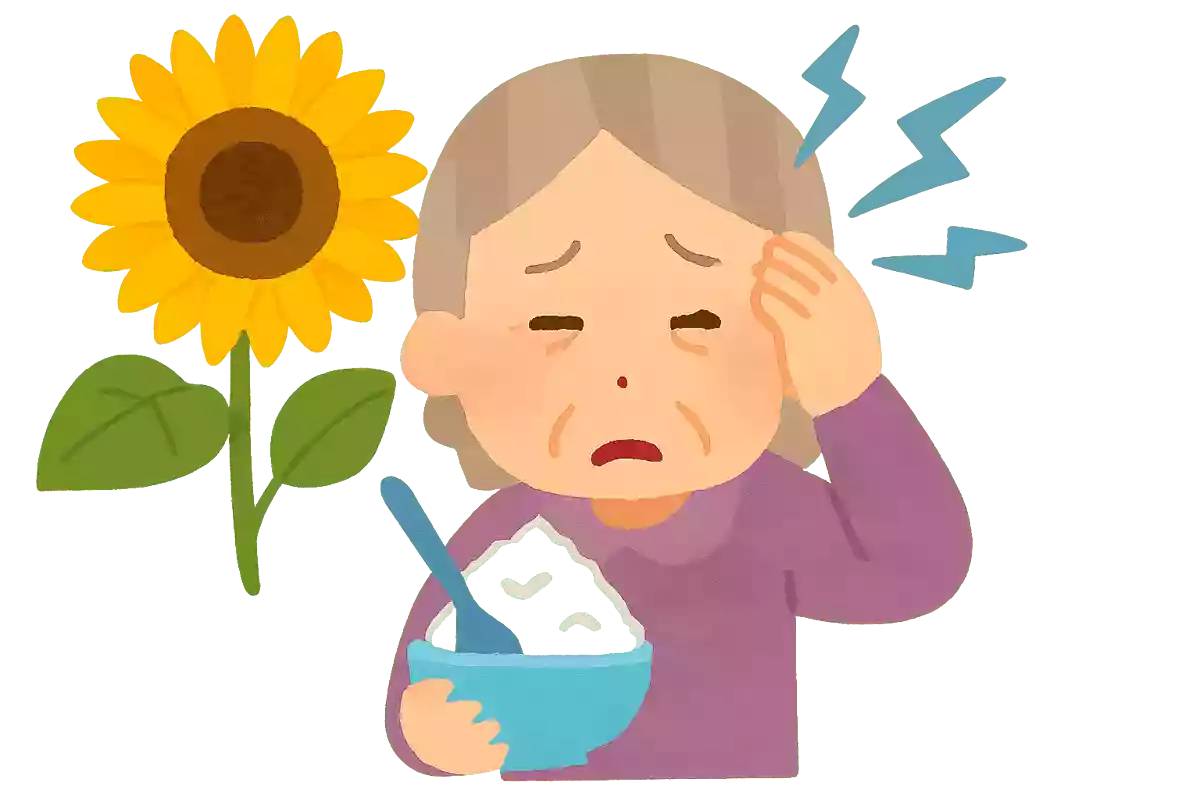
Cold foods like ice cream and shaved ice are essential for cooling down a body overheated by summer.
What’s tough, though, is the sharp headache you can get when you eat something cold.
It can make you worry that you’re coming down with something, or the pain can simply be intense—either way, it feels very negative.
Let’s learn about these headaches that occur when eating cold foods and how to prevent them.
This phenomenon is called “ice cream headache,” a name taken directly from its cause, and it’s said to occur when the nerves in the throat are stimulated or the blood vessels in the mouth are cooled.
To prevent it, take your time and eat slowly; to avoid the pain afterward, relax and savor your cold treats.