

August quizzes that seniors can enjoy!

August brings a stretch of hot days, making heatstroke a particular concern for older adults.
In senior facilities and day services, there tend to be fewer opportunities to spend time outdoors, so it can be a challenge to decide how to spend time indoors.
That’s why a recommended indoor activity is an August-themed quiz.
August features traditional festivals that can stir up excitement and fond childhood memories.
We’ve gathered many quiz questions about these quintessential sights and sounds of summer.
Please use this article as a reference for quizzes that older adults can enjoy.
- For Seniors: Lively! Trivia and Fun Facts Quiz for August
- [For Seniors] Summer-Themed Quiz: A Collection of Fun Questions to Liven Up Recreational Activities
- [For Seniors] Summer Festival Trivia Quiz & Fun Facts. Enjoyable Quizzes That Boost Your Knowledge
- [For Seniors] Summer-Themed Trivia Quiz & Fun Facts Collection
- [For Seniors] Recreations to Experience in August
- [For Seniors] Informative and Fun Obon Quiz
- [For Seniors] August Health Tips: How to Enjoy and Stay Comfortable During the Hot Summer
- Recommended for seniors! Liven up your event with a Respect-for-the-Aged Day quiz!
- [Elderly Care] Summary of Ideas and Recreational Activities Linked to August Events
- [For Seniors] Fun and Lively! Recommended Quiz Questions
- [Recreation for Seniors] Introducing Quizzes to Enjoy at Day Service Centers!
- [For Seniors] July Trivia Quiz & Fun Facts. Easy and Engaging
- [For Seniors] Tanabata Trivia Quiz: Simple and Fun
August quizzes that seniors can enjoy! (21–30)
Morning glory seeds originally came to Japan as a medicine. What kind of medicine were they?
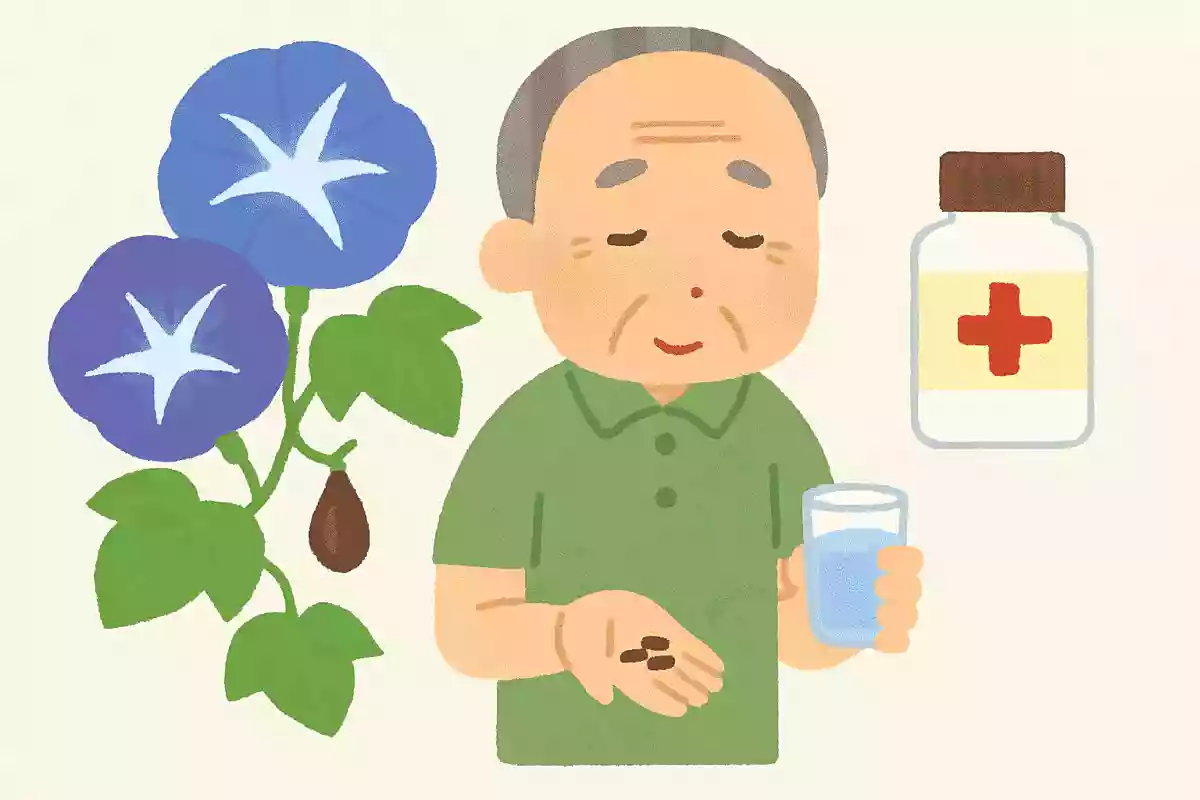
It’s not widely known, but morning glory seeds originally came to Japan as medicine.
Here’s a question: What kind of medicine were they? Hint: a remedy to regulate digestion.
In fact, morning glory seeds were used as a laxative to promote bowel movements.
This surprising fact sparks lively conversation among participants—“Really? Is that true?” Learning old wisdom broadens topics about health and the seasons, making it perfect for brain training, too.
It’s a quiz that lets you discover another side of the morning glory beyond its beautiful flowers.

Which country is the origin of Hiyashi Chuka?

Hiyashi chuka is a refreshing cold noodle dish that’s perfect for hot weather.
It’s a well-known menu item devised to help beat the heat.
So, where did this popular cold noodle dish originate? The answer is… Japan.
The name might make many people think it’s Chinese, but the truth may come as a surprise.
Remembering this when you eat hiyashi chuka might make the flavors of summer feel just a little more special.
Mosquitoes that appear in summer: Which one sucks blood, the female or the male?
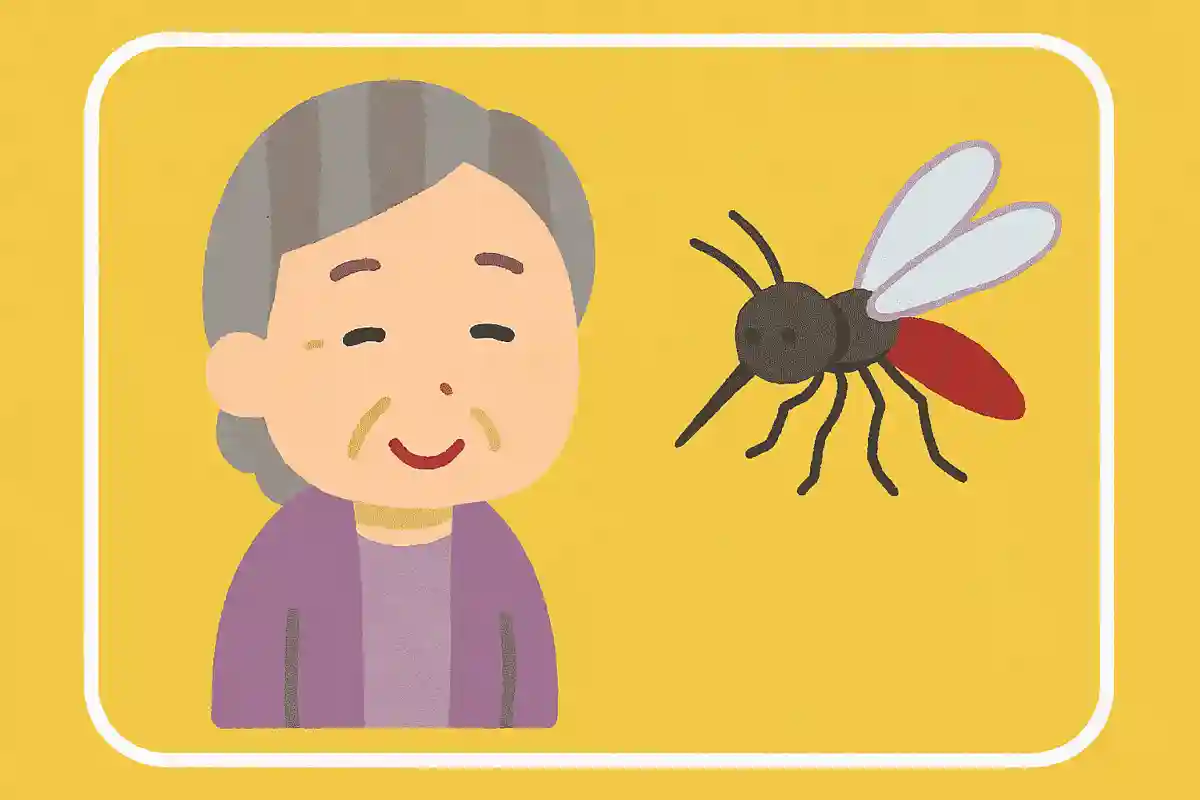
Before you know it, you sometimes get bitten by a mosquito and start to itch, right? In fact, only female mosquitoes suck blood.
The reason they do is to obtain the protein needed for laying eggs, so males don’t feed on blood.
Usually, to get energy in the form of sugars, they sip nectar from flowers or sap from plants.
Since they can’t lay eggs without blood, female mosquitoes desperately seek it to leave offspring.
Mosquitoes are a pesky presence that shows up in summer, but it turns out they have a reason for sucking blood.

Unlike modern watermelons, old watermelons lacked something. What was missing?

A quintessential symbol of summer: the watermelon.
Today, we’re all familiar with its round shape and striped pattern, but in fact, watermelons in the past were a little different—there was something they didn’t have.
What was it? “Weren’t they not red?” “Did they have more seeds?” “Weren’t they less sweet?” You can imagine all sorts of guesses.
It’s a summery question you can enjoy chatting about while you think of the answer.
So, the correct answer is… vertical stripes.
The now-standard pattern didn’t exist back then.
Even the appearance of watermelons has evolved over time.
What is the official name of the marble inside a bottle of ramune?
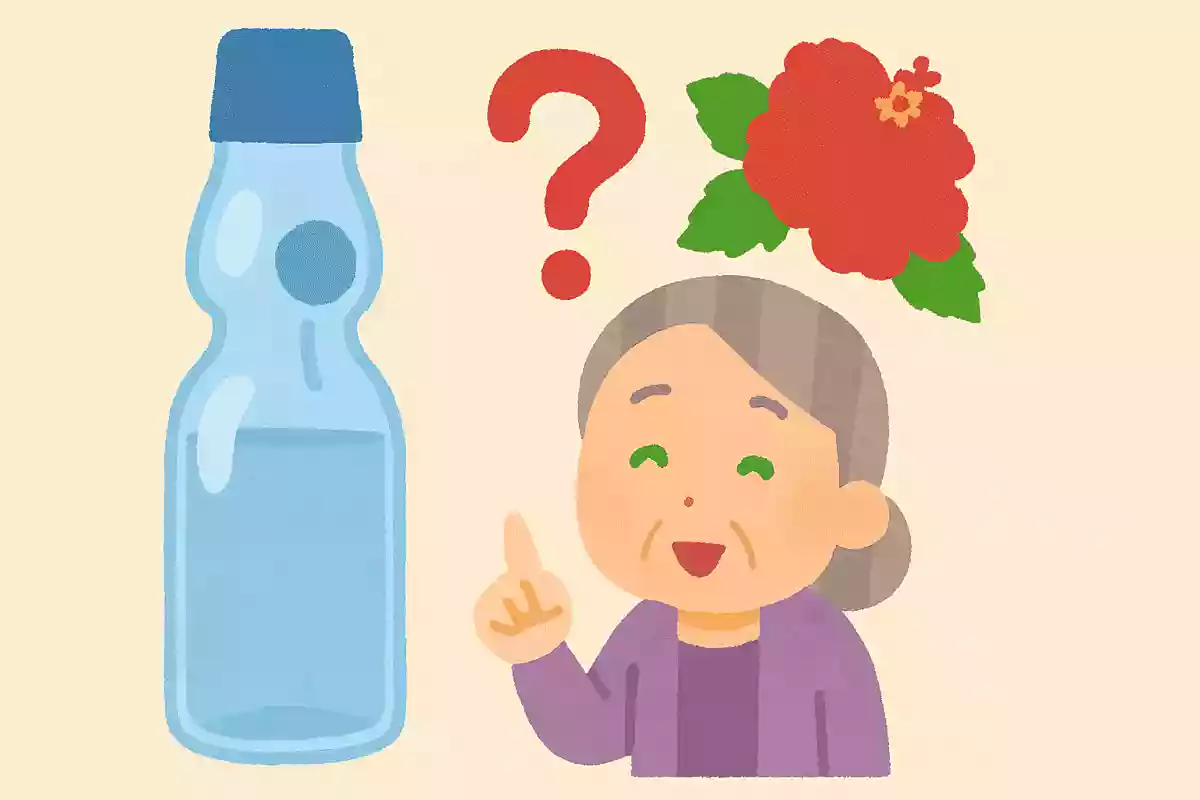
Ramune in glass bottles is a quintessential symbol of summer.
Drinking a well-chilled bottle of ramune on a hot summer day can blow the heat away.
Speaking of bottled ramune, its hallmark is the glass marble inside.
The official name of this marble is the “A-dama” (A marble).
Marbles that met the standard—specifically, those without any distortions that could be used as the bottle’s stopper—were called A-dama.
Those that didn’t meet the standard were called B-dama and became the toy marbles known as “bīdama.” Back when bottled ramune was first sold, many B-dama were produced, and shops that sold ramune would hand them out to children.
What do the phrases “Tamaya~” and “Kagiya~,” shouted when fireworks are launched, refer to?
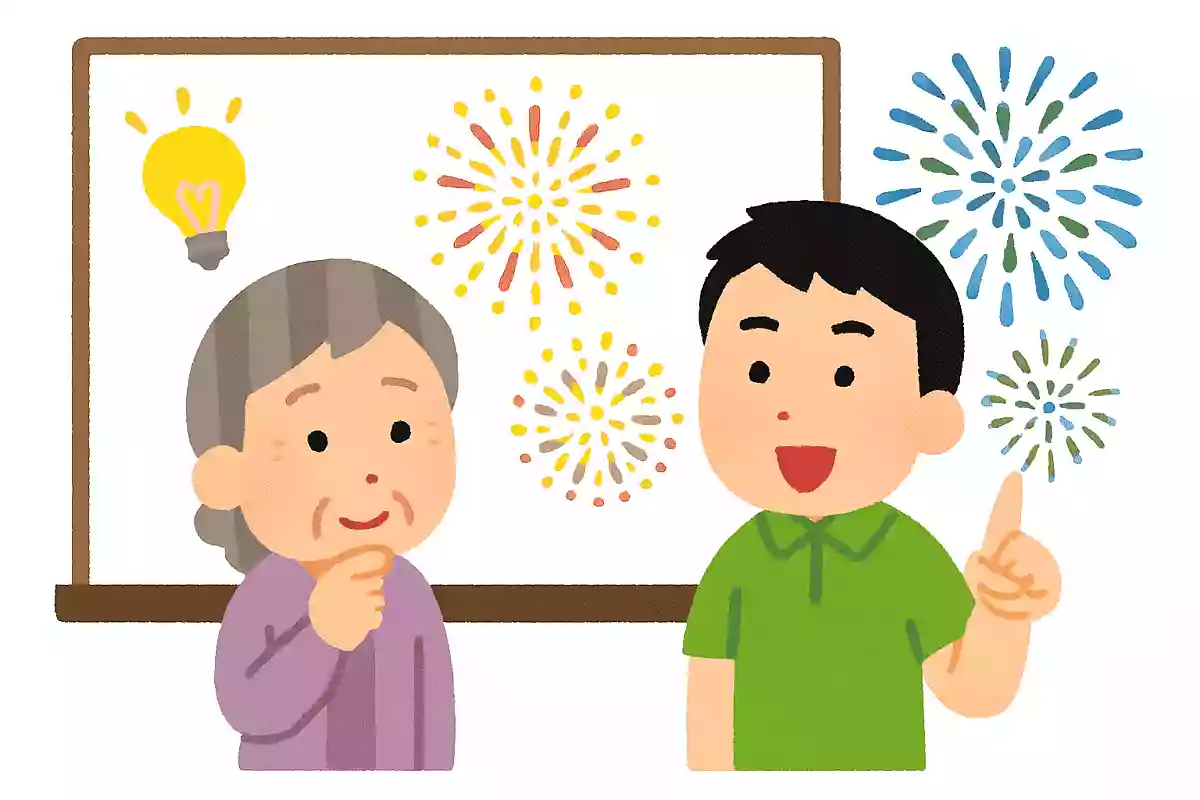
Cries of “Tamaya!” and “Kagiya!” echo across the summer night sky.
You often hear these shouts at fireworks festivals, and while they’re an old custom, do you know what they mean? In fact, they’re not just random cheers—they have a history.
In the Edo period, there were famed fireworks craftsmen whose shop names were Tamaya and Kagiya.
Spectators would call out as if to cheer and compare which shop’s fireworks were more beautiful.
In other words, they’re “the names of the shops that made the fireworks.” This custom, which remains today, is proof that the artisans’ skill and pride have been passed down.
When those calls ring out along with the boom of the fireworks, a summer night becomes all the more evocative.
Mosquitoes also suck things other than human blood. What are they?

When you think of mosquitoes, the first thing that comes to mind is probably “sucking blood.” But in fact, they drink more than just blood.
So what else do they drink? Here’s a hint: something sweet.
The answer is… flower nectar.
Mosquitoes actually sip nectar regularly to replenish their energy.
Only females drink blood, and only because they need it to develop their eggs—males drink nectar exclusively.
Learning a new side of a familiar creature can spark conversation and stimulate the brain while enjoying the feel of the season.
It’s a tidbit you’ll remember the next time you hear that buzzing sound in the summer.