

August quizzes that seniors can enjoy!

August brings a stretch of hot days, making heatstroke a particular concern for older adults.
In senior facilities and day services, there tend to be fewer opportunities to spend time outdoors, so it can be a challenge to decide how to spend time indoors.
That’s why a recommended indoor activity is an August-themed quiz.
August features traditional festivals that can stir up excitement and fond childhood memories.
We’ve gathered many quiz questions about these quintessential sights and sounds of summer.
Please use this article as a reference for quizzes that older adults can enjoy.
- For Seniors: Lively! Trivia and Fun Facts Quiz for August
- [For Seniors] Summer-Themed Quiz: A Collection of Fun Questions to Liven Up Recreational Activities
- [For Seniors] Summer Festival Trivia Quiz & Fun Facts. Enjoyable Quizzes That Boost Your Knowledge
- [For Seniors] Summer-Themed Trivia Quiz & Fun Facts Collection
- [For Seniors] Recreations to Experience in August
- [For Seniors] Informative and Fun Obon Quiz
- [For Seniors] August Health Tips: How to Enjoy and Stay Comfortable During the Hot Summer
- Recommended for seniors! Liven up your event with a Respect-for-the-Aged Day quiz!
- [Elderly Care] Summary of Ideas and Recreational Activities Linked to August Events
- [For Seniors] Fun and Lively! Recommended Quiz Questions
- [Recreation for Seniors] Introducing Quizzes to Enjoy at Day Service Centers!
- [For Seniors] July Trivia Quiz & Fun Facts. Easy and Engaging
- [For Seniors] Tanabata Trivia Quiz: Simple and Fun
August quizzes that seniors can enjoy! (31–40)
In general, what is August 13, the start of Obon, called?
While the timing and customs of Obon can vary by region, it generally begins on August 13.
What is August 13, the start of Obon, called? The answer is “Mukae-bon,” which literally means welcoming the ancestors—an easy term to understand if you think of it as a ceremony to receive and honor them.
The idea is to prepare offerings that warmly welcome your ancestors and celebrate their return.
It’s also good to know about the practice of lighting fires to guide them, called “Mukae-bi” (welcoming fires).

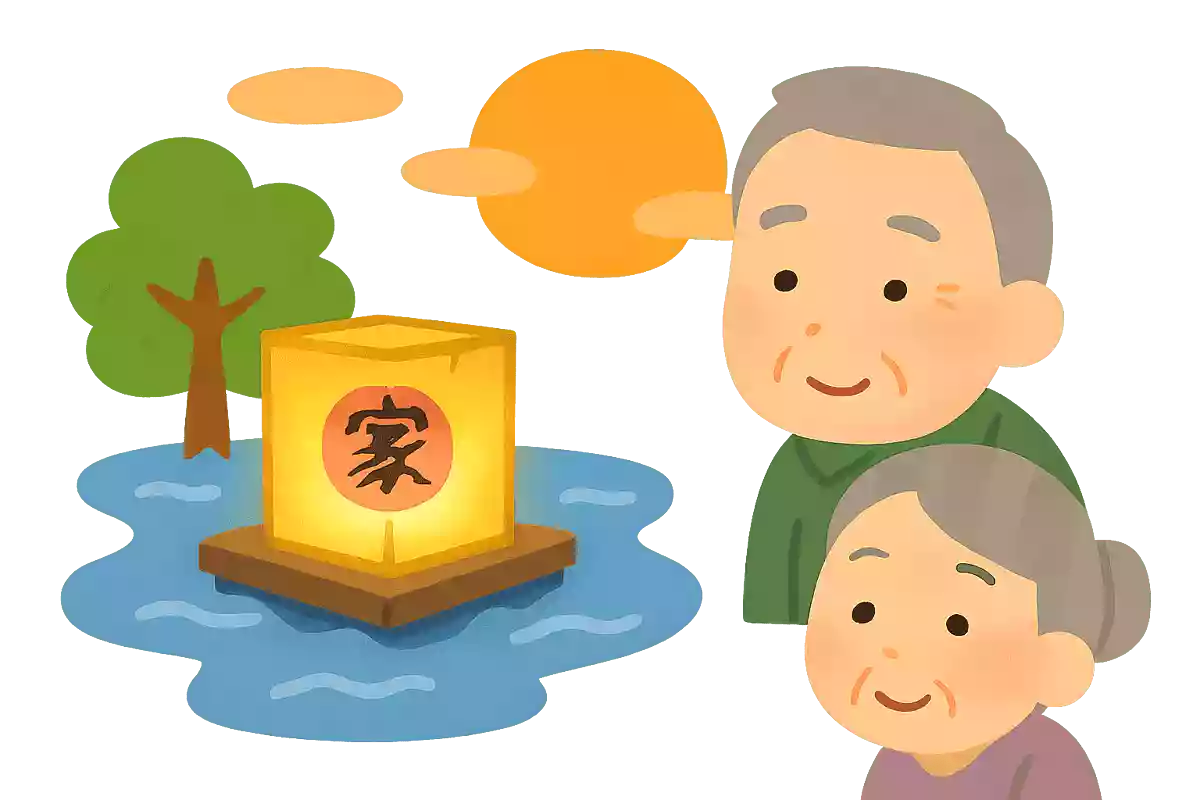
What is the name of the event, mainly held in Nagasaki and Saga prefectures, in which the spirits of ancestors and Obon offerings are placed on a boat and floated down a river?

One interesting aspect of the traditional Japanese custom of Obon is that the events vary by region.
Among these Obon events, what is the name of the ceremony, practiced mainly in Nagasaki and Saga Prefectures, in which ancestors’ spirits and Obon offerings are placed on boats and sometimes actually set adrift down a river? The answer is “Shōrō-nagashi” (Spirit Boat Procession).
Because of Masashi Sada’s hit song, it is often associated with a fleeting, melancholy image, but in reality it’s a lively event.
The boats are gorgeously decorated with family crests and lanterns, and the finale echoes with the loud crackle of firecrackers—an event that truly stirs the emotions.
If Obon arrives before the 49th day (after the passing), when will the first Obon (shinbon) be?
The period from the date of death through the forty-ninth day is called “kicho” (a time of mourning), during which one grieves for the deceased and observes mourning.
If Obon occurs before the forty-ninth day, when this mourning period ends, when is the first Obon (hatsu-bon)? The answer is: during the Obon of the following year after the person’s death.
It is customary not to hold the first-Obon memorial that same year.
If someone brings offerings thinking it is the first Obon, it is generally acceptable to receive the offerings and explain that the first Obon will be held the following year.
This is one of the points of knowledge about Obon, including how to handle such situations.
What color are the lanterns used during the first Obon (shinbon)?
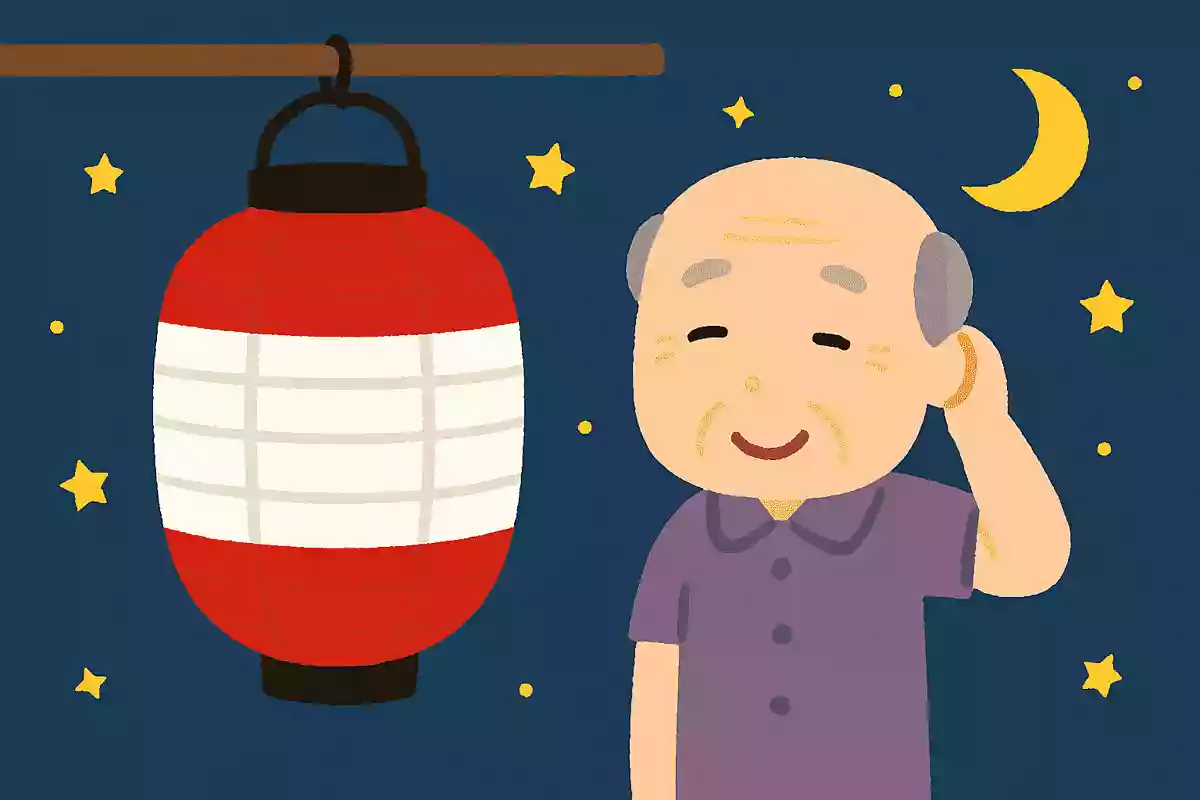
Shinbon (the first Bon) refers to the first Obon observed after a person has passed away.
More precisely, it is the first Obon that comes after the forty-ninth day memorial period has ended, and the name varies by region—such as “shinbon” or “arabon.” During the first Obon only, a white lantern called “hakumonten” is displayed.
The reason is to serve as a marker so that the spirit of the deceased, returning for the first time, does not lose its way.
Some older adults may already know this, but since it’s very informative, why not turn it into a quiz to help people feel the season?

A certain Japanese custom began because it originates from Obon. What is the custom?
There is a Japanese custom that originates from Obon.
What is this event? The answer is “Ochūgen,” a summer tradition alongside the winter “Oseibo,” in which people send gifts to those who have helped them.
Because Obon carries the meaning of honoring and giving thanks to one’s ancestors, the practice of expressing gratitude to those who have supported you during this season spread as Ochūgen.
It’s a custom that heightens a sense of joy, including the fun of thinking about what kind of gift will best convey your appreciation.
August quizzes that seniors can enjoy! (41–50)
This event, held in Kyoto every year on August 16th, involves lighting fires on the mountains in the sequence of “Daimonji,” “Myoho,” “Funagata,” “Hidari Daimonji,” and “Toriigata.” What is this event called?
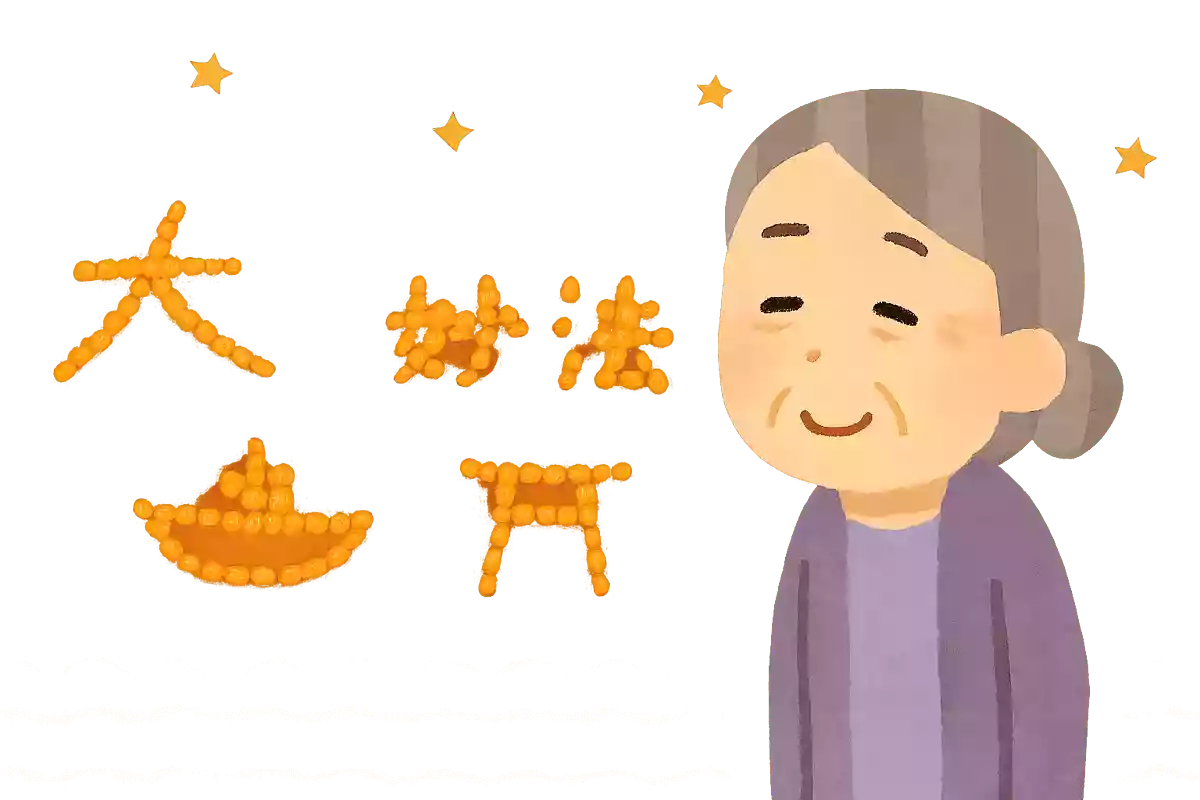
What is the name of the event in which fires are lit on the mountains in Kyoto every year on August 16, in the order of “Daimonji,” “Myōhō,” “Funagata,” “Hidari Daimonji,” and “Toriigata”? The answer is “Gozan no Okuribi.” It is a famous traditional summer event in Kyoto, held to send off the spirits of Obon.
Every year, many people visit Kyoto as tourists to see this event.
It is often broadcast on television, and the characters of fire flickering in the darkness are beautiful and feel very powerful.
It’s an Obon event that many would want to see at least once.

In conclusion
How did you like the August quizzes for seniors? We gathered quizzes related to major summer events, such as August traditions and anniversaries. There were also some unusual questions that may have made you think hard. Please enjoy working together to figure out the answers.