

August quizzes that seniors can enjoy!

August brings a stretch of hot days, making heatstroke a particular concern for older adults.
In senior facilities and day services, there tend to be fewer opportunities to spend time outdoors, so it can be a challenge to decide how to spend time indoors.
That’s why a recommended indoor activity is an August-themed quiz.
August features traditional festivals that can stir up excitement and fond childhood memories.
We’ve gathered many quiz questions about these quintessential sights and sounds of summer.
Please use this article as a reference for quizzes that older adults can enjoy.
- For Seniors: Lively! Trivia and Fun Facts Quiz for August
- [For Seniors] Summer-Themed Quiz: A Collection of Fun Questions to Liven Up Recreational Activities
- [For Seniors] Summer Festival Trivia Quiz & Fun Facts. Enjoyable Quizzes That Boost Your Knowledge
- [For Seniors] Summer-Themed Trivia Quiz & Fun Facts Collection
- [For Seniors] Recreations to Experience in August
- [For Seniors] Informative and Fun Obon Quiz
- [For Seniors] August Health Tips: How to Enjoy and Stay Comfortable During the Hot Summer
- Recommended for seniors! Liven up your event with a Respect-for-the-Aged Day quiz!
- [Elderly Care] Summary of Ideas and Recreational Activities Linked to August Events
- [For Seniors] Fun and Lively! Recommended Quiz Questions
- [Recreation for Seniors] Introducing Quizzes to Enjoy at Day Service Centers!
- [For Seniors] July Trivia Quiz & Fun Facts. Easy and Engaging
- [For Seniors] Tanabata Trivia Quiz: Simple and Fun
August quizzes that seniors can enjoy! (11–20)
Which prefecture in Japan produces the most uchiwa (traditional handheld fans)?

To stay comfortable during the hot summer, creating a cool breeze with a folding fan or a handheld fan (uchiwa) is a familiar sight, isn’t it? How about deepening your knowledge about uchiwa, which we use so naturally? As a traditional craft, uchiwa are made in various regions, but the one said to have the highest production is the “Marugame Uchiwa” from Kagawa Prefecture.
Designated as a traditional craft by the Minister of Economy, Trade and Industry, it reportedly accounts for 90% of the nation’s uchiwa production.
It might be interesting to look into the differences among regional uchiwa and their histories, too.

What is done during the event called “mushi-okuri,” which is held in rural areas in the summer?
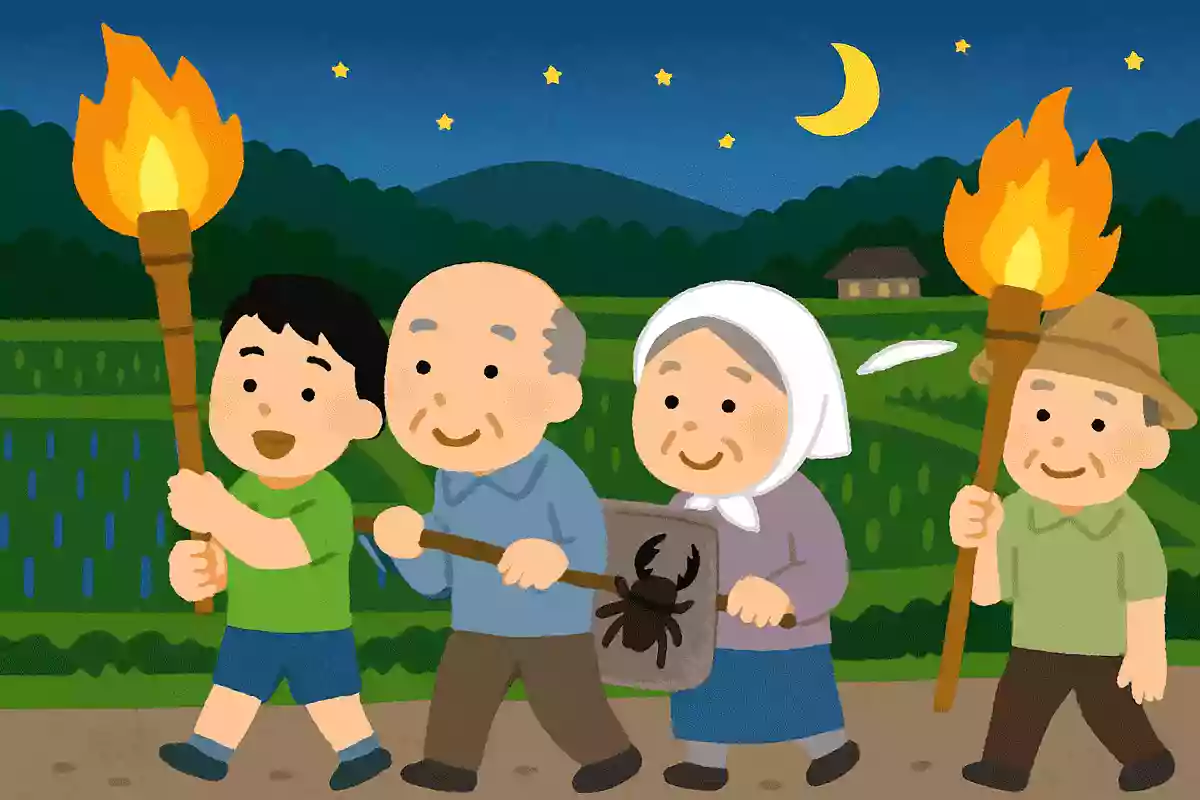
Mushi-okuri was a traditional event held throughout Japan during the Edo period.
Many people may recognize it as a ritual involving insects carried out in rural areas.
Mushi-okuri is a ceremony for driving away harmful pests.
However, it’s said that the number of mushi-okuri events has declined in recent years.
In the Edo period, when pesticides were not yet in use, crop damage from insects was believed to be caused by vengeful spirits.
For that reason, in some regions during mushi-okuri they would tie pests to straw dolls representing evil spirits and float them down a river.
Generally, the common style involves lighting torches at night, forming a procession while beating drums, and parading through the area.

Food and Farming Quiz: Summer Vegetables Edition

Let’s try a summer vegetable food-and-agriculture quiz! It’s a true-or-false quiz, so it’s easy for seniors to answer as well.
You might discover lots of things you didn’t know, like how tomatoes contain different nutrients depending on their color, or that green peppers have more vitamins than many fruits.
This quiz also includes trivia about summer vegetables along with health-related explanations, making it perfect for the season.
In the hot summer, boost your knowledge of summer veggies and enjoy eating them deliciously!

What is considered the proper way to extinguish candles at graves or on household Buddhist altars?
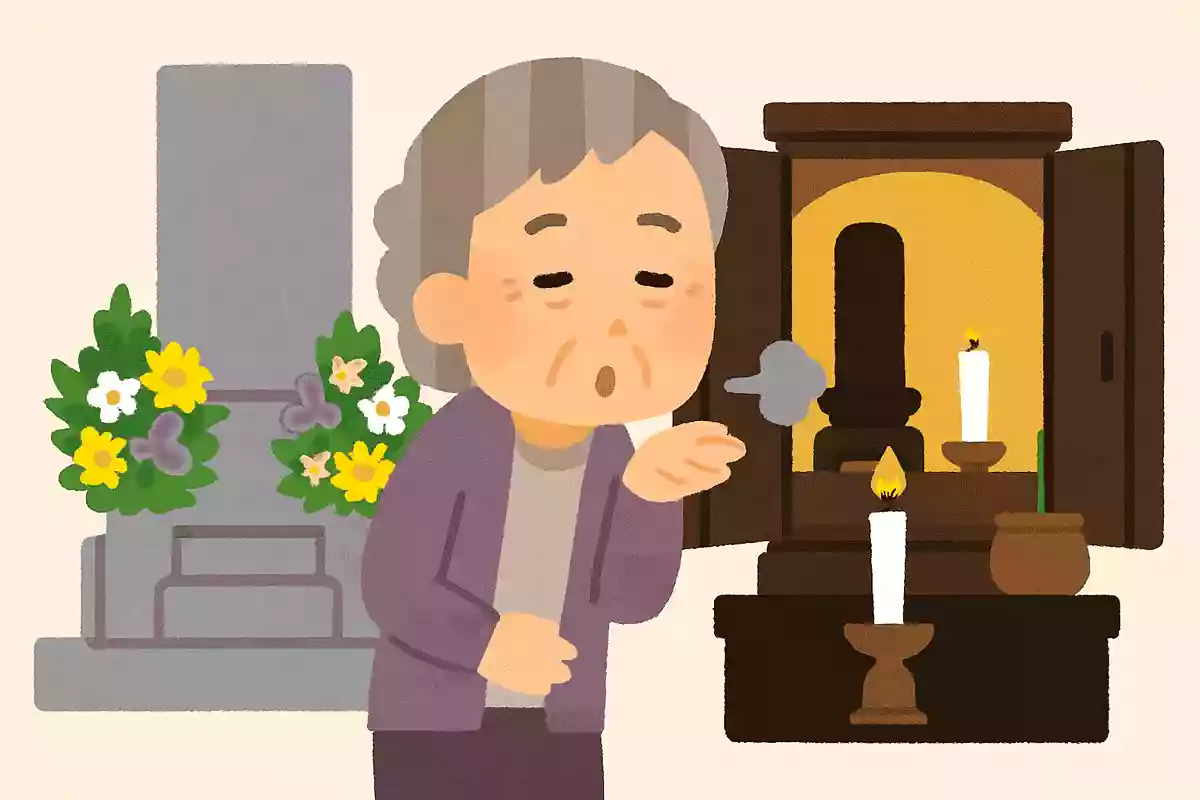
During Obon, when we welcome our ancestors, it’s common to light candles and incense at graves and household altars.
So how is it considered proper to extinguish those candles offered at graves or altars? The answer is “fan them out with your hand.” It’s considered inappropriate to blow on the sacred flame with one’s breath, which is regarded as impure.
Fanning by hand is the standard for balancing etiquette and convenience, but using a tool is also acceptable.
Since Obon is a time when we more often face graves and household altars, why not take this opportunity to reflect on the manners we should avoid?
August Quiz

How about spending your summer indoor time giving your brain a workout with quizzes? Here’s a collection of quizzes themed around August.
It’s packed with questions about flowers, foods, and events related to August that older adults can enjoy! Quizzes are great because anyone can take part, and you can have fun while seated.
You can enjoy the quizzes we’ve introduced, or it might be fun to create your own original set of questions.
Let’s enjoy quizzes while feeling the season of summer and deepen our knowledge of August.

Heatstroke Quiz

July is a month when the heat often becomes a hot topic.
On scorching days, we all want to be careful about heatstroke.
You’re probably already mindful of heatstroke in older adults, too.
As we age, it seems we can become less sensitive to heat.
With that in mind, we’d like to introduce a heatstroke quiz.
We’ve made it a quiz format to help older adults stay aware of heatstroke.
Through the quiz, you can learn things about heatstroke you may not have known.
It might even be an enjoyable way for older adults to gain new knowledge.
Plus, coming up with quiz questions could help stimulate the brain as well.
August quizzes that seniors can enjoy! (21–30)
Ice cream was originally served as a kind of medicine. What was the medicine for?

On hot summer days, you really feel like eating ice cream, don’t you? Many people think of ice cream as a dessert, but it actually wasn’t originally one.
In ancient Greece and Rome, it was reportedly eaten by soldiers for recovery from fatigue and as a health food.
Back then, people would pour honey or fruit syrups over natural ice or snow and eat it.
It seems that ice cream began to be eaten as a dessert like it is today around the 16th to 17th centuries, and it is said to have been introduced to Japan from the late Edo to the Meiji period.