

A collection of trivia and fun facts about August that will warm your heart

August is packed with events like fireworks displays, Obon, and beach trips! Still, many of us might feel it’s just too hot to go outside.
In times like that, why not learn something new in the comfort of a cool room? In this article, we’ll share trivia and fun facts about August.
From seasonal events and flavors to various perspectives, we’ve gathered topics that make the sweltering month of August a bit more interesting.
Be sure to check them out and enjoy August in a whole new way!
- Trivia you think you know but surprisingly don’t? August trivia and fun facts quiz!
- Fireworks Trivia & Fun Facts Summary
- A collection of trivia and fun facts about September as we await autumn
- Trivia & fun facts about June
- Make weather forecasts more fun! Trivia and fun facts about the weather
- Fun facts you’ll want to share! A roundup of October trivia and tidbits
- A quiz of fun trivia: bite-sized knowledge that leads to new insights.
- Collection of trivia and fun facts about stars shining in the night sky
- [For Kids] November Trivia Quiz & Fun Facts: Let’s Learn While Having Fun!
- So interesting you’ll want to tell someone! December Trivia & Fun Facts Special
- A collection of trivia and fun facts about August that will warm your heart
- February trivia quizzes that elementary school kids will love. Get excited with fun facts about commemorative days.
- Didn't want to know?! Fascinating and scary trivia & fun facts
Trivia & fun facts about August that warm the heart (1–10)
Somen originated in Nara Prefecture.
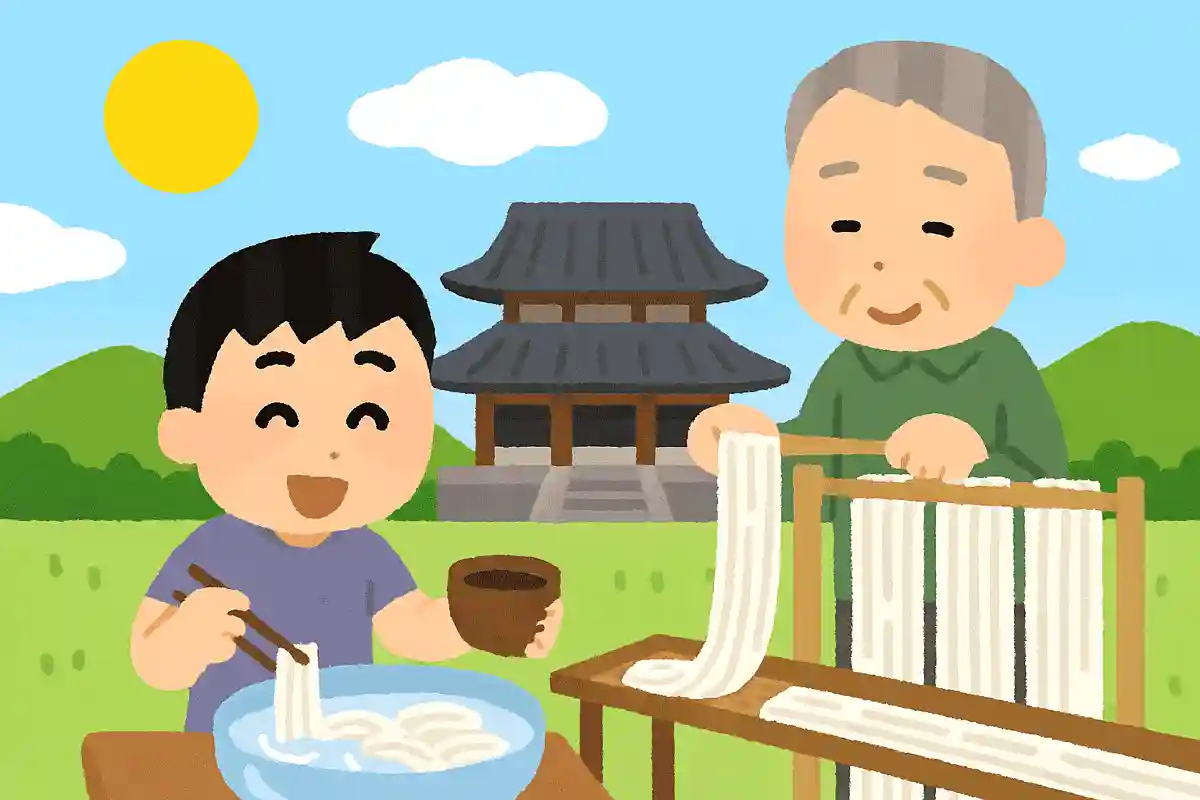
Slippery, smooth somen noodles are something we often eat during the hot summer, aren’t they? In fact, somen originated in Nara Prefecture.
Records show that somen was being made more than 1,200 years ago around Ōmiwa Shrine at the foot of Mount Miwa in Nara.
It’s said to have been created after receiving divine revelation in response to prayers offered for people suffering from illness and famine.
Nurtured by abundant nature and pure water, somen gradually spread across Japan over the centuries and has become a food that brings cool refreshment to the Japanese summer.
In addition to Miwa Somen, born in Nara, it might be fun to trace the roots of other regional varieties of somen as well.

Coral turns white when it suffers from summer fatigue.

Do you know why corals with colorful pigments like pink and red turn white? Believe it or not, when corals become exhausted in summer, they turn white in a phenomenon called bleaching.
Corals get their pigments from symbiotic zooxanthellae that perform photosynthesis.
When seawater temperatures rise and corals experience stress, the zooxanthellae leave their tissues, causing bleaching.
Bleached corals become weakened from lack of nutrients, so they need to live in seas with water temperatures of 26–28°C.
Because ocean warming due to global climate change and marine pollution are contributing factors, methods and measures to stop coral bleaching are being debated around the world.
Bon Odori began in the Heian period.
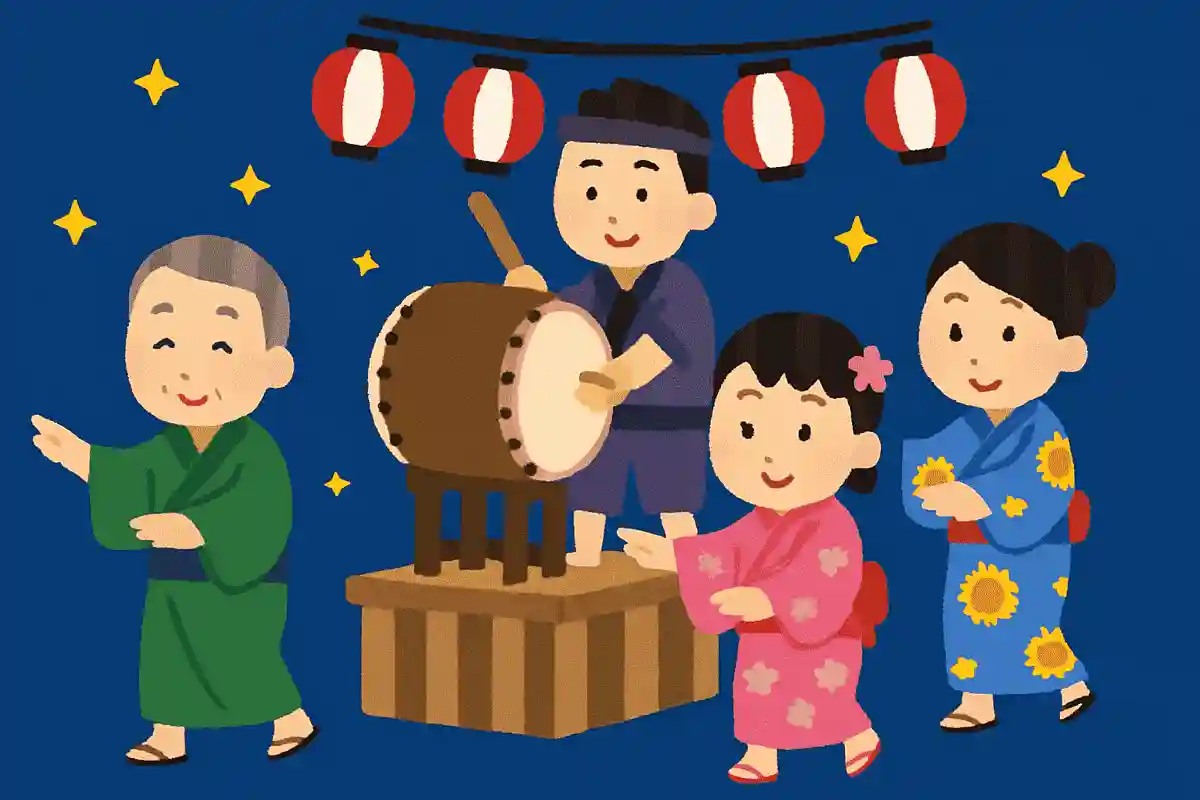
Bon Odori, one of the indispensable events at summer festivals across Japan, is a dance performed to send off the spirits of ancestors and the dead who return to this world during Obon.
It is said to have begun in the Heian period.
At that time, a certain monk came up with the idea of chanting Buddhist prayers while dancing so people could memorize them.
This spread as “nenbutsu odori” or “odori nenbutsu,” and, as it became linked with Obon observances, it came to be known and loved as “Bon Odori.” However, there are various theories about the origins of Bon Odori, and this episode is just one of them.
If you’re interested, why not look into other theories as well?

Trivia & Fun Facts About August That Warm the Heart (11–20)
Shaved ice has been eaten since the Heian period.
Shaved ice is a treat you crave in the hot summer.
It’s a classic dessert where finely shaved, ice-cold ice is topped with sweet syrup, but its roots go back to the Heian period.
Aristocrats of that era stored ice cut in winter in icehouses and shaved it to eat in summer.
Back then, instead of syrup like we use today, they poured a sweet liquid made from a plant called amakazura over the ice.
Knowing the history of shaved ice might make this quintessential summer delight taste even better.
The shouts of “Tamaya” and “Kagiya” heard during fireworks displays are the names of the shops that used to make the fireworks.
A fireworks festival coloring the summer night sky.
Have you ever heard the shouts of “Tamaya!” and “Kagiya!” that ring out whenever people look up? These phrases aren’t just cheers—they hide a deep history.
In fact, “Tamaya” and “Kagiya” trace back to the names of fireworks shops from the Edo period.
Fireworks launched by two houses—the original Kagiya and its spin-off Tamaya—were admired, and people would call out the name of the shop whose technique and beauty they felt was superior.
Shouting the trade names of Edo-era pyrotechnicians toward the night sky remains one of Japan’s traditional customs to this day.
In Spain, the Tomato Festival is held on the last Wednesday of August every year.
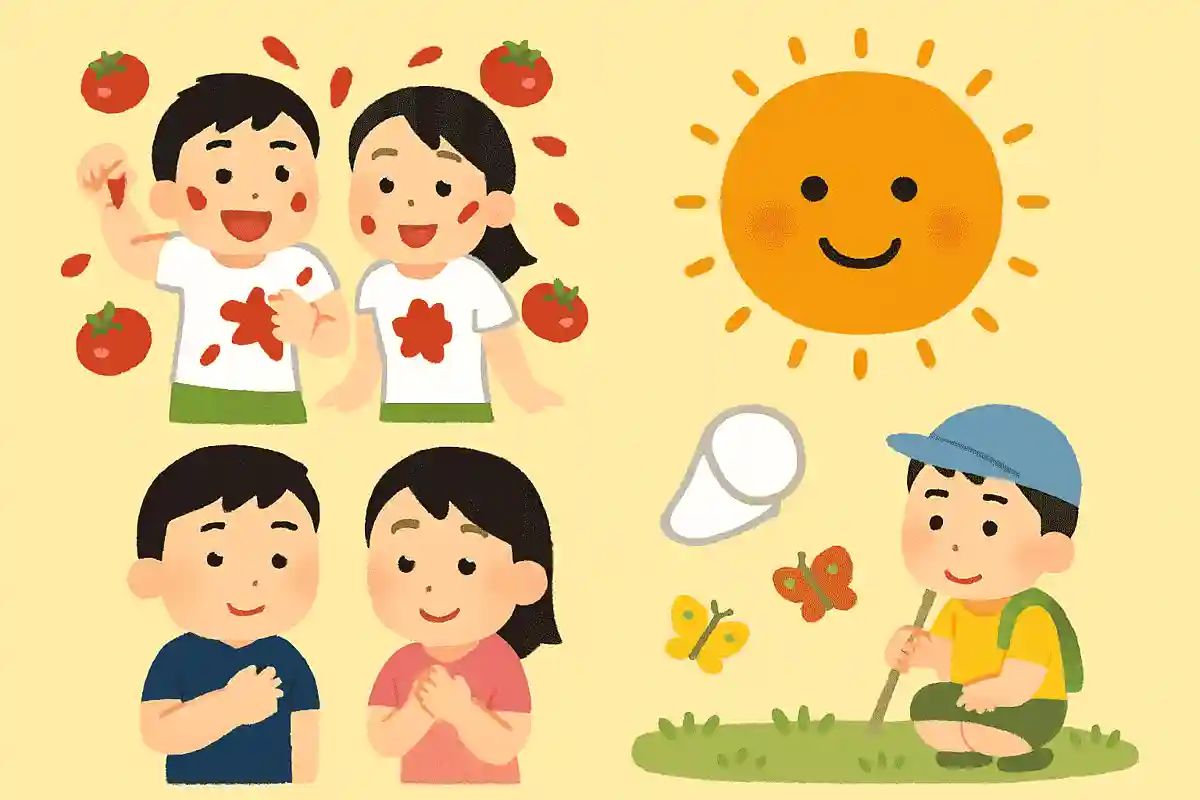
Do you know the festival where people throw bright red tomatoes at each other? In the town of Buñol in Spain’s Valencia region, a unique festival called La Tomatina is held on the last Wednesday of August every year.
It’s striking to see more people than the town’s population gather from around the world to throw ripe tomatoes.
The entire town gets covered in tomatoes, turning it into what looks like a red sea.
There are rules, such as crushing the tomatoes before throwing them and not tearing people’s clothes, and it is enjoyed as a global event that attracts thousands of participants every year.
The Gozan Okuribi bonfires are held even during typhoons.
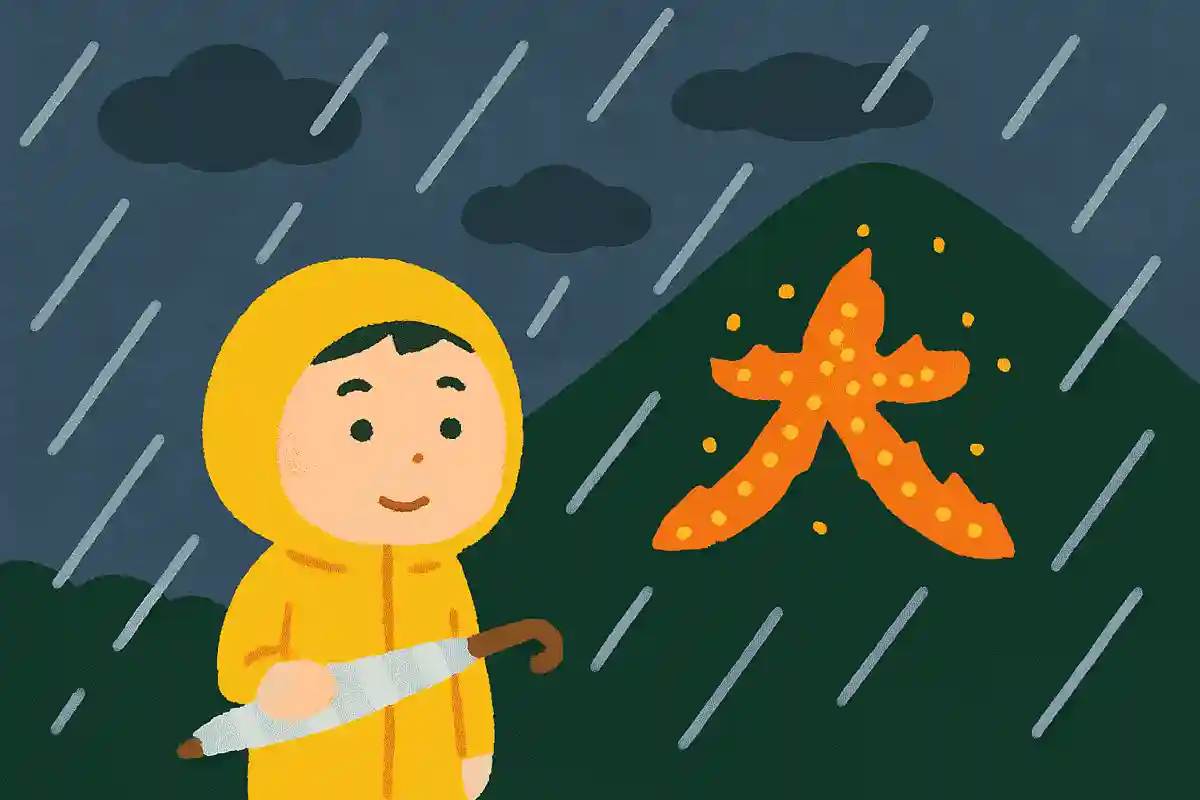
Gozan no Okuribi, held as a hallmark of Kyoto’s summer, takes place every year on August 16 and carries the meaning of sending off the ancestors who were welcomed during Obon.
It is one of Kyoto’s four major annual events and has not been canceled for over 50 years, even in years with heavy rain or typhoons.
The ritual to send off ancestral spirits proceeds even if a typhoon approaches.
However, in some years it has been conducted with safety measures in place—such as prohibiting entry to the Kamo River’s riverbank when there was a risk of flooding.
This traditional Japanese event is beloved for the large bonfire characters that light up the night sky on the five mountains.