

A collection of trivia and fun facts about August that will warm your heart

August is packed with events like fireworks displays, Obon, and beach trips! Still, many of us might feel it’s just too hot to go outside.
In times like that, why not learn something new in the comfort of a cool room? In this article, we’ll share trivia and fun facts about August.
From seasonal events and flavors to various perspectives, we’ve gathered topics that make the sweltering month of August a bit more interesting.
Be sure to check them out and enjoy August in a whole new way!
- Trivia you think you know but surprisingly don’t? August trivia and fun facts quiz!
- Fireworks Trivia & Fun Facts Summary
- A collection of trivia and fun facts about September as we await autumn
- Trivia & fun facts about June
- Make weather forecasts more fun! Trivia and fun facts about the weather
- Fun facts you’ll want to share! A roundup of October trivia and tidbits
- A quiz of fun trivia: bite-sized knowledge that leads to new insights.
- Collection of trivia and fun facts about stars shining in the night sky
- [For Kids] November Trivia Quiz & Fun Facts: Let’s Learn While Having Fun!
- So interesting you’ll want to tell someone! December Trivia & Fun Facts Special
- A collection of trivia and fun facts about August that will warm your heart
- February trivia quizzes that elementary school kids will love. Get excited with fun facts about commemorative days.
- Didn't want to know?! Fascinating and scary trivia & fun facts
Trivia & Fun Facts About August That Warm the Heart (11–20)
The English word for August, “August,” comes from the name of a Roman emperor.

Some months derive their names from gods or people.
The English word for August comes from the name of a Roman emperor.
In ancient Rome, August was called “Sextilis,” meaning “the sixth month.” When Augustus reformed the calendar, he gave his own name to this month, leading to the current name.
It also helps to remember that in ancient Roman times, the year had ten months rather than twelve, so August was counted as the sixth month.

The temperature of lightning is hotter than the surface of the Sun.
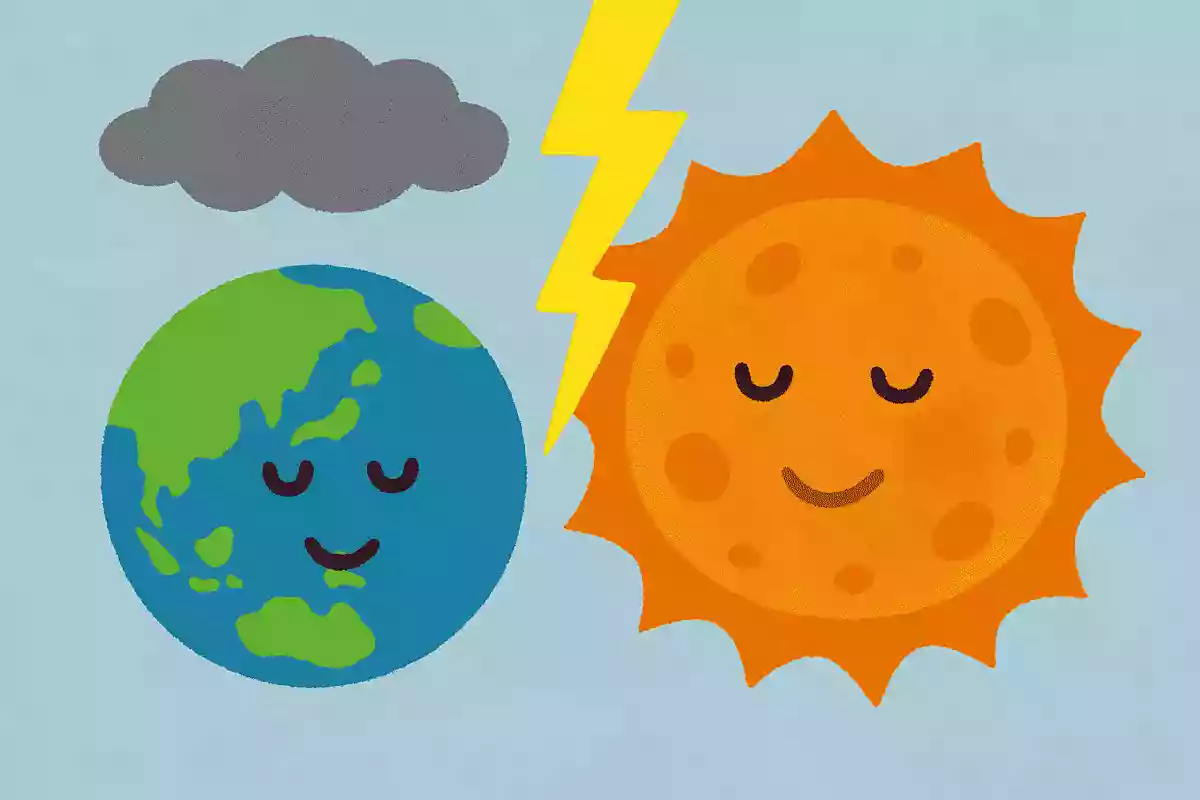
We tend to think of the sun as something unreachable out in space, and lightning as something we might encounter in everyday life—separate things that are far apart.
Surprisingly, though we rarely compare them side by side, it’s said that lightning can be hotter than the sun’s surface.
The sun’s surface temperature is about 6,000°C, while lightning is reported to reach roughly five times that—around 30,000°C.
Unlike the ever-burning sun, lightning is a brief phenomenon, but the fact that it can bring heat more intense than the sun’s surface is truly frightening.

In conclusion
We’ve shared a variety of trivia and fun facts about August—what did you think? Some of them may have surprised you, and there might have been topics you’d misunderstood until now. Be sure to show off your newly acquired knowledge when you get together with family or friends during Obon and other occasions, and have fun together!