


August is packed with events like fireworks displays, Obon, and beach trips! Still, many of us might feel it’s just too hot to go outside.
In times like that, why not learn something new in the comfort of a cool room? In this article, we’ll share trivia and fun facts about August.
From seasonal events and flavors to various perspectives, we’ve gathered topics that make the sweltering month of August a bit more interesting.
Be sure to check them out and enjoy August in a whole new way!
- Trivia you think you know but surprisingly don’t? August trivia and fun facts quiz!
- Fireworks Trivia & Fun Facts Summary
- A collection of trivia and fun facts about September as we await autumn
- Trivia & fun facts about June
- Make weather forecasts more fun! Trivia and fun facts about the weather
- Fun facts you’ll want to share! A roundup of October trivia and tidbits
- A quiz of fun trivia: bite-sized knowledge that leads to new insights.
- Collection of trivia and fun facts about stars shining in the night sky
- [For Kids] November Trivia Quiz & Fun Facts: Let’s Learn While Having Fun!
- So interesting you’ll want to tell someone! December Trivia & Fun Facts Special
- A collection of trivia and fun facts about August that will warm your heart
- February trivia quizzes that elementary school kids will love. Get excited with fun facts about commemorative days.
- Didn't want to know?! Fascinating and scary trivia & fun facts
Trivia & fun facts about August that warm the heart (1–10)
A single sunflower contains 1,500 to 3,000 seeds.
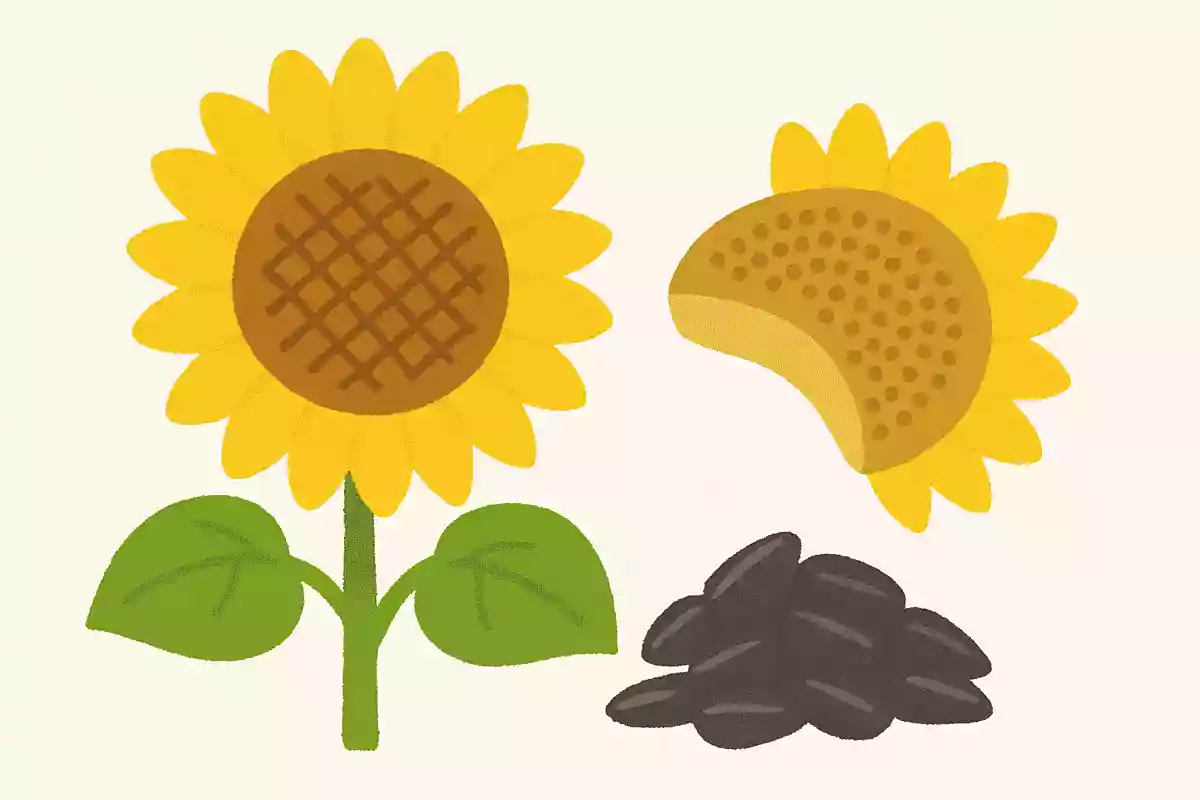
In the center of the sunflower—a flower that shines under the summer sun like the sun itself—there’s a dense cluster of brown seeds.
Do you know how many there are in total? Amazingly, a single bloom can have between 1,500 and 3,000 seeds! The larger the flower, the more seeds it tends to have.
By the way, sunflower seeds—famously munched on in the dugout by MLB star Shohei Ohtani—are rich in nutrients such as folate and vitamin E.
However, they’re also high in fat, so be careful not to overeat them.

Wind chimes were originally displayed as a charm to ward off evil.
Wind chimes that gently ring “chirin-chirin” soothe the summer heat with their cool, delicate tones.
An essential part of Japan’s summer scenery today, wind chimes were originally hung as talismans to ward off evil.
Their predecessor, the “fūtaku,” used for divination in China, dates back more than 2,000 years.
The fūtaku was introduced to Japan during the Nara period, when people believed that strong winds carried epidemics and malevolent spirits.
Aristocrats began hanging them from temple eaves, and they spread as wind chimes whose tones dispelled misfortune.
The sound of cicadas can’t be heard by the person on the other end of the phone.

When you hear cicadas chirping, many of you probably think, “Now summer is really here!” While it definitely sets a summery mood, some people might worry that if they talk outside on their smartphone, the cicadas’ noise will carry over the call and bother the other person.
In fact, though, smartphone calls are designed to capture only audio in the 300 Hz to 3,500 Hz range, so the roughly 4,000 Hz sound of cicadas isn’t picked up.
Surprisingly, the other person can’t hear the cicadas and your voice comes through just fine.
That said, the cicadas can still make it hard for you to hear the other person, so talking on the phone near chirping cicadas is still difficult…

Eating watermelon seeds won’t give you appendicitis.
Many people may have heard as children that eating watermelon seeds causes appendicitis.
To cut to the chase, there is no scientific basis for this claim.
One reason such a myth arose is that the cause of appendicitis was not clearly understood in the past.
Watermelon seeds either pass through the body undigested or, if they are digested, contain no components that harm the body.
In fact, watermelon seeds are rich in healthful nutrients such as minerals, vitamins, and folate.

The lunar August is called “Hazuki” because it’s the time when leaves fall.
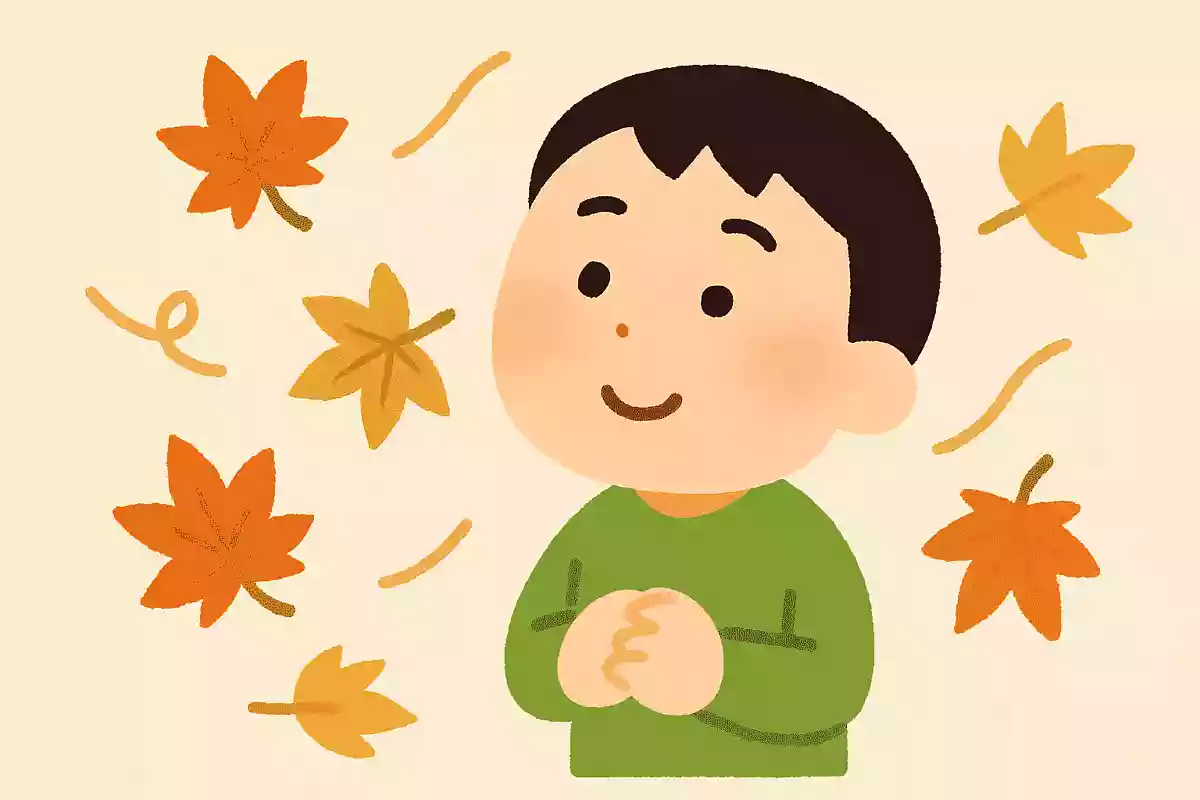
In the old lunar calendar, August is called Hazuki.
The reason is that summer ends and the leaves on the trees begin to fall.
In the lunar calendar, the eighth month corresponds to the period from today’s September to October.
In recent years, rising temperatures have delayed the autumn foliage almost every year, but it used to coincide with the time when leaves began to change color and fall as winter approached, which is why it was given this name.
By the way, in addition to Hazuki, August also has many other poetic names such as Akikazetsuki (“month of autumn winds”) and Tsubame Sarizuki (“month when swallows depart”).
If you’re curious, please look them up!
Obon is a festival that originated in India.
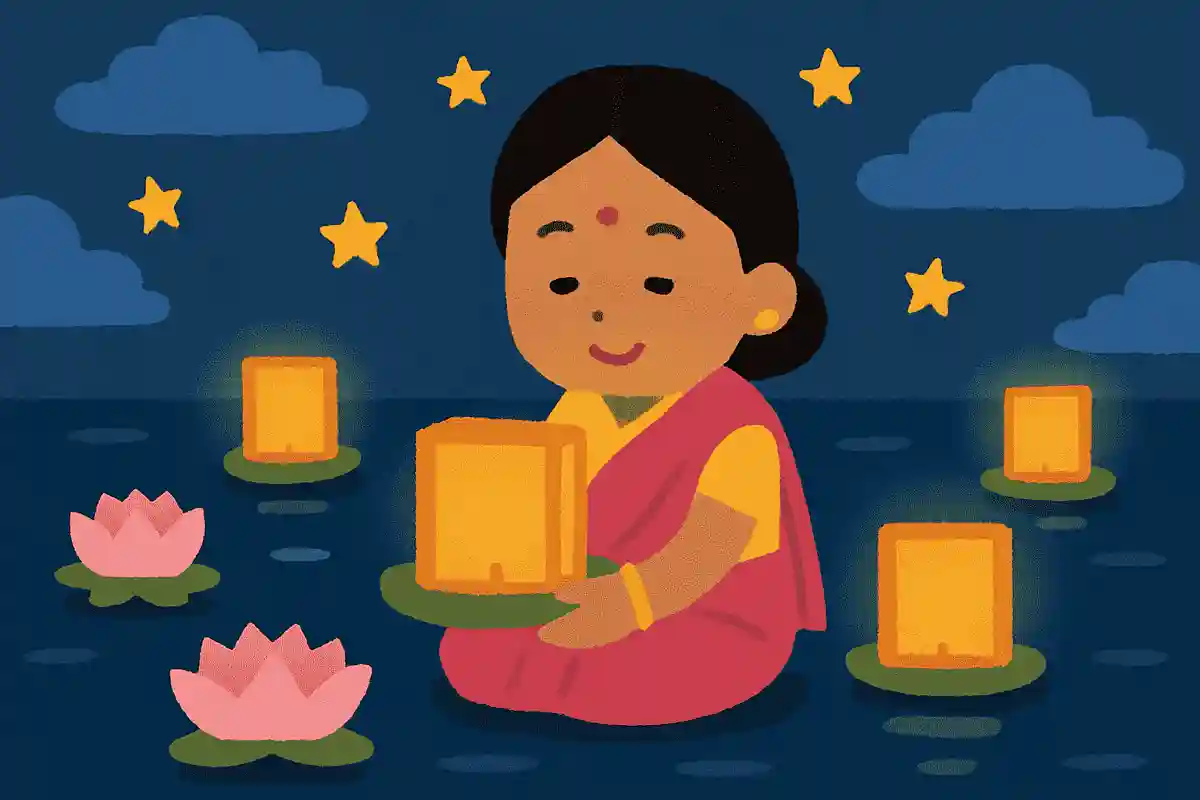
Obon is a festival known as a Japanese summer custom to welcome the spirits of one’s ancestors.
In fact, it is said that the origin of Obon lies in India.
In India, there was a Buddhist ritual called Ullambana, held to save the spirits of suffering ancestors.
One theory holds that this ritual was transmitted to Japan via China and transformed into Obon.
By learning about the roots of the faith that honors ancestral spirits and expresses gratitude to them, people may develop greater interest in the festival.
As a religious event based on ancestor veneration—belief in the connection from ancestors to descendants—it is cherished in countries such as India, Japan, and Hong Kong.
August 11 is Mountain Day.

August 11 is Mountain Day.
It’s a relatively new national holiday established in 2014 and enacted in 2016.
Reasons for choosing August 11 include: “It’s close to the Obon holidays, making it easier for many people to take time off,” and “It’s odd to have a Marine Day but no Mountain Day.” Some might think, “Can a holiday really be created for reasons like that?” While it wasn’t established due to any particular event, it is now observed as a day to give thanks for the blessings of the mountains, with hiking and other mountain-related events held across the country.