

Recommended classical masterpieces for autumn


Introducing recommended classical masterpieces that evoke the feeling of autumn!
There are many works in classical music that take the four seasons as their theme.
This time, we’ve picked pieces ranging from those that explicitly focus on “autumn” to those that simply evoke an autumnal mood.
From darker tones to brighter ones, we’ve selected a variety of styles, so you’re sure to find a piece that matches your preferred atmosphere!
We’re also sharing episodes and fun little facts, so if you love classical music, be sure to read to the end!
- [Masterpiece Classics] A special showcase of gem-like masterpieces so beautiful they’ll move you to tears
- [Autumn Songs] Songs of autumn. Classic tracks and popular favorites you’ll want to listen to in the fall.
- A poignant classic masterpiece. Recommended classical music.
- [Violin] A curated selection of beloved classic masterpieces and popular pieces that continue to be cherished across eras
- Autumn for the Arts: Treasured Piano Pieces | Enjoy Classical Music by Listening and Playing
- Classical Masterpieces: Recommended Works You Should Hear at Least Once
- Cool classical masterpieces. Recommended classical music.
- Popular classical piano pieces. A collection of masterful performances by Japanese pianists.
- [Orchestra] Introducing famous and popular pieces
- Cello Masterpieces: A comprehensive introduction to exquisite classical works that let you savor its profound timbre
- Mendelssohn’s Masterpieces | Popular Classical Music
- Disney classics to enjoy in a classical arrangement: recommended popular songs
- Today's Classics: Recommended classical music and great performances to listen to today
Classic masterpieces recommended for autumn (51–60)
Dreaming (Träumerei) from Scenes from ChildhoodRobert Schumann

Speaking of Robert Schumann, he is a composer who represents the so-called German Romantic school and left numerous works across a wide range of genres.
Among Schumann’s works, his songs and piano pieces are especially highly regarded, and Scenes from Childhood, which we are introducing here, is one of them.
Of the collection’s thirteen pieces, the most famous is the seventh, Träumerei.
Many people seem to remember hearing this piece played after school in elementary school.
As its title suggests, it is a beautiful work with a dreamy atmosphere that brings a sense of calm.
According to Schumann himself, this piece is “a work for adults depicting a child’s world.” Why not let its nostalgic melody be your background music as you drift into thought on an autumn evening?

Variations on “Twinkle, Twinkle, Little Star”Wolfgang Amadeus Mozart

Speaking of Twinkle, Twinkle, Little Star, I think it’s a song that just about everyone in Japan has sung at least once.
Originally, though, it was a popular late-18th-century French chanson that spread around the world as a children’s song, to which Japanese lyrics were later added for introduction.
The piece known as Mozart’s Variations on “Ah! vous dirai-je, maman,” commonly associated with Twinkle, Twinkle, Little Star, was actually composed before the Japanese lyrics of “Twinkle, Twinkle” existed, based on the chanson’s theme.
It begins with the presentation of the famous theme and consists of 12 variations; unless you’re familiar with classical music, you might not have listened to the entire work.
For those of you thinking, as the autumn art season arrives, of returning to the piano you learned long ago—why not start by trying just the theme’s phrase?
Oboe ConcertoWolfgang Amadeus Mozart

Here is the concerto for oboe and orchestra that Mozart composed in 1777.
It is said to have been written at the request of the Italian oboist Giuseppe Ferlendis.
This demanding piece requires advanced technique and is often used in professional orchestra auditions for oboists.
Many people, even those who aren’t classical music fans, may have heard it because Kuroki, the oboist character, performed it in the popular manga and TV series Nodame Cantabile.

Suite from the ballet “The Firebird”Igor Stravinsky

The Russian composer Igor Stravinsky, who originally aspired to become a lawyer, had an unusual background and is celebrated as a “chameleon composer.” Not only did he write the famous trilogy of ballets, but he also shifted to a neoclassical style and, in his later years, continued composing traditional sacred music.
As a multifaceted, unorthodox composer, he exerted a profound influence on the musical history of the 20th century.
Stravinsky’s The Firebird is, as mentioned, a pivotal work that forms one corner of that ballet trilogy.
In fact, there’s an anecdote that Osamu Tezuka’s famous work Phoenix (Hi no Tori) was inspired after Tezuka saw this very ballet, The Firebird.
Reflecting on that story while savoring the arts in autumn—it’s an exquisitely luxurious way to spend one’s time, isn’t it?
The Blue and Beautiful DanubeJohann Strauss II
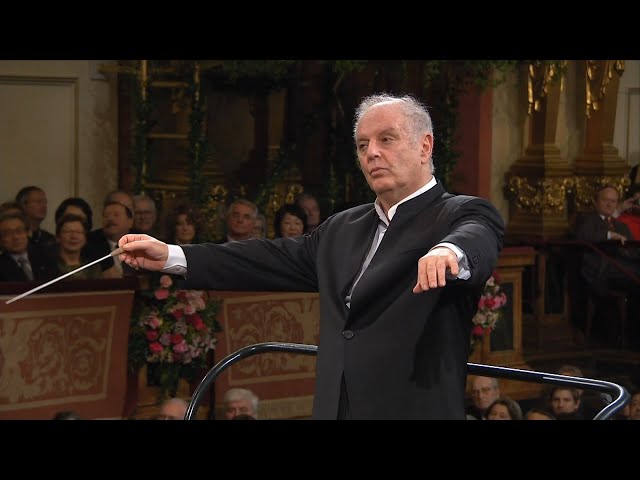
Here is a Viennese waltz composed by Johann Strauss II in 1867.
The Viennese waltz is a style of waltz that was popular in 19th-century Vienna, characterized by uneven lengths within the three beats, with the second beat played slightly early.
Along with “Tales from the Vienna Woods” and the “Emperor Waltz,” it is regarded as one of the three great waltzes by Johann Strauss II and is affectionately known in Austria as a second national anthem.
It was originally written as a choral work, but its lyrics have been rewritten several times to suit the times.