

[Children’s Songs of Autumn] Autumn songs, school songs, and traditional children’s rhymes. A collection of classic pieces to sing in autumn.


We’d like to introduce autumn nursery rhymes, songs, and traditional children’s songs that can be enjoyed by both kids and adults.
When you think of autumn, what comes to mind?
Pine cones, acorns, autumn leaves, moon-viewing… The more you think about it, the more images pop up, don’t they?
In this article, we’ve gathered wonderful classics that make autumn scenery unfold right before your eyes.
From gentle, soothing pieces unique to autumn that sink into the heart, to hand-play songs and traditional children’s tunes you can play and sing along with—these are all famous songs that let you experience autumn in many ways.
Be sure to listen together, sing along, and immerse yourselves in “autumn.”
- [For Seniors] Autumn Songs That Touch the Heart: From Nostalgic Children’s Songs and School Songs to Showa-Era Kayōkyoku
- [Autumn Songs] Songs of autumn. Classic tracks and popular favorites you’ll want to listen to in the fall.
- Song of the Maple Leaves. An autumn children’s song/nursery rhyme/folk song
- Recommended children's songs and hand play songs for October! Music time in childcare that feels like autumn.
- [2026] Songs to listen to in November: masterpieces of late autumn, autumn songs.
- [Childcare] Recommended songs and nursery rhymes for November: Fun autumn fingerplay songs
- A collection of classic nursery rhymes and hand-play songs for September! Enjoy autumn with your child through songs.
- [2026] Autumn Songs for People in Their 60s: Classic Tracks Perfect for the Deepening Fall
- [For Seniors] Classic Autumn Songs to Sing in November: From Children’s Songs to Popular Enka and Kayōkyoku
- Children’s songs and nursery rhymes about the moon
- Recommended autumn songs for people in their 90s: A collection of Showa-era autumn tunes
- Popular Autumn Songs Ranking [2026]
- [Autumn Classics] Japanese Songs to Listen to and Sing in October: A Curated Selection of Beloved, Heartfelt Hits
[Autumn Children's Songs] Autumn songs, school songs, and nursery rhymes. A collection of masterpieces you’ll want to sing in autumn (41–50)
Happy Halloween, everyone! Let’s have fun together!sakushi sakkyoku: yamaguchi ai

If your child wants a bright, fun party rather than a slightly spooky Halloween vibe, this work by Ai Yamaguchi is perfect! The song has a very pop, happy feel, so even kids who don’t like scary things can enjoy it with peace of mind.
True to Ai Yamaguchi—who started learning classical piano at age five—the irresistibly catchy melody will have anyone humming along after just one listen.
The lyrics feature cute ghosts and jack-o’-lanterns, capturing the excitement of receiving lots of sweets and having a party.
You can really feel Yamaguchi’s gentle affection for children.
Sing and dance together, and Halloween will be even more fun!
Mother in the EveningSakushi: Satou Hachirou/Sakkyoku: Nakata Yoshinao
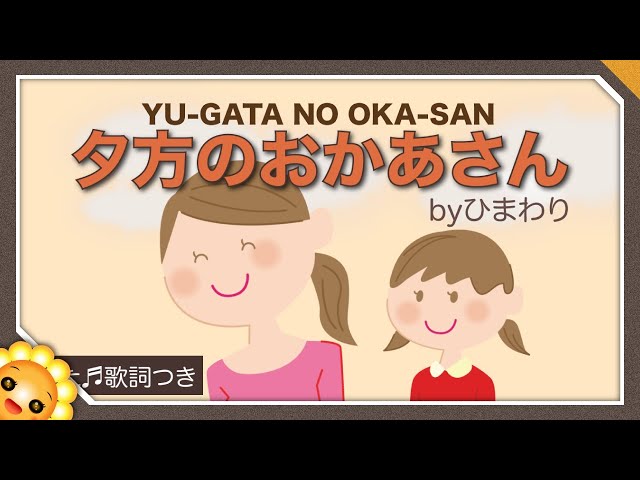
Another classic autumn song by lyricist Hachiro Sato and composer Yoshinao Nakada, the creators of “Kawaii Kakurenbo” (Cute Hide-and-Seek) and “Chiisai Aki Mitsuketa” (I Found Little Autumn).
This piece portrays the somewhat lonely scenery of an autumn evening and the warmth of a mother felt within it.
With the gentle, heart-penetrating melodies so characteristic of Yoshinao Nakada, it resonates deeply with listeners.
The work spread through radio and other media in the 1950s, and can be heard on albums such as “Yoshinao Nakada: Selected Children’s Songs – Kawaii Kakurenbo / Medaka no Gakko.” There is a touching anecdote that at Hachiro Sato’s funeral in 1973, all the attendees sang the song accompanied by Nakada himself on piano—an episode that conveys the depth of their bond and the special power of this song.
It is a tender, embracing piece, perfect for moments of thinking about family on an autumn evening.
Song of Leaving My HometownSakushi: Yoshimaru Kazumasa / Sakkyoku: Doitsu Min’yō

This is a classic song that brings to mind scenes of a distant hometown in the season when the autumn breeze seeps into the heart.
Originally a German folk song about parting lovers, it was transformed by lyricist Isshō Yoshimaru into an emotionally rich piece that sings of a bittersweet farewell to one’s homeland.
Through images of beautiful nature—like the murmuring of a brook and seasonal flowers—the loneliness of someone departing and their deep affection for home are powerfully conveyed.
The song was published in a songbook in July 1913, and in later years was also passed down in performances by Peggy Hayama.
When you’re away from home, you sometimes find yourself longing for the scenes of the past, don’t you? It’s a wonderful choice to listen to on a long autumn night while reminiscing about days gone by.
Apple Village NewsSakushi: Yamakawa Keisuke / Sakkyoku: Shibuya Takeshi

It’s a heartwarming song that feels like receiving a share of happiness from a village overflowing with autumn’s harvest.
The lyrics vividly sing of scenes like apples turning red and the gentle joys found in everyday life.
The nostalgic imagery that unfolds wraps the listener’s heart in warmth.
Released in September 2018 as a recording by Saori Yuki and Shoko Yasuda, the piece is also included on the collaborative album Noriko Matsukura and Takeshi Shibuya.
The story that it was recorded at a jazz bar in Nishi-Ogikubo further speaks to the work’s cozy atmosphere.
Try listening on an autumn afternoon while sipping tea—it’s a perfect song for peaceful moments spent with the whole family.
black kiteSakushi: Kuzuhara Shigeru / Sakkyoku: Yanada Tadashi
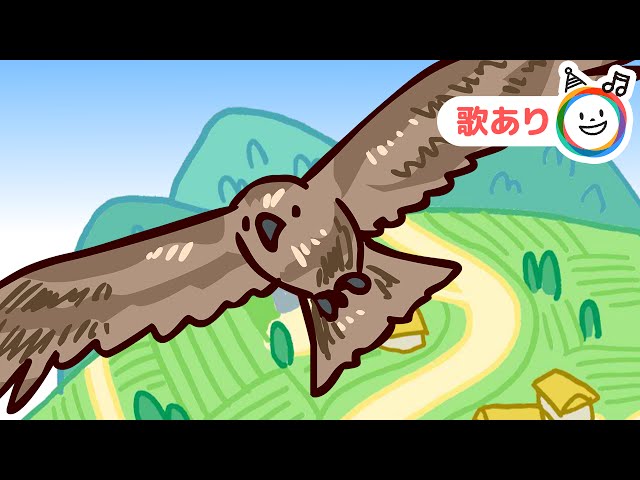
When you catch sight of birds tracing circles in the high autumn sky as if they’re feeling wonderful, doesn’t your heart feel at ease? This song, with lyrics by Shigeru Kuzuhara and music by Tadashi Yanada, is a very free-spirited children’s song that depicts birds dancing through such a sky.
The playful phrases that imitate birdsong are striking, conveying the creators’ gentle wish for children to sing out joyfully.
First published in May 1918 in the song collection Taishō Shōnen Shōka, the piece can still be heard today on albums such as Let’s Sing Together: Best of Japanese Children’s Songs.
On a clear autumn day, spreading your arms like wings and singing it together as parent and child makes it even more fun.
The Flowers in the Gardensakushi: satomi gi (yakushi) / sakkyoku: airurando min’yō

Based on an Irish folk tune, this is a school song with lyrics by Yoshishi Satomi that has been sung since the Meiji era.
Its lyrics poignantly capture the loneliness of autumn as the garden’s grasses and flowers wither, and overlay that scene with the image of chrysanthemums that bloom beautifully despite the frost—an emblem of living nobly while enduring solitude.
The piece was published in June 1884 in the Ministry of Education’s Elementary School Song Collection, Part Three, and was later covered by artists such as Yoichi Sugawara and Rainbook.
It’s a wonderful choice for quiet contemplation on a long autumn night.
The song’s powerful message, nestled within its melancholy, will gently accompany the bittersweet feelings that come with the changing seasons.
Its somehow nostalgic, beautiful melody is sure to soothe the heart.
That Town, This TownSakushi: Noguchi Ujō / Sakkyoku: Nakayama Shinpei

This song is the work of the golden duo of the children’s song world: lyrics by Ujō Noguchi and music by Shimpei Nakayama.
The buoyant rhythm, known as the “Pyonko-bushi,” naturally lifts your spirits as you listen.
The piece depicts the slightly lonely yet somehow nostalgic feeling of looking back at your home growing distant on the way back at dusk.
It was published in a magazine in January 1924, and some say the poem was influenced by the sadness and isolation felt after the Great Kanto Earthquake the previous year.
There’s also an anecdote that composer Shimpei Nakayama would hum this song in his later years, which speaks to its profound appeal.
It’s a moving classic, perfect for listening to on an autumn evening while gazing at the crimson sky.
Why not share it with someone dear and let it stir thoughts of each of your hometowns?