

[Home Run Level] A Compilation of Trivia & Fun Facts About Baseball


In Japan, there’s never a shortage of baseball talk—whether it’s professional baseball, the Major Leagues, or the WBC! Every year, countless baseball fans can’t help but wonder which team will be crowned the best in Japan, who will win the home run title, and which player will pull off a miracle play.
In this article, we’ll introduce fun trivia and tidbits that will make you love baseball even more! We’ve gathered facts from various angles, including the history of baseball and the curiosities behind things you casually see while watching games.
Even if you don’t know much about baseball, you’ll find yourself thinking, “Oh, really? That’s cool!”—so be sure to check it out!
- How many can you get right? Dive into baseball rules and trivia with a fun quiz
- A collection of quiz questions related to sports
- Not taught in school! A roundup of historical trivia and fun facts
- Trivia quiz with useful tips to know: fun facts that come in handy at school or at home [for kids]
- Professional baseball players that are easy to imitate: a compilation of batting stance impressions
- [For Elementary School Students] Sports Quiz
- So interesting you’ll want to tell someone! December Trivia & Fun Facts Special
- Trivia and fun facts about food (summary)
- [Baseball Cheering] A roundup of popular chance themes that fire up pro baseball games
- A quiz of fun trivia: bite-sized knowledge that leads to new insights.
- Fun Ball Sports: A Roundup of Ball-Based Play, Games, and Sports
- Useful right away in daily life! Surprising trivia and handy tips
- Fun facts you’ll want to share! January trivia and tidbits special
Home Run-Level: A Collection of Trivia & Fun Facts About Baseball (1–10)
The official baseball for Nippon Professional Baseball is made by Mizuno.
The official baseballs used in professional baseball are made by the sporting goods manufacturer Mizuno.
What’s more, they’re all made in Japan and carefully finished by skilled craftspeople.
Everything from the seams and weight to the level of rebound is meticulously checked, ensuring that games can be played under the same conditions in any ballpark.
Just as soccer wouldn’t work if ball sizes and weights varied, baseball is fair because the balls are of consistent quality.
It may look like a small ball, but it’s packed with the technology and dedication that support professional games.

There are 108 stitches on a ball.
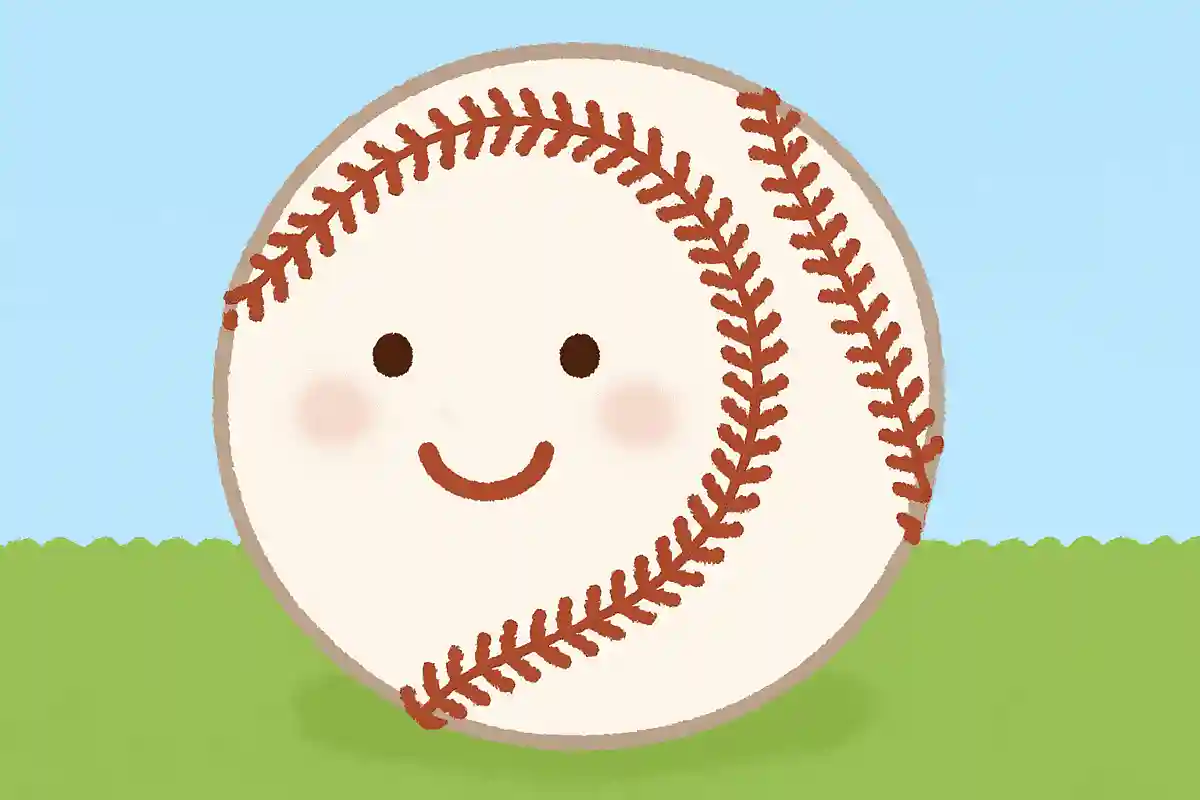
A baseball with striking red stitching on a white background—do you know how many stitches it has? In fact, there are 108.
When a baseball is hit with a bat, it experiences a significant impact, so it needs considerable strength.
The more holes you make for stitching, the weaker it becomes.
However, if there are fewer stitches and the thread connecting the holes becomes longer, the thread is more likely to break.
Taking this balance into account, 108 was chosen as the optimal number of stitches.

Early baseball had no gloves.
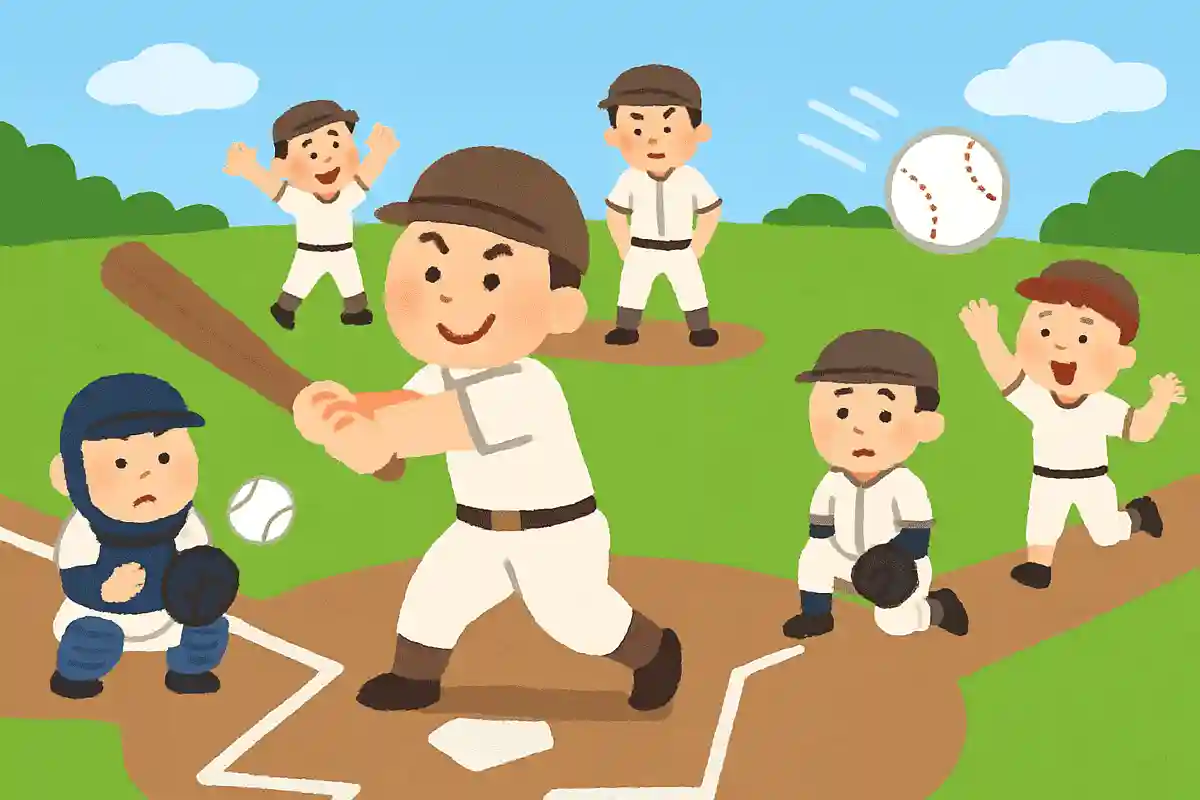
In the early days of baseball, players didn’t use gloves and caught the ball with their bare hands.
Taking a hard ball with their hands meant bruises and cuts on fingers and palms were common.
Catchers and infielders in particular put a heavy strain on their hands every game.
Later, leather gloves were introduced as equipment to protect the hands while making it easier to handle the ball.
At first they were like thin gloves, but over time padding and finger shapes were improved, leading to the modern design.
If you imagine old-time soccer goalkeepers stopping the ball without gloves, you can understand how tough it was.
[Home Run Level] Collection of Trivia & Fun Facts About Baseball (11–20)
The umpire has “sand” in his pocket.
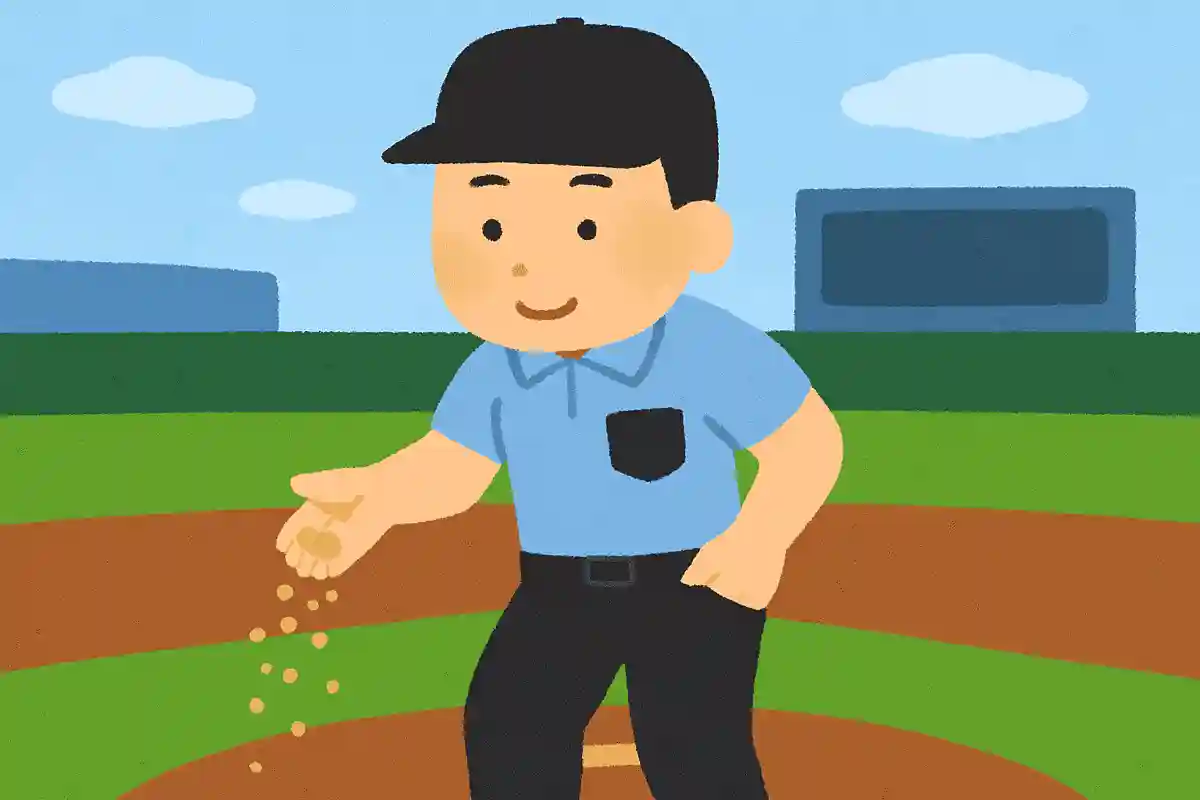
The “sand” in the umpire’s pocket isn’t just ordinary dirt; it’s a special type called “rubbing mud.” It’s used to remove the slickness or wax on the surface of brand-new baseballs so pitchers can get a better grip.
By lightly rubbing the ball with this mud, it becomes easier to throw and control improves.
For example, a new ball might feel a bit slippery to the touch, but a light rub with the mud makes it feel more natural in the hand.
This kind of small tweak is a uniquely baseball bit of trivia that helps keep games safe and running smoothly.
The longest match in Japan lasted 6 hours and 26 minutes.
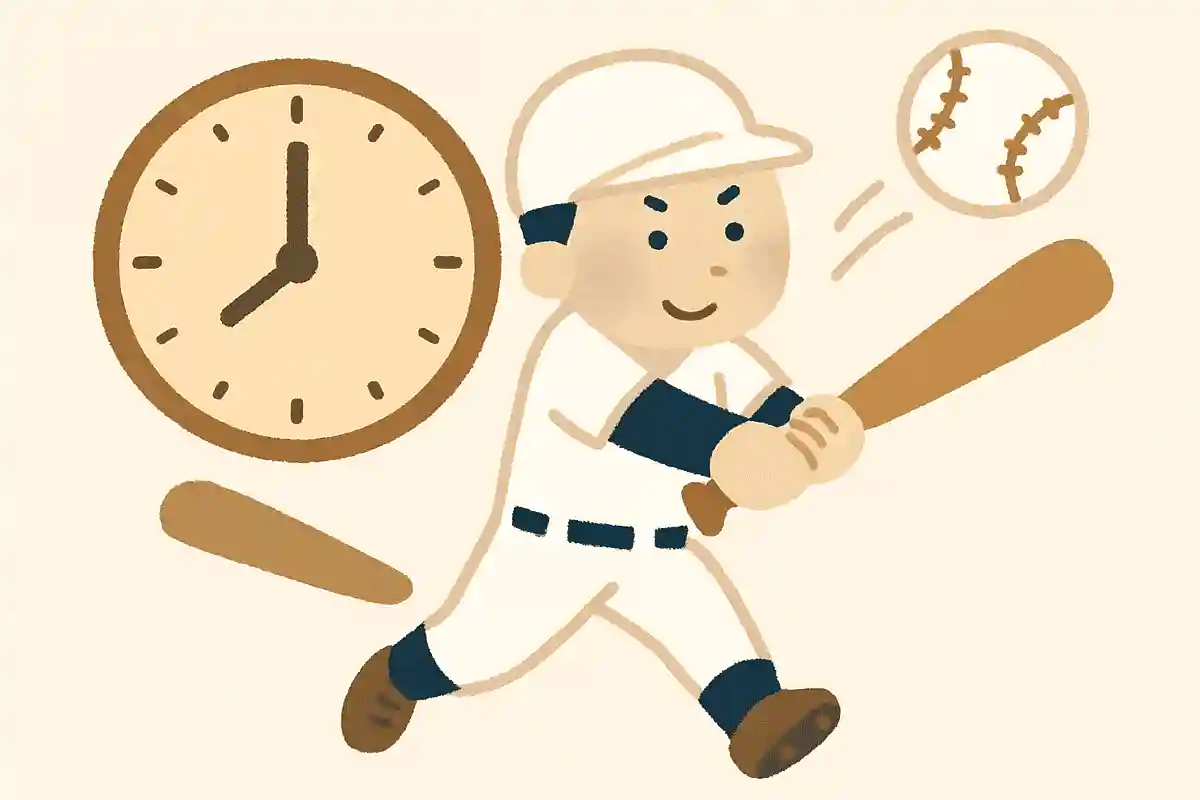
The longest game in Japanese professional baseball was played on September 11, 1992, between the Hanshin Tigers and the Tokyo Yakult Swallows, lasting an incredible 6 hours and 26 minutes.
The game went to the 15th inning and didn’t end until 12:26 a.m.
A typical baseball game lasts about three hours, so this was more than twice as long—a true marathon.
Since baseball has no time limit, a game keeps going if the score is tied.
Watching players fight on without giving up until the very end is one of the charms of baseball, isn’t it?
Koshien Stadium used to have a “Lucky Zone,” an area designed to make home runs easier.
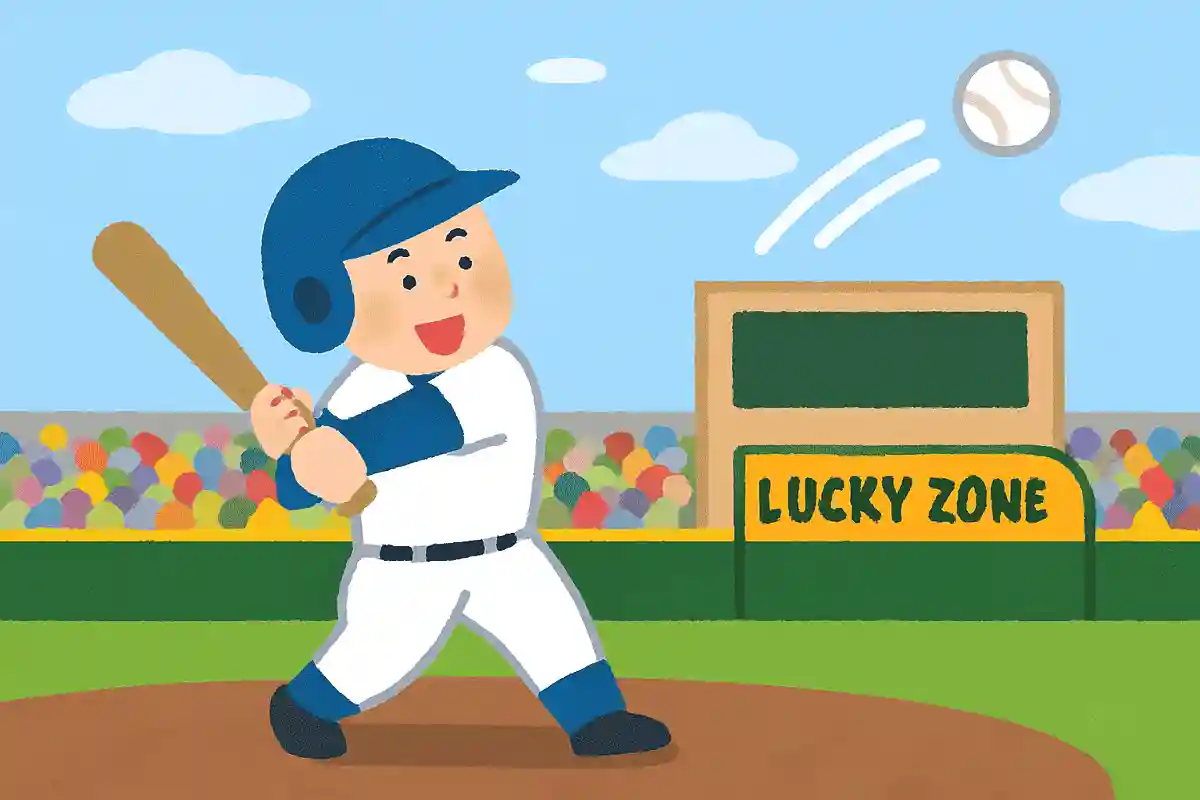
Because a larger outfield makes home runs harder to hit, “lucky zones” were installed to boost home run totals.
At Koshien Stadium, they were placed in front of the outfield fence from 1947 to 1991, and were cherished as Japan’s first lucky zones for many years.
They were removed in 1991 to align with international standards, but they’re still remembered for producing iconic moments like those of the “Dynamite Lineup.” The fact that this uniquely Japanese rule was born in Japan is another fun aspect of the lucky zone.

Home plate was originally a rectangle, too.

Home plate is a pentagon, while first, second, and third bases are squares, but originally home plate was also a square like the other bases.
However, because it was very difficult for umpires to judge balls, it was changed to a pentagon in 1900.
With a pentagon, the trajectory of the pitch runs parallel to the edges of home plate, making calls easier.
In this way, even things we haven’t questioned from the start may have changed for a reason.
It’s interesting to look at how sports evolve, isn’t it?
