

[Home Run Level] A Compilation of Trivia & Fun Facts About Baseball


In Japan, there’s never a shortage of baseball talk—whether it’s professional baseball, the Major Leagues, or the WBC! Every year, countless baseball fans can’t help but wonder which team will be crowned the best in Japan, who will win the home run title, and which player will pull off a miracle play.
In this article, we’ll introduce fun trivia and tidbits that will make you love baseball even more! We’ve gathered facts from various angles, including the history of baseball and the curiosities behind things you casually see while watching games.
Even if you don’t know much about baseball, you’ll find yourself thinking, “Oh, really? That’s cool!”—so be sure to check it out!
- How many can you get right? Dive into baseball rules and trivia with a fun quiz
- A collection of quiz questions related to sports
- Not taught in school! A roundup of historical trivia and fun facts
- Trivia quiz with useful tips to know: fun facts that come in handy at school or at home [for kids]
- Professional baseball players that are easy to imitate: a compilation of batting stance impressions
- [For Elementary School Students] Sports Quiz
- So interesting you’ll want to tell someone! December Trivia & Fun Facts Special
- Trivia and fun facts about food (summary)
- [Baseball Cheering] A roundup of popular chance themes that fire up pro baseball games
- A quiz of fun trivia: bite-sized knowledge that leads to new insights.
- Fun Ball Sports: A Roundup of Ball-Based Play, Games, and Sports
- Useful right away in daily life! Surprising trivia and handy tips
- Fun facts you’ll want to share! January trivia and tidbits special
[Home-Run Level] A Collection of Trivia & Fun Facts About Baseball (21–30)
In baseball, the official is called an “umpire,” not a “referee.”
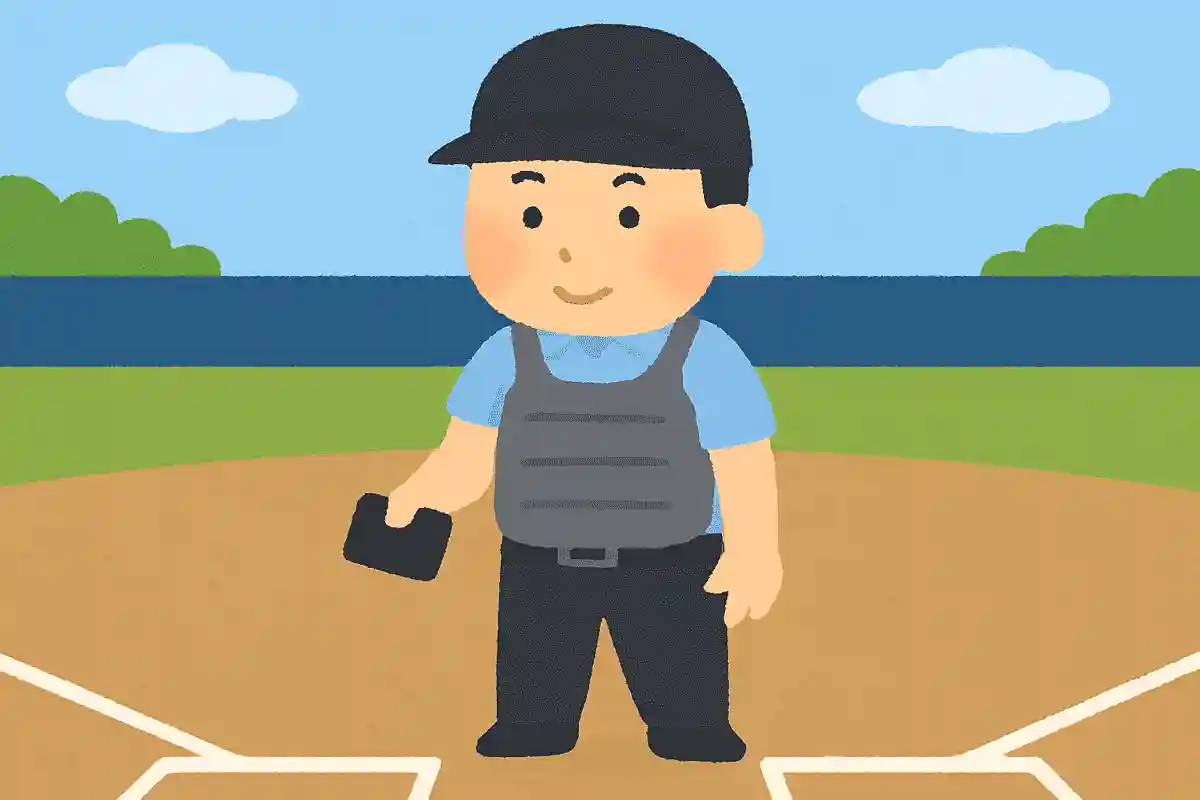
In Japanese, any sports official is called a “shimpan” (referee), but in English there are “referees” and “umpires.” Referees are well known in sports like wrestling, and also in basketball, soccer, and rugby.
They are responsible for managing the game and move with the players as they officiate.
Umpires are used in sports like tennis, table tennis, and volleyball, where they stand in designated positions and make calls.
Some sports, like American football, have both.
In baseball, the officials are called umpires.

Baseball was brought to Japan from the United States during the Meiji era.
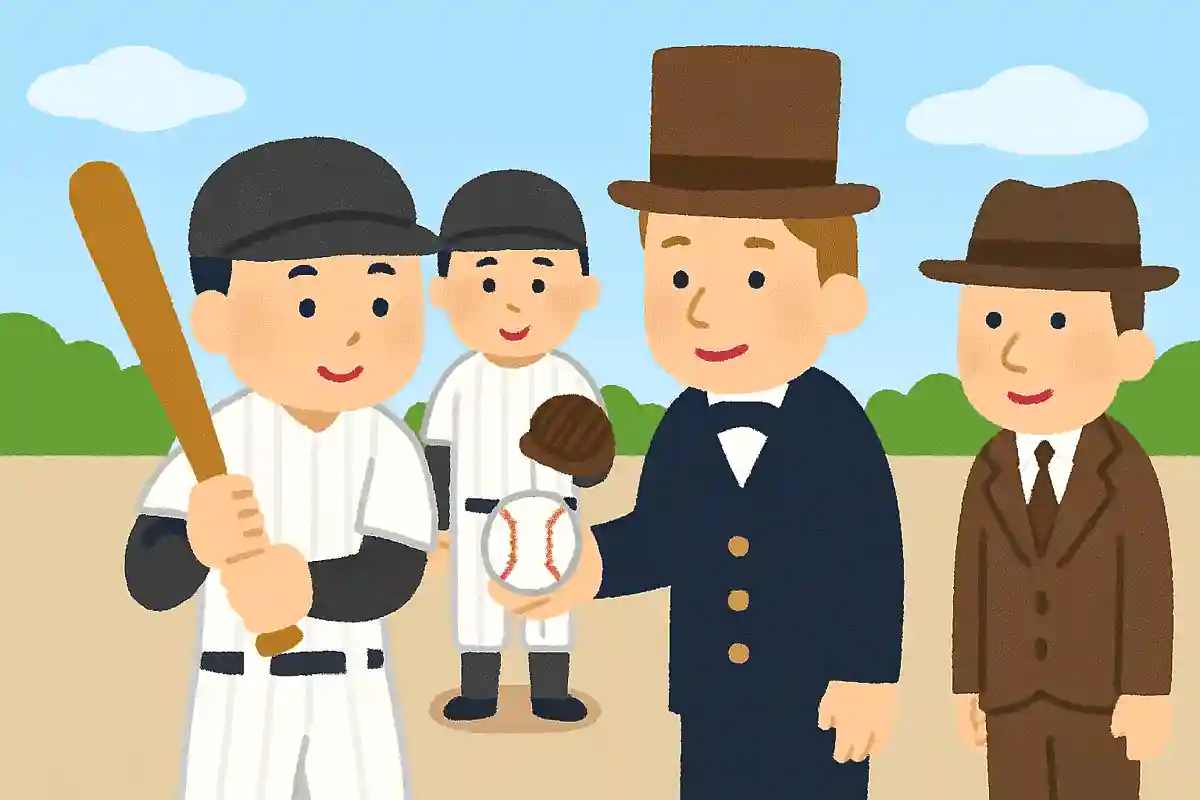
In Japan, people enjoy baseball in many forms, from professional leagues to school clubs and amateur games.
Baseball is loved by people of all ages, but do you know when it was first introduced to Japan? It is said to have begun in 1871 (Meiji 4) under the instruction of an American teacher at Kaisei School, which is the predecessor of today’s University of Tokyo.
At the time, it was called “baseball” in English, and the sport subsequently spread throughout Japan.
According to those who promoted the game, it was an extremely enjoyable sport and was played very actively.

In high school baseball, there used to be a loser’s bracket (repechage).
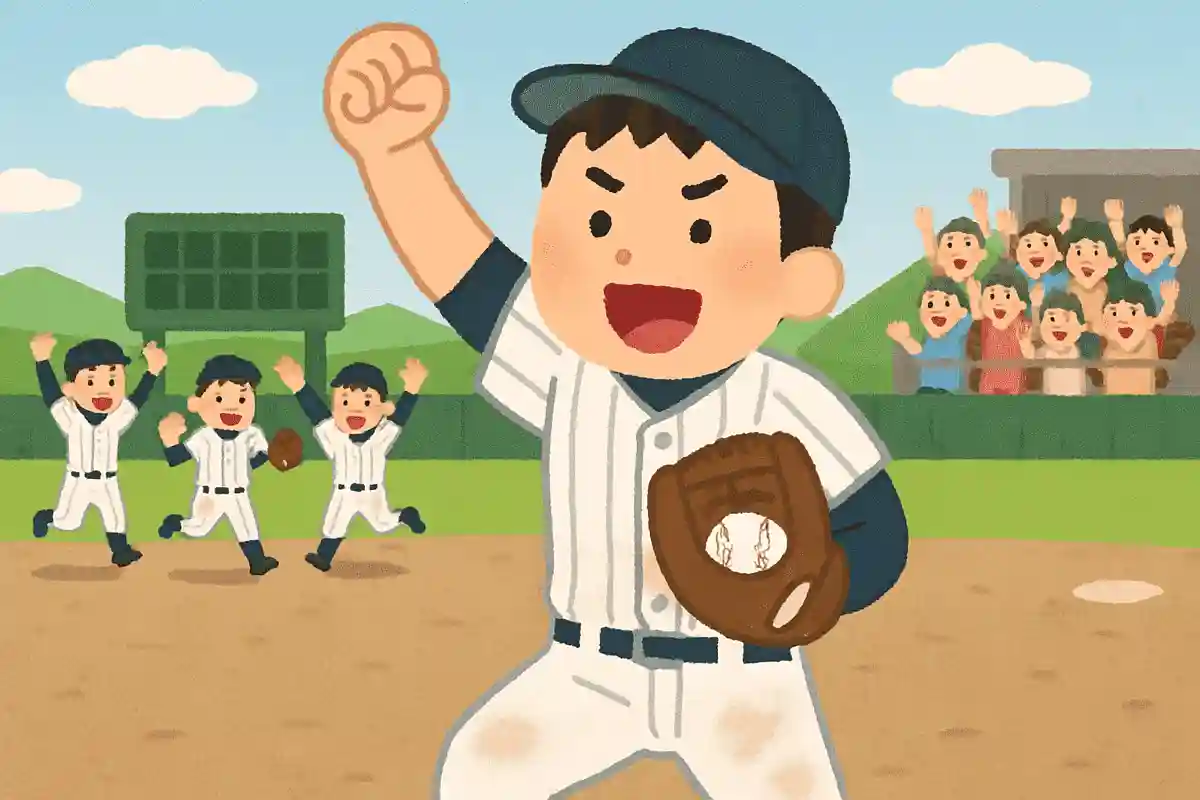
High school baseball, where student players battle it out with intense passion, is a beloved sport.
Many people look forward to the TV broadcasts of the games held at Koshien.
Since it’s a single-elimination tournament, countless dramatic moments unfold every year.
However, there was a time when a repechage (losers’ bracket) existed.
The repechage was used from the second tournament in 1915 (Taisho 4) through the third tournament in 1916 (Taisho 5).
It was only implemented for those two tournaments, and there was a reason for that.
In the third tournament, a school from Aichi that had lost once fought its way through the repechage and, incredibly, won the championship.
Complaints arose that “it’s strange for a team that lost to become the champion,” and the repechage system was abolished the following year.
As a result, only those two tournaments featured a repechage.
The first people to launch jet balloons were fans of the Hiroshima Toyo Carp.
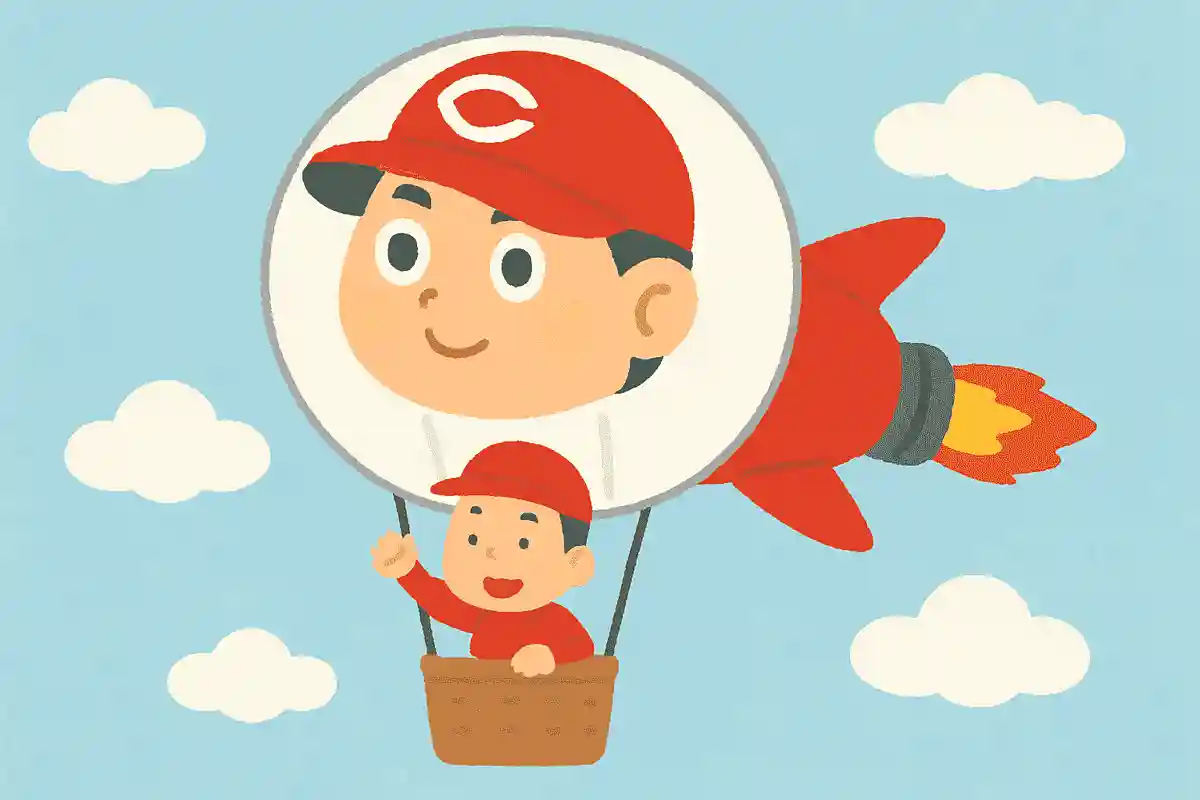
Cheering with jet balloons is fun both to see and hear, and it’s one of the highlights of watching baseball.
But when did it start? It’s said to have begun during a Hanshin vs.
Hiroshima game at Koshien Stadium in 1978, when Hiroshima fans first released them.
Apparently, Hanshin fans who saw this then helped spread the practice.
However, jet balloons are prohibited at some stadiums depending on conditions inside the venue.
They were also banned during the COVID-19 pandemic to prevent infections.
An African elephant once came to cheer at the Spring Invitational.
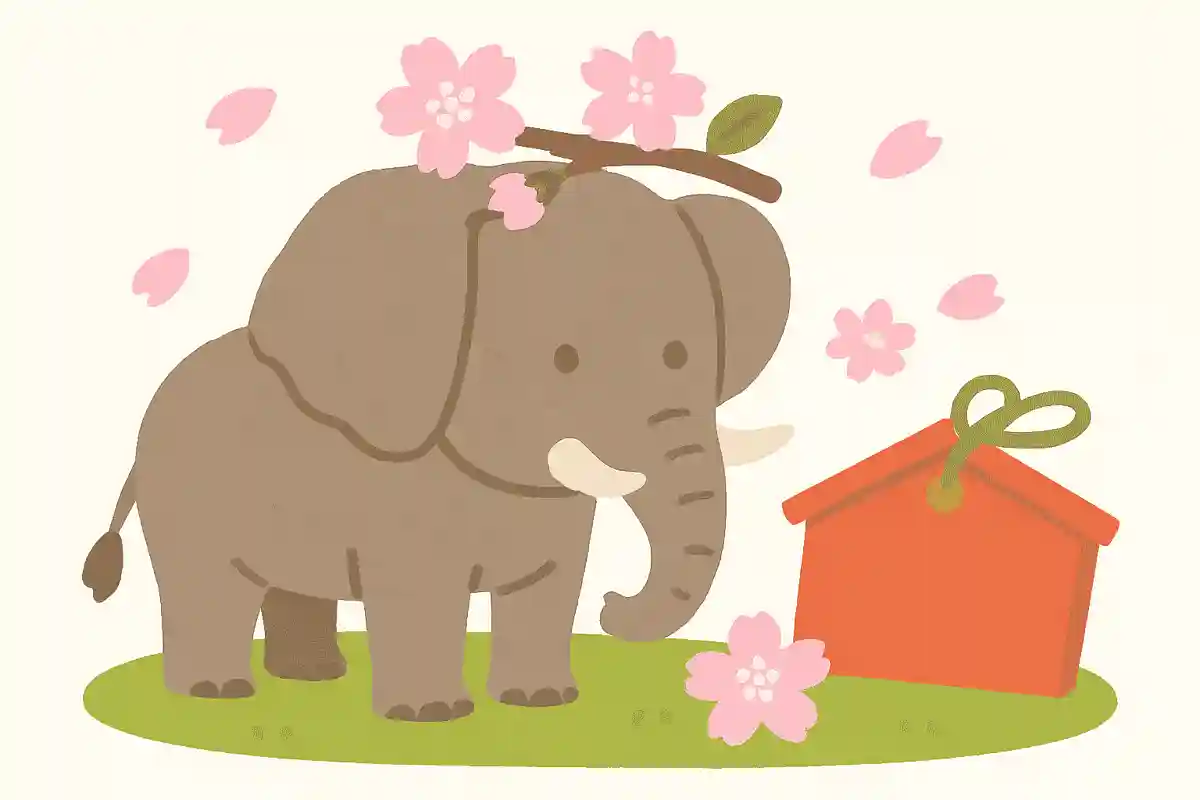
In 1951, at the 23rd National Invitational High School Baseball Tournament, Hyogo Prefectural Naruō High School finished as the runner-up.
Their cheering squad apparently persuaded Hanshin Park to let them bring an elephant into Koshien Stadium.
Maybe Hanshin Park thought it would be good publicity, but the fact that it was allowed really feels like the good old Showa era.
What’s more, the head cheerleader is said to have appeared riding the elephant.
If that cheer captain were still around, I’d love to hear the story firsthand.
I imagine the players felt a surge of energy when they saw it.
In the past, the match ended when someone first reached 21 points.
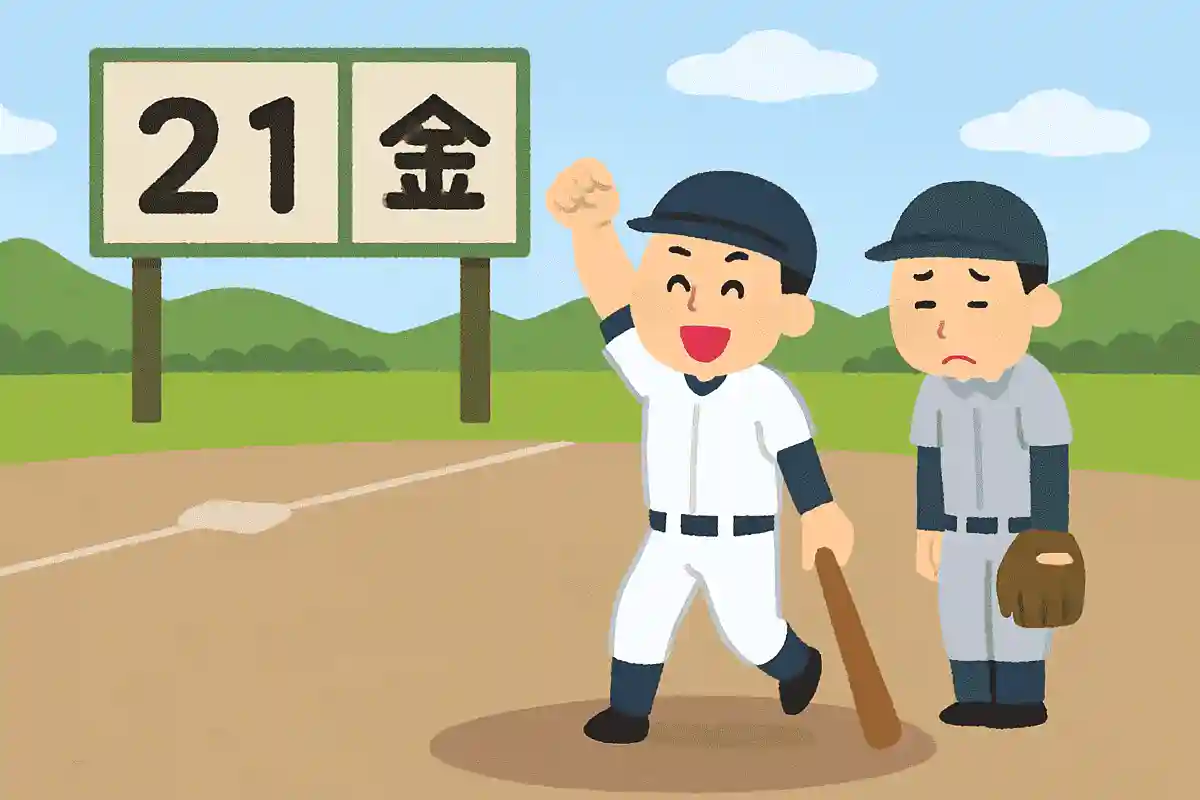
Today, in baseball, the team with the higher score at the end of the bottom of the ninth inning wins, but when the sport first began, the game ended when a team was the first to reach 21 runs.
Sometimes getting to 21 was difficult, and games wouldn’t finish in a single day.
That must have been tough for both the spectators and the players.
It’s said that the first people to complain were the cooks preparing food for postgame socials.
If a game ended suddenly or dragged on forever, it made planning and cooking a real headache.
Thanks to that, the sport eventually settled on the format of ending after a set number of innings.
Beer showers began in 1959 when the Nankai Hawks became champions of Japan.
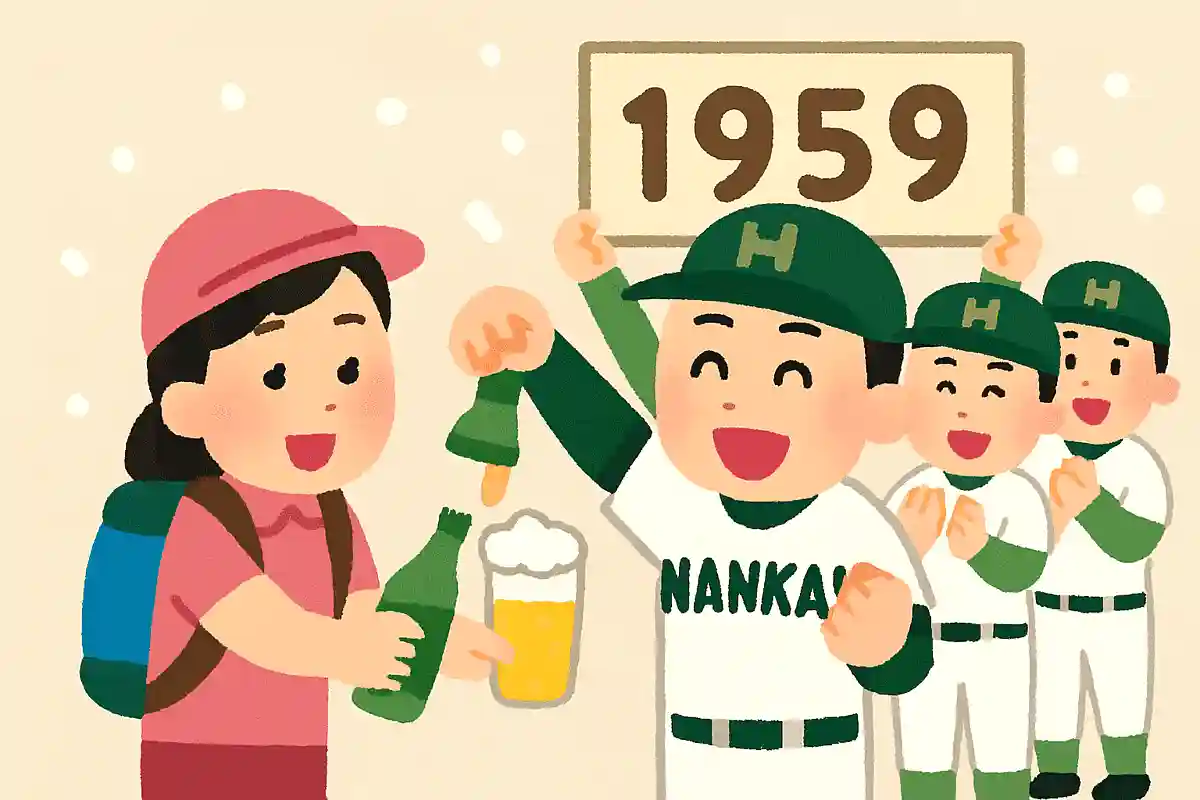
At sports events, there’s the beer shower held during victory celebrations.
For many fans, seeing this scene really drives home the feeling that their team has won.
By the way, do you know when this beer shower tradition started? The first person to do it was Carlton Handa, a Nisei (second-generation Japanese American) from Hawaii, in 1959.
He knew that in the United States there was a custom of spraying champagne to celebrate a championship, and he used beer instead.
Sharing the joy of victory with a bit of playful mischief isn’t so bad, is it?