

[Home Run Level] A Compilation of Trivia & Fun Facts About Baseball


In Japan, there’s never a shortage of baseball talk—whether it’s professional baseball, the Major Leagues, or the WBC! Every year, countless baseball fans can’t help but wonder which team will be crowned the best in Japan, who will win the home run title, and which player will pull off a miracle play.
In this article, we’ll introduce fun trivia and tidbits that will make you love baseball even more! We’ve gathered facts from various angles, including the history of baseball and the curiosities behind things you casually see while watching games.
Even if you don’t know much about baseball, you’ll find yourself thinking, “Oh, really? That’s cool!”—so be sure to check it out!
- How many can you get right? Dive into baseball rules and trivia with a fun quiz
- A collection of quiz questions related to sports
- Not taught in school! A roundup of historical trivia and fun facts
- Trivia quiz with useful tips to know: fun facts that come in handy at school or at home [for kids]
- Professional baseball players that are easy to imitate: a compilation of batting stance impressions
- [For Elementary School Students] Sports Quiz
- So interesting you’ll want to tell someone! December Trivia & Fun Facts Special
- Trivia and fun facts about food (summary)
- [Baseball Cheering] A roundup of popular chance themes that fire up pro baseball games
- A quiz of fun trivia: bite-sized knowledge that leads to new insights.
- Fun Ball Sports: A Roundup of Ball-Based Play, Games, and Sports
- Useful right away in daily life! Surprising trivia and handy tips
- Fun facts you’ll want to share! January trivia and tidbits special
[Home Run Level] Collection of Trivia & Fun Facts About Baseball (11–20)
About 120 balls are used in a single professional baseball game.
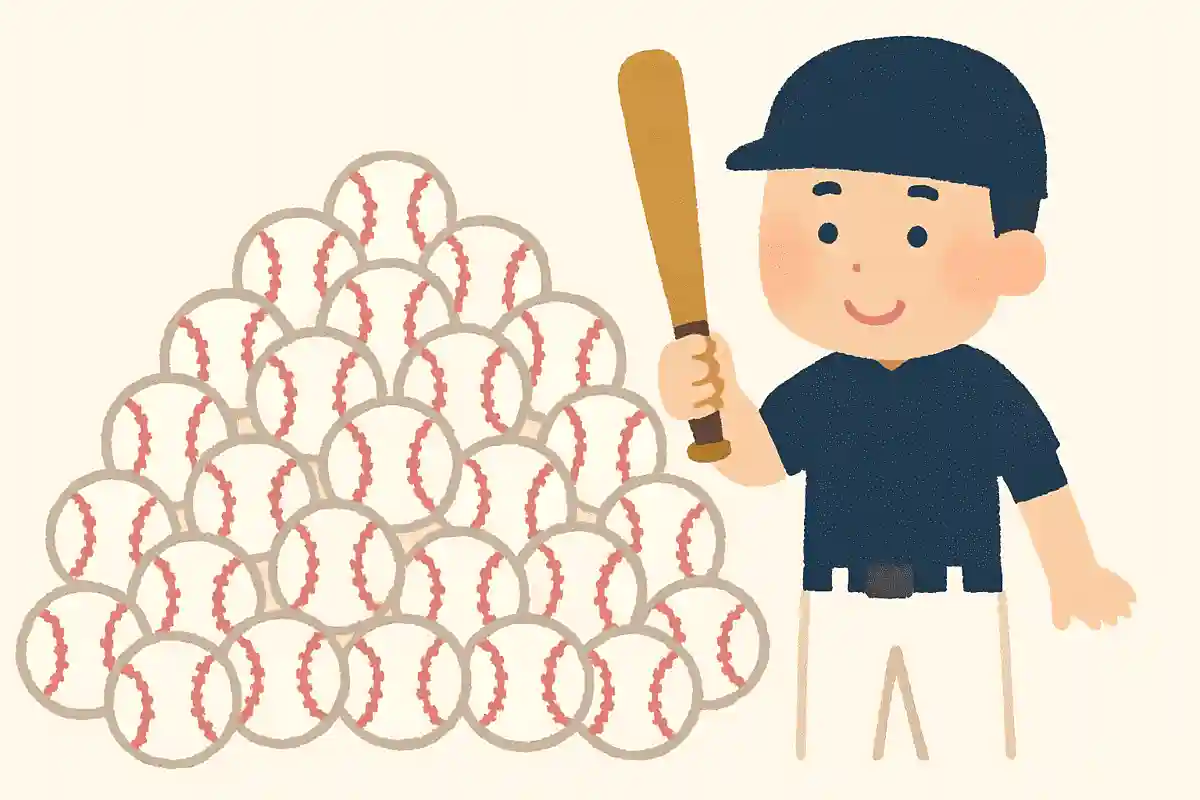
We tend to picture a baseball being caught over and over within the ballpark, but in reality, balls are replaced many times during a game.
The number of balls used is roughly 120 per professional game—around 10 dozen.
Because dirt from bouncing on the ground or repeated catches can affect the pitch’s movement, balls are treated as consumables and are replaced frequently.
Balls used in games are reused as practice balls, and the number of replacements can vary depending on the weather—another interesting point to note.

High school baseball does not prohibit wooden bats.
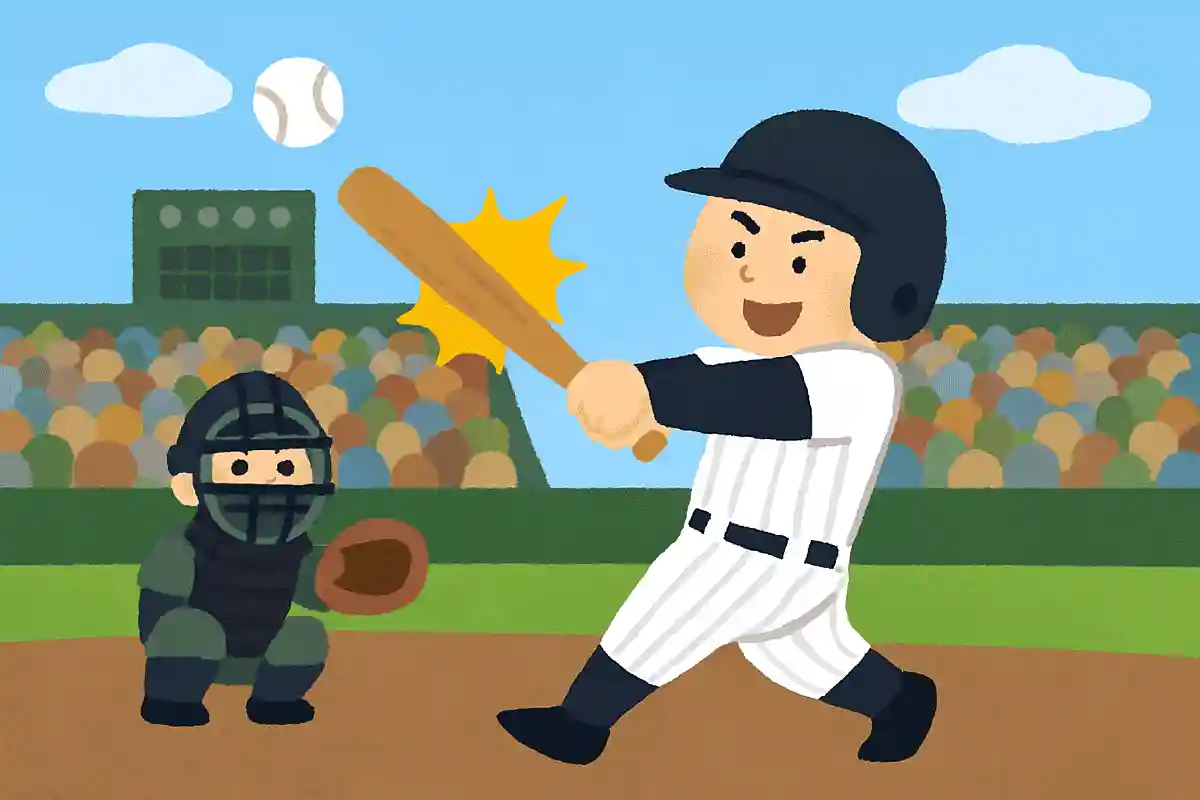
In high school baseball, unlike professional baseball, people tend to picture players using metal bats, but wooden bats are not prohibited.
They are allowed under the rules; however, metal bats have an advantage in terms of rebound performance, which is why they are primarily used.
In pro baseball, bats are wooden, so some players in high school also choose wooden bats to improve their skills and prepare for using wood in the future.
As the rebound performance of metal bats is gradually being adjusted and the gap with wooden bats is shrinking, the day when wooden bats become the main choice might not be far off.
In the past, there was no split between the Central League and the Pacific League.
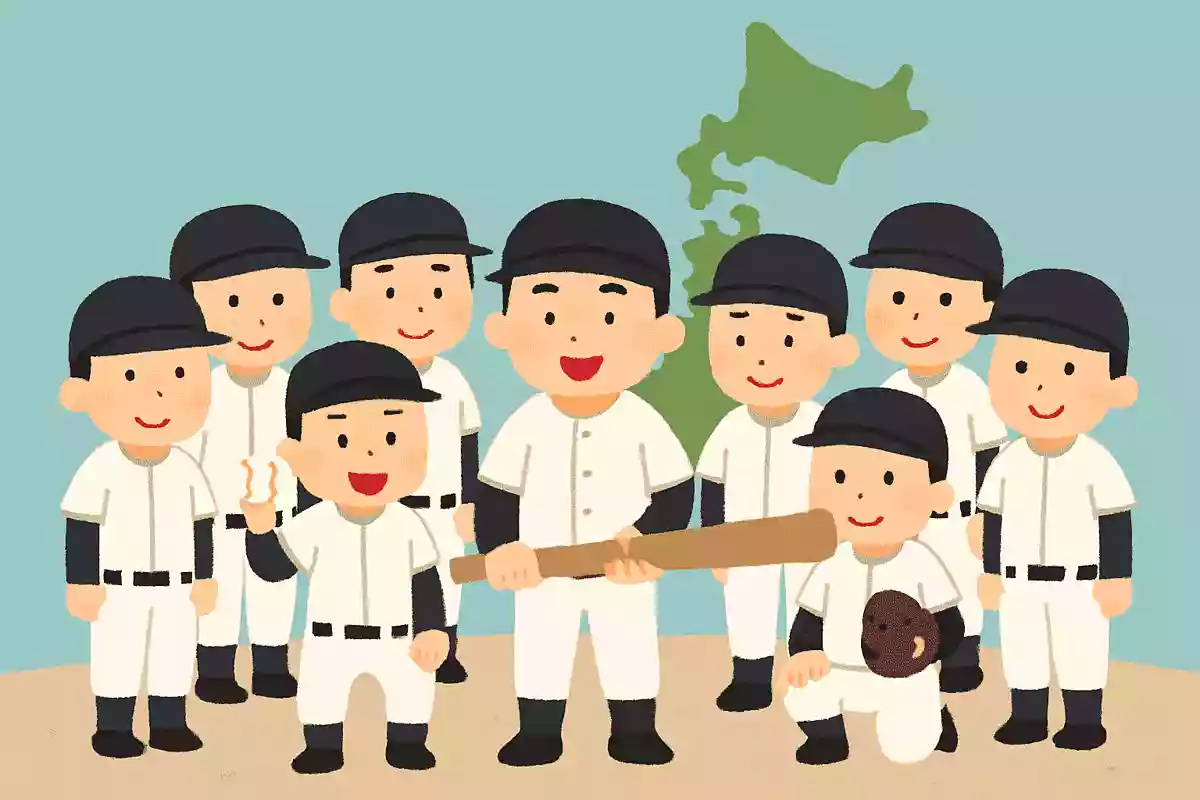
Some of you may have wondered what exactly the Central League (Se League) and the Pacific League (Pa League) are.
On what basis are they divided? It all started in 1949: teams like the Chunichi Dragons and the Yomiuri Giants, who opposed the admission of new teams, formed the opposition side and became the Central League in 1950, while those in favor became the Pacific League.
That arrangement has continued to the present day, with two leagues.
By the way, “Se League” is short for Central League, and “Pa League” is short for Pacific League.

The first person to throw a ceremonial first pitch was Shigenobu Okuma.
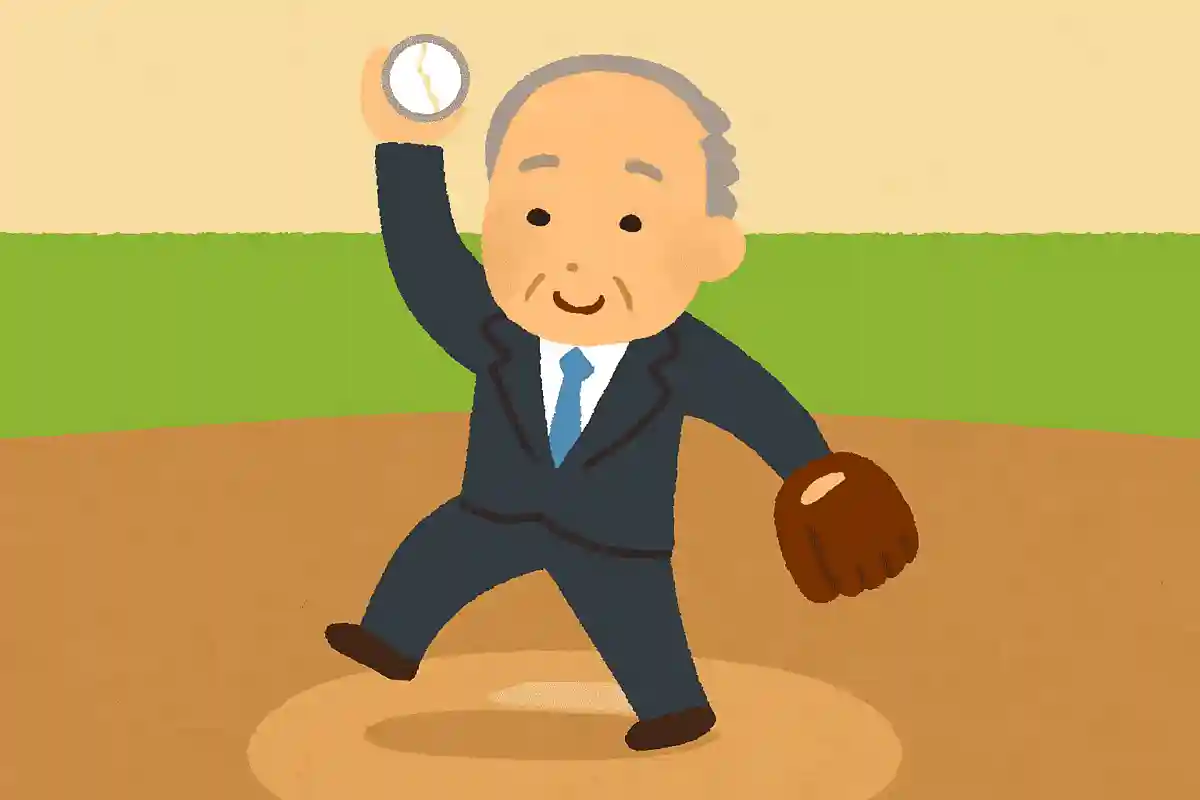
The ceremonial first pitch is often thrown by various celebrities, and who gets to throw it is always a hot topic.
So who was the first person to throw a ceremonial first pitch in Japan? It was Shigenobu Okuma, in 1908.
The game was between a Major League team and Waseda University.
Although his pitch missed the strike zone, a Waseda student deliberately swung and missed so it wouldn’t be called a ball.
This is said to have given rise to the custom of swinging and missing at ceremonial first pitches.
The origin of Koshien’s “Alps Stand” is that the manga artist Ippei Okamoto called it that.

We call the infield stands the “Alps stands,” but did you know that this name wasn’t used from the beginning? It’s said to have been coined by Ippei Okamoto, a manga artist and the father of Taro Okamoto.
When the infield stands, which had previously been only 20 rows, were expanded to 50 rows and became very tall, he published a cartoon in a newspaper calling them the “Alps stands,” and that’s how the name caught on.
It’s quite a stylish bit of interpretation, isn’t it? And it’s interesting that the term became established.
The ace number being “18” comes from the Kabuki Jūhachiban (the Eighteen Favorites of Kabuki).
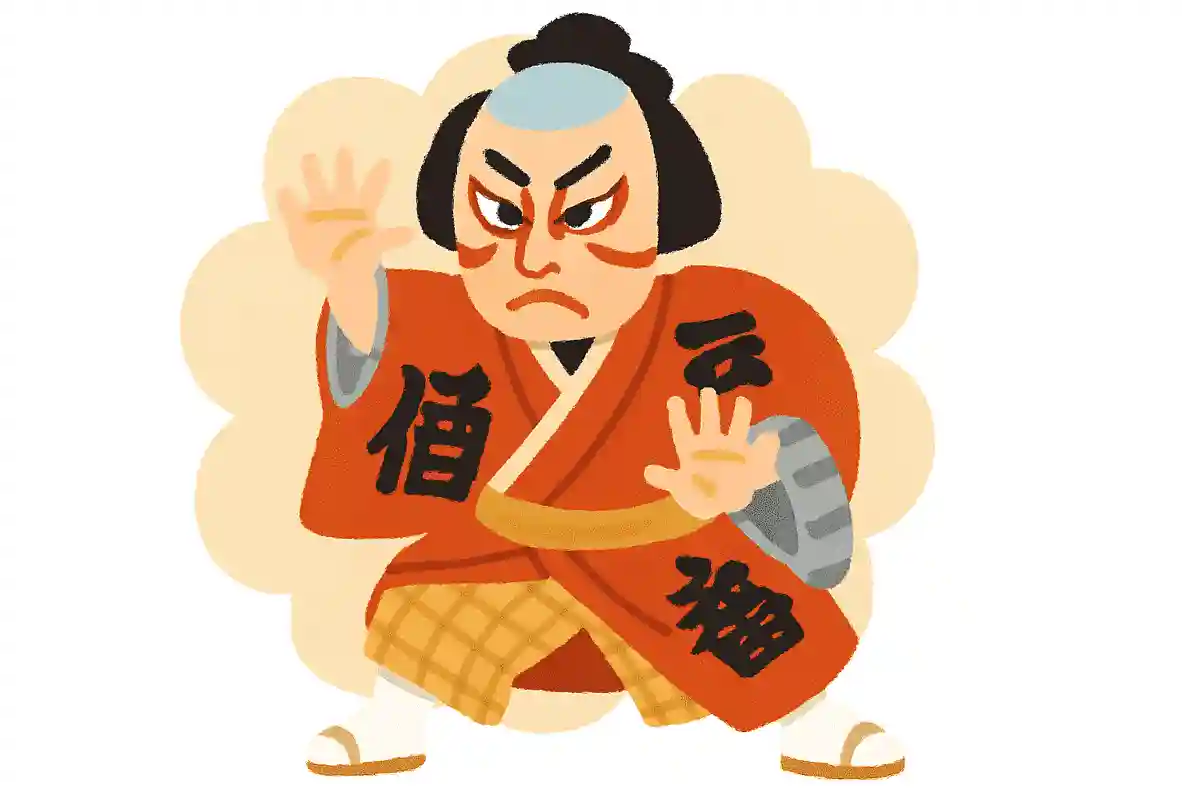
In Japanese professional baseball, the number 18 is known as the ace number, but where does this come from? There are various theories, though a well-known one traces it to the kabuki term “ohako,” written with the characters for “eighteen favorites.” In kabuki, “ohako” refers to one’s signature or specialty performances.
That said, it’s not as if players are required to wear number 18.
Still, if you were given the number 18, you’d probably feel motivated to live up to the expectations, wouldn’t you?
[Home-Run Level] A Collection of Trivia & Fun Facts About Baseball (21–30)
The Chunichi Dragons got their name because the team’s owner in 1947 was born in the Year of the Dragon.
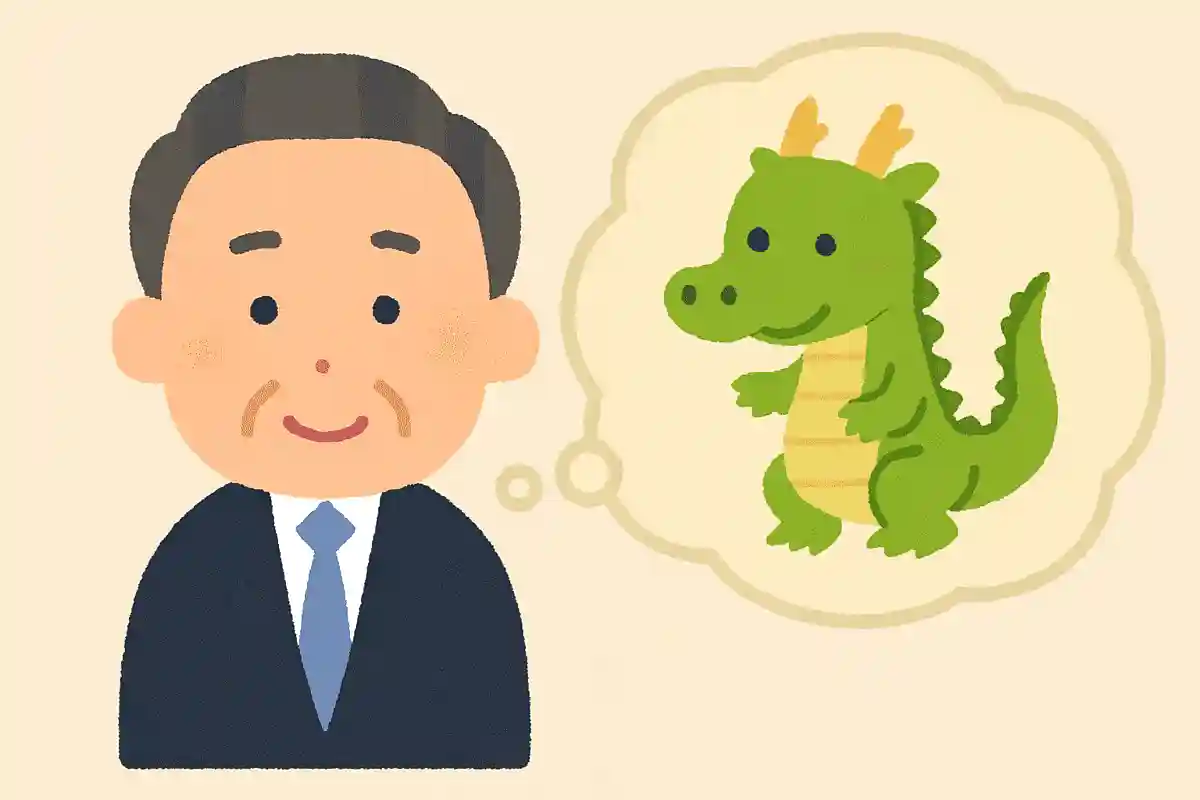
There are 12 teams in Japan’s professional baseball league, and each team’s name has its own origin.
The Chunichi Dragons are based in Aichi Prefecture, but the “Dragons” part of their name comes from an unexpected source.
It’s said that the then-owner, Toranosuke Sugiyama, was born in the Year of the Dragon, which led to the name Chunichi Dragons.
You might assume it comes from the shachihoko on Nagoya Castle in Aichi, but apparently that’s not the case.
There’s also a story that, based on Toranosuke Sugiyama’s first name, they wanted to use “Tigers,” but had to give up because the Osaka Tigers—today’s Hanshin Tigers—already existed.
