

[Home Run Level] A Compilation of Trivia & Fun Facts About Baseball


In Japan, there’s never a shortage of baseball talk—whether it’s professional baseball, the Major Leagues, or the WBC! Every year, countless baseball fans can’t help but wonder which team will be crowned the best in Japan, who will win the home run title, and which player will pull off a miracle play.
In this article, we’ll introduce fun trivia and tidbits that will make you love baseball even more! We’ve gathered facts from various angles, including the history of baseball and the curiosities behind things you casually see while watching games.
Even if you don’t know much about baseball, you’ll find yourself thinking, “Oh, really? That’s cool!”—so be sure to check it out!
- How many can you get right? Dive into baseball rules and trivia with a fun quiz
- A collection of quiz questions related to sports
- Not taught in school! A roundup of historical trivia and fun facts
- Trivia quiz with useful tips to know: fun facts that come in handy at school or at home [for kids]
- Professional baseball players that are easy to imitate: a compilation of batting stance impressions
- [For Elementary School Students] Sports Quiz
- So interesting you’ll want to tell someone! December Trivia & Fun Facts Special
- Trivia and fun facts about food (summary)
- [Baseball Cheering] A roundup of popular chance themes that fire up pro baseball games
- A quiz of fun trivia: bite-sized knowledge that leads to new insights.
- Fun Ball Sports: A Roundup of Ball-Based Play, Games, and Sports
- Useful right away in daily life! Surprising trivia and handy tips
- Fun facts you’ll want to share! January trivia and tidbits special
[Home-Run Level] A Collection of Trivia & Fun Facts About Baseball (21–30)
The official title of “Rokko Oroshi” is “The Hanshin Tigers Song.”
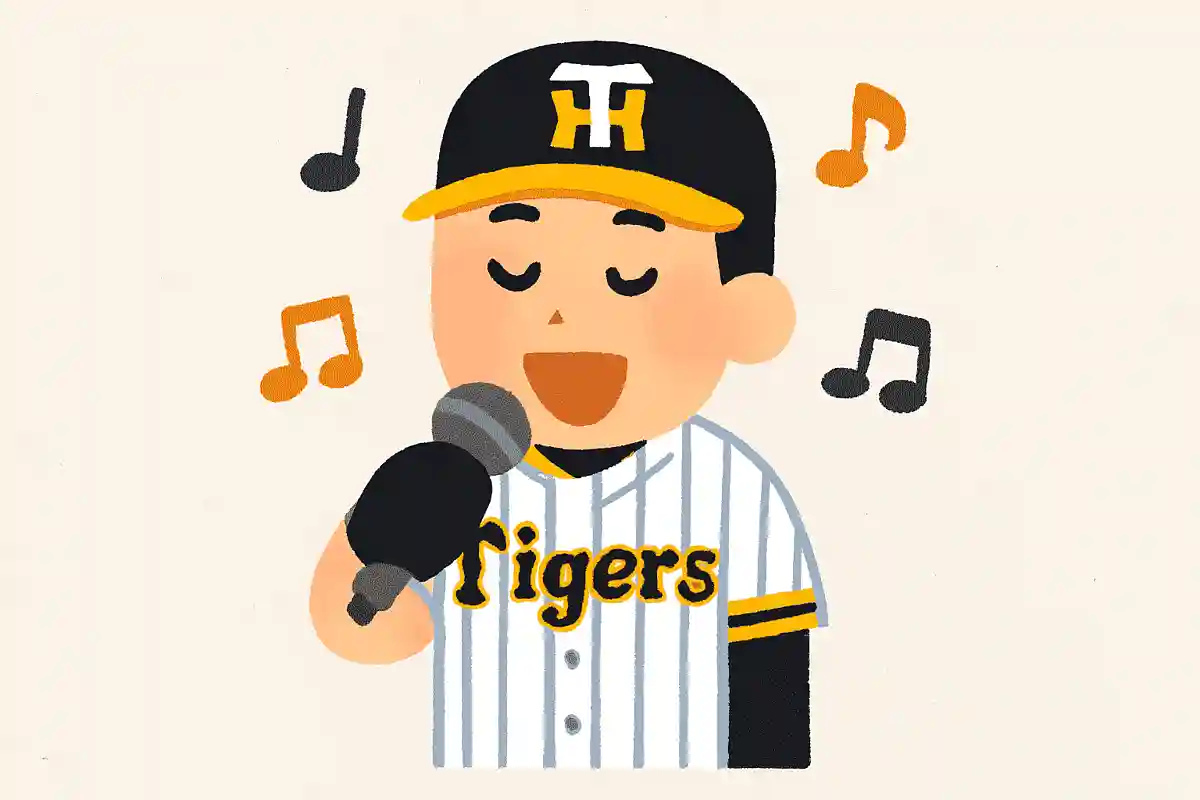
The official title of the Hanshin Tigers’ fight song “Rokko Oroshi” is “Hanshin Tigers no Uta” (The Hanshin Tigers’ Song).
Not only Hanshin Tigers fans, but many people in general are likely familiar with this song.
Because everyone calls it “Rokko Oroshi,” it’s easy to assume that’s the actual title.
The current title, “Hanshin Tigers no Uta,” was adopted when the team’s name changed from the Osaka Tigers to the Hanshin Tigers.
The composer was Yuji Koseki, who produced many famous songs in that era.
In a popularity poll of songs composed by Yuji Koseki conducted by Nippon Columbia, “Hanshin Tigers no Uta” ranked near the top.
Though it’s a classic with a long history, it’s clear that the song is still widely loved and cherished today.

The baseball manager is wearing a uniform because there was a player-manager on the team.
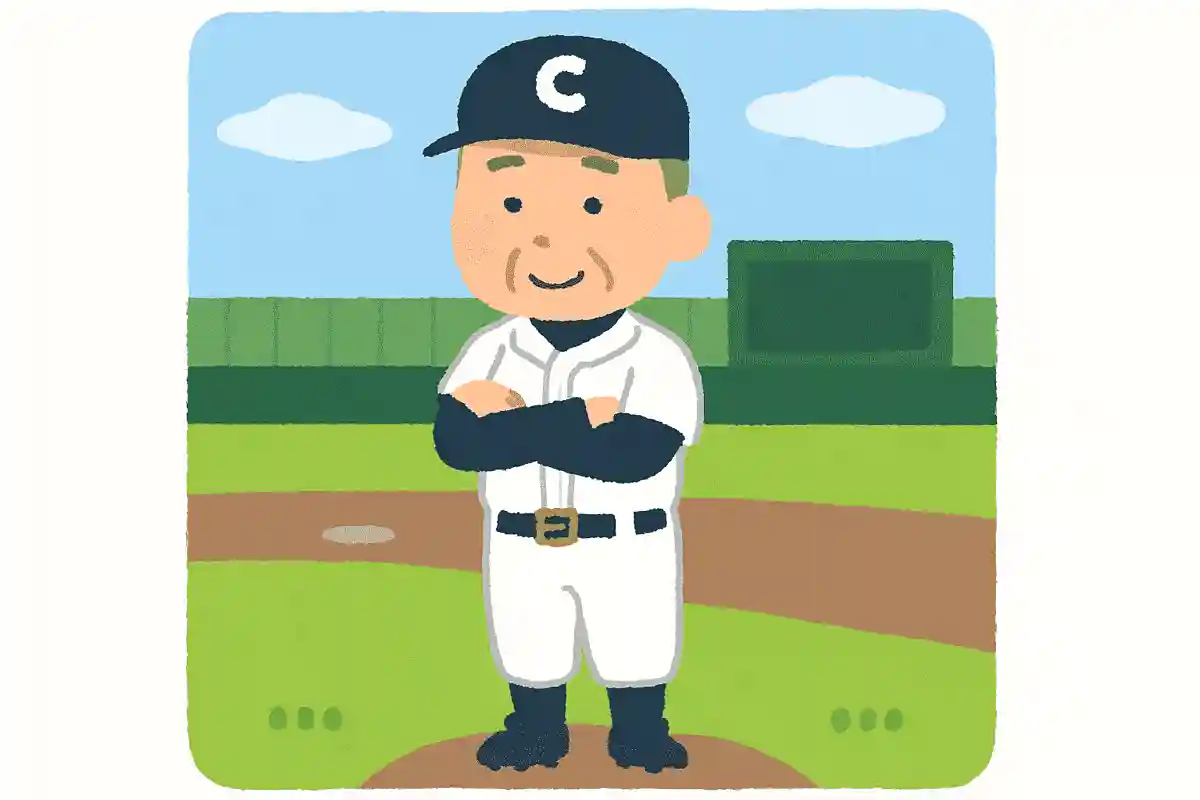
In other sports, you often see coaches wearing suits or tracksuits, but in baseball, managers wear the same uniforms as the players.
Have you ever wondered why? As it turns out, there’s no rule that says a baseball manager must wear a uniform.
The custom developed because, in the past, many managers were also players.
Another advantage is that wearing a uniform allows the manager to enter the field, making it possible to interact with players and umpires.

In conclusion
We’ve shared some trivia and fun facts about baseball—how did you like them? Some of you may know a lot about current players and teams, but perhaps the historical trivia and tidbits were new to you. Feel free to use these as conversation starters with fellow baseball fans!