

Berlioz’s famous piece. Popular classical music.

Louis-Hector Berlioz, a master of Romanticism whose portrait once appeared on the French 10-franc note.
Among the works Berlioz created—led by the Symphonie fantastique—are many pieces inspired by literary masterpieces.
He was also a composer who anticipated the direction of Romantic music through large-scale expansions of instrumentation and a richly colorful orchestral technique.
This time, I’ve listed the works that became the starting point of Berlioz’s artistry, dividing them by movement.
I hope you’ll give them a listen.
- [Masterpiece Classics] A special showcase of gem-like masterpieces so beautiful they’ll move you to tears
- A masterpiece by Franck. Popular classical music.
- [Orchestra] Introducing famous and popular pieces
- Mussorgsky’s masterpiece. Popular classical music.
- Pick up Beethoven’s famous and representative works!
- Masterpieces of the Romantic Era: A sweeping introduction to soul-stirring, celebrated gems!
- A masterpiece by Franz Liszt. Popular classical music.
- Classical Masterpieces: Recommended Works You Should Hear at Least Once
- Impressionist Music: A Comprehensive Introduction to Masterpieces of the Impressionist Movement That Enliven Classical Music History
- Classical masterpieces. Recommended classical music.
- A masterpiece by Alexander Borodin. Popular classical music.
- Cool classical masterpieces. Recommended classical music.
- Masterpieces of the bolero. Recommended popular pieces in bolero form and outstanding performances.
Berlioz’s masterpieces. Popular classical music (1–10)
Overture “Roman Carnival”Louis Hector Berlioz

Known as a masterpiece of Romantic music, this overture is characterized by its festive atmosphere and brilliant orchestration.
The beautiful cor anglais melody that captivates listeners and the lively rhythm of the saltarello are particularly striking.
Premiered in 1844, the work vividly depicts scenes from the Roman Carnival and received great acclaim.
With its richly colored orchestral sonorities and dynamic development, it is recommended for those who want to feel closer to classical music or savor a celebratory mood.
Overture from the opera “Benvenuto Cellini”Louis Hector Berlioz

A dazzling overture by a master of French Romanticism.
Its bold orchestration and passionate melodies captivate listeners.
Opening the opera that portrays the life of the Italian goldsmith Cellini, this work magnificently expresses the struggles of an artist and a heroic personality.
Although its 1838 premiere was poorly received, it later became highly regarded as an independent concert piece.
Characterized by rich sonorities and dramatic development, it offers the very essence of Romantic music.
Highly recommended for those who want to savor the delights of classical music or experience a grand musical drama.
Symphonie fantastique, Fourth MovementLouis Hector Berlioz
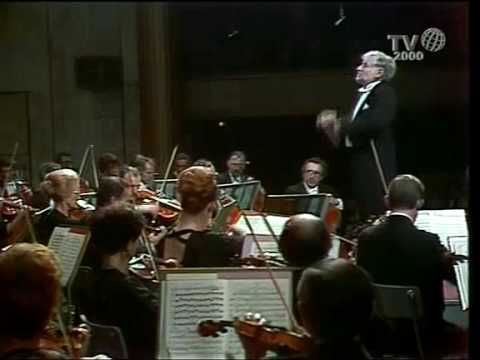
“From Symphonie fantastique, Op.
14, Movement IV: March to the Scaffold (Marche au supplice).” This piece is a symphony representative of Hector Berlioz, and this is its fourth movement.
The premiere took place in 1830 under the baton of Berlioz’s friend François-Antoine Habeneck.
According to the 1845 program, it depicts the scene in which, in a dream, he kills his beloved, is sentenced to death, is taken to the scaffold, and the procession of onlookers is portrayed.
This movement was popular from the time of the premiere and was encored and performed a second time.
Berlioz’s masterpieces: Popular classical music (11–20)
From the Requiem, No. 2: Dies Irae, The Wondrous TrumpetLouis Hector Berlioz

Here is a powerful piece from a grand religious work by a composer emblematic of Romantic music.
Premiered in 1837, it dramatizes the Day of Judgment.
With an intensity that feels as if the earth itself were trembling, the four brass choirs and timpani create a flood of sound that overwhelms the listener.
The premiere, featuring more than 400 performers, caused a major sensation in Paris at the time.
Portraying both divine wrath and human frailty, this piece is recommended for those who wish to deepen their contemplation of the afterlife through music.
Experience the innovative orchestration and profound religious fervor woven into this music.
From the Requiem, No. 6: Day of TearsLouis Hector Berlioz

This masterpiece depicts the day that comes with tears, when people rise from the ashes.
It stands out even within Hector Berlioz’s Requiem, imbued with mourning for the dead and prayers for God’s mercy.
Its hallmarks are the majestic sonority of its large-scale forces and the superb harmony between chorus and orchestra.
At its 1838 premiere, more than 400 performers took part, deeply moving the audience.
Embracing the hearts of those who confront death and seek hope, this work is recommended for anyone reflecting on the meaning of life.
Symphony “Harold in Italy,” First MovementLouis Hector Berlioz

This work centers on the collaboration between solo viola and orchestra.
The “Harold theme” played by the viola is striking, and the piece unfolds as the viola and orchestra take turns.
Set against the backdrop of the Italian mountains, it vividly conveys the protagonist’s emotions, where melancholy and happiness intersect.
It adopts sonata form, beginning with a gentle introduction and developing into a lively Allegro, with the dialogue between the viola and the orchestra as a highlight.
It’s a recommended piece for those interested in Romantic music or those who want to savor the allure of the viola.
Dreams and CapriccioLouis Hector Berlioz

Known as Hector Berlioz’s only work for solo violin, this piece was originally conceived as part of the opera Benvenuto Cellini, but was later arranged for violin and orchestra.
It features a two-part structure that begins with a lyrical Adagio theme and concludes with a passionate coda.
Published in 1841, it received its premiere in Paris on February 1, 1842.
Throughout, it showcases brilliant passages that fully draw out the violin’s virtuosity, encapsulating the allure of Romantic music.
It is recommended for those interested in violin repertoire or seeking to discover a new facet of Romantic music.