

What kind of place is Byodoin Phoenix Hall? A quiz to learn about a Japanese architectural masterpiece admired worldwide.

What kind of image comes to mind when you hear “Byodoin Phoenix Hall”? Known as one of the components of the UNESCO World Heritage Site “Historic Monuments of Ancient Kyoto,” it is a historic landmark whose design can also be seen on the back of the 10,000-yen banknote.
Still, many people may have heard the name but aren’t quite sure who built it, when, or for what purpose.
With that in mind, we’ve created a quiz that lets you learn everything from basic facts to more niche details about Byodoin Phoenix Hall.
We hope this quiz helps deepen your understanding of Byodoin Phoenix Hall, even just a little.
- Tidbits Quiz about Tōdai-ji: Questions related to the Great Buddha of Nara, too!
- Trivia quiz about Sanjusangendo: a collection of questions to deepen your knowledge
- [Trivia] Quiz about Fushimi Inari Taisha
- [Interesting] Collection of Flag Quiz Questions
- Fun facts quiz about Kiyomizu-dera: a three-choice quiz to learn its history and appeal
- Quiz about Kinkaku-ji: tidbits to help you understand the Golden Pavilion
- [Trivia] A quiz of fun facts about Horyu-ji. Multiple-choice questions (three options) about this historic structure.
- Trivia quiz about Ginkaku-ji: three multiple-choice questions to learn about Kyoto’s history
- [Snake Quiz] Surprisingly fascinating once you know! Snake ecology & characteristics
- Heart-touching, tear-jerking masterpieces from the Showa era
- [Kyoto Songs] Masterpieces that sing about Kyoto — songs themed on the ancient capital. The enduring heart of our hometown passed down in song.
- A world heritage site Japan is proud of! Take on a quiz to dive deep into Nikkō Tōshō-gū!
- [World Heritage] 3-choice quiz to deepen your trivia about Nijo Castle
What kind of place is Byodoin Phoenix Hall? A quiz to learn about a Japanese architectural masterpiece admired worldwide (1–10)
What was the warrior-specific custom that Minamoto no Yorimasa performed at Byodoin in 1180?

- single combat
- seppuku
- Yabusame (traditional Japanese horseback archery)
See the answer
seppuku
In 1180, Minamoto no Yorimasa committed seppuku at Byodo-in’s Phoenix Hall after his failed rebellion against the Taira clan. Seppuku, a custom particular to samurai, was regarded as a way for a defeated warrior to preserve honor, and Yorimasa’s seppuku is one of the most famous cases in history.
What do they call a goshuin at Byodoin?
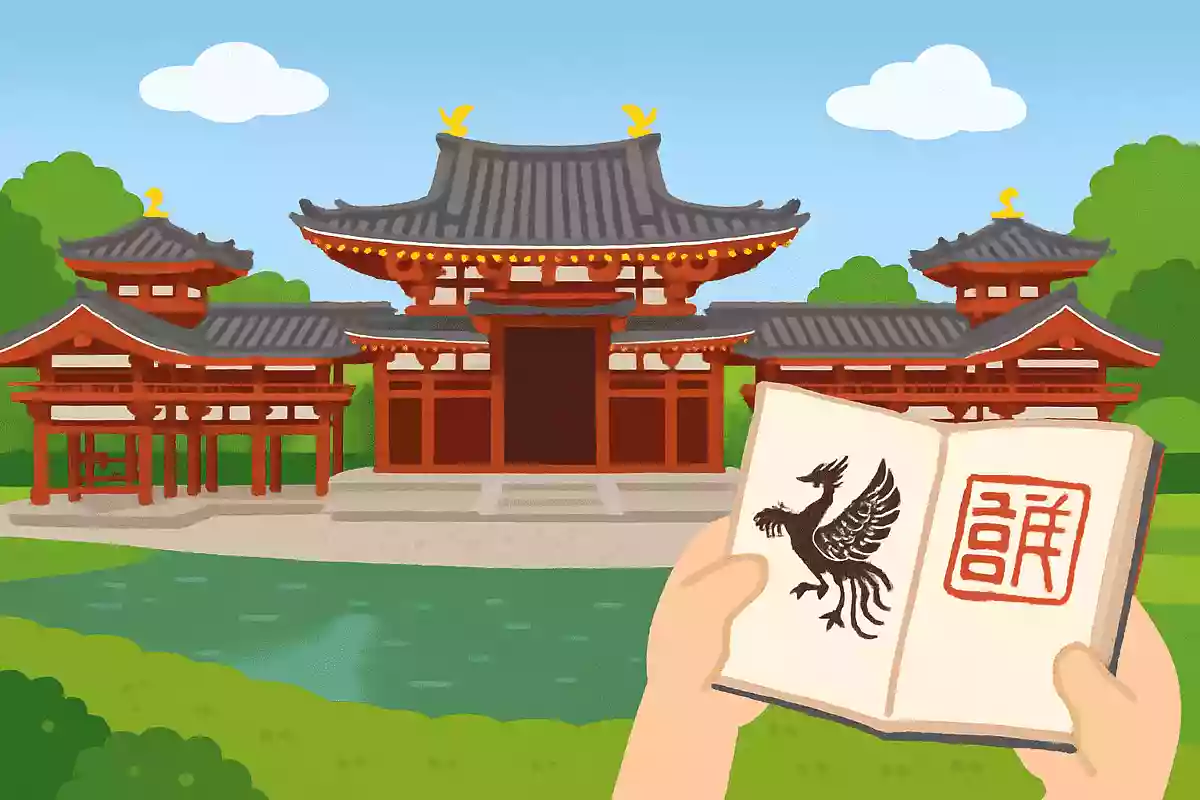
- Goshuin (temple/shrine stamp)
- sacred image seal
- Honorable stamp collection
See the answer
Honorable stamp collection
At Byodoin Phoenix Hall, goshuin (temple stamps) are referred to as “go-shuin” (御集印). This term is said to carry the meaning of “collecting seals as proof of one’s visit.”
What was the garden of Byōdō-in Phoenix Hall designated as in 1922?
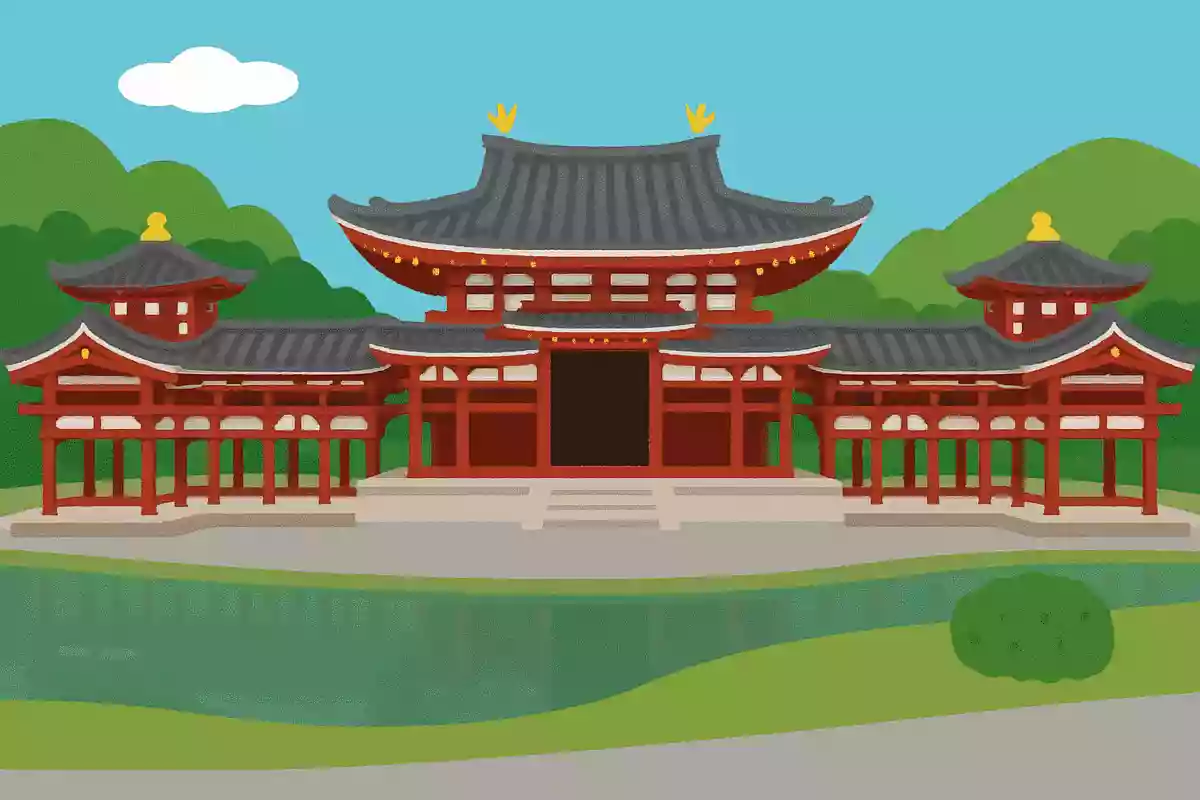
- Places of Scenic Beauty designated by the state
- National Natural Monument
- World Cultural Heritage
See the answer
Places of Scenic Beauty designated by the state
The garden of Byodo-in Phoenix Hall was designated as a Place of Scenic Beauty by the national government in 1922. In Japan’s cultural property protection system, this designation is used to identify and protect locations of special value as beautiful Japanese landscapes or historic scenic sites. Being designated as a national Place of Scenic Beauty recognizes the area’s historical and artistic value and ensures its preservation as cultural heritage.
What kind of place is Byodoin Phoenix Hall? A quiz to learn about a Japanese architectural treasure admired worldwide (11–20)
What is the reason the bell of Byodoin is counted as one of Japan’s three most famous bells?
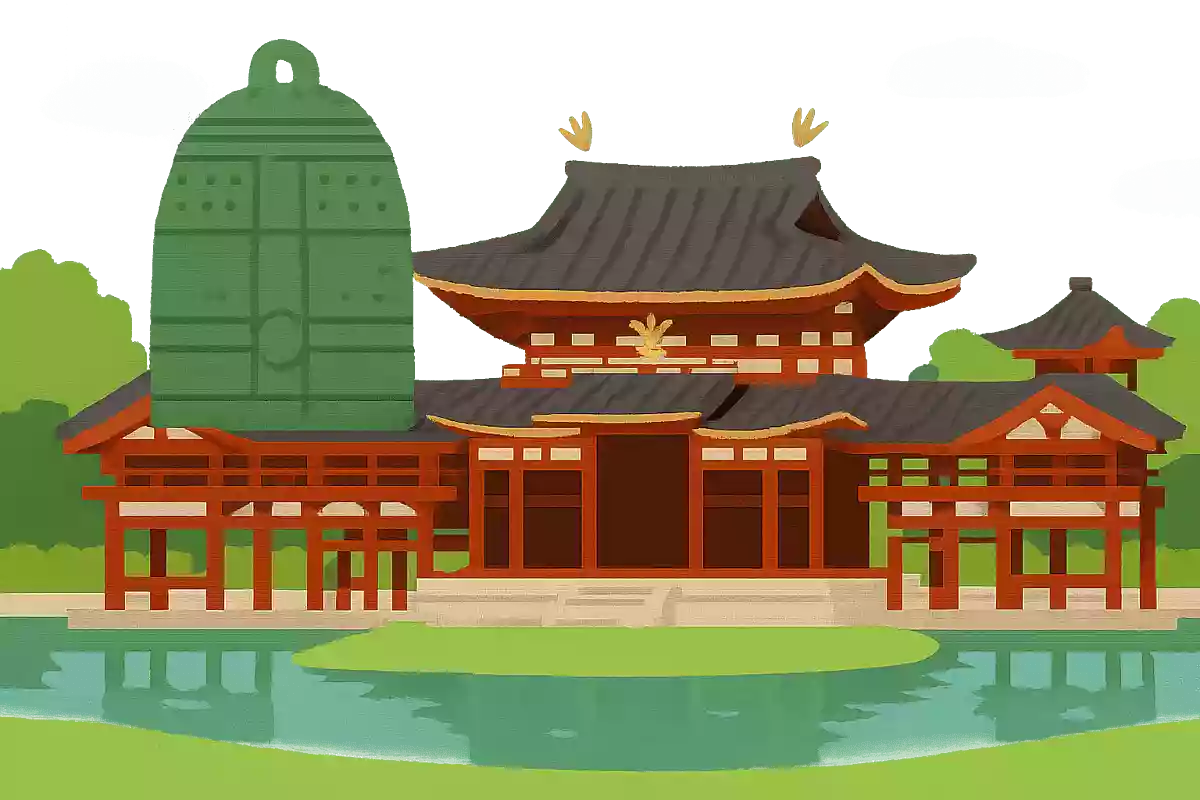
- Because the sound of the bell is particularly beautiful
- because it is the oldest Buddhist temple bell in Japan
- Because it is adorned with splendid decorative patterns
See the answer
Because it is adorned with splendid decorative patterns
The bell of Byodoin is particularly acclaimed for its magnificent decorative motifs. Stylized lotus patterns adorn its flat surfaces, and at the top, phoenixes are depicted in flight. These rich designs have secured its reputation as one of Japan’s three most celebrated bells.
When was the Phoenix Hall of Byōdō-in constructed?
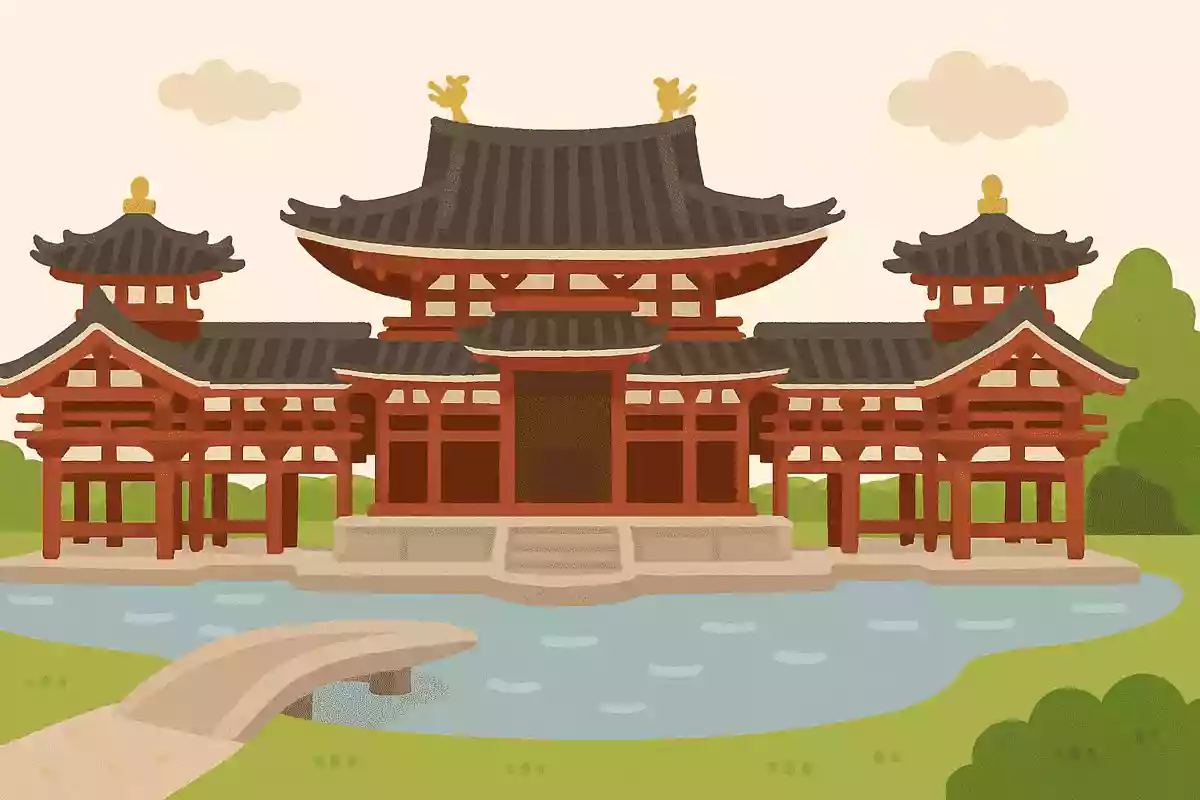
- Asuka period
- Nara period
- Heian period
See the answer
Heian period
Byodo-in Phoenix Hall was first constructed in the late Heian period, specifically in 1053. Built by Fujiwara no Yorimichi, the hall embodies characteristics of Pure Land Buddhist belief. Even today, it retains its beautiful appearance and continues to captivate many visitors.
In which prefecture is the Byodoin Phoenix Hall located?
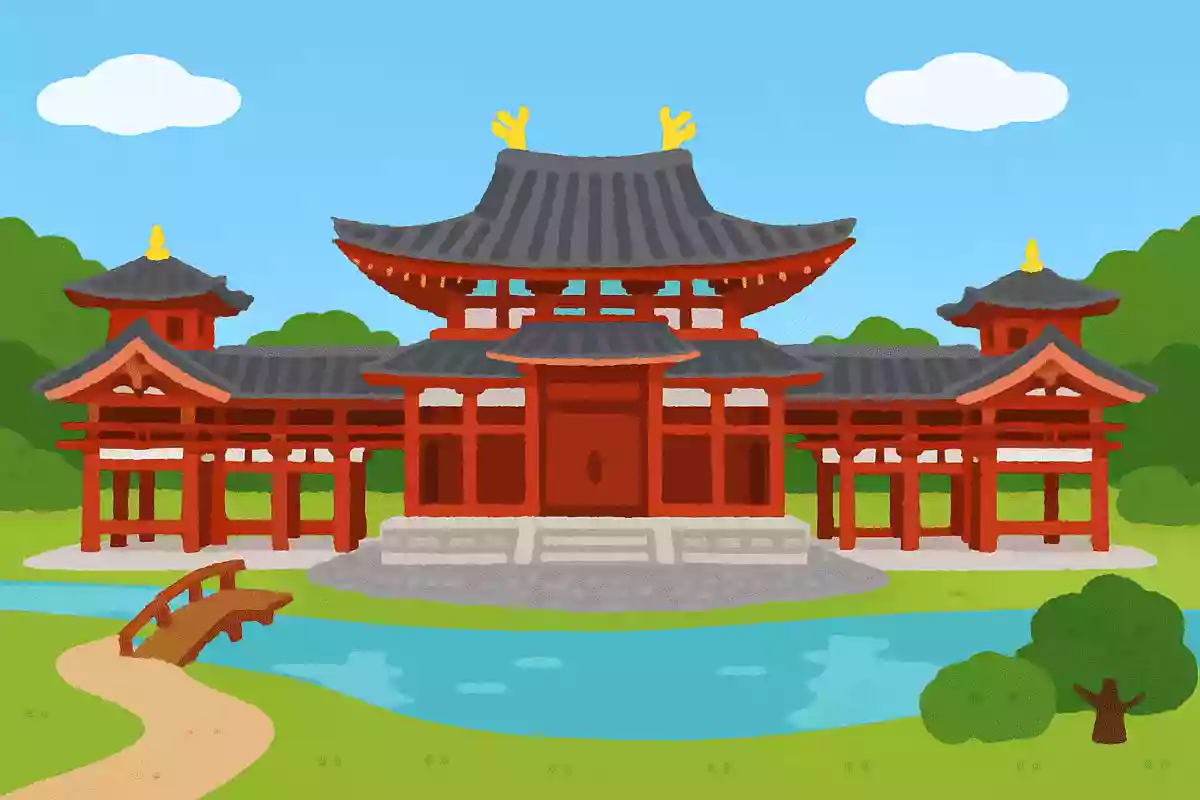
- Kyoto Prefecture
- Nara Prefecture
- Shiga Prefecture
See the answer
Kyoto Prefecture
Byodo-in Phoenix Hall is located in Uji City, Kyoto Prefecture. Uji lies between Kyoto and Nara and is especially famous for Uji tea. The Phoenix Hall was built by Fujiwara no Yorimichi, an aristocrat of the Heian period, and has been known as the “Phoenix Hall” since the Edo period. It is a National Treasure and, together with surrounding cultural properties, was inscribed as a UNESCO World Heritage site in 1994.
Who made the Buddha statues of the Phoenix Hall at Byōdō-in?
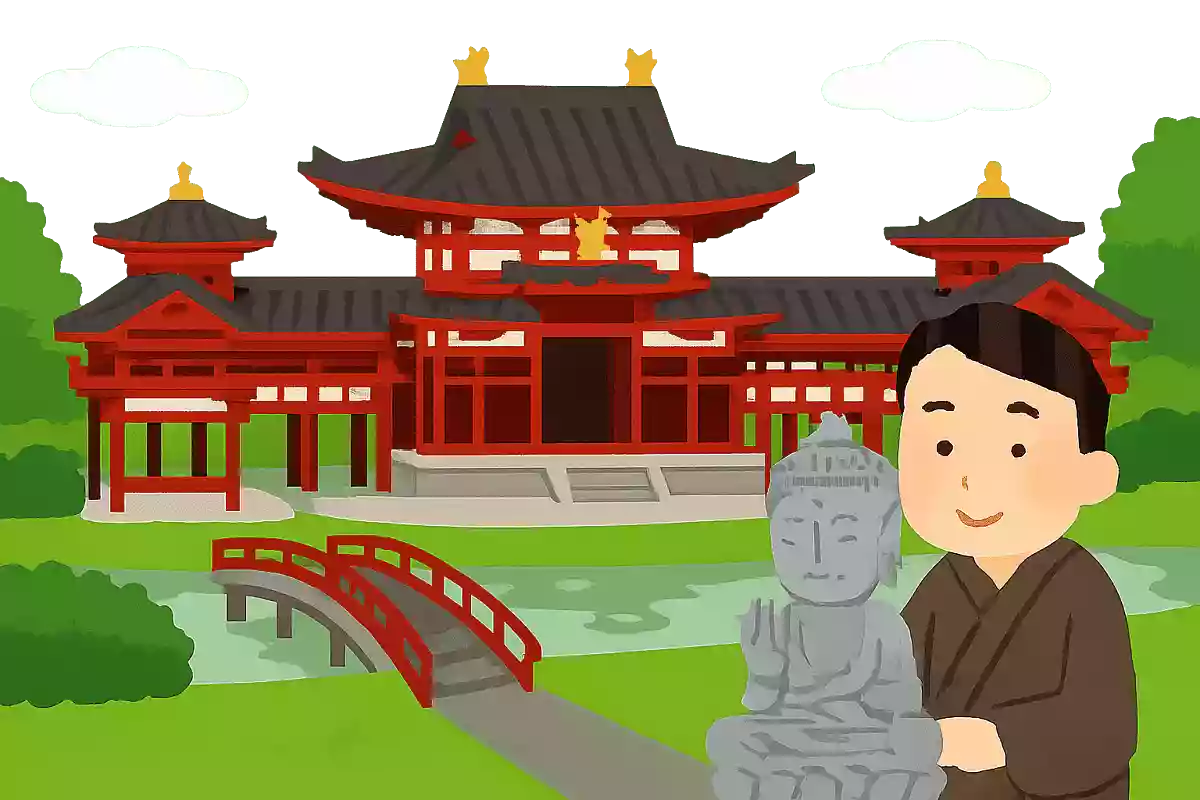
- Jōchō
- Kōkei
- Saichō
See the answer
Jōchō
The Buddhist statues of Byodo-in’s Phoenix Hall were created by Jocho, a master sculptor active in the Heian period. Jocho holds an extremely important place in the history of Japanese sculpture, and his style was so influential that it came to be known as the “Jocho style.” The group of statues in the Phoenix Hall is considered one of his representative works.